i. Biography
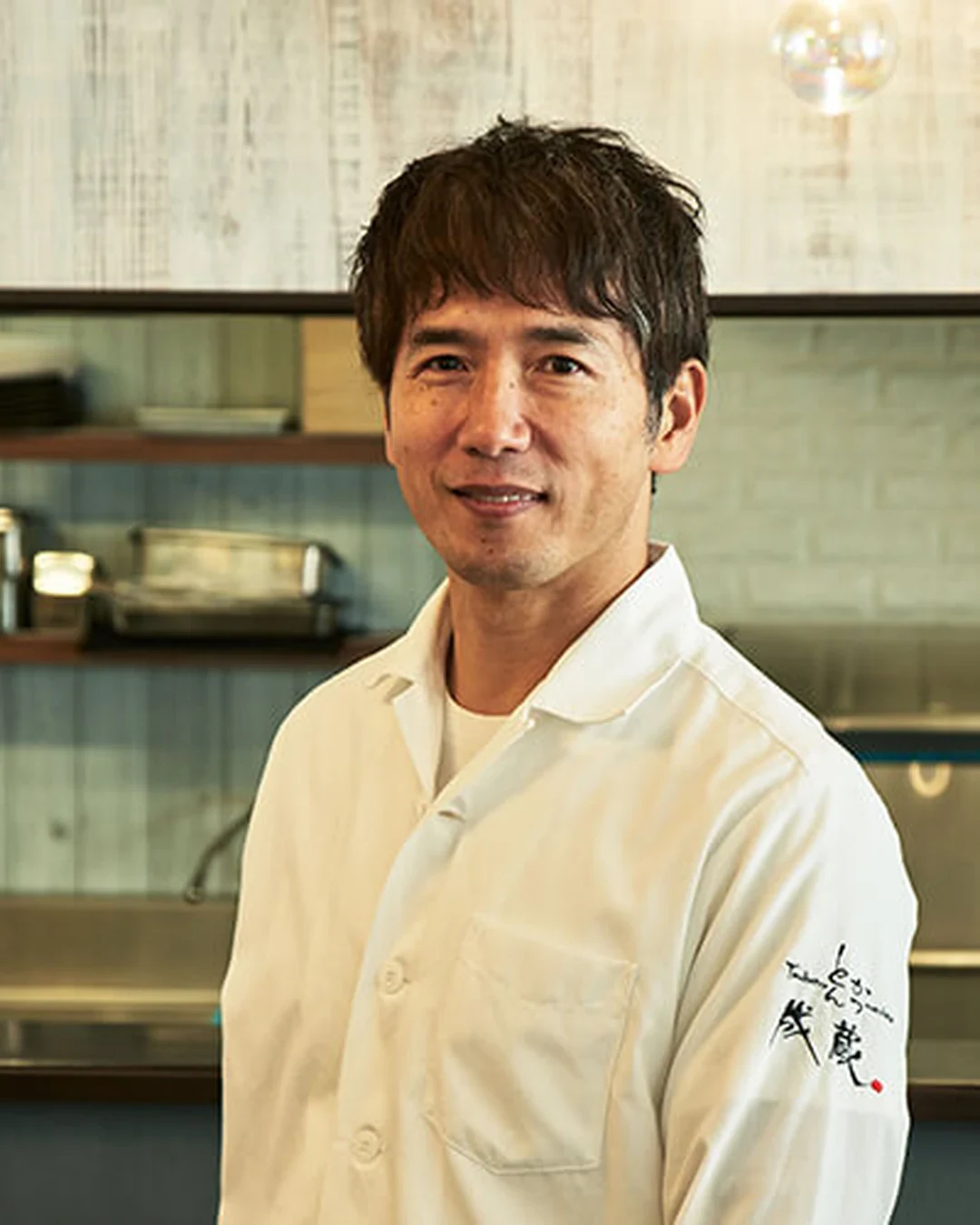
Owner of a Tokyo, Japan tonkatsu restaurant, Seizo Mitani is associated with a pale, low-temperature style of tonkatsu that keeps weight out of the fry. The pork cutlet is handled for light color, fine crust, and tenderness rather than the dark, hard crunch many diners expect. Its distinction is technical: texture, temperature, and doneness have to meet at service, with the coating protecting the pork without taking over. “Actually, I was first employed at a department store company after graduating from college. Never had I imagined myself starting a Tonkatsu restaurant.” Seizo has said.
Formation
Tonkatsu training is built on repetition, oil control, and exact handwork, and Seizo Mitani entered that discipline after working as an employee at a department store company. At Enraku, he trained and worked in the fundamentals of a dish that gives little cover to poor timing or uneven heat. Frying craft across different formats gave the work a broader base: a tonkatsu chain restaurant, a kushiage restaurant, a kappo restaurant, and a tonkatsu restaurant each carried a different demand. The chain format sharpened efficiency, kushiage required quick precision in frying, kappo brought a more attentive register, and tonkatsu returned the focus to meat, coating, oil, and service timing. In Seizo Mitani’s case, those stages read as practical formation rather than ornament. In 2018, the pale tonkatsu style gained its dedicated workshop when Seizo Mitani became owner / manager and chef at Narikura / Tonkatsu Narikura in Takadanobaba, Tokyo. The restaurant became the setting for a cutlet built around clarity, delicacy, and controlled heat. Today, Seizo is owner of the restaurant.
The Practice Today
The specialty is tonkatsu, especially pale or white tonkatsu with a delicate crust and tender pork. There, Seizo Mitani works against the usual push toward a dark, assertive fry, keeping the coating light while drawing softness and fragrance from the meat. Ingredient choice and frying color are central to the house style. The kitchen is known for using luxury pork such as TOKYO-X, Iwachu-buta pork, and Yukimuro Jukusei-buta pork, deep-fried at low temperature with a white coating. The white pork cutlet is defined by batter paler than regular tonkatsu and pork described as so tender it melts in the mouth; the pale, golden pork cutlets are noted for delicate crust, tenderness, and slow frying with a precise low-heat method. The cutlet reads visually before it is cut: a restrained pale surface rather than a dark shell. The method depends on patience more than force. At the restaurant, the meat is slowly cooked in high-quality rare lard: a 3 cm-thick fillet cooks for 7–8 minutes at about 130°C, while a wider chop cooks around 110°C for 12–13 minutes. Seizo Mitani removes tonkatsu from the oil while it is still rare, then lets residual heat finish the center as oil drains from the crust. The finished cutlet relies on that handoff between fryer heat and carryover heat, so the pork sets gently instead of being pushed too far in the oil.
Career - Owner — Tonkatsu Narikura, Minami-Asagaya, Tokyo - Employee — department store company - Tonkatsu trainee/worker — Enraku - Worker — tonkatsu chain restaurant - Worker — kushiage restaurant - Worker — kappo restaurant - Worker — tonkatsu restaurant - Owner / manager and chef — Narikura / Tonkatsu Narikura, Takadanobaba, Tokyo (from 2018)
Signature
Signature dishes include Pale. The name is plain and accurate: in Seizo Mitani’s tonkatsu, color signals method. The cutlet is not built around a heavy crust or dark fry; it keeps the coating fine and quiet so the pork remains the point of the dish.
Accolades
Narikura in Tokyo received a Michelin Guide Tokyo Bib Gourmand in 2017. The recognition placed the restaurant’s pale tonkatsu in a category where everyday appetite and technical control can sit together. For a familiar fried dish, the award marked work defined by heat management, timing, and restra