winemaker
Sylvain Pitiot
- Discipline
- winemaker
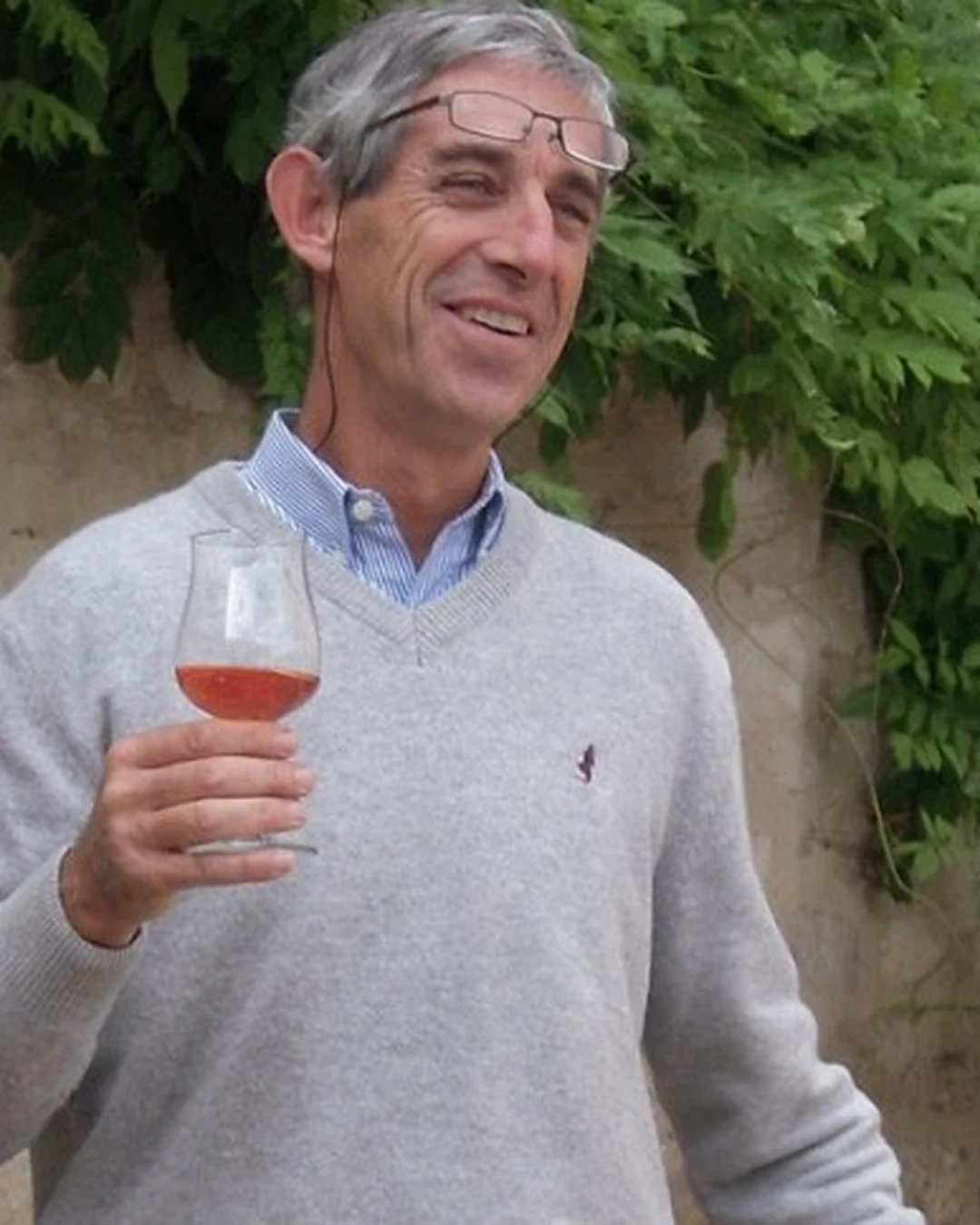
i. Biography
The Path
Reading land for production starts with measurement before interpretation. Topographic engineering in Africa gave Sylvain Pitiot a working discipline in contours, gradients and subsurface implication before Burgundy became the material. In wine terms, that training matters at the level of terrain, exposure, parcel shape and the limits of what a map can tell a grower before the season, the vine and the pickers correct it. Harvest work turns a site reading into fruit handling. From 1972, Pitiot worked harvest at Domaine Jacques Prieur in Meursault, moving from surveyed ground to grapes delivered by weather, soil, vine age, ripeness and labor. For cellar work, picking is not preliminary; it defines the raw material and sets the range of possible decisions. Burgundian cartography and cellar decision-making met in the co-authorship of Atlas des Grands Vignobles de Bourgogne until 1981, alongside work as winemaker at Hospices de Beaune. The atlas required ordered description of Burgundy’s great vineyards and their physical distinctions. The Hospices role required work with fermenting material rather than mapped boundaries. Pitiot’s formation sits between those two disciplines: describing land and executing wine. Regional practice in Burgundy broadened the frame before the long Clos de Tart appointment. Consulting at various domaines in Burgundy, teaching in Burgundy and managing at various domaines in Burgundy placed Pitiot inside different interpretations of the same regional grammar. The defining management role was Clos de Tart in Morey-Saint-Denis from 1996–2015, an enclosed grand cru where vineyard reading, picking decisions and cellar style were all visible to the trade.
The Work Today
The Clos de Tart period remains the work most closely linked to Pitiot. During that tenure, the estate’s style moved toward ripeness and more fruit-forward appeal while still emphasizing terroir, vineyard work, hands-off winemaking and later picking for physiological ripeness. The method combined a clear stylistic position with an insistence that the vineyard remained the starting point. Extraction and new oak formed part of the cellar language of that period. The wines associated with the era were highly extracted and lavished with new oak, showing concentration, maturity and élevage as deliberate features. The result carried polish and density, while vineyard study became more detailed than a simple treatment of the clos as one prestigious block. Subdivision was the central technical act. The clos was divided into 27 individual plots based on geology, vine age and active limestone content. Within that structure, six microclimatic blocks were harvested separately. The practical purpose was separation, observation and comparison: fruit from one enclosed grand cru read at finer resolution. In Pitiot’s hands, earlier topographic and mapping experience stayed active inside farming and picking, not only on paper. Two labels carry the estate’s fruit.
Career - topographic engineer — Africa - harvest worker — Domaine Jacques Prieur, Meursault (from 1972) - co-author — Atlas des Grands Vignobles de Bourgogne (until 1981) - winemaker — Hospices de Beaune - consultant — Burgundy - teacher — Burgundy - manager — Burgundy - manager — Clos de Tart, Morey-Saint-Denis (1996–2015)
Acclaim
The 2010 Clos de Tart Grand Cru stands as a marker within the Clos de Tart, Morey-Saint-Denis period from 1996–2015. It belongs to the years when cellar confidence and a more detailed analysis of the enclosed grand cru were being pursued together. Recognition from that tenure rests on the full working system rather than on a single gesture. Ripe fruit, extraction, new oak and a vineyard program organized around geology, vine age, active limestone and separate picking of microclimatic blocks all formed the Clos de Tart reading associated with Pitiot. The legacy is both sensory and structural: maturity and concentration in the glass, disciplined subdivision


