i. Biography
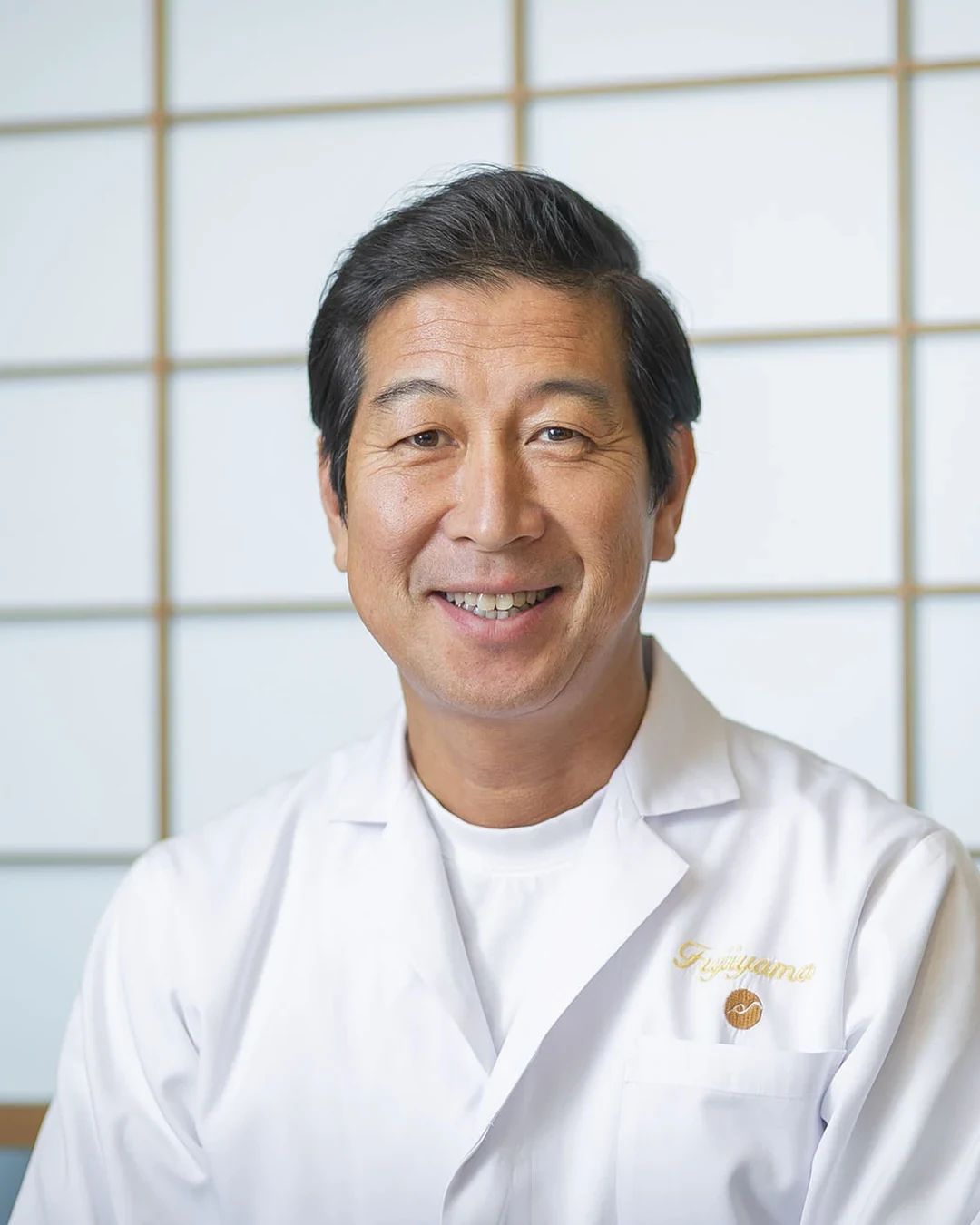
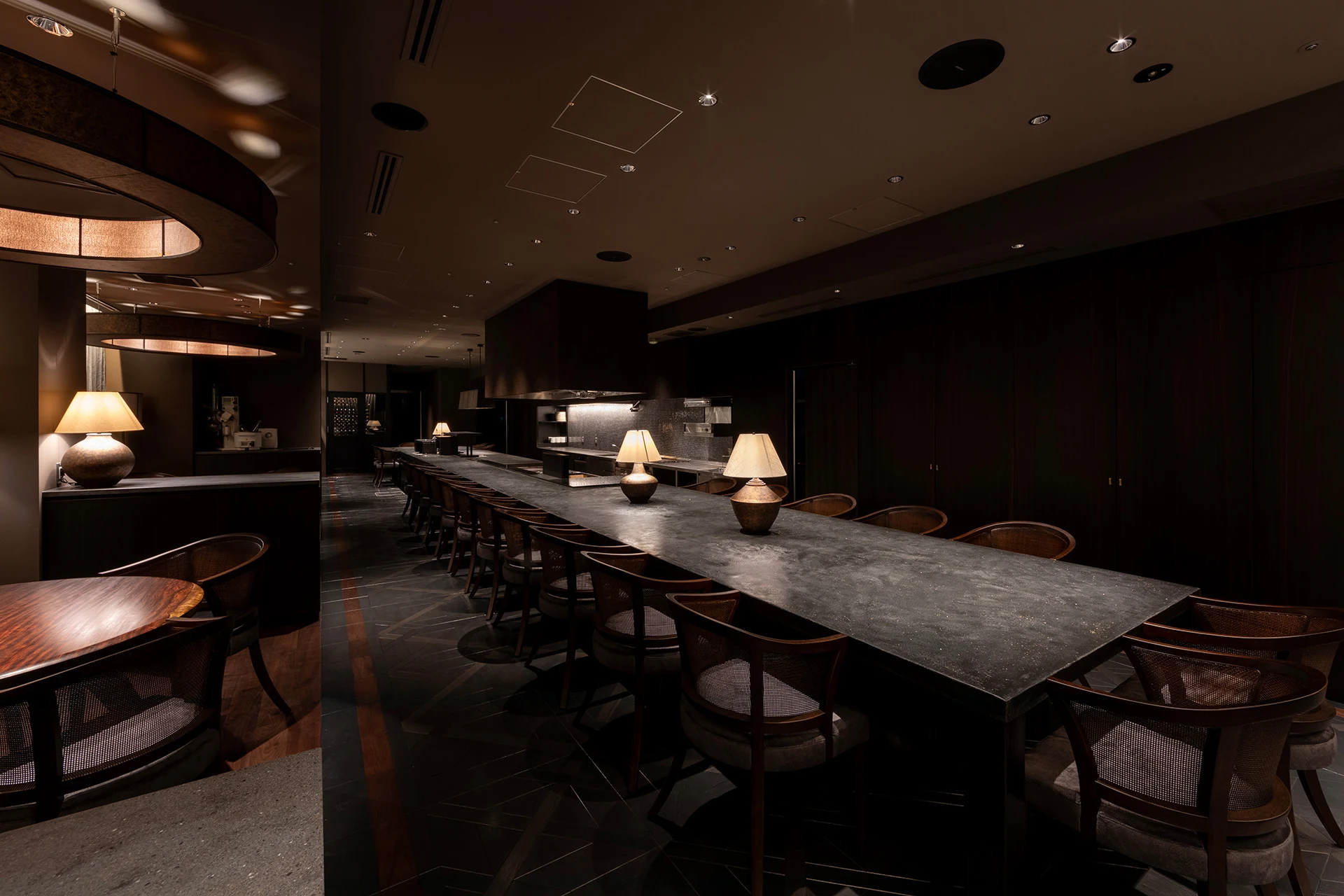
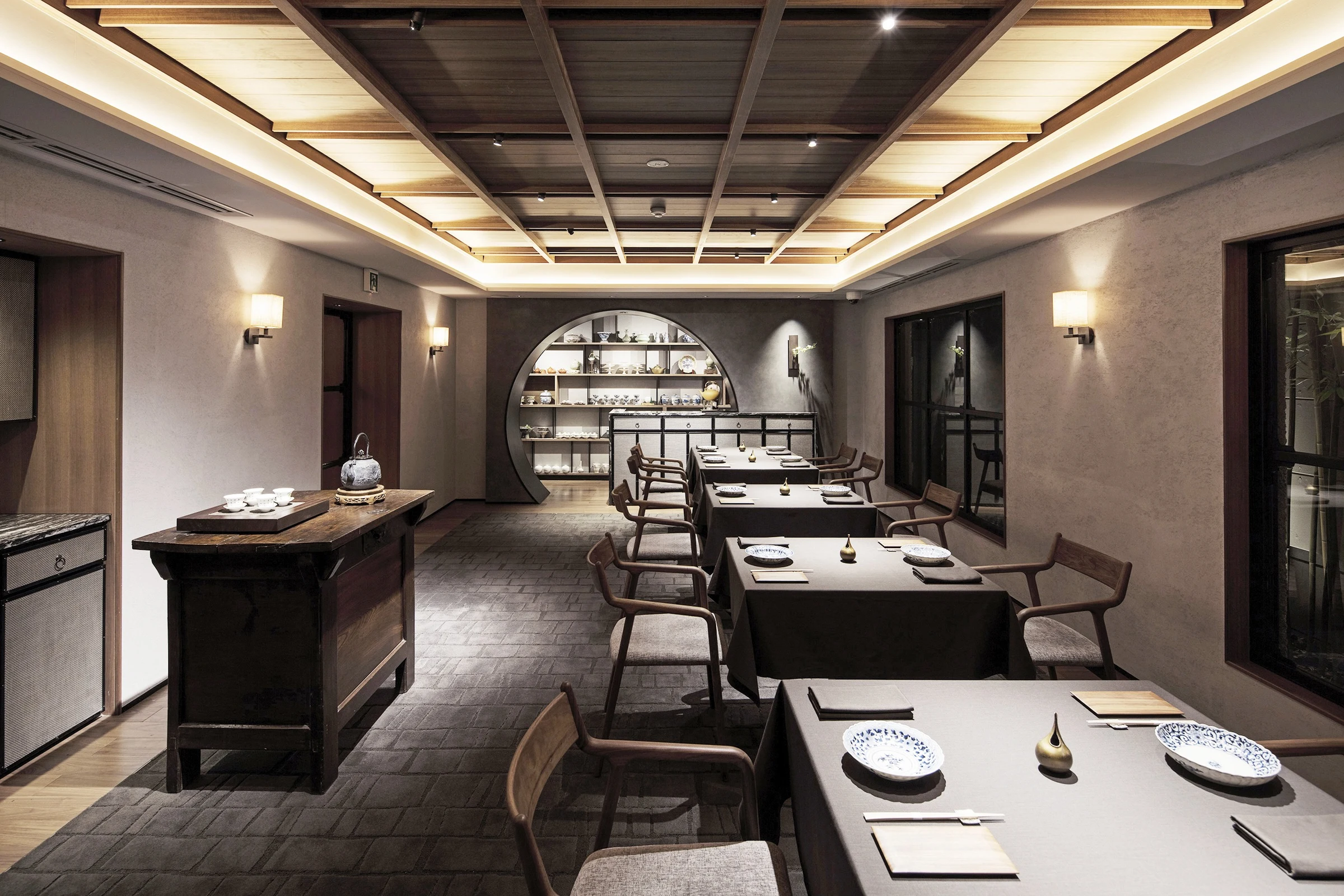
Kyoto-style kaiseki depends on decisions made before service: where the ingredient is from, who produced it, when it is at its best, and how little the kitchen needs to do to make those facts legible. At Ginza Fujiyama in Tokyo, Japan, Takao Fujiyama works in that register, bringing a Kansai sense of restraint into the capital’s dining scene through subtle flavor, measured handling, and close attention to producers. Earthenware, rice, crab, and seasonal materials are treated as working variables, not decorative symbols. Ingredient selection in this style carries production, place, timing, weather, and labor into the dining room. In Fujiyama’s practice, the meal is the final stage of that chain: production area to kitchen, hand to hand, raw material to finished course. The craft is not only in cutting, cooking, and plating, but in understanding what the producer intended the ingredient to be.
The Making
Kyoto kaiseki training is built on discipline, elegance, and cultural memory as practical tools. Early work as executive chef at Kodaiji Wakuden in Kyoto, Japan, gave Takao Fujiyama a frame for quiet precision, balance, and respect for Kyoto cuisine and Kyoto culture, arts, and fine arts. A Tokyo dining room changes the audience and the pace, but not the underlying grammar of Kyoto-style kaiseki. As owner-chef of Ginza Fujiyama since 2019, Fujiyama carries that discipline into his own restaurant, applying tradition to the particular condition of each ingredient rather than treating tradition as a fixed display.
At Work Now
Sourcing functions as part of the cooking, not as a task completed before it. Since 2019, Fujiyama has been the owner-chef there in Tokyo, Japan, where he personally visits production areas and builds trust with producers. That approach shapes the menu before the first cut is made, because the relationship with the producer affects how an ingredient is read, prepared, and presented. Producer-minded kaiseki asks the guest to taste more than the surface flavor. The ingredient carries place, labor, timing, and judgment, and Fujiyama’s cooking is organized so those layers remain visible. Restraint here is a technical choice: flavor can be delicate without becoming thin, and a quiet preparation can make the material more present. Kōbako crab paired with Bollinger La Grande Année Rosé 2015 shows this method in a precise format. The crab is meticulously prepared and arranged back into its shell, restoring its form while separating its parts for tasting. Inner roe, outer roe, and leg meat each change the expression of the rosé Champagne, with texture and salinity shifting the reading of Bollinger La Grande Année Rosé 2015 in the glass. Rice is handled with the same seriousness as a seasonal luxury. Fujiyama serves rice cooked in an earthen pot, and he created his own earthen pot with an optimal shape for cooking rice. The point is functional precision around a staple: heat, vessel, steam, and grain. His own framing keeps the focus on Japanese rice as culture and craft: “The Japanese culture of enjoying white rice developed because of the great taste of Japan Rice.”
Accolades
Recognition for Ginza Fujiyama places this kaiseki work within peer and guide review. Takao's honors include Michelin star for Ginza Fujiyama, Tabelog Award Bronze for Ginza Fujiyama (2026), Tabelog Award Bronze for Ginza Fujiyama (2025), Selected for Tabelog Japanese cuisine TOKYO "Tabelog 100" for Ginza Fujiyama (2025), Tabelog Award Bronze for Ginza Fujiyama (2024), and Tabelog Award Bronze for Ginza Fujiyama (2023).
Profile updated July 2026
FAQ
Asked of Takao
What is Takao Fujiyama's day job?
Takao Fujiyama is chef at Ginza Fujiyama — Kaiseki.
Where did Takao Fujiyama work before?
Earlier in their career, Takao Fujiyama worked at Kodaiji Wakuden.
What recognition has Takao Fujiyama received?
Michelin star for Ginza Fujiyama.