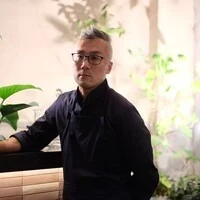
i. Biography
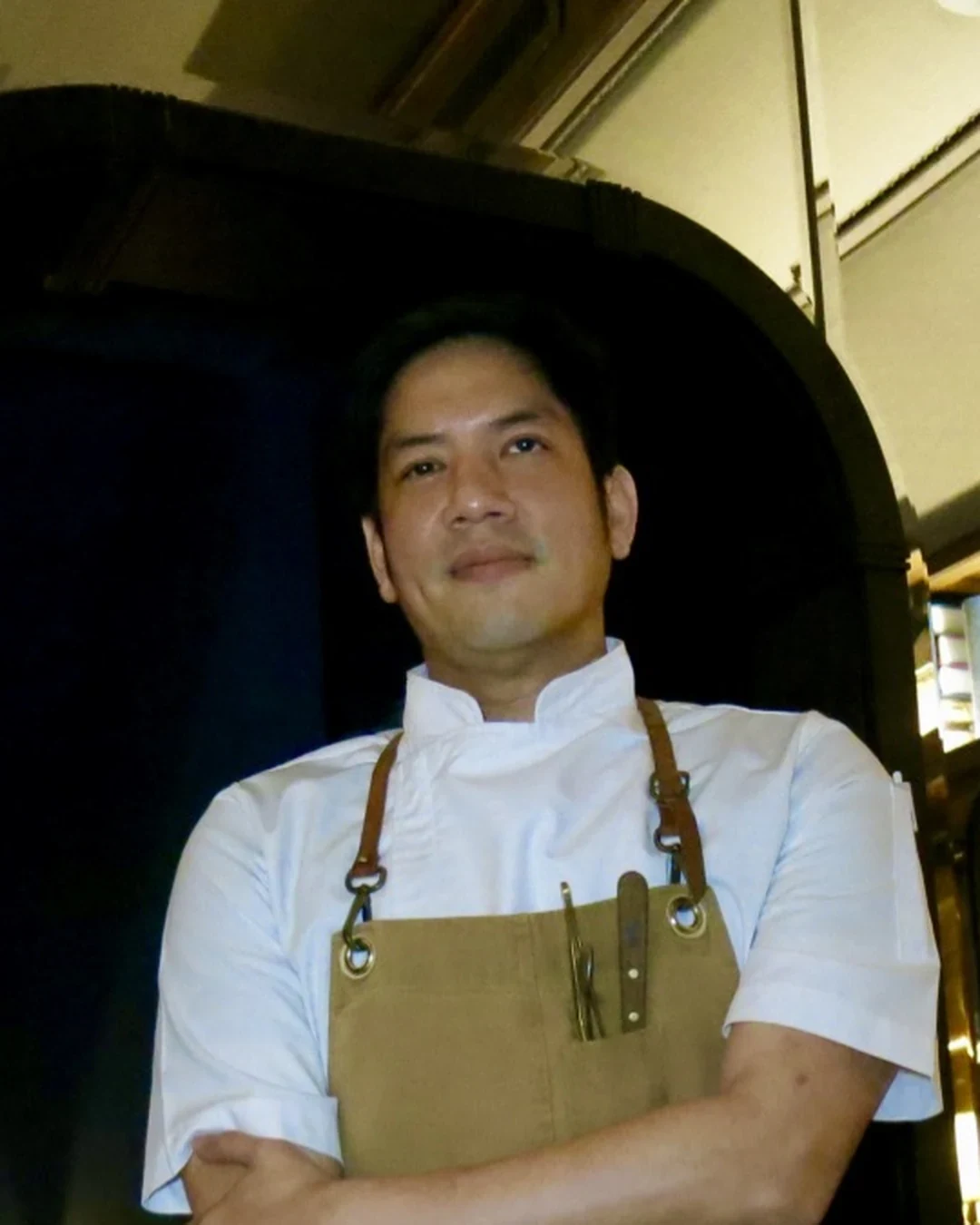
Takayuki Saito leads Alternative in Tokyo with a style built on control: classical French technique set alongside Japanese and Chinese elements, each part placed with intent rather than display. The goal is not fluency for its own sake, but dishes that stay readable as technique while still pushing past easy category. At Alternative, that approach functions as method, not mood; it shapes composition, balance, and finish from the outset.
Coming Up
Medical training gave Takayuki Saito a working base in concentration, responsibility, and exact standards. Those qualities were already being exercised at Juntendo University, Faculty of Medicine in Tokyo, Japan (2015–2016), and at Juntendo University, Department of Anesthesiology in Tokyo, Japan (2015–2016), before the kitchen became the primary field. Today, Takayuki is Medical Doctor of Juntendo University, Department of Anesthesiology / Keisuke Yamaguchi's Lab and chef of Alternative, a dual role that reads less as contradiction than as discipline carried across different forms of practice.
Where They Are Now
Alternative in Tokyo is where Takayuki Saito applies that discipline in full. As chef, he works with technical composure and a clear resistance to convention for its own sake. The cooking is rooted in classical French technique, then opened through Japanese and Chinese influences, so the meeting point is controlled rather than diffuse. The result is a plate that keeps its edges: traditions remain distinct, but they are put in conversation under careful direction.
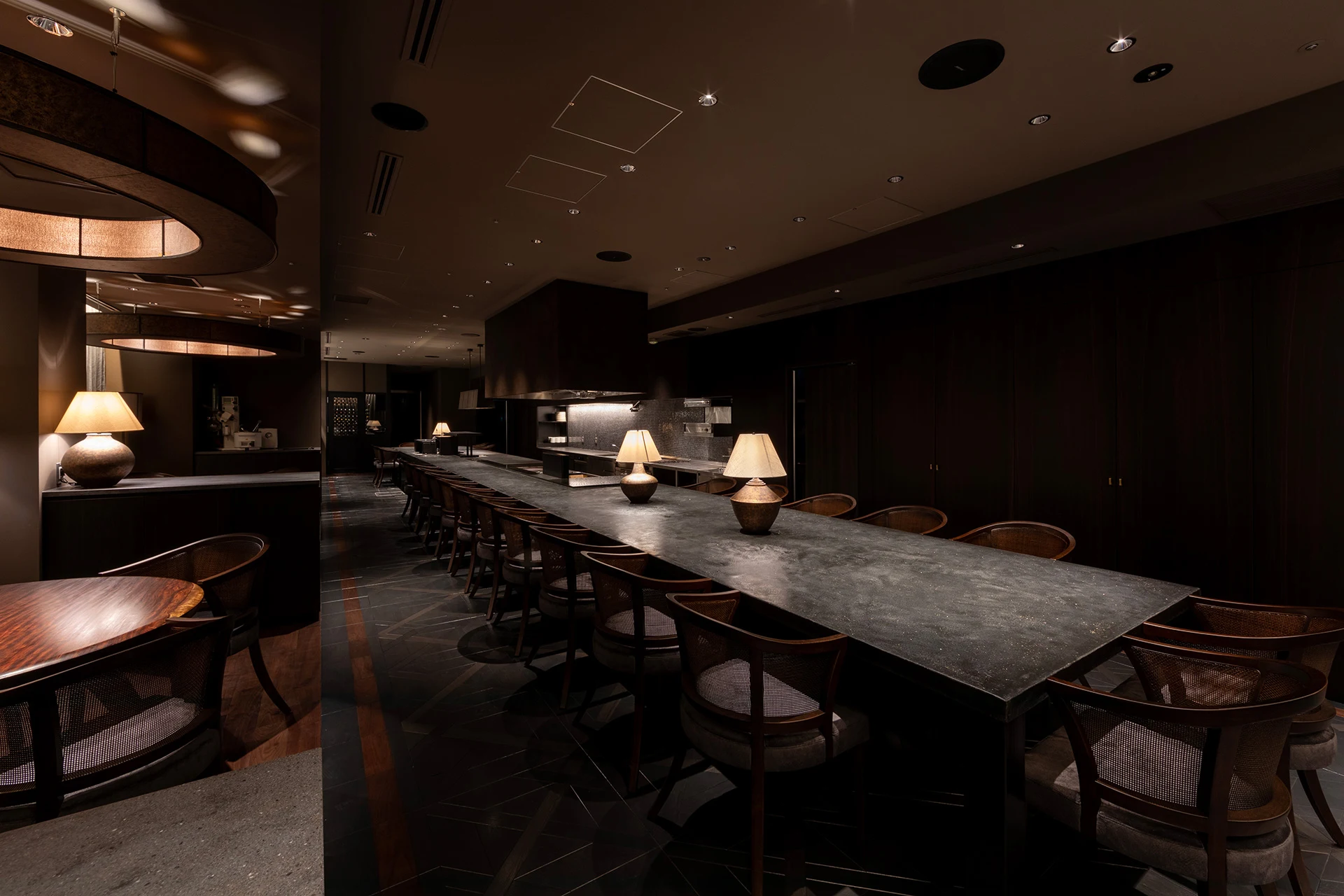
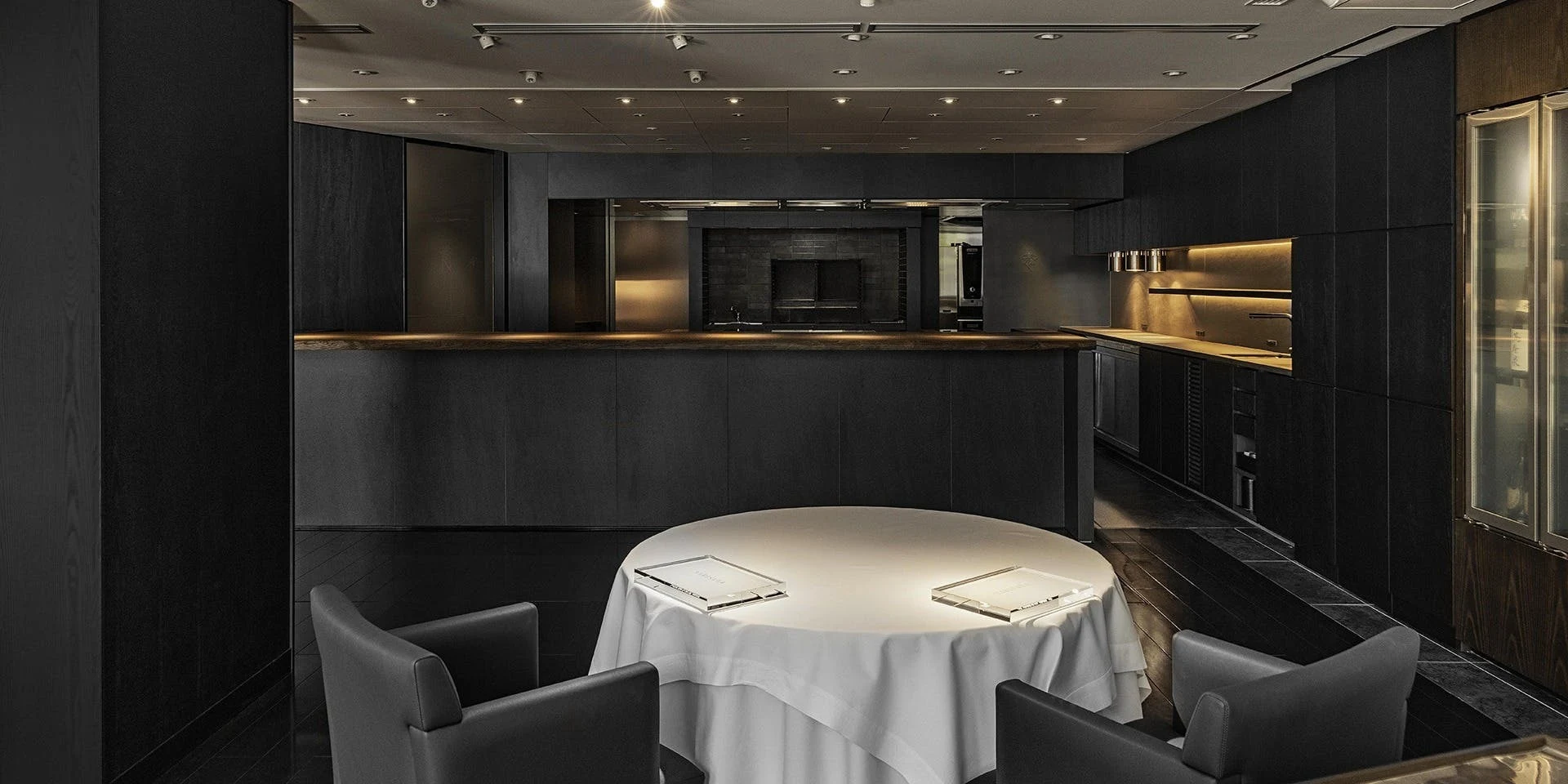
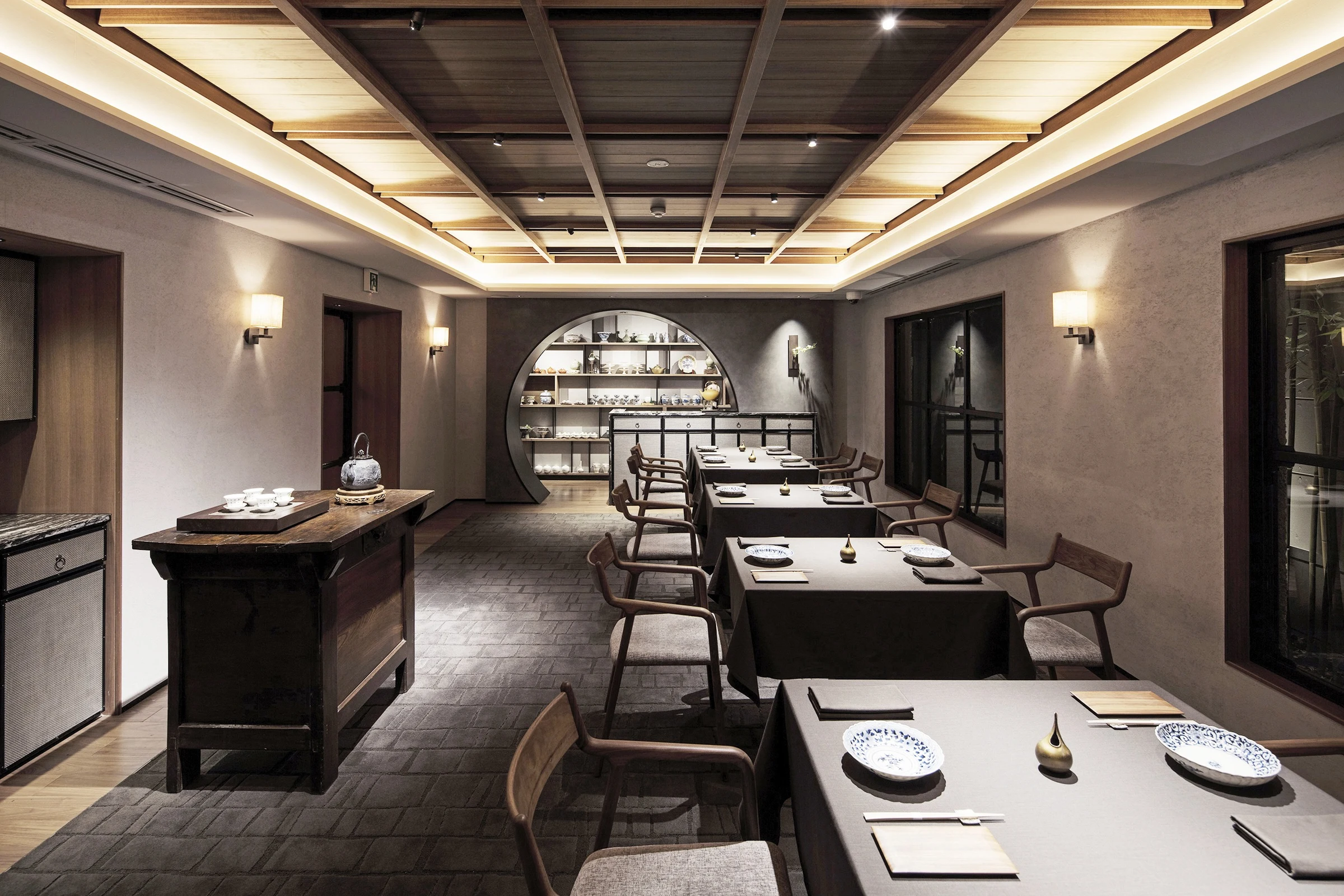
In Their Words “When I was looking for a new location for Alternative, I avoided newly constructed buildings and spots on busy streets.” The choice points to a preference for settings with age, texture, and restraint. For a chef, location is part of the work: the room carries the same pressure toward control and balance that the menu does. Here, the site is not a backdrop so much as another surface to be composed. “It's old Osaka food. I made it into French through my own filter. It is truly traditional cuisine, young cuisine.” That line describes the method plainly: take a traditional base, pass it through a personal filter, and keep the result active rather than sealed off. The useful part is the tension it names—old material, French handling, and a refusal to let either side harden into museum language. At Alternative, that becomes a working stance.
Career - Medical Doctor — Juntendo University, Department of Anesthesiology / Keisuke Yamaguchi's Lab, Tokyo, Japan - Chef — Alternative, Shirokane, Minato City, Tokyo, Japan - Medical Doctor — Juntendo University, Faculty of Medicine, Tokyo, Japan (2015–2016) - Medical Doctor — Juntendo University, Department of Anesthesiology, Tokyo, Japan (2015–2016)
FAQ What is Takayuki Saito known for? Builds on classical French technique and layers in Japanese and Chinese culinary elements with deliberate precision.