Chef
Tomoharu Nakamura
- Discipline
- Chef
- Based in
- San Francisco, California, United States
- Venue
- Wako · Restaurant
i. Biography
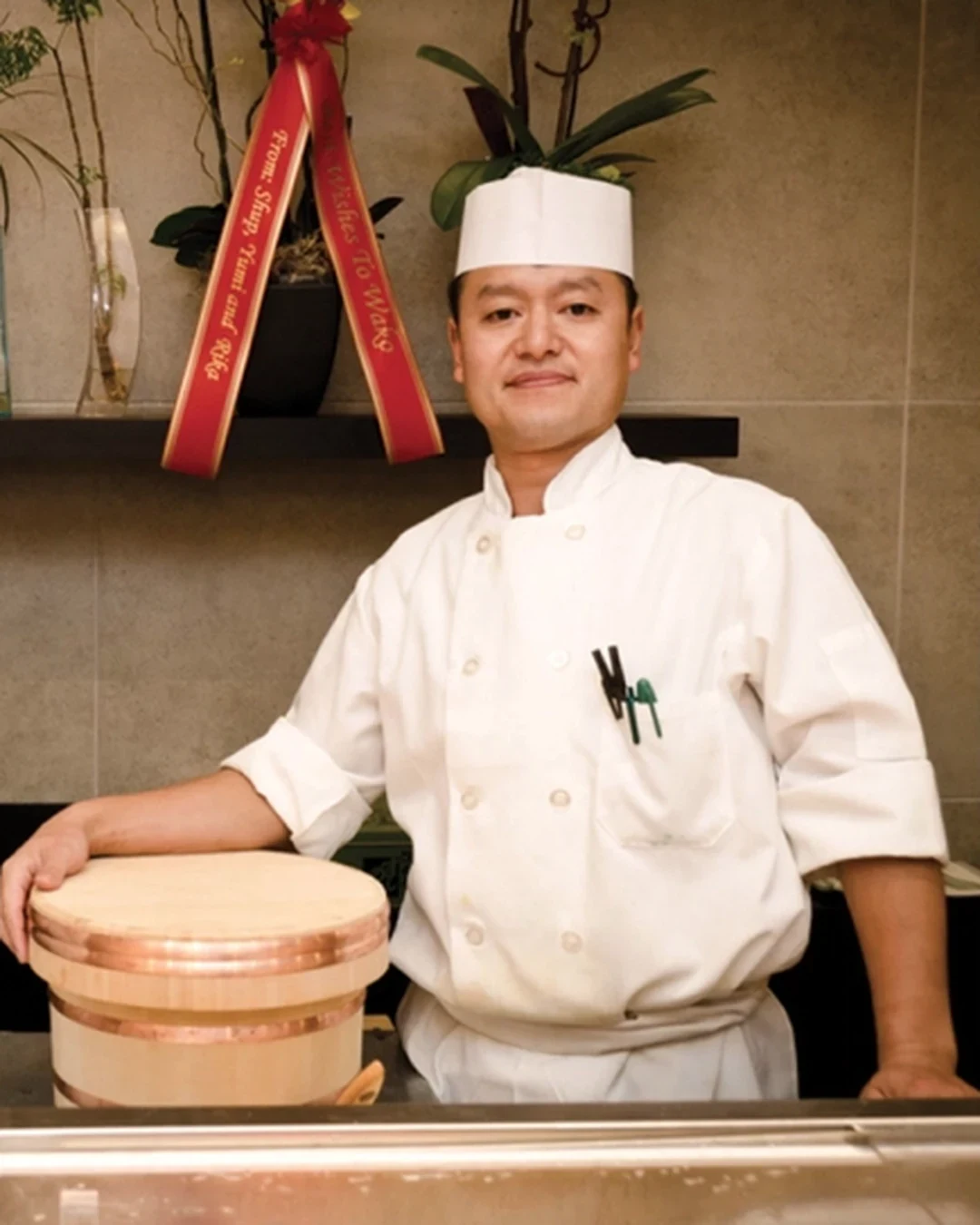
Before Tomoharu Nakamura became chef/owner of Wako in San Francisco, the work passed through practical rooms where seafood, sushi, kaiseki, and hospitality each imposed their own discipline. Matsuyama Jonan High School is the listed education; the early professional ground was restaurant work in seafood and sushi, followed by kaiseki at a ryokan, then hotel service, then sushi in the United States. By the time the counter had a defined omakase identity, the craft record already included ingredient handling, knife work, course progression, and guest-facing timing. “My first job, the first restaurant I worked at was a Japanese restaurant that served seafood and sushi. My first in depth experience was when I was around 18.” Tomoharu has said.
Coming Up
Seafood and sushi training begins with close handling: freshness, cut, timing, temperature, and judgment under repetition. The value of that station was practical rather than decorative: delicate ingredients expose weak touch quickly, and sushi service gives little cover for poor timing. Kaiseki added structure to that base. The craft demand shifts from the single precise bite to the controlled unfolding of a sequence. Hotel work broadened the service frame around the plate. San Francisco placed sushi technique in a different dining culture. As a sushi chef at Sanraku in San Francisco, United States, Tomoharu Nakamura brought training from Japan into a city shaped by local appetite and international expectation. The work remained counter-based and exacting, but the room and audience changed. Executive-chef work at Wako Japanese Restaurant gathers those prior registers into one kitchen: Osaka seafood and sushi, kaiseki, hotel and ryokan hospitality, and later sushi service in the city. Tomoharu Nakamura’s current role is best read through that accumulation of techniques and service habits rather than through title alone.
The Practice Today
Sushi and omakase define the restaurant’s specialty, with traditional omakase and Edomae-style sushi as the stated technical frame. In that setting, Tomoharu Nakamura works in a format built on sequence: the chef’s hand, the cut of fish, the temperature of rice, the order of courses, and the short window in which each piece is intended to be eaten. Omakase depends on trust, but in the trade it is also a matter of tempo and control. At the restaurant, the line from seafood and sushi work in Osaka to kaiseki at the ryokan and sushi and omakase in California gives the meal its working grammar: direct handling, paced progression, and disciplined service. Kaiseki contributes the sense of flow; early seafood and sushi work contributes attention to ingredient and handling; hotel and ryokan experience contributes awareness of the guest’s passage through the meal. The restaurant is shaped by those disciplines through traditional omakase and Edomae-style sushi, with restraint carried as a working method rather than a style claim.
Career - Executive Chef — Wako Japanese Restaurant, San Francisco, United States - Restaurant worker — Osaka, Japan - Kaiseki cook — Osaka, Japan - Hotel worker — Shiga, Japan - Sushi chef — Sanraku, San Francisco, United States Education: Matsuyama Jonan High School
Accolades
Recognition for this kind of work is measured against both craft precision and restaurant identity. Tomoharu's honors include Michelin star for Wako Japanese Restaurant (2019), Top Restaurants in North America recognition for Wako (2023), and Sushi Master's Competition winner three times. The awards place Wako Japanese Restaurant within a public record, while the craft record remains the longer one: seafood and sushi in Osaka, kaiseki, hospitality work in Shiga, sushi in San Francisco, and the ongoing discipline of omakase service.
FAQ What is Tomoharu Nakamura's current position? Tomoharu Nakamura is chef/owner. Where did Tomoharu Nakamura train or study? Tomoharu Nakamura trained at Matsuyama Jonan High School. What recognition has Tomoharu N