Chef
Tsai Jui-lang
- Discipline
- Chef
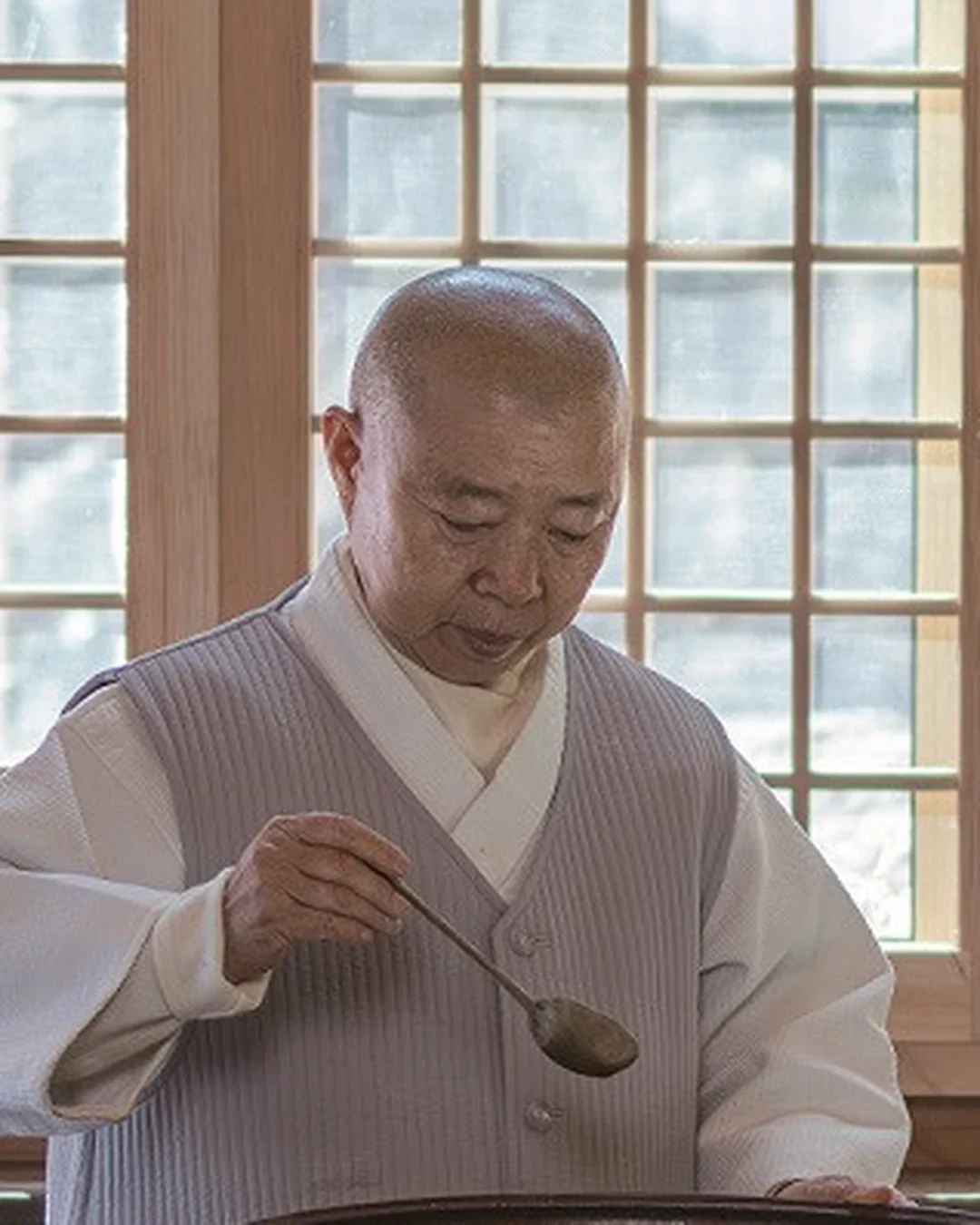
Portrait of Tsai Jui-lang
i. Biography
In Tsai Jui-lang’s cooking, time is handled as a material, not a backdrop. The line he has drawn between Taiwanese knife work and Hakka preserved ingredients, “a gamble with time”, names the method plainly: precision does the cutting, but patience carries the flavor.
The Path
At Mountain and Sea House in Taipei, Taiwan, the cooking under Tsai Jui-lang took shape around measured control rather than display. That post established a style attentive to balance: quiet in register, but exact in structure. at Man Yue Lou, the same discipline has been put to banquet scale, where the pace, sequencing, and table composition call for the same composure in a broader format.
The Work Today
At Man Yue Lou, the Chiang Family Gold Tea Banquet shows how tea, family, and ceremony can be built into the architecture of a meal. It is a banquet format that frames memory through service and sequence, with the table doing as much narrative work as the kitchen. The ancient charcoal roasted goose in two ways uses contrast to hold the dish together. Crispy goose skin wrapped in a fermented mustard green crepe brings crackle and fold; goose breast tossed with Beipu dried persimmons pulls in a darker fruit note. The two preparations work as one set, moving between texture and temperature without losing focus. The Hsinchu kitchen also uses form to carry substance in the cabbage and four spirits thick soup and the goldfish crystal dumpling. The soup gives the banquet table a concentrated, warming register; the dumpling turns refinement into a hand-shaped, nearly translucent piece of craft. In both cases, the technique is restrained, and the effect comes from how carefully the dish is set. Tsai Jui-lang has described Taiwan cuisine as “a flavor of human touch and a means for emotional connections. That line fits the cooking as it appears on the table: technical where it needs to be, but built to carry shared memory and public occasion through the same disciplined hand.
Career - Chef — Man Yue Lou, Hsinchu, Taiwan (2026–present) - Chef — Mountain and Sea House, Taipei, Taiwan (until 2026)
Signature
Tsai's signature dishes include roast suckling pig prepared three ways, Yilan-style goza, Chiang Family Gold Tea Banquet, ancient charcoal roasted goose in two ways, and cabbage and four spirits thick soup.
In Their Words “While Taiwanese cuisine emphasizes intricate knife work, Hakka cuisine is defined by its preserved ingredients — a gamble with time.” “I aim to shatter the stereotype of Hakka food as "salty and oily" by elevating it into a refined banquet experience.”
Acclaim
Recognition in this work comes through difficulty and scale. At Mountain and Sea House, roast suckling pig prepared three ways was a full-day preparation, and its price and booking challenge reflected the labor built into the dish. At Man Yue Lou, the public face of the cooking is the banquet itself: the Chiang Family Gold Tea Banquet, the two-part charcoal roasted goose, the thick soup, and the crystal dumpling each show how regional memory can be carried through a refined dining format without losing its structure.
FAQ What is Tsai Jui-lang's current role? Tsai Jui-lang is Chef. Where did Tsai Jui-lang work before? Tsai Jui-lang's earlier career included Mountain and Sea House.