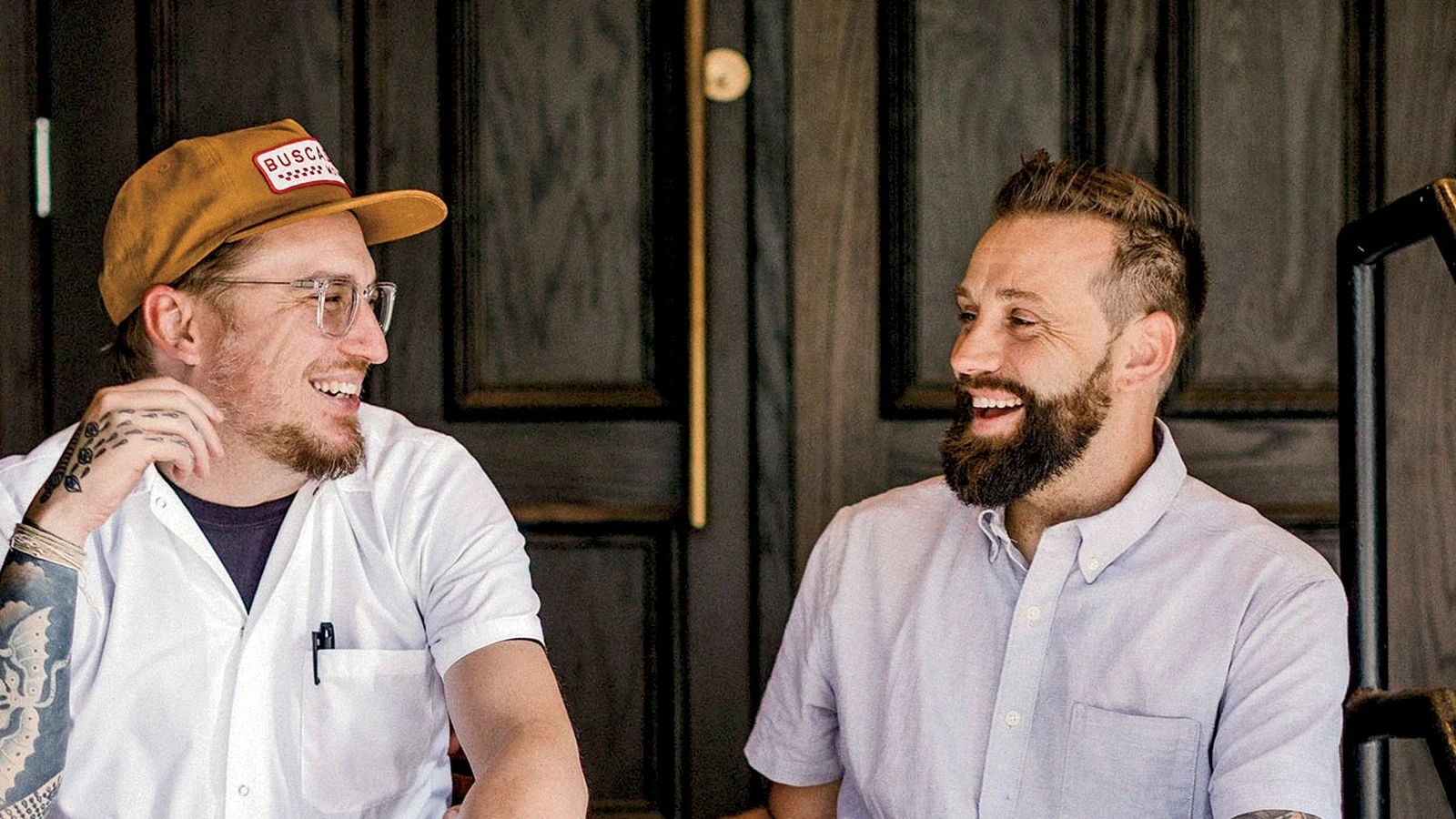
When Larry Feldmeier or Noah Sandoval left Oriole for a stretch, the check-in came by text, two words sent back toward the pass: all well. Feldmeier and Sandoval had spent years working side by side at Oriole, the two-MICHELIN-starred Chicago restaurant recognized by both the Michelin Guide and the James Beard Awards. The phrase measured the state of the kitchen, the team, the night. When the two chefs decided to open a second restaurant together, the name was already in their hands.
All Well Chicago restaurant opened in April 2026 with a format the team calls casual prix fixe. In practice, that means five courses shaped by fine dining technique, without the full tasting-menu frame built around it. The dining room seats diners in jeans. The approach comes from chefs with years at the Michelin level, now asking what that training can do without a dress code, a three-hour commitment, or the idea that technique needs theater to be understood.
What 'Casual Prix Fixe' Means at All Well Chicago
Casual prix fixe is not a shortened tasting menu. It is not fine-casual à la carte with a set menu attached. At All Well, the format sits between those models, bringing the discipline of a Michelin kitchen to a structure built for weeknight dining. The menu runs five courses. The technique is haute. The room is not.
Feldmeier, the restaurant's executive chef and co-owner, describes the goal plainly: you feel comforted when you walk in and know that the food and cocktails have been dialed in. That comfort comes from the team's pedigree, and from the removal of fine dining's usual points of friction. No dress code. No assumption that the meal will run past two hours. No test of the diner's ability to read a sixteen-course procession of unnamed plates.
The casual prix fixe model keeps what matters in fine dining, precision, sourcing, technique, and lets go of what does not. It assumes the diner wants to taste what a Michelin-trained chef can do with a single protein or vegetable, without giving the whole evening over to the meal. It assumes technique is worth paying for, but formality is not. The format is gaining traction in Chicago as an answer to the fine-casual movement, which often trades ambition for ease. All Well keeps the ambition on the plate.
The Oriole Lineage Behind the Format
Noah Sandoval is All Well's chef-partner. His work at Oriole, where he and Feldmeier spent years refining the cooking that earns Michelin recognition, gives the new restaurant its technical base. The pedigree matters because casual prix fixe, in these hands, is not a cost-cutting move or a gimmick. It is a chosen format from chefs who have already proved they can work at that level.
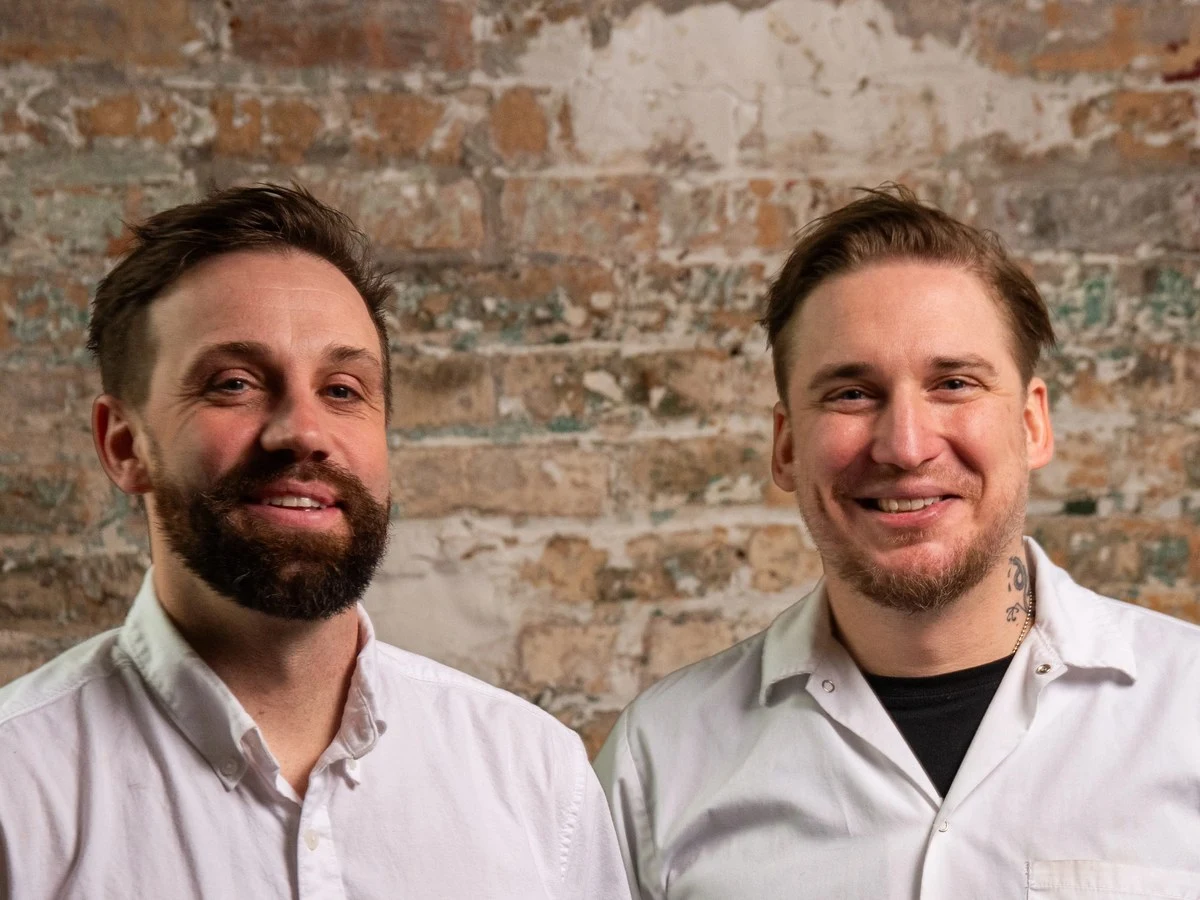
The name itself comes from the rapport built over years on the bench. "When I was working at Oriole with Noah [Sandoval, All Well's chef-partner], when one of us was out of town, we'd check in with each other, and we'd text 'all well,'" Feldmeier said.1 The phrase tracked the kitchen, the team, the service. It told them whether the night was holding. When the two chefs decided to open a second restaurant, the name felt inevitable.
Oriole's Michelin stars and James Beard recognition give All Well standing in a crowded Chicago dining market. Diners booking ahead are not gambling on an untested idea. They are following chefs whose work they already know into a format those chefs believe deserves their time. The Oriole lineage also sets the measure for the kitchen's technical capacity. When a casual prix fixe menu promises five courses of fine dining technique, the question is whether the kitchen can carry it. For anyone familiar with Sandoval and Feldmeier's work, that question has a history.
The team brought in collaborators with similar credentials. Maxx Kleiner, the bar director, worked with Feldmeier at Oriole. Mary Christie, the general manager, worked with Sandoval years ago and joined All Well after Sandoval identified her as the right fit for the program. The sous chef also came from Feldmeier's network. Hiring moved through word of mouth and prior working relationships, a method that puts trust and shared standards ahead of résumé breadth.
Why Chicago Diners Are Booking Ahead
Chicago's fine dining landscape includes multiple Michelin-starred restaurants, but few have tried to bring that level of technique into a format meant for regular rotation rather than special occasions. All Well occupies the space between the city's high-end tasting-menu rooms and its fine-casual à la carte spots. The format speaks to diners who want the craft and precision of a Michelin kitchen without the time, expense, and formality of a full tasting menu.
The three-week booking window reported after opening also showed the weight the Oriole name carries in Chicago. Diners who know Sandoval and Feldmeier's work there are willing to book weeks ahead to see what those chefs do when they loosen the constraints of fine dining orthodoxy. The wait times suggest the market has room for this format: accessible fine dining from credentialed chefs who are not softening the technique.
The demand also points to the limits of the broader fine-casual movement. Many fine-casual restaurants prize approachability over ambition, serving well-executed but safe menus that do not press technique or sourcing very far. All Well's casual prix fixe model suggests an appetite for a middle path: restaurants that keep fine dining's technical standards and discard its least accessible habits. The early booking demand indicated Chicago diners would plan ahead for that kind of meal.
What's on the Menu: Technique Without the Tasting-Menu Theater
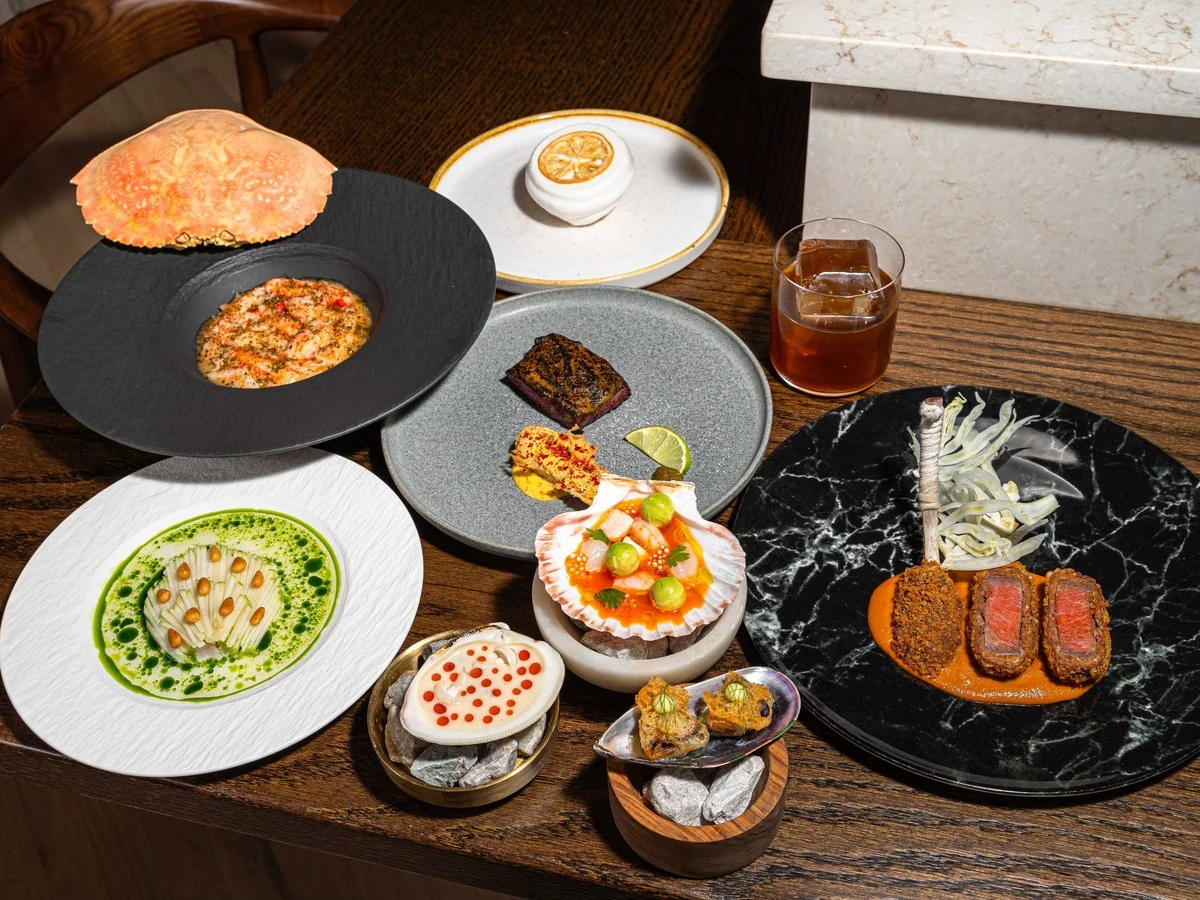
The five-course menu at All Well applies haute techniques to approachable dishes, leaving behind the formality and duration of traditional tasting menus. The structure is fixed, but the execution follows the precision and sourcing standards associated with Michelin-level cooking. The goal is to deliver fine dining technique without asking diners to decode the menu or commit to a three-hour progression.
The menu changes regularly, following seasonal availability and the kitchen's interest in particular techniques or ingredients. The five-course structure lets the kitchen concentrate on a small number of dishes each service, so each plate gets the attention it would receive in a tasting-menu kitchen. The format also gives diners a range of techniques and ingredients without the fatigue that can come with longer menus.
The cocktail program, developed by bar director Maxx Kleiner, follows a related method. The drinks carry technical ambition without turning obscure. The goal is to offer cocktails held to the same craft standards as the food, without requiring a sommelier's guidance to order. The bar program supports the casual prix fixe format by keeping the standard high and the path to the glass clear.
The absence of tasting-menu theater is deliberate. There are no unnamed courses, no elaborate plating rituals, no expectation that the diner will spend the evening interpreting the chef's intentions. The food arrives clearly. The technique speaks through the work. The format assumes the diner is there to eat well, not to take part in a performance.
How to Book All Well and What to Expect
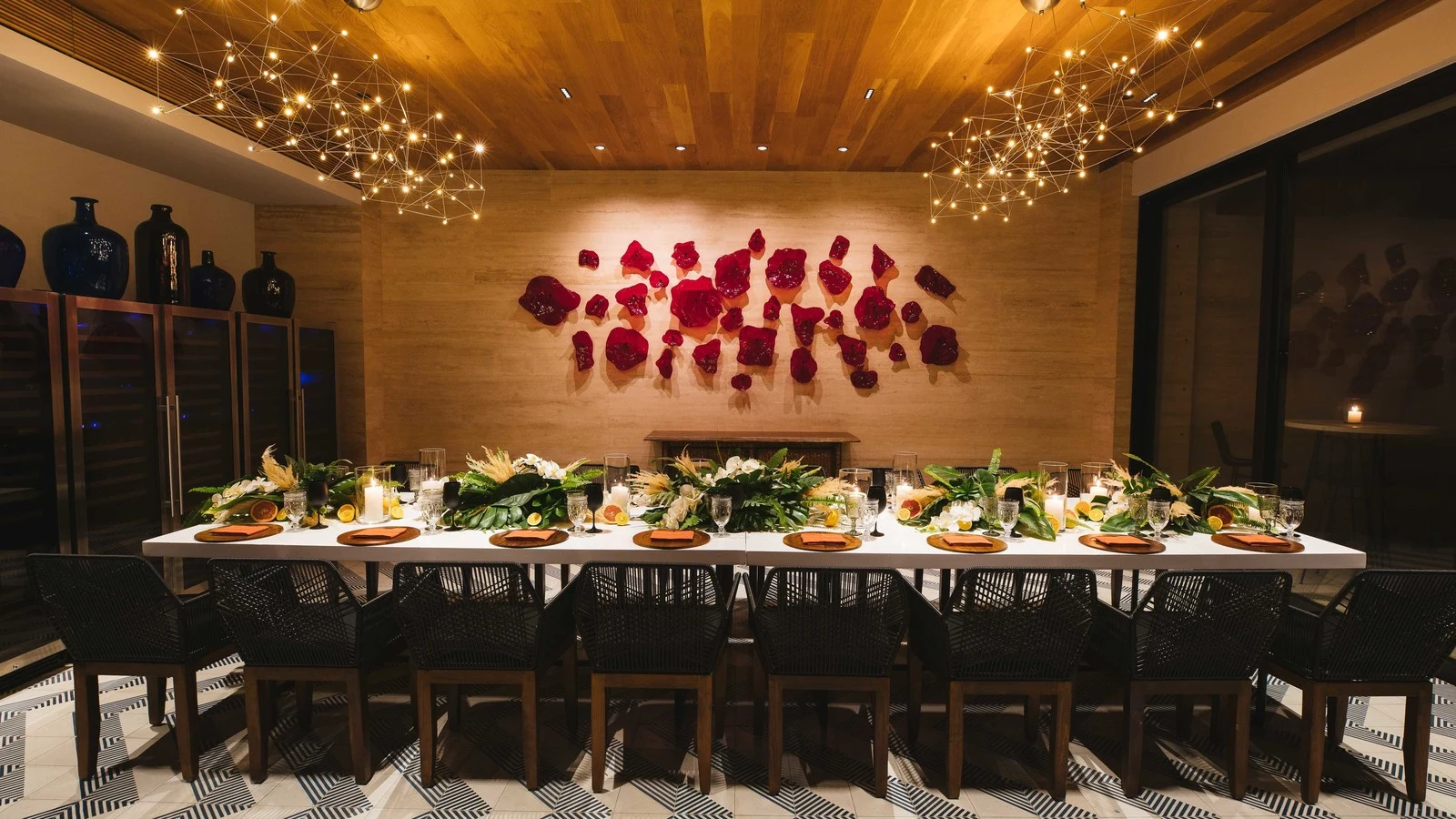
The dining experience at All Well is designed to feel comfortable rather than formal. There is no dress code. Service is attentive but not intrusive. The meal typically runs under two hours, making it feasible for weeknight dining. The five-course format gives enough range to show the kitchen's reach without the time commitment of a traditional tasting menu.
The restaurant opened in April 2026 after last-minute supply chain issues. Glassware and plates ordered months in advance arrived late, forcing the team to scramble in the final week before opening. Some staff members did not start until opening day, arriving from other cities or positions. The team describes the opening itself as smooth, despite the pre-opening challenges.
For diners planning a visit, the casual prix fixe format means Michelin-level technique without the formality or duration of a traditional tasting menu. The kitchen is run by chefs with years of experience at Oriole, a restaurant recognized by both the Michelin Guide and the James Beard Awards. The bar program is developed by a director who also worked at Oriole. The general manager and sous chef both have prior working relationships with the chef-partners, so the service and kitchen execution come from shared standards.
Reservations are handled through Tock. All Well is at 111 N. Carpenter Street and opens Wednesday through Sunday from 5 p.m. to midnight; diners interested in the casual prix fixe format should check live availability and book ahead. The restaurant's location in Chicago places it within the city's competitive fine dining market, but the format and pedigree separate it from both traditional tasting-menu destinations and fine-casual à la carte spots.
All Well points to a shift in Chicago fine dining, one that keeps access in view without giving up technique. The casual prix fixe model assumes diners want to taste what Michelin-trained chefs can do, but do not want to give an entire evening to the experience. The early demand suggested the market was ready for that proposition.