All Well Chicago Restaurant Opens With Casual Prix Fixe From Oriole Team
The Michelin-starred Oriole team launched All Well in April 2025, testing whether five-course dining can shed tasting-menu formality and draw neighborhood diners in downtown Chicago.
HM
Director of Editorial Standards
Hugo Marchetti
Filed July 23, 2026
8 min read
All Well opened in April 2025 with a calculated bet: that five-course dining could shed the formality of tasting-menu culture and draw both neighborhood regulars and late-night industry workers in downtown Chicago. The restaurant comes from the team behind Oriole, a fine dining establishment recognized by both the Michelin Guide and the James Beard Awards. Larry Feldmeier, executive chef and co-owner, and Noah Sandoval, chef-partner, built the concept around a question the city's dining scene has been circling for years, can prix fixe dining feel approachable without losing its craft backbone?
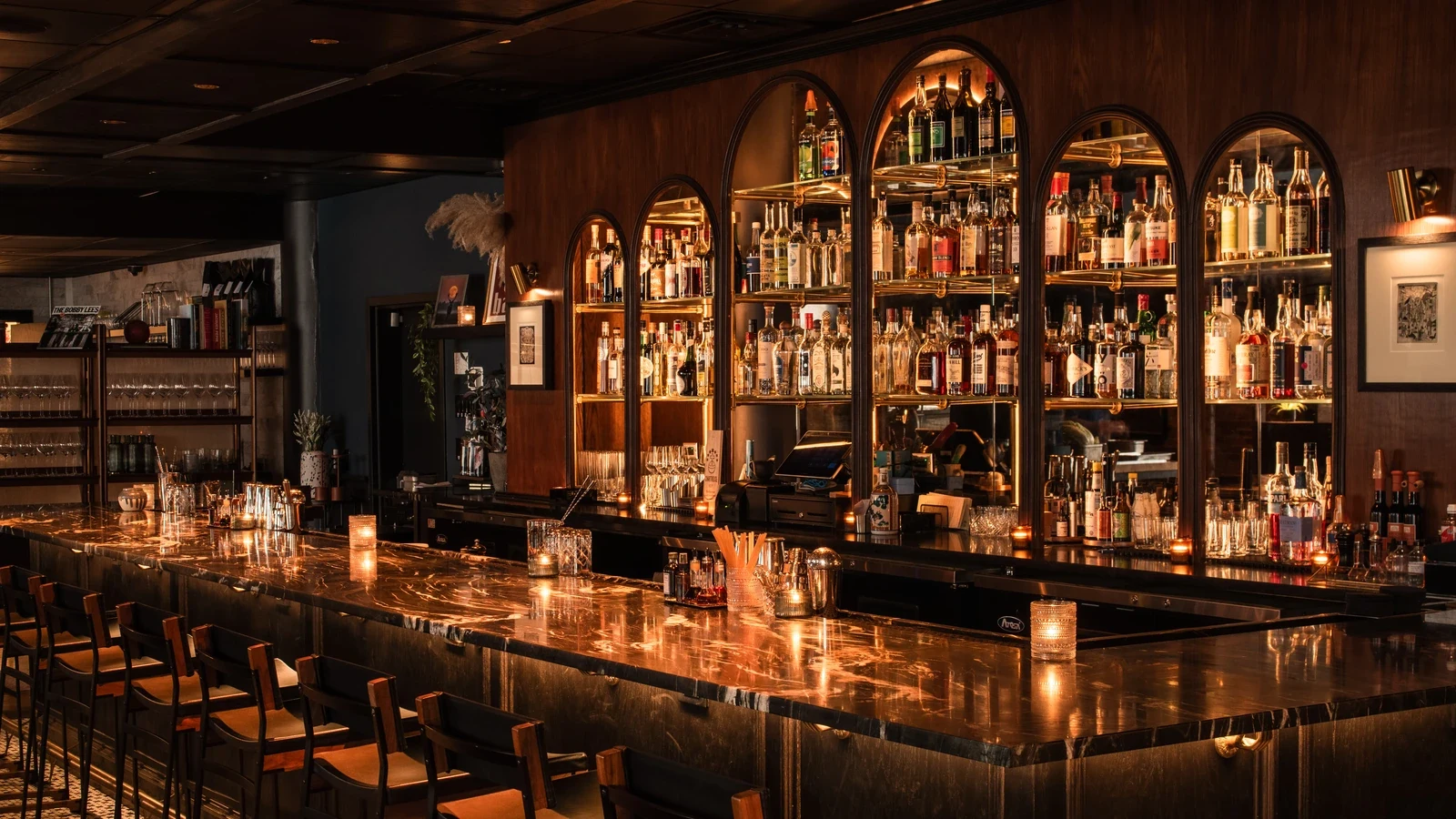
The answer, so far, has been shaped by the space itself. All Well occupies a long room with pillars down the middle, a layout that naturally divides into two zones: a main dining room offering five courses, and a bar serving food until midnight a la carte. The dual format reflects the team's intent to serve multiple audiences in a single evening, diners looking for a composed meal and hospitality workers finishing late shifts with nowhere else to go.
The Sunday letter
Get our new stories in your inbox every Sunday.
One email with our newest profiles and guides. See a sample before you subscribe.
What Makes All Well Chicago's Casual Prix Fixe Experiment Worth Watching
The Oriole team is testing whether five-course dining can shed tasting-menu pretense and attract a broader audience in downtown Chicago. The restaurant's name itself signals the shift in tone. Feldmeier and Sandoval used the phrase "all well" as a check-in text when one of them was out of town during their years working together at Oriole. The shorthand became the restaurant's identity, a signal of rapport, not refinement. "We want people to realize that this isn't uptight. It's fun, and you can be loud and messy," said Larry Feldmeier.1
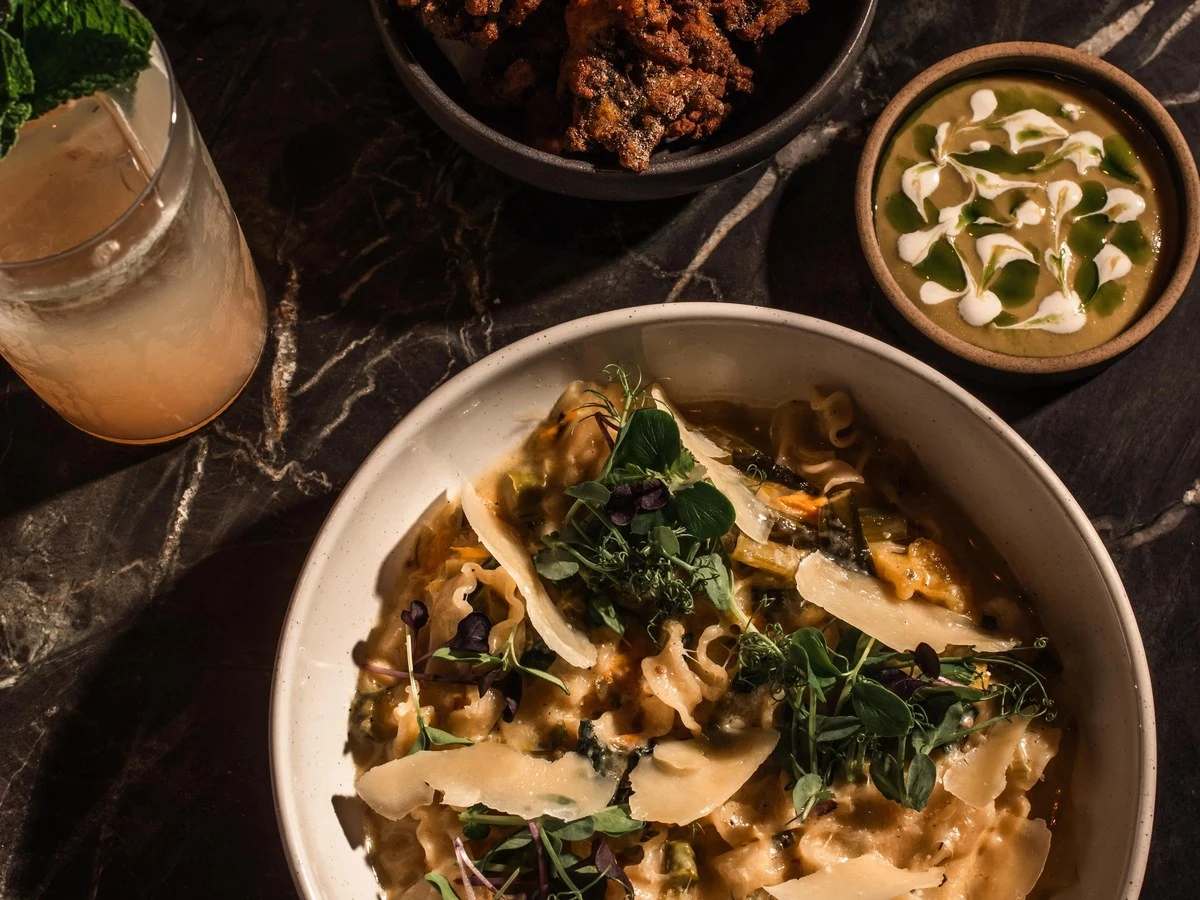
All Well Chicago offers a late-night a la carte menu, including stuffed pasta Délice de Bourgogne, in its downtown Chicago bar area.
The clientele mix has evolved since opening. Approximately 60 percent of initial guests were Oriole regulars, a base that provided early momentum but also risked positioning All Well as an extension rather than a standalone concept. That balance has started to shift as the restaurant establishes its own identity. The five-course structure at All Well is fixed in sequence but designed to feel less formal in execution, bigger portions, family-style pasta courses, and dishes that invite interaction rather than observation.
The timing of the opening compressed the usual runway. The team secured the space in January 2025, started construction in February, and hired most of the staff in the first week of April. Friends and family service followed the next week. Feldmeier describes the approach as trial by fire, relying on experienced management to work stations and set processes before handing them off to the full team. Mary Christie, the general manager, had worked with Sandoval years earlier; Maxx Kleiner, the bar director, had worked with Feldmeier at Oriole. The sous chef also came from a prior collaboration.
The Oriole Pedigree Behind the Pivot
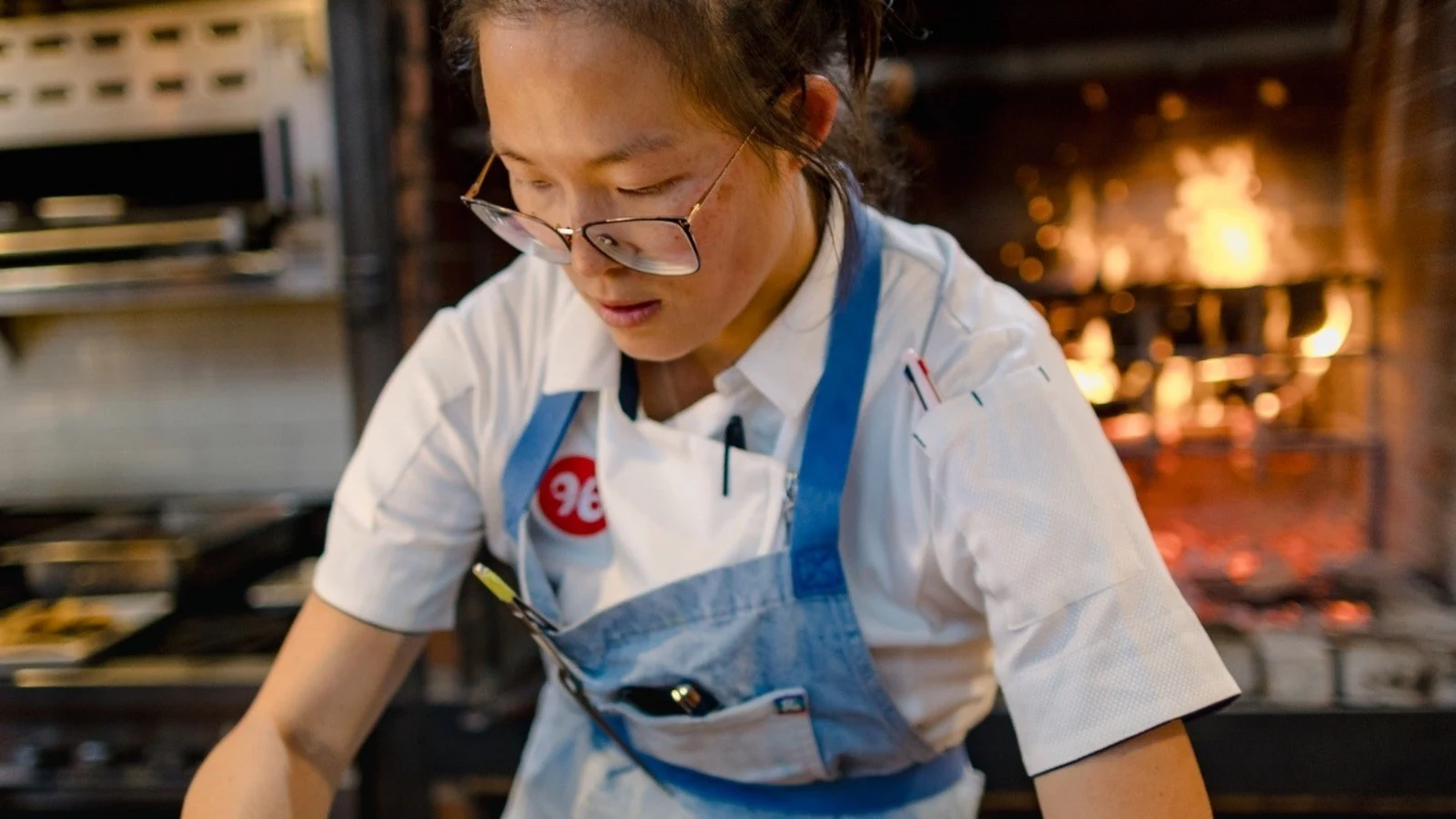
The chef's Michelin-starred background provides credibility for the casual prix fixe model. Feldmeier has spent 20 to 25 years in fine dining, with stints at hotels that taught him the financial discipline required to sustain a restaurant beyond the quality of the food. That experience shaped the decision to build All Well as a concept distinct from Oriole, not a second location or a scaled-down version of the flagship. Sandoval's involvement as chef-partner anchors the menu's technical backbone while allowing Feldmeier to lead the day-to-day execution and team structure.
The Oriole connection matters less for its accolades than for what it signals about the team's ability to execute under pressure. Michelin-level training translates to consistency in prep, timing, and plating, skills that apply whether the setting is a tasting-menu counter or a neighborhood dining room. The pivot to casual prix fixe reflects a broader shift in how chefs trained in fine dining are rethinking format and audience.
The challenge lies in managing expectations. Diners who know Oriole arrive with assumptions about precision and refinement; neighborhood diners unfamiliar with the team may not understand the technique embedded in dishes that read as casual on the menu. Feldmeier's goal is to let the food carry the story without requiring a preamble.
Five Courses, No Pretense: How the Menu Works
The prix fixe structure balances chef-driven composition with approachable execution and pricing. Feldmeier describes the menu philosophy as straightforward: everything must taste good and be done properly. The team avoided the impulse to reimagine childhood memories or construct narrative arcs around each course. Instead, the focus is on dishes the chefs want to eat when they go out, food that feels complete without requiring explanation.
The family-style pasta course exemplifies the approach. The dish involves stuffed pasta with a Délice de Bourgogne and potato filling, glazed in beurre monté with English peas, Banyuls vinegar, and pea tendrils. The dish is served in a copper pot with sourdough toast from Milli bakery in Chicago, lathered in buckwheat honey butter with puffed greens for texture. A side of smoked chicken broth arrives separately, allowing diners to scoop pasta into bowls, add broth if desired, and dip the bread. The technique is present but not announced, a deliberate choice to avoid the didactic tone that can accompany tasting-menu courses.
Other dishes follow a similar logic. The bar menu includes fried fish, a format that would feel out of place in a tasting-menu setting but makes sense in a late-night a la carte context. The goal is to signal that All Well is not uptight, that diners can be loud, messy, and comfortable without sacrificing the quality of what they're eating. The five-course format in the main dining room provides structure without the rigidity of a longer tasting menu, allowing the kitchen to maintain consistency while keeping the meal length manageable.
The Late-Night Bar Play for Industry Workers
Midnight service targets hospitality professionals and extends revenue beyond dinner seatings. The bar at All Well serves food until midnight a la carte, a decision driven by the team's observation that late-night dining options in downtown Chicago have thinned over the past decade.
Feldmeier notes that five to ten years ago, restaurants in the area stayed open until 1 or 2 in the morning; now, finding anything decent after 10 p.m. is difficult.
The bar is designed to serve cooks finishing late shifts, neighborhood residents looking for a drink and a sandwich before heading home, and anyone else who wants food outside the traditional dinner window.
The dual format, prix fixe dining room and a la carte bar, allows the restaurant to capture multiple revenue streams in a single evening. The bar extends the kitchen's operating hours without requiring a full dining room staff, and the a la carte menu provides flexibility for guests who want a single dish or a drink rather than a multi-course meal. The layout of the space, with pillars dividing the room into two zones, made the dual format a natural fit.
The late-night strategy also reflects the team's roots in hospitality. Feldmeier and Sandoval have both worked long shifts in kitchens where post-service meals were a ritual, and they wanted to create a space that serves that audience. The bar menu includes dishes that read as casual but carry the same technical rigor as the dining room. The midnight closing time is both a service to the neighborhood and a calculated business decision, extending the restaurant's operating window and capturing demand that would otherwise go unmet.
Practical Details: Reservations, Pricing, and Hours
All Well is located in downtown Chicago's most popular food area, a corridor with high restaurant density and strong foot traffic. The restaurant opened in April 2025 after a compressed construction and hiring timeline. The main dining room offers a five-course prix fixe menu, while the bar serves food until midnight a la carte. Early demand has been strong given the Oriole team's reputation and the buzz around the opening.
The five-course format is designed to be approachable in both time and cost. The bar menu provides an even lower barrier to entry, with a la carte options that allow guests to order a single dish or drink without committing to a full meal. The team's approach to service reflects the same philosophy that shaped the menu: quality without pretense. Staff training was minimal by design, relying on experienced hires who could adapt quickly and contribute to shaping processes on the fly.
For diners planning a visit, the dining room offers the full five-course experience, while the bar provides flexibility for walk-ins and late-night service. The restaurant's location in downtown Chicago makes it accessible for both neighborhood regulars and visitors exploring the city's dining scene. The dual format means there are multiple ways to experience All Well depending on what a guest is looking for, a composed meal, a late-night bite, or a drink at the bar before heading home.
The opening has been smooth by Feldmeier's account, with the main challenges coming in the week before launch when glassware, plates, and other items ordered months in advance were delayed. The team adapted by covering gaps until the full inventory arrived.
The bigger test will be sustaining the dual format over time and continuing to refine the menu and service as the restaurant settles into its identity.
For now, All Well represents a bet that casual prix fixe dining can work in Chicago, that five courses can feel approachable, that late-night service can draw a loyal audience, and that a Michelin-trained team can build something distinct from the restaurant that made their names.
The Sunday letter
Get the next Made By guide in your inbox.
We send one email every Sunday morning with the guides and profiles we published that week.