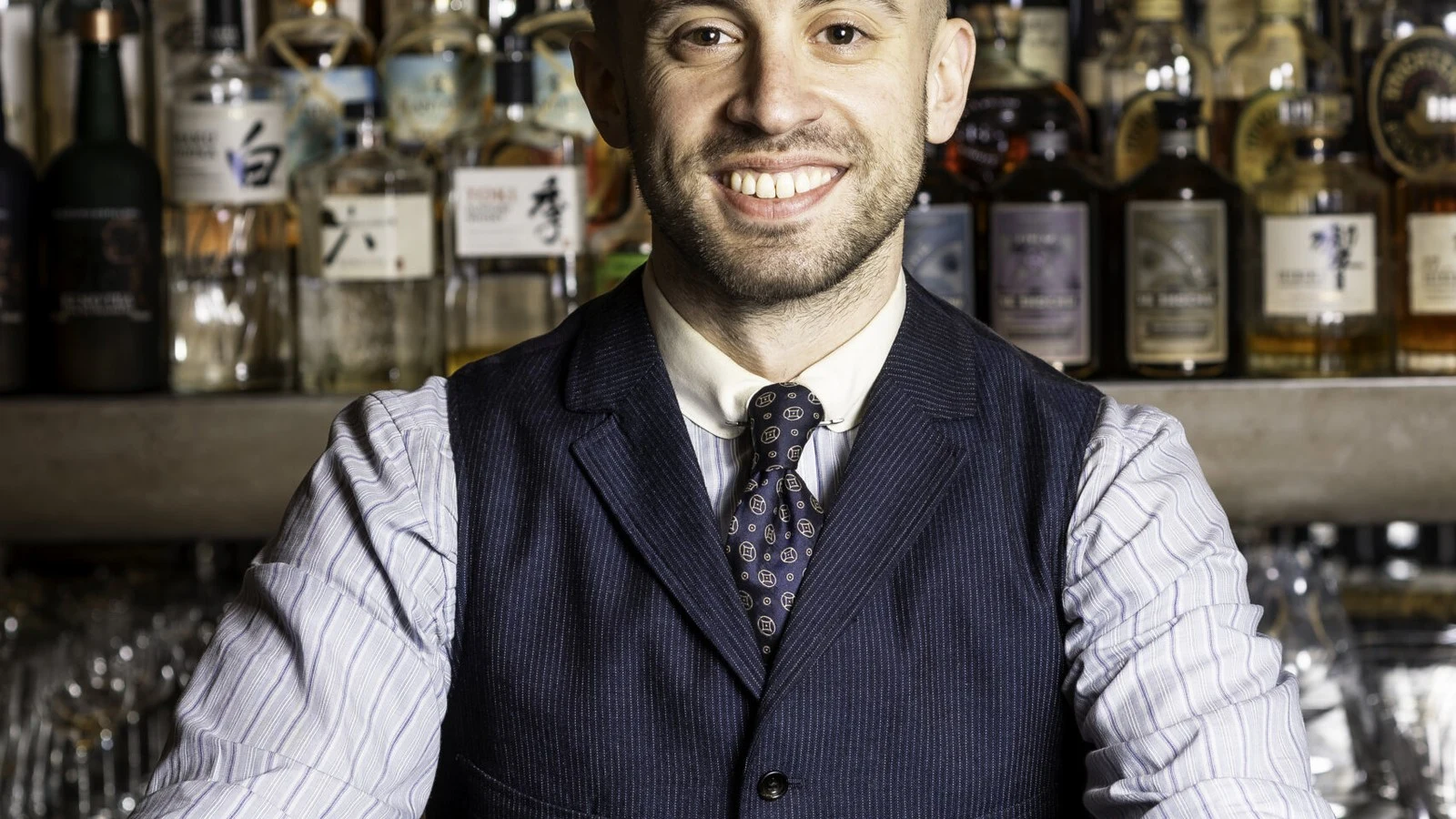
Ben Yabrow worked his last shift behind the Sip & Guzzle bar on the Friday before the room reached number one on the 50 Best Bars in North America 2026 list in April. He still went to the awards ceremony. He watched the bar he helped open take the top spot, then kept to the plan he had carried for nearly a year. Long before the accolades arrived, Yabrow had told co-founders Shingo Gokan and Steve Schneider that he intended to open his own bar in New York City. In the coming months, he will open a two-part venue built around sustainability, a working team culture, and the daily discipline of service rather than the chase for rankings.
Why Ben Yabrow Left Sip & Guzzle
Yabrow joined the opening team at Sip & Guzzle, which launched in early 2024. Alongside Gokan and Schneider, he built the bar program from its first mise en place, shaping the menu and training the staff through the first year of service. By April 2026, when Sip & Guzzle topped the 50 Best Bars in North America list, he had already made the call to leave. He told the co-founders nearly a year before his departure, giving the team time to work through the handoff.
The timing recalls an earlier turn in his career. In 2023, Yabrow left his post at Double Chicken Please less than a week before it was named the Best Bar in North America. He has now left two bars just before each claimed the top spot on the continent. According to The Spirits Business, Yabrow said he has been joking that he has twice helped get a bar to number one, but has never worked at the number one bar on North America's 50 Best. The pattern is not accident; it is the mark of a bartender who steps off the station before his attention divides.
The decision to leave Sip & Guzzle came down to focus. Yabrow told The Spirits Business that it was not fair to a bar of that caliber to have their head bartender not 100% focused on the bar, and that to get his own thing open, things would start falling through the cracks.
He left while the program was strong rather than work between two benches. His last shift was the Friday before the 50 Best awards; he attended the ceremony, saw the bar win, and closed that chapter.
That meant leaving a program he had helped build at the moment the wider industry was looking at it most closely. It also meant leaving the hands, habits, and service rhythm of a team he had trained from the opening year.
The Dual-Concept Bar Model Yabrow Is Building
Yabrow's new bar will be in New York City, though he has not yet disclosed the exact address or the venue's name. According to The Spirits Business, he told the publication that he does not want to speak prematurely because he thought they had a space twice and then it got leased out from under them. The search for a location has been protracted, but the space they have now secured will shape the bar's structure. The lost leases sit behind the opening as part of the method; Yabrow is building without the cover of an established brand or a deep-pocketed hospitality group behind him.
I've been joking that I've twice helped get a bar to number one, but I've never worked at the number one bar on North America's 50 Best1
Ben Yabrow, Head Bartender
Like Sip & Guzzle, Double Chicken Please, and the SG Club before it, the new bar will run as a dual concept. Yabrow told The Spirits Business that he swore he would never do a dual concept again after working on three in a row, but the space they found just lends itself to that format. One side will be more casual and straightforward; the other will be more elevated, though still accessible enough that guests can arrive in a T-shirt. The elevated side will feature drinks that are very technical and hyper-focused, according to the source.
Yabrow has chosen his business partners for what their own bars show on the numbers. He told The Spirits Business that times are tough for a lot of businesses, and that he chose partners whose bars pull very good profit margins. The point is to build a venue that can carry itself financially without depending on awards or press to fill the room. The dual-concept format serves that work by using the footprint for two price points under one roof and more revenue per square foot. The wager is plain: a bar run with discipline can stand without chasing the list.
Sustainability and Team Culture Over Awards
Yabrow is not opening the bar to win awards. He told The Spirits Business that the lists are great, the awards are great, but they are not everything, and it is not why bartenders do the work. He added that it is certainly not a goal they have set out for the new spot, and that any bar opening to win awards is doing it for the wrong reasons. The comment places the focus back on service, staffing, and whether the program can be healthy after the first rush fades.

Still, Yabrow acknowledged that peer recognition has weight. He told The Spirits Business that whenever anyone says they do not care what other people think, he assumes that is not 100% true, and that by nature, hospitality professionals have to care what people think because the whole goal is to make other people feel better.
He is speaking plainly about the tension between building something sustainable and wanting the work to be seen.
His CV includes three bars that have topped or ranked highly on the 50 Best Bars lists; the new bar will be the first where he shapes the culture from day one, and where he can test whether a program built around team satisfaction can stand beside venues built around accolades.
Profitability comes first. Yabrow told The Spirits Business that rather than getting to number one on the list, his first concern is profitability, and that he selected his business partners because their bars pull very good profit margins. The bar will need to cover its costs and pay its staff fairly before it can afford to think about accolades. The dual-concept model is meant to support that goal with two revenue streams and less waste through the sustainability program.
The second mission is making the bar a great place to work. Yabrow told The Spirits Business that his main goal is that the team are happy and comfortable and that they are getting as much out of it as the bar is getting out of them, if not more, and that he really wants them to accomplish their goals.
He has spent years in high-pressure, high-profile bars and has seen how the pursuit of awards can wear down a team. In his own room, he wants staff retention and professional development to matter as much as the drink list.
The structure is specific: Yabrow is building the bar so that the team's goals sit beside the bar's revenue. The months after opening will test that conviction in service.
The sustainability program is not a decorative value statement; it is part of the operating plan. The smaller bar will use waste from the larger bar, turning what one station would discard into ingredients for the next service. The approach lowers costs, tightens the supply chain, and gives the team a visible read on the impact of its work. It also tells guests, through the glass rather than a slogan, how the bar intends to work.
What This Means for New York's Cocktail Scene
Yabrow's departure from Sip & Guzzle sits within a wider pattern in New York's cocktail scene. Bartenders who have spent years building programs at high-profile venues are leaving to open bars where they can set the culture, the economics, and the creative direction themselves. The shift marks a new stage for the craft cocktail industry; the first generation of bartenders who came up through the 2010s cocktail renaissance are now in their mid-thirties to early forties, with the experience and the capital to start their own rooms.
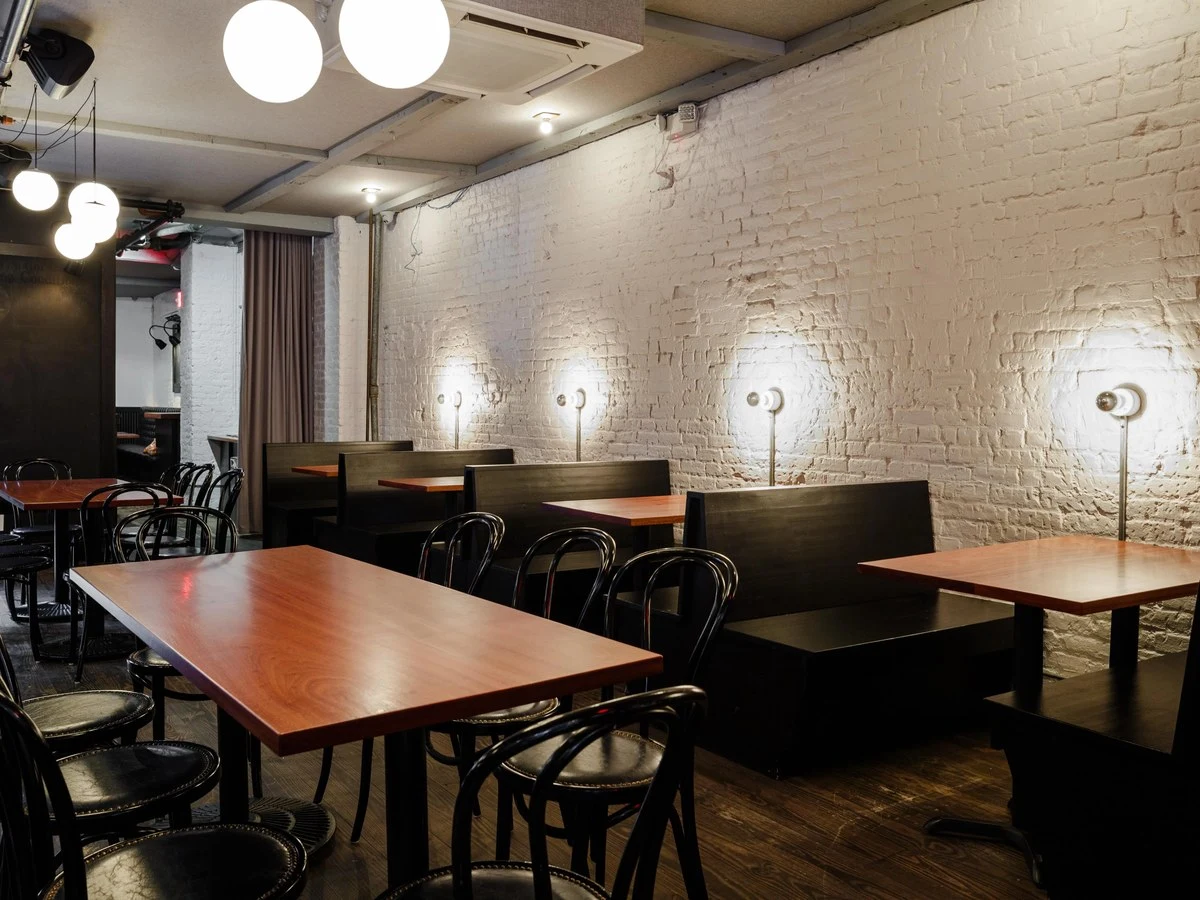
The dual-concept model has become familiar in New York, where real estate costs make a single-concept bar difficult to sustain on a small footprint. Two distinct experiences under one roof can reach different guests and increase revenue per square foot. Yabrow has now worked on three dual-concept bars; his new venue will be the first where he has full control over both sides.
The sustainability emphasis is also gaining ground. Bars like Existing Conditions and Dante have built waste-reduction programs into their operations, using spent ingredients to make syrups, infusions, and garnishes. The practice is not yet universal, but more bartenders are using it to reduce costs and cut waste. Yabrow's waste-integration model, where the smaller bar uses byproducts from the larger bar, carries that method one step further.
The focus on team culture is harder to see from a barstool, but it matters just as much. Bartenders who have worked at top-ranked bars often describe the work as grueling, with long hours, high turnover, and steady pressure to hold the program's reputation. Yabrow's stated goal of making the bar a great place to work, where the team is happy and comfortable and getting as much out of it as the bar is getting out of them, answers that culture directly. If it holds, the bar could become a model for other bartenders trying to build programs that last.
Yabrow's record will draw attention. He was part of the opening teams at Sip & Guzzle and Double Chicken Please, both of which topped the 50 Best Bars in North America list shortly after his departure. His CV also includes time at the SG Club. The Ben Yabrow new bar will be watched by peers, critics, and guests who want to see what he builds when he is not working under someone else's vision. The pressure is real, but Yabrow has said he is not chasing awards. The bar will have to stand on its own terms, measured by profitability and team satisfaction rather than rankings.
For now, the work is the opening. Yabrow has not yet announced the bar's name, its exact location, or its opening date, though he confirmed to The Spirits Business that it will be in New York City and will open in the coming months. The space has been secured, the business partners are in place, and the waste-integration model is being built into the design. Next come the hires, the menu, and the first service. When the doors open, the better measure will be whether the bar can sustain itself and the people working the station.
Made By follows the people who shape what you eat and drink. Subscribe, and the next dispatch from the bench, the cellar, or the kitchen comes to you.