That timing is now part of the story. In 2023, Yabrow left Double Chicken Please less than a week before it was named Best Bar in North America. In 2026, he left Sip & Guzzle shortly before it topped the 50 Best Bars in North America list. His CV also lists SG Club, which gives this next opening a specific lineage: three prior programs, three rooms built around more than one service idea, and now a venue of his own.
Yabrow has confirmed the city, the two-part structure, and the sustainability focus. He has not given a public opening date, a reservation channel, a drinks list, or a full address. For now, the useful detail is not a sign on the door. It is the operating idea: the smaller bar will use as much waste from the larger bar as possible.
Why Yabrow Left Sip & Guzzle
Yabrow was part of the opening team at Sip & Guzzle, which launched in early 2024. By the time the bar reached number one on the 50 Best Bars in North America 2026 list in April, he had already completed his last shift. According to The Spirits Business, his departure was not sudden. He had told Sip & Guzzle co-founders Shingo Gokan and Steve Schneider about his plans nearly a year before leaving.

That length of notice matters in a bar program. A head bartender is not only the person behind the tins during service. The role sits across prep, menu memory, staff handoff, ordering rhythms, guest recognition, and the small corrections that keep a night from drifting. If that person begins splitting attention between someone else's room and a future lease, the pass feels it before the press does.
Yabrow put the decision in service terms, not personal theater. He told The Spirits Business, "It's not fair to a bar of that calibre to have their head bartender not 100% focused on the bar. To get my own thing open, things would start falling through the cracks."1
There is discipline in leaving before the room needs to cover for you. Gokan and Schneider had months to plan around his exit. The source does not name his successor, and that absence is worth respecting. What we know is Yabrow's timeline: early 2024 opening, months of notice, last shift the Friday before the awards, then the next build.
What Yabrow Has Confirmed So Far
Yabrow is opening in New York City, though he has not yet shared the name or full details. The Spirits Business reports that he is not ready to speak fully about the project because possible spaces had already slipped away twice. That gives the news a working texture. This is not a finished room waiting for photographs. Yabrow is still assembling the bar through leases, plans, and the patience New York asks of anyone trying to open a door.
The confirmed structure is dual-concept. Yabrow has done this before at SG Club, Double Chicken Please, and Sip & Guzzle. He told the source that he had sworn off repeating the model, then found a space that suited it. The repeat is not accidental, but it is not a copy either. Yabrow expects the new rooms to relate to each other more directly than in his previous two-part projects.
One side will be more casual and straightforward. The other will sit at a higher register while still allowing a guest to arrive in a T-shirt, according to the source's account of Yabrow's plan. Drinks in that second room are likely to be technical and tightly focused. For anyone who studies bars bench-side, technical does not only mean more ingredients. It can mean a longer prep chain, a narrower spec, more fragile mise en place, or fewer places for a bartender to hide imprecision.
The insider access, for now, is narrow because Yabrow has chosen not to overstate the project before the room is secured and ready. That restraint matters. In opening news, a name, address, and menu can arrive before the method does. Here, Yabrow has shared the method first: two rooms, one city, a waste stream that moves from the larger bar into the smaller one, and a maker who has already lived through three dual-concept programs.
Yabrow's Dual-Concept Lineage
Yabrow carries pressure into this opening because he has already worked inside three dual-concept programs. The Spirits Business lists SG Club, Double Chicken Please, and Sip & Guzzle on his CV, and notes that the new bar follows those projects in using a two-part format. That makes the model less a novelty than a recurring discipline in his working life.
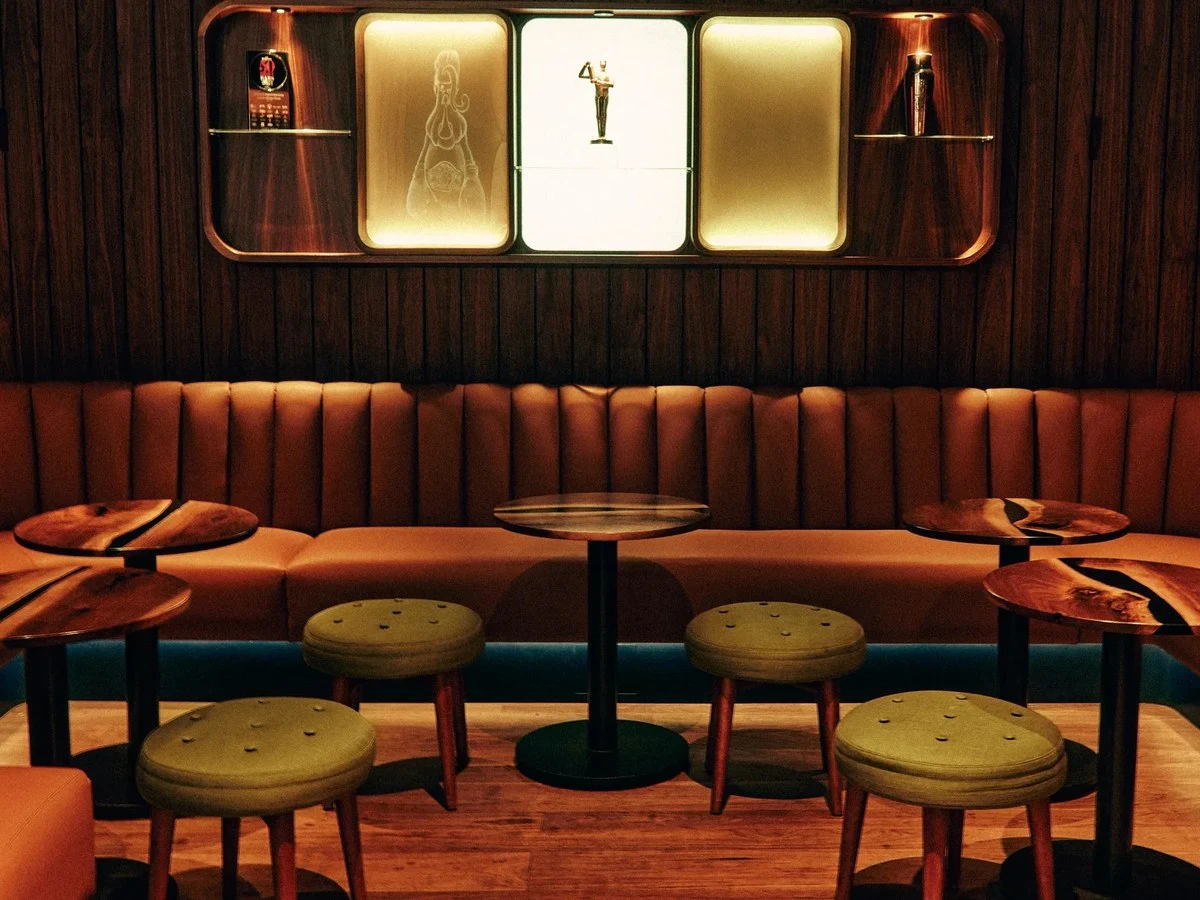
Dual-concept bars ask staff to hold two service languages at once. The prep list may split. The guest expectation changes by room, counter, or seating time. The same bartender may need to move from direct, high-velocity hospitality to slower description and back again. Even when the drinks share a prep space, the hands do different work.
That is where Yabrow's sequence becomes a collector signal for bar people, not because awards guarantee the next room, but because they mark the kind of rooms he has helped build. At Double Chicken Please, he left in 2023 less than a week before the bar was named Best Bar in North America. At Sip & Guzzle, he helped open a bar in early 2024 and left shortly before its 2026 North America number one placement. He has not yet opened his own room in New York, but he has spent time on the tools in programs where duality was not decoration. It was the floor plan, the prep schedule, and the service discipline.
For guests, the difference may show up as a choice between two ways of drinking in one address. For bartenders, the harder question is how Yabrow keeps both rooms legible without letting either one become the overflow station for the other. That is not branding. That is station work, timing, training, and the kind of handoff that decides whether a second room has its own pulse.
How Yabrow Plans to Use Waste
The operational detail Yabrow has made public is the relationship between waste and service: the smaller bar will use as much waste from the larger bar as possible. The line should not be stretched into a full program before the bar opens.
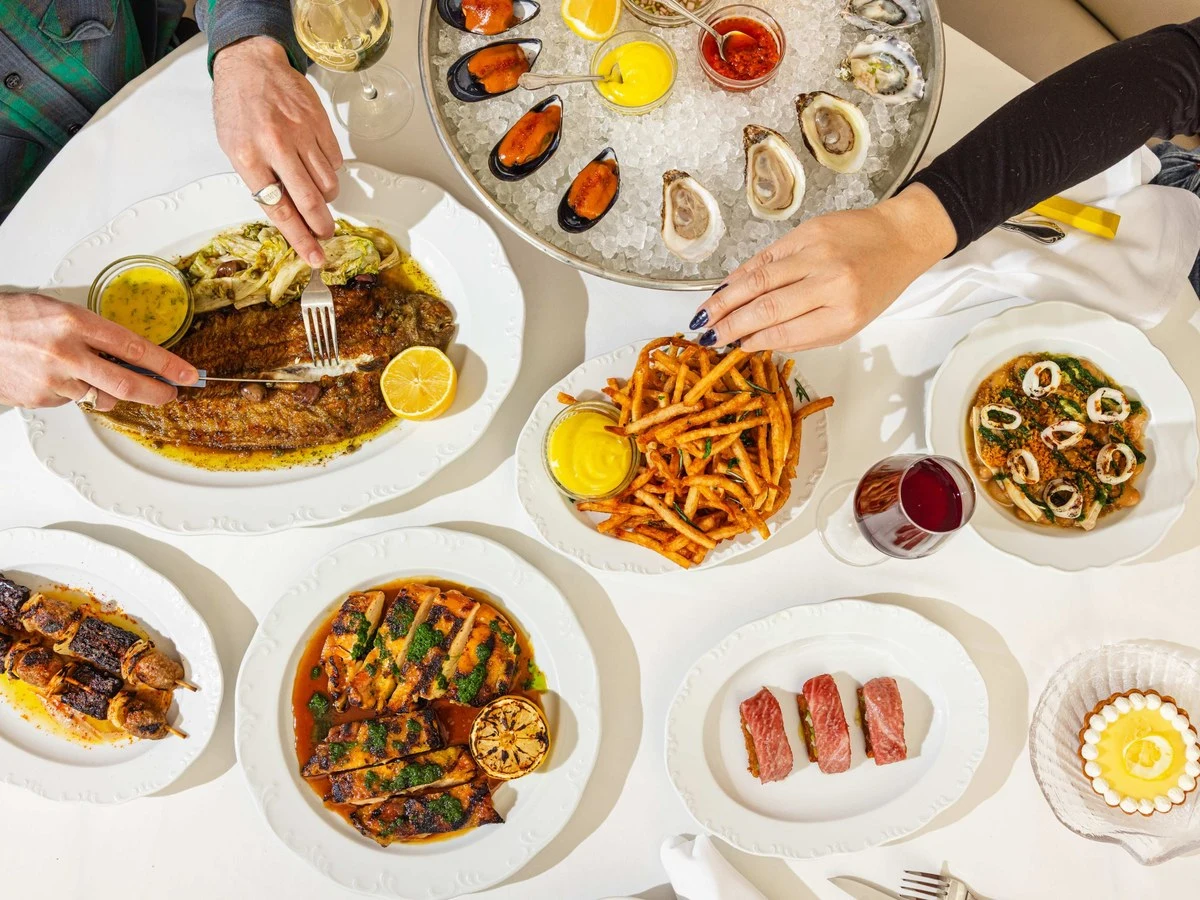
Still, the principle is clear enough to study. A larger bar creates volume. Volume creates offcuts, spent material, imperfect trim, leftover prep, and timing problems. Yabrow plans to absorb some of that material into the smaller bar's tighter drinks program. The method requires more than intent. It requires a prep ledger, a handoff between teams, storage discipline, and bartenders who know when a byproduct adds structure and when it only adds clutter.
In practice, this changes the hierarchy between the two rooms. The smaller bar does not sit beside the larger bar as a separate display case. It feeds from the larger room's working life. A garnish decision in one room may become an ingredient decision in the other. Waste stops being an invisible cost at the end of the night and becomes part of the mise en place.
This is the strongest middle signal in the opening news because it gives Yabrow's project stakes before the menu exists. If the larger bar produces the material and the smaller bar finds use for it, the team must keep both sides in conversation every service. If the system breaks, the idea becomes a line on a press sheet. If it holds, the guest may never need the speech; the drink will have moved through the house by a longer route.
Yabrow's Awards Shadow
Yabrow's timing has become part of the story because it happened twice. He left Double Chicken Please in 2023 less than a week before it was named Best Bar in North America. He left Sip & Guzzle shortly before it topped the 50 Best Bars in North America 2026 list in April. The easy reading is superstition. The better reading is that Yabrow helped build rooms that were already moving with enough force to be recognized after he stepped away.
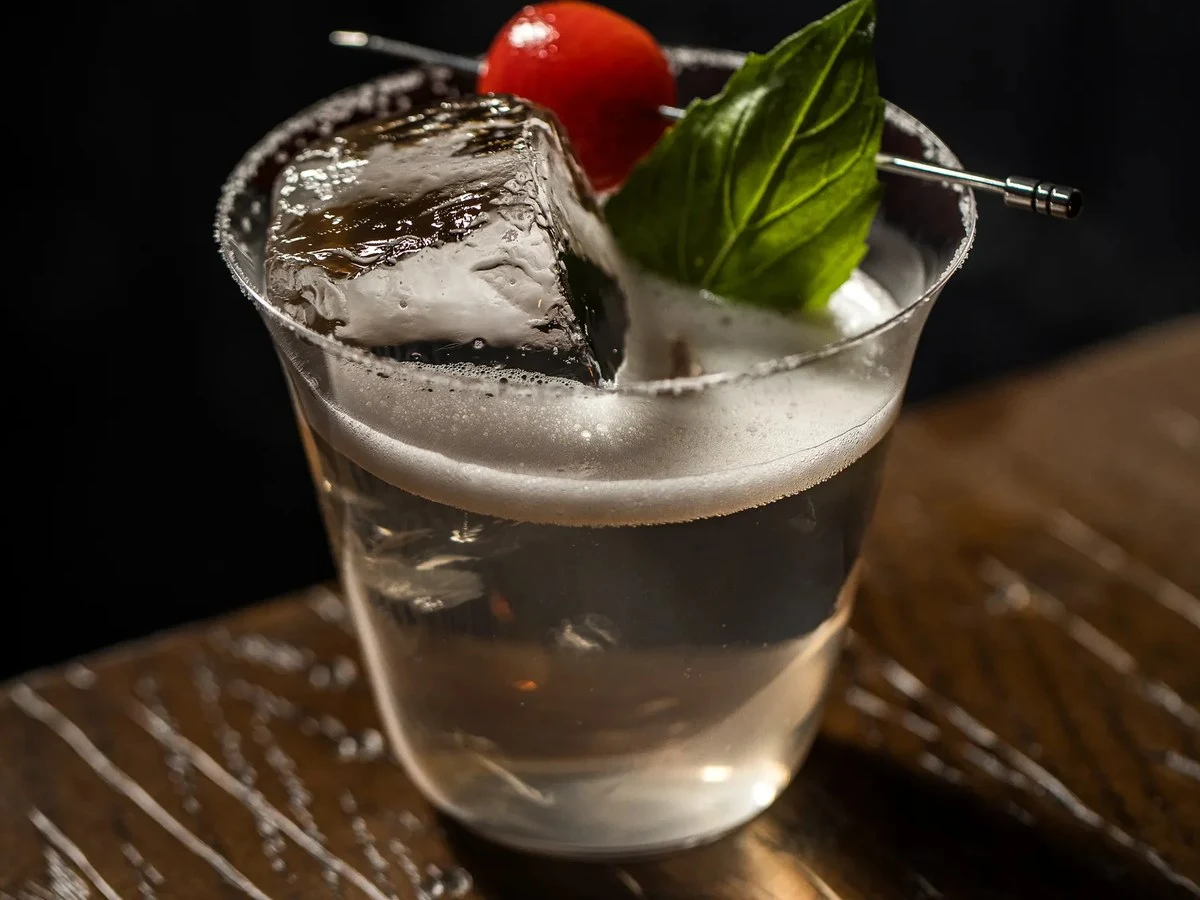
The source reports that Yabrow has joked about twice helping get a bar to number one without working at the number one bar on North America's 50 Best. The line has humor, but it also marks the difference between ranking and labor. A list arrives on one day. A bar earns its habits over months of cut fruit, corrected specs, staff notes, table turns, guest recoveries, and the quiet math of whether the room can repeat itself tomorrow.
Yabrow has also told The Spirits Business that awards are not the goal for the new spot. That does not erase the pressure. Any bartender opening in New York after SG Club, Double Chicken Please, and Sip & Guzzle will be read through that sequence. Drinkers will ask whether the casual room has enough ease. Bartenders will watch the technical room for coherence. Owners will watch whether the waste relationship works during service, not only during training.
The award record also sharpens the scarcity of what Yabrow has shared. There is no public drink spec to parse, no published menu to copy into a notebook, no address for a first-week seat. What exists is a career pattern and a few operating commitments. For a craft-curious reader, that is enough to know where to look next: not at a ranking, but at the first evidence of how Yabrow sets the bench for his own team.
What to Watch in Yabrow's Next Chapter
For visitors, the practical details remain simple because the public details remain limited. Yabrow will open in New York City. The venue will have two concepts. One will be more casual and straightforward, the other more technical in feel. Sustainability will be part of the operating method, with the smaller bar using waste from the larger bar. No name, full address, opening date, or booking route has been confirmed in the source.
The next signal will be the first concrete detail that shows how Yabrow turns the two-room idea into daily service: the name on the door, the way the rooms divide labor, the first menu language, and the prep system that lets one bar use what the other would otherwise discard. Those are the places where the method will either hold or fray.
Watch, too, for the people Yabrow names around him. Gokan and Schneider are already named in the Sip & Guzzle chapter as co-founders who knew his plan nearly a year before departure. The new chapter will need its own bench: bartenders who can carry the casual room without flattening it, and hands in the smaller room who can make technical drinks without turning sustainability into a speech. Yabrow's bar will be judged first by the simplest thing in hospitality, whether the system makes the guest feel better and the work sharper, night after night.