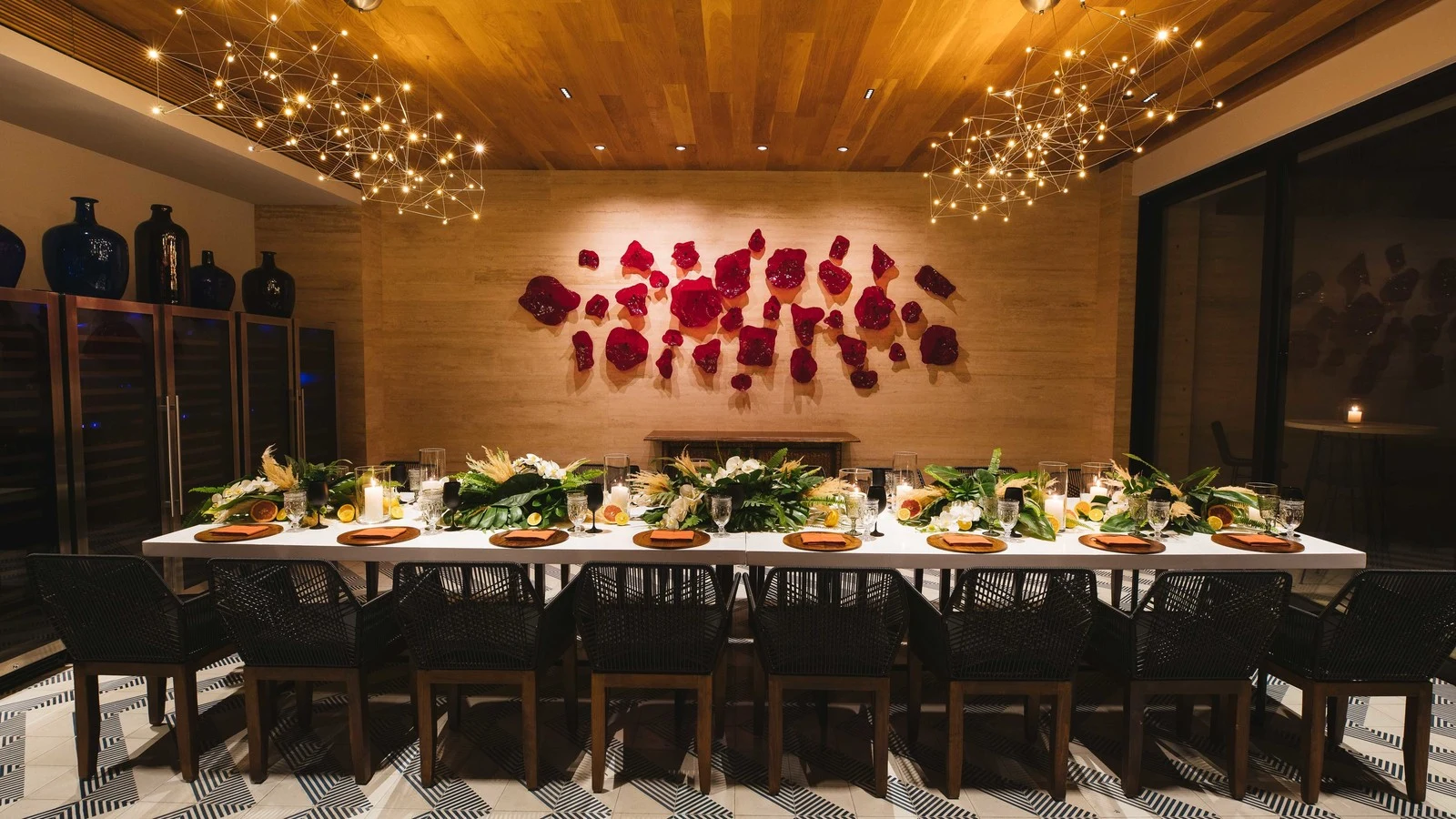
On his first day in hospitality, Brian Tapera took a ticket for corkage and sparkling water, walked into the storeroom, and spent more than 30 minutes looking for both. Sparkling water was there to be found. Corkage was not. The error is a useful beginning: a young worker meeting the hidden language of service one ticket at a time.
Tapera's route from Zimbabwe and Cape Town to Marylebone
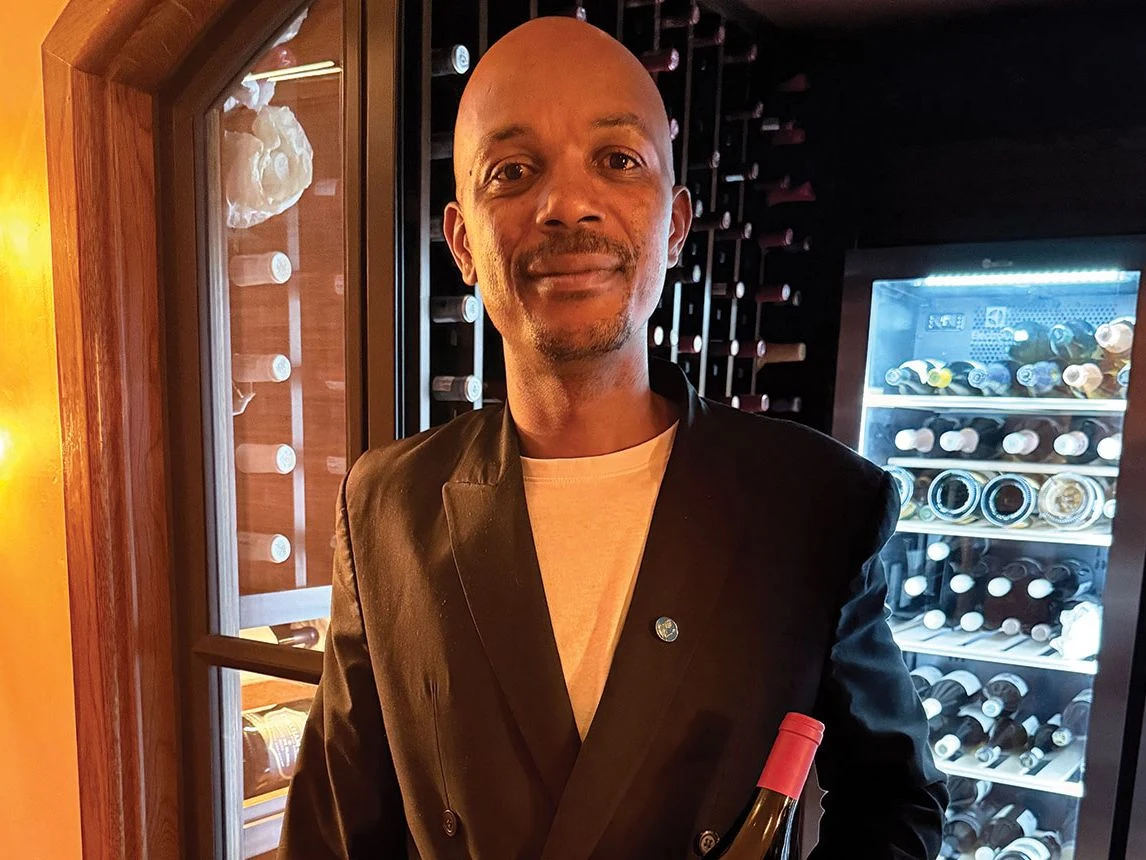
Tapera is originally from Zimbabwe and lived for many years in Cape Town, South Africa, where wine and cocktails became daily material rather than distant subjects. He built his skills behind the bars at FYN and Restaurant Beyond, two of Cape Town's acclaimed restaurants, before taking charge of the bar at Kudu in London's Marylebone.
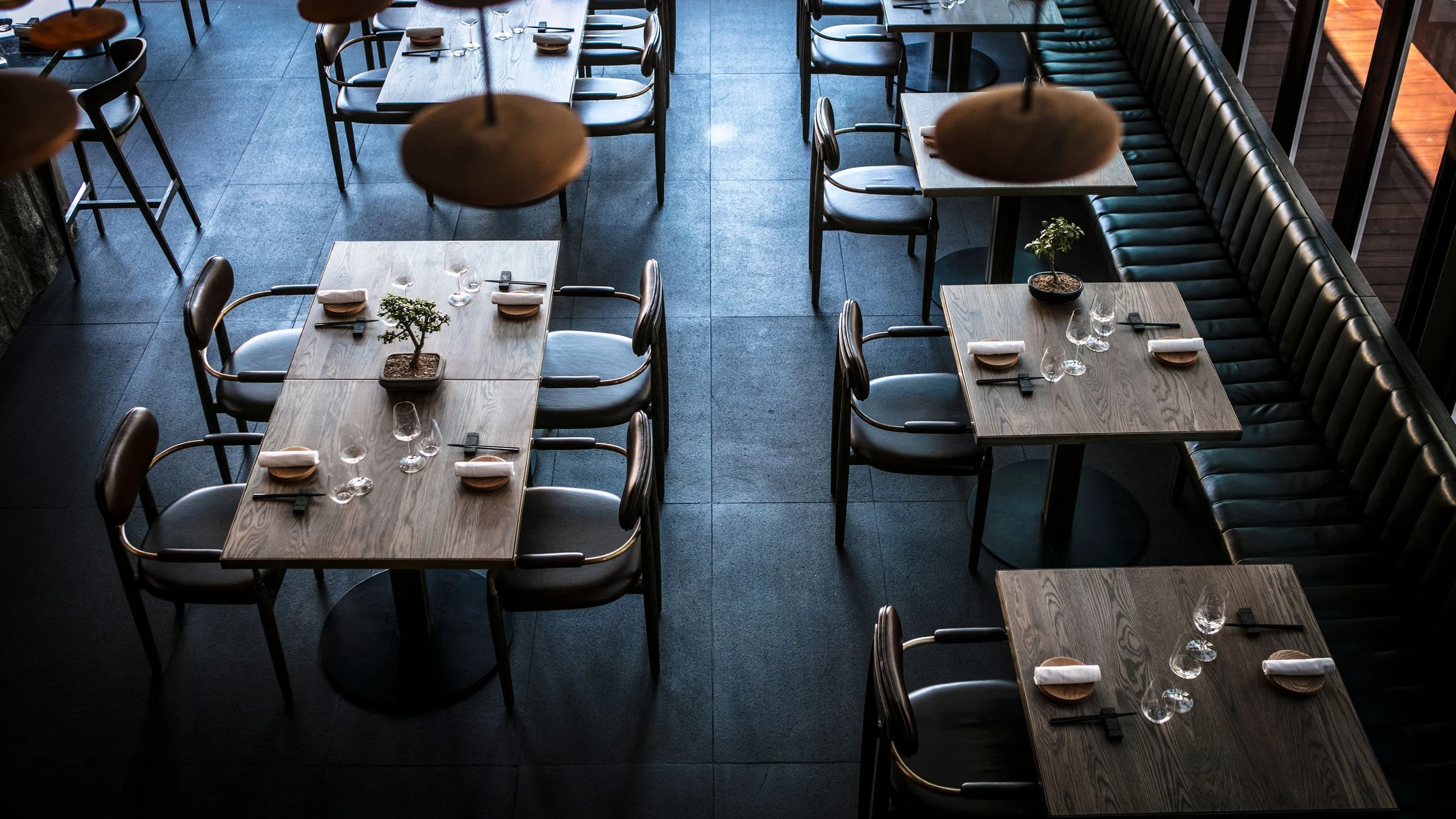
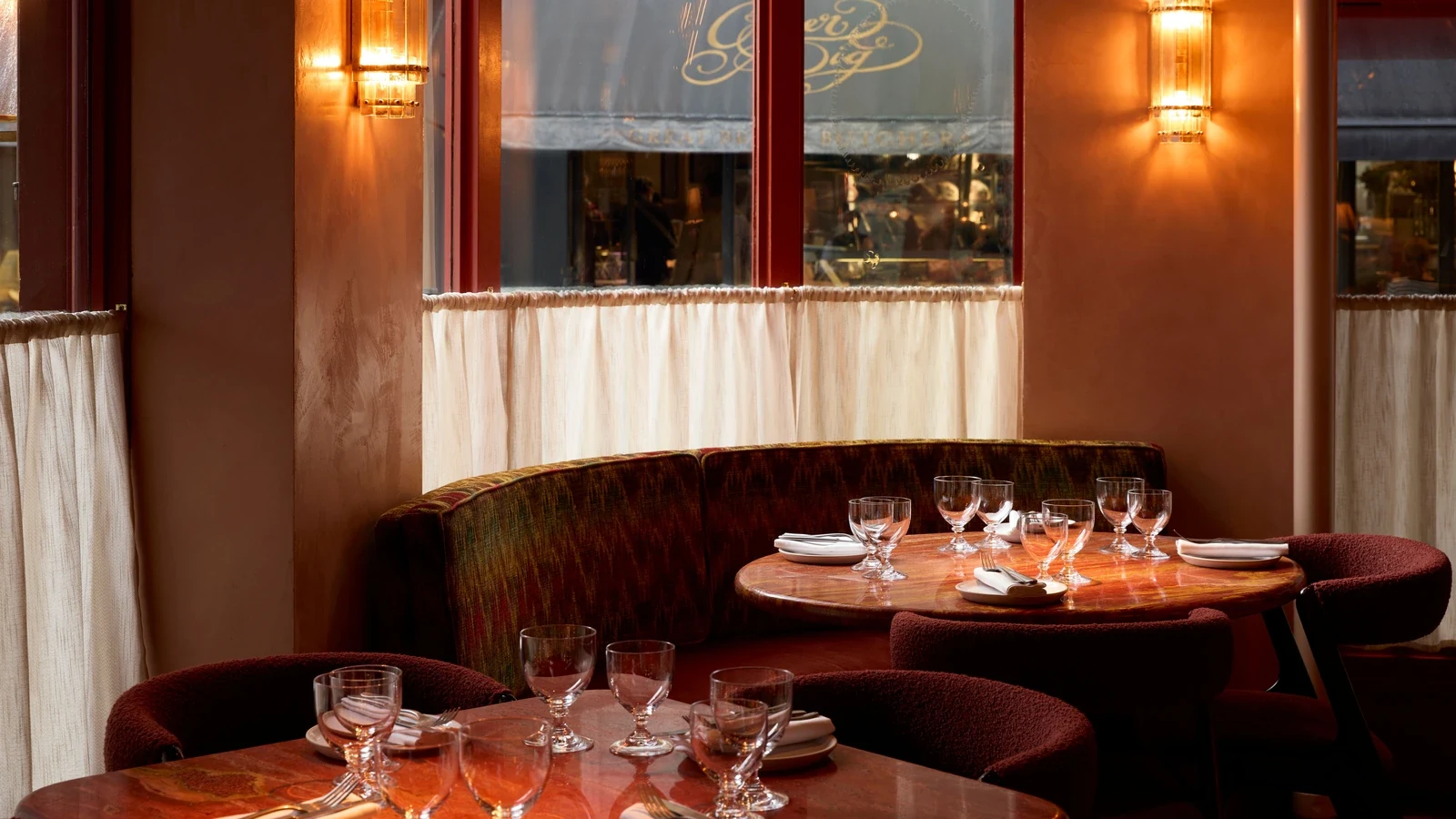
Kudu is South African-inspired, and its own route has shifted. consolidated its three Peckham venues into a single Marylebone site in September 2025, then earned a Michelin Guide listing in February 2026. Tapera's work now sits in that junction: Cape Town formation, London service, and a wine program that keeps South Africa present without closing the door on Alsace, Bordeaux, Cava, or the southern Rhône.
The pattern in his choices is practical. He looks for acidity that can carry food, sweetness that can season heat, bottle age that can soften structure, and glass-pour access that lets a guest drink well without committing to a full bottle. The craft is not in naming labels alone. It is in knowing when a wine resets the mouth, when it needs fat, and when a diner needs one exceptional glass rather than a page of safe options.
Lara Jordaan, a mentor, and the first bottle that almost disappeared
Lara Jordaan, the South African hospitality entrepreneur Tapera names as his mentor, opened the first serious doorway. At La Mouette in Cape Town, she introduced him to Waterford Estate Kevin Arnold Shiraz 2005, then one of the best red wines on the restaurant's list.
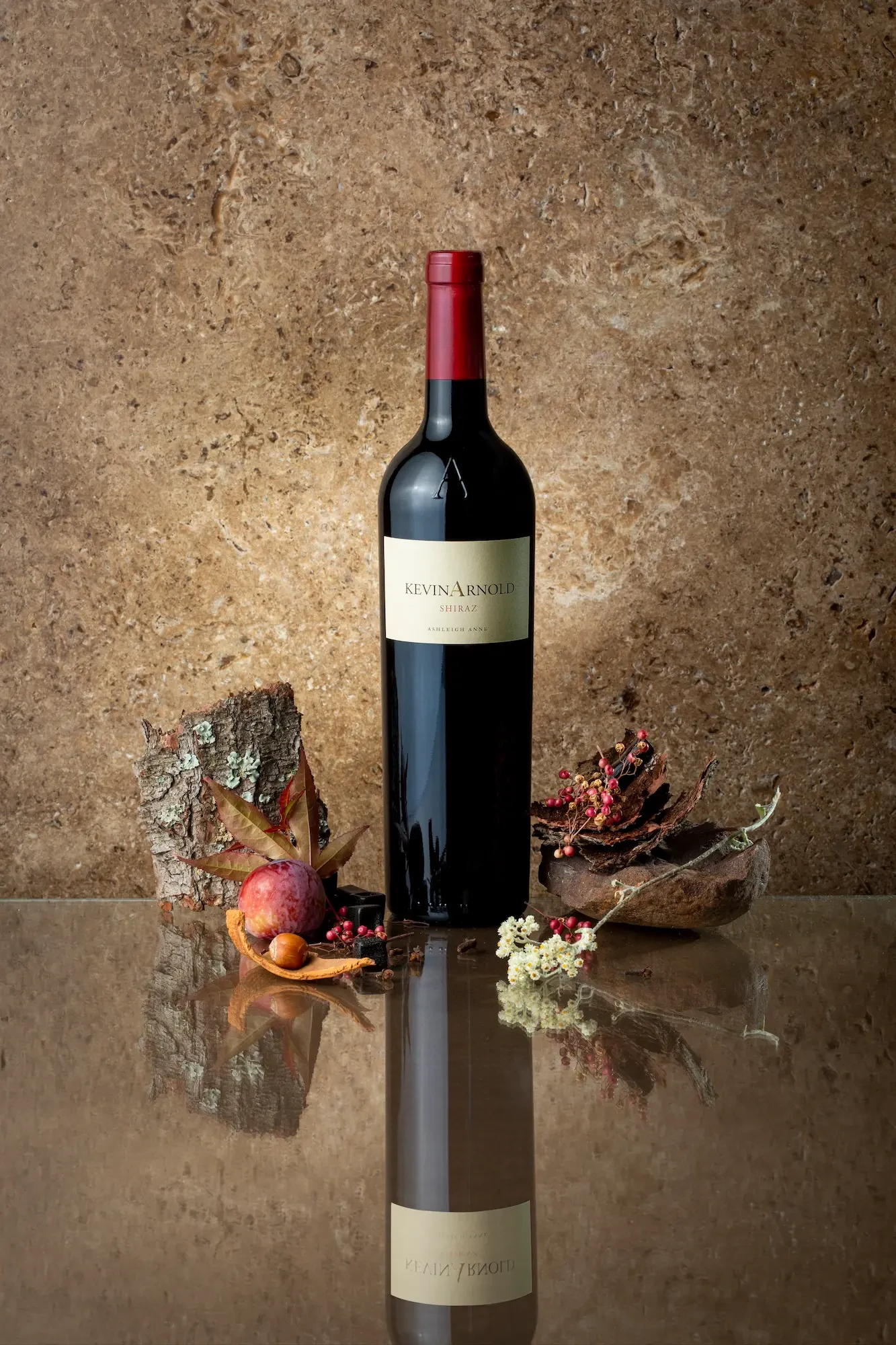
The bottle nearly vanished into another use. Tapera's partner opened it while he was at work and mixed it with cola as Katemba. He found a second bottle, and that is where he places the start of his wine journey.
My death row food and wine pairing: Spicy Thai food paired with Riesling. My go-to would probably be a chilli and Thai basil chicken stir-fry paired with the Chi Riesling from the Elgin producer Saurwein.
Brian Tapera, Sommelier / Bar Lead, Kudu
That detail strips away the ceremony often attached to first encounters with wine. One bottle became a mixed drink. The next became a point of study. Jordaan's role matters because she did not hand him abstraction; she placed a producer, a vintage, and a restaurant context in front of him and made the route into wine specific.
Tapera's Cape Town training and the discipline of service
Those Cape Town bars gave Tapera the discipline of service: tickets arriving in sequence, drinks timed to food, and the constant judgement of what a guest is actually asking for. His pet hate follows from that work. A wine list with limited by-the-glass options, especially when those options are only entry-level, narrows the evening for people who may want one or two serious glasses rather than a full bottle.
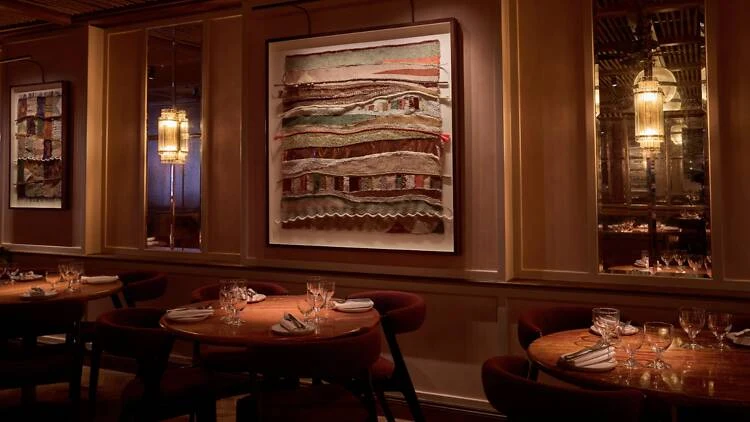
Access, in that sense, is part of craft. A strong glass pour can let a guest test a region, follow a course, or drink above the ordinary without waste. Tapera's occasional supermarket buy, Prestige de Calvet Bordeaux Merlot-Cabernet, sits at the other end of the same working spectrum: not every bottle enters life through a cellar door or a restaurant floor, but every bottle still has to earn the pour.
Why Tapera reaches for Riesling when spice is involved
For everyday drinking, Tapera reaches for off-dry Rieslings from Alsace. He values the way these wines are often labelled dry yet taste off-dry, with high acidity, very light body, and a touch of sweetness. Those measurements explain why he returns to Riesling when spice is involved.
His final-meal pairing would be spicy Thai food with Riesling; the specific plate is chilli and Thai basil chicken stir-fry with Chi Riesling from Saurwein in Elgin. Heat, basil lift, lean protein, residual sweetness, and acid line do the work together. The glass does not compete with the wok. It brings the palate back for the next bite.
After service, the same logic becomes simpler: fried chicken with MCC, Methode Cap Classique, or Cava. Salt and fat need pressure and freshness. The pairing is not ornamental; it is functional.
Tapera would avoid very light, high-acidity wines such as Pinot Grigio when ordering in a restaurant, though he does not reject any wine style or grape outright. He is happy to taste and drink both familiar and unfamiliar varieties. The distinction is important: acidity alone is not enough. It needs texture, fruit, sweetness, age, or food to complete the structure.
How Tapera pairs Cabernet, onions, Vermentino and surprise
At Kudu, Tapera's strongest pairing is dry-aged prime rib with bordelaise sauce and beer-pickled onions alongside Grangehurst Cabernet Sauvignon 2012 from Stellenbosch. The mechanics are clear. The richness of the beef and sauce softens the wine's structure; the age of the Cabernet brings an earthy register; the pickled onions add acidity and help prevent palate fatigue.
The wine he is proudest to have on the program is Prelude Vermentino from Bacco Estate in Paarl. Tapera sees it as a Mediterranean-style wine that surprises many guests, works as an aperitif, moves easily with food, and often leads to a second order. For a bar lead, that kind of flexibility is not incidental. It means the bottle can begin the table and stay useful as the meal changes.
Hamilton Russell's Ashbourne Sandstone white is the South African wine that consistently catches guests off guard. The blend brings together Sauvignon Blanc, Chardonnay, and Semillon from the cool-climate Walker Bay area. Many guests connect its freshness, acidity, and minerality with the Loire valley; some guests from Australia recognise a kinship with white blends made there. Tapera's own use for it is as a textured, elegant white wine.
The regions Tapera watches for value, travel, and excitement
Stellenbosch is Tapera's best-value wine region right now. That answer carries weight because he does not treat value as cheapness; he treats it as usefulness at the table, structure in the glass, and a region able to carry serious food without becoming trophy-driven.
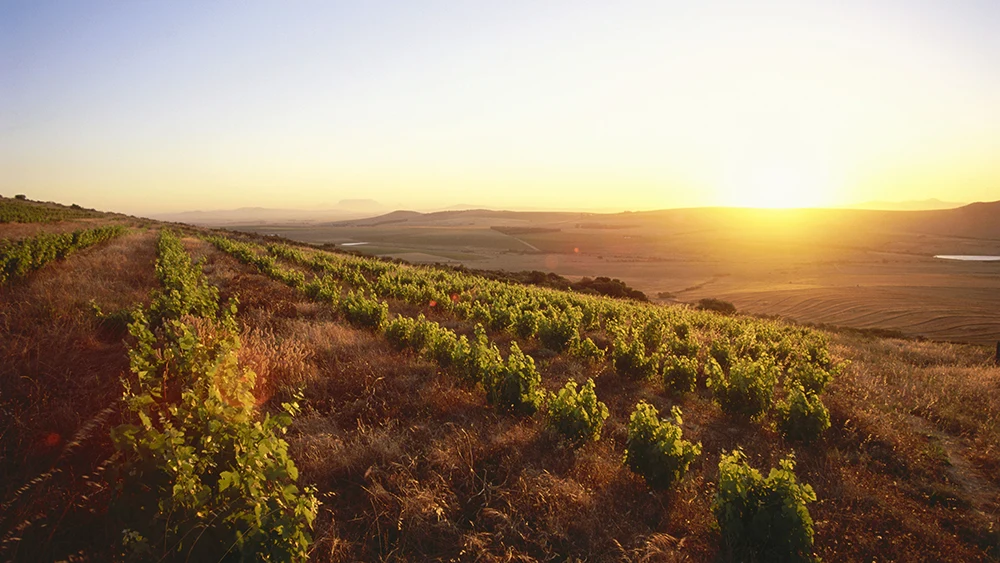
For travel, he chooses Swartland, especially Mullineux winery. The preference sits beside his working South African map rather than replacing it: one region for value, another for visiting, others for whites, spice, and texture.
The region that currently excites him most is the southern Rhône, particularly powerful, spicy, complex, structured wines, whether single-varietal bottlings or GSM blends of Grenache, Syrah, and Mourvèdre. The attraction is consistent with the rest of his thinking. He is drawn to wines with enough frame to stand up to food and enough spice to keep a pairing alive.
What to ask Tapera when he is on the floor
When Tapera is guiding the table, the better question is not what is famous. Ask where acidity will help the dish. Ask which glass has texture. Ask what he would pour with heat, fat, or a course that needs lift. His answers tend to come from use rather than display.
There is a lesson here for younger sommeliers, too. Keep an everyday wine you understand deeply. Know why sweetness can help spice. Put unfamiliar varieties in front of guests with confidence. Do not let the by-the-glass section become the place where ambition thins out. And remember the storeroom: everyone begins before the language fits.
Tapera's hand is easiest to read in the pairings that do quiet technical work: acid against richness, age against beef, bubbles against fat, texture where a guest expects only freshness. The maker remains the point. The glass is how his route through Zimbabwe, Cape Town, and London becomes service.