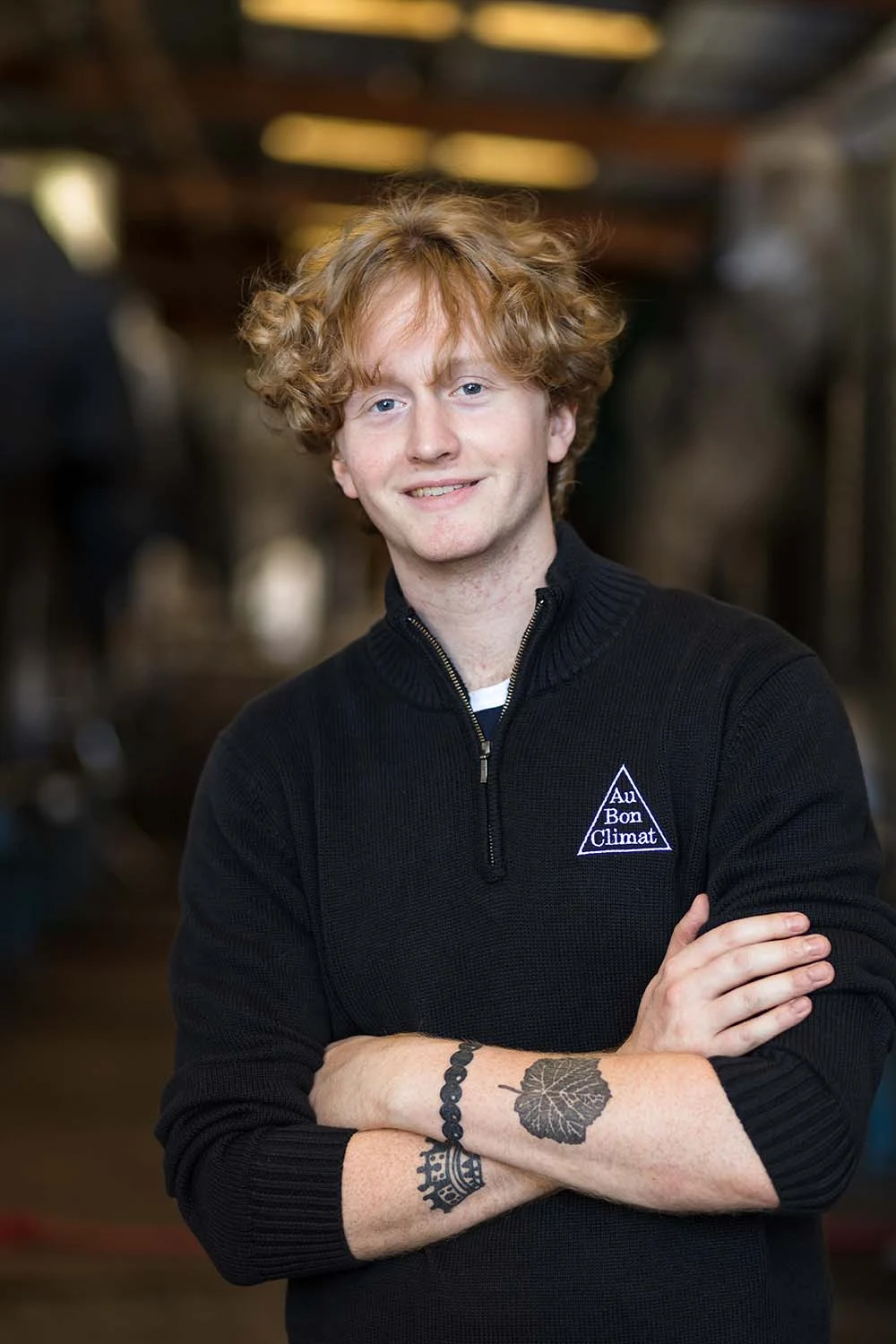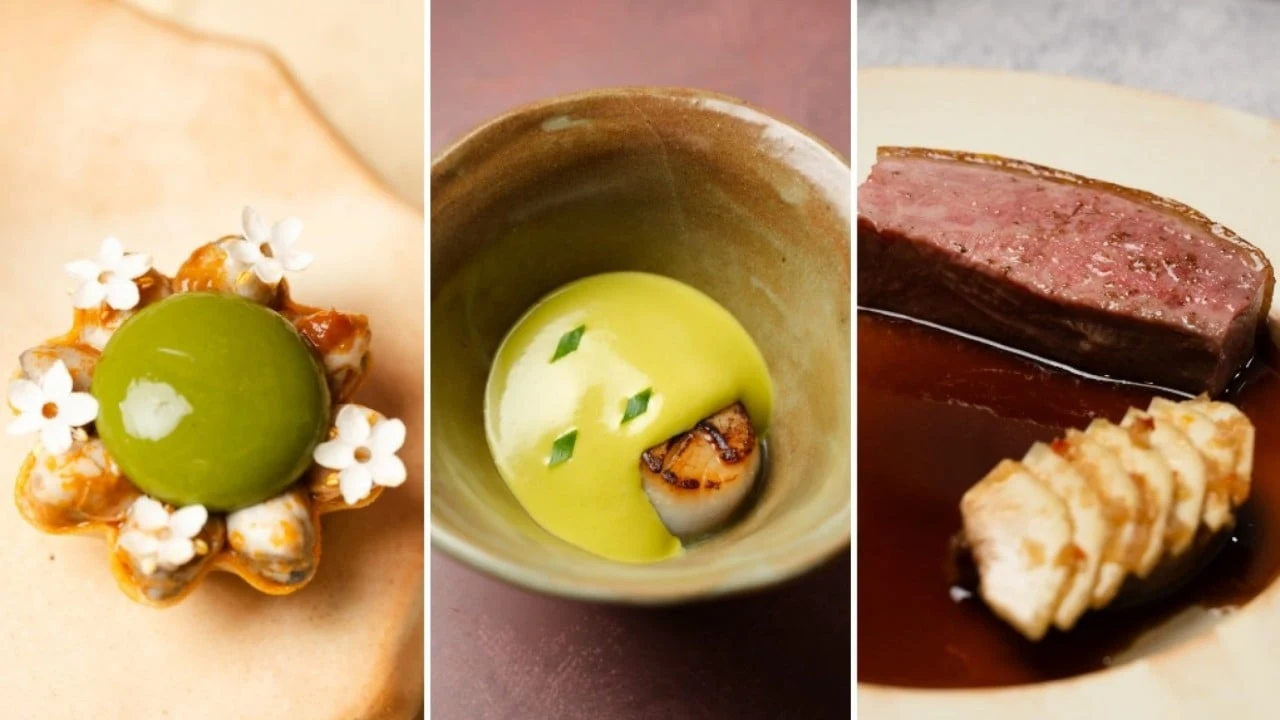
Hugh Allen had been up all night with a newborn when The 50 Best Restaurants named Yiaga the 2026 Visa One to Watch Award winner. Chef-owner Hugh Allen's Yiaga Melbourne restaurant has won the 2026 Visa One to Watch Award less than 12 months after opening in Fitzroy Gardens. "It's been hectic," Allen said, after a year that has put his own first restaurant, his role at Vue De Monde, and a new child inside the same narrow band of time (Smh1).
Yiaga Melbourne restaurant wins Visa One to Watch Award
The Visa One to Watch Award sits slightly apart from the annual ranked list. The 50 Best Restaurants describes it as an award that "celebrates an emerging restaurant with exceptional potential to become a leading name in the industry in the years ahead." It is not a lifetime citation, and it is not a review score. It is a marker placed early, while the room is still young enough for the work to change quickly.
For the Yiaga Melbourne restaurant, the timing matters. The room is still inside its first year. The team has had only months, not decades, to settle into the pass, train the front-of-house reflex, care for the plates and pottery, and learn what the room asks of them each service. A 44-seat dining room gives the work a human scale. There is nowhere for a weak station to hide for long.
The organization formerly called The World's 50 Best Restaurants recently underwent a rebrand. Its November 4 ceremony in Lima will place Yiaga beside a line of previous One to Watch recipients that has carried weight in dining rooms and reservation books. Barcelona 's Disfrutar won in 2017 and later became The World's Best Restaurant 2024. California's SingleThread won in 2018 and has appeared on both The World's 50 Best Restaurants and North America's 50 Best Restaurants lists. London 's Ikoyi won in 2021 and appeared at No. 15 on The World's 50 Best Restaurants list in 2025 (Smh1).
Australia has been here before, though not often. Sydney 's Sepia won the award in 2015 under chef and owner Martin Benn and partner and co-owner Vicki Wild. Sepia later debuted at No. 84 on the 51 to 100 list, and in 2015 was named The Sydney Morning Herald Good Food Guide Restaurant of the Year. Yiaga now enters that same small Australian thread, with Allen and head chef Michael McAuley carrying the day-to-day weight (Smh1).
A three-hat launch, three months after the doors opened
Three hats in the Australian dining system usually come after time on the tools in public: seasons corrected, suppliers understood, the rhythm of the dining room adjusted, the menu's ambition tested under pressure. Yiaga received that recognition in January, when the restaurant was still close enough to opening night that the team would have been measuring every service against what they had drawn, bought, built, trained, and promised.
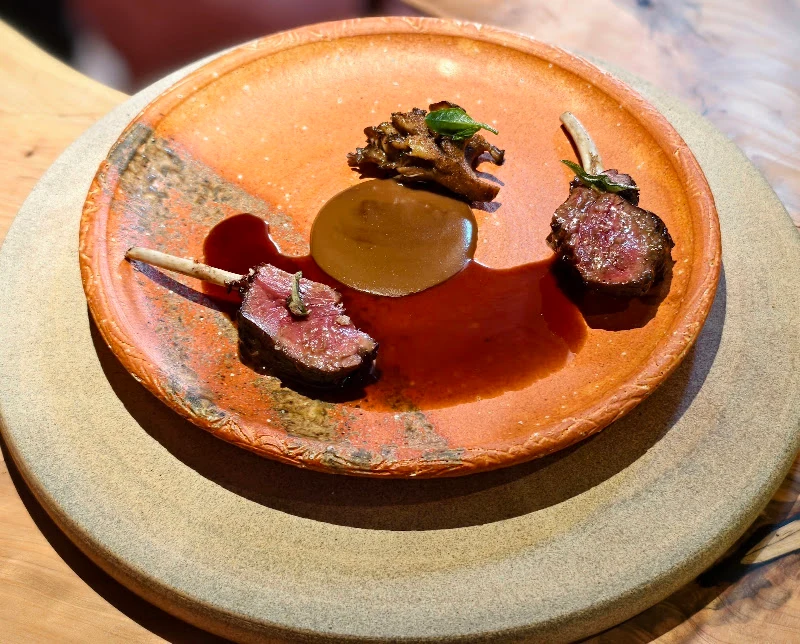
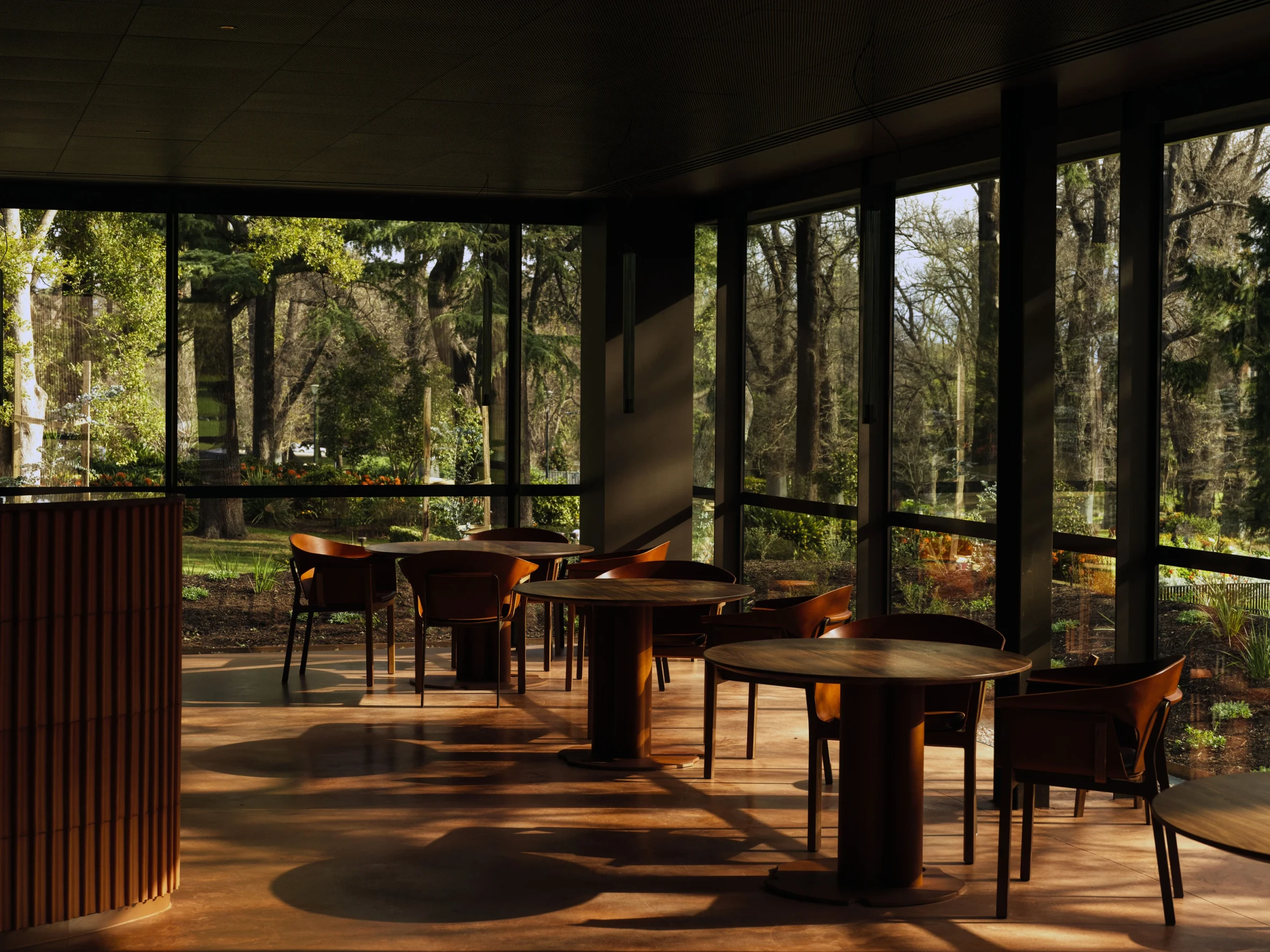
The 44 seats matter because they give the chef-owner's ideas a tight field. A room of that size turns every detail into contact. The open kitchen is a key focus of the earthy toned interiors. The handmade bricks in the walls, the chairs, and the pottery made for specific dishes all put craft within reach of the diner's eye and hand. Those objects are not scenery when the team has to carry them, clean them, plate on them, and protect them through service.
Allen has spoken about the staff caring for the pottery as if it were their own. That phrase points to a useful test for a new restaurant with high expectations: whether the people working the floor and the pass treat the room's material culture as part of the method, rather than as decoration around the food. At Yiaga, the handmade object meets the cooked dish at the table. The guest sees the plate; the staff carries the risk.
Hugh Allen, Michael McAuley, and the hands on the pass
Yiaga is Allen's first restaurant as chef-owner, and that ownership changes the shape of the work. He is still executive chef at Vue De Monde, another three-hatted Melbourne restaurant, so the achievement is doubled and complicated. The first Australian chef to hold three Good Food hats at two restaurants simultaneously must build trust across two teams, two rooms, and two daily tempos (Smh1).
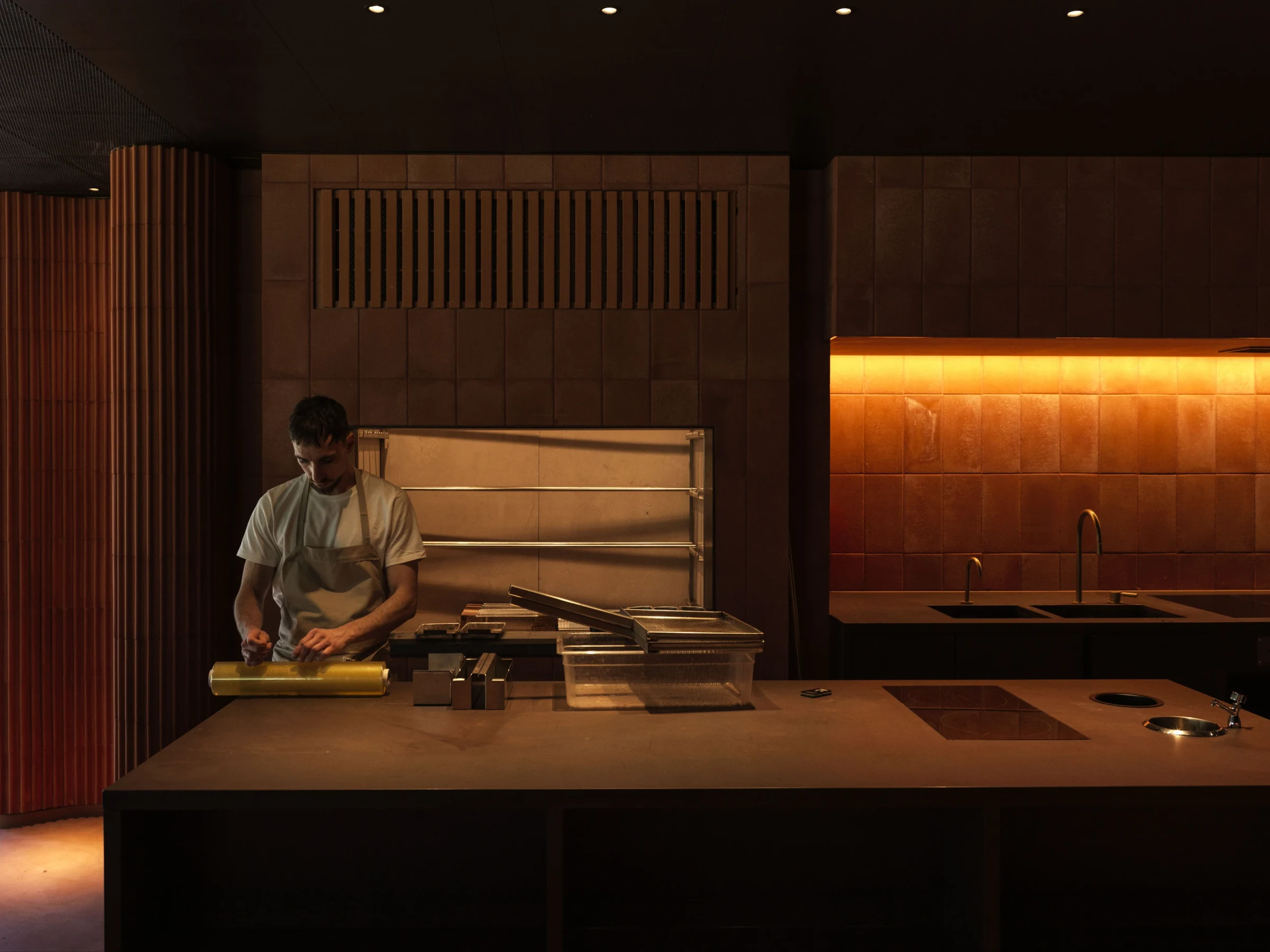
That is where Michael McAuley's name belongs in the story. McAuley is head chef at Yiaga, the person closest to the station-by-station continuity when service begins. Awards tend to gather around the chef-owner's name, because the public needs a handle. Kitchens do not run on a handle. They run on the head chef reading the bench, the cooks repeating the method, the waiters moving between table and pass with enough attention not to turn a custom plate into a casualty.
Allen gives credit to the whole team, and especially to McAuley's work ethic. He also returns to the idea that staff members treat Yiaga's objects as if they were their own. That is a small sentence with a large instruction inside it. It asks the commis to slow the hand before setting down pottery. It asks the runner to know which dish requires which vessel. It asks the room to understand that care has a dwell time too.
The personal calendar around Allen has narrowed. Three weeks before the award announcement, he became a father. The line between home and restaurant, already thin for chef-owners, thinned again. The image is not of the rested chef receiving a prize at the end of a clean season. It is of a sleep-deprived maker holding a newborn's hours in one hand and a young restaurant's velocity in the other.
The One to Watch lineage, from Sepia to Disfrutar
The Visa One to Watch Award has a way of fixing a restaurant at a particular moment: early enough that the room still feels newly made, late enough that the work has been seen by people who judge such things for a living. Its past winners give the citation some context without turning it into prophecy.
Disfrutar is the cleanest example of the award's long arc. The Barcelona restaurant received One to Watch in 2017, then was named The World's Best Restaurant 2024. That seven-year span matters more than the headline. It suggests how long a restaurant may need to turn early attention into a mature body of work. For Yiaga, the lesson is patience, not speed.
SingleThread's 2018 award placed a California restaurant into a global conversation that later included appearances on The World's 50 Best Restaurants and North America's 50 Best Restaurants lists. Ikoyi's 2021 award preceded its No. 15 placement on The World's 50 Best Restaurants list in 2025. These are different houses with different methods, but the award has repeatedly been attached to rooms that continue to be watched after the first announcement fades.
Sepia gives the Australian reference point. Martin Benn and Vicki Wild's Sydney restaurant won One to Watch in 2015, later appeared at No. 84 on the 51 to 100 list, and was named The Sydney Morning Herald Good Food Guide 2015 Restaurant of the Year. Yiaga does not repeat that story; no restaurant can. It does join a lineage in which Australian fine dining occasionally steps onto the 50 Best platform early, then has to prove its work service by service.
Fitzroy Gardens, local craft, and the room Allen built
Rachael Hogg, senior content editor for The 50 Best Restaurants, said Yiaga stood out because "it's a real love letter to Australia." She pointed to the way the team connects the food on the plate with the restaurant's natural surroundings, and to the design, where Australian materials and local craftsmanship shape the dining experience.
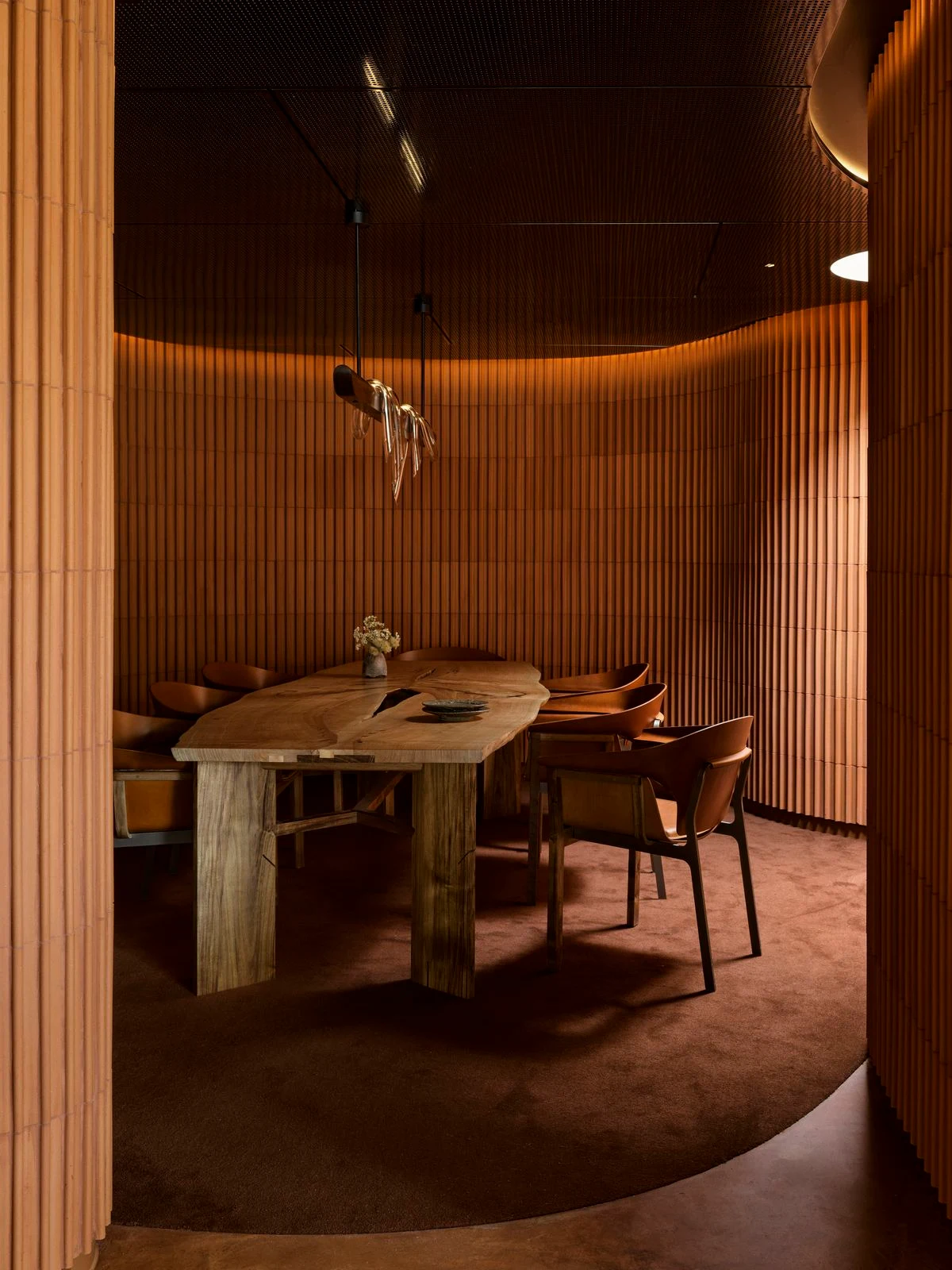
The phrase can sound broad until it meets the physical evidence. Yiaga sits in Fitzroy Gardens, which Allen has called "one of the best parks in the world." The restaurant's walls use hand-made bricks. Pottery has been made for specific dishes. The chairs, too, are part of the artisan network Allen credits when he talks about the labour behind the room. The Yiaga Melbourne restaurant is built from many hands before a cook reaches the station.
That matters because global awards often flatten restaurants into names on a list. Yiaga resists flattening through its materials. A diner enters a 44-seat room, sees the open kitchen, sits in a chair made for the space, and eats from pottery the staff has been taught to handle with care. The sequence is tactile before it becomes culinary. The room asks for attention from the guest because it first demanded attention from the team.
Allen's other role at Vue De Monde gives Yiaga another layer of scrutiny. A chef leading two three-hatted restaurants invites comparison, even when comparison tells only part of the truth. Yiaga is Allen's first restaurant as chef-owner, built over six years, placed in a park setting, and shaped around Australian materials and local craft. Vue De Monde remains a three-hatted restaurant under his executive leadership. The difference begins with ownership, site, and the team Allen has assembled around McAuley at Yiaga.
What to watch before Lima
The next fixed date is November 4 in Lima, when The 50 Best Restaurants presents its annual list and awards, including the Visa One to Watch Award. Until then, the most useful way to read Yiaga's year is through compression: six years of planning, an October opening, three hats in January, a 44-seat room, a chef-owner still running another three-hatted kitchen, a head chef holding the day-to-day line, and a global award before the restaurant turns 12 months old.
For diners planning Melbourne around the Yiaga Melbourne restaurant, the practical detail is scale. Forty-four seats do not absorb global notice easily. The award adds a new reason for interstate and international diners to look at Fitzroy Gardens, especially those who track the One to Watch lineage from Sepia, Disfrutar, SingleThread, and Ikoyi. The room remains young enough that repeat visits over the next few years may show the method changing in real time.
Allen has already set the standard by which he wants the work judged. "We in no way think that what we're doing now is the be all and end all," he said. Looking a decade ahead, he said he hopes he can look back at 2026 and say, "that was cool, but what we're doing now is 10 times better." That is the sentence to keep beside the award. The prize marks the first year; the craft will be whether Allen, McAuley, and the Yiaga team can make the room deeper after the world starts watching.
Frequently Asked Questions
What award did Yiaga Melbourne restaurant win in 2026?
Yiaga Melbourne restaurant won the 2026 Visa One to Watch Award from The 50 Best Restaurants, less than 12 months after opening in Fitzroy Gardens. This award celebrates emerging restaurants with exceptional potential to become leading names in the industry.
How many seats does Yiaga Melbourne restaurant have?
Yiaga Melbourne restaurant has 44 seats, creating an intimate dining room where every detail matters. The smaller scale means there's nowhere for weak stations to hide and allows the chef-owner's ideas to have direct contact with diners.
When did Yiaga receive its three-hat rating?
Yiaga received its three-hat rating in January, just three months after opening. This recognition came remarkably early, while the team was still measuring every service against their initial vision and adjusting to the rhythm of the dining room.
Who is the chef-owner of Yiaga Melbourne restaurant?
Hugh Allen is the chef-owner of Yiaga Melbourne restaurant, his first restaurant as owner. Allen also serves as executive chef at Vue De Monde, another three-hatted Melbourne restaurant, while working alongside head chef Michael McAuley at Yiaga.
What makes the interior design of Yiaga unique?
Yiaga features earthy-toned interiors with handmade bricks in the walls, custom chairs, and pottery made specifically for individual dishes. The open kitchen and handcrafted objects put the restaurant's material culture within reach of diners' eyes and hands, making craft a visible part of the dining experience.