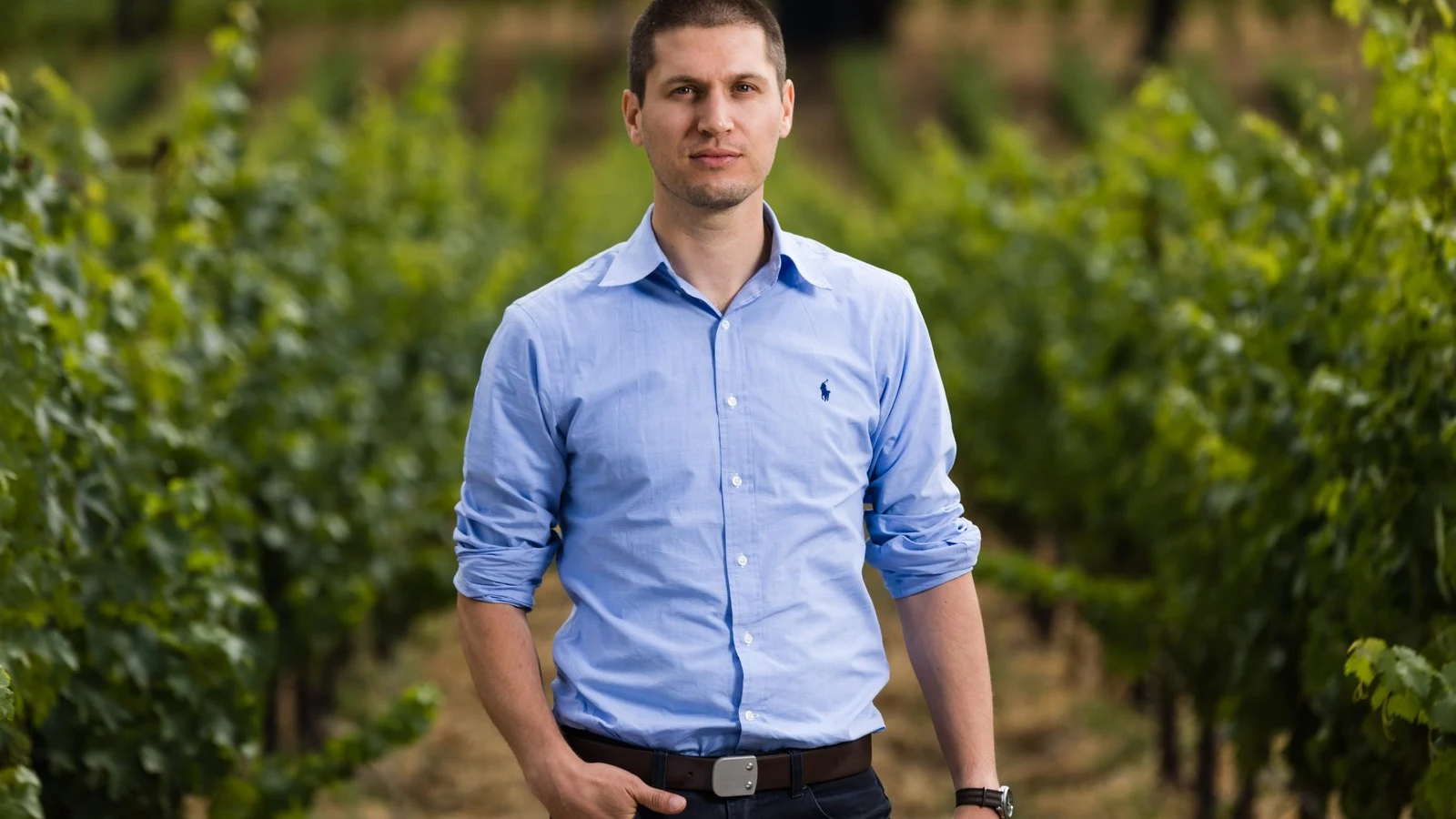
Chef Michael White Opens Mika Coral Gables in Florida
Michael White’s first standalone Florida restaurant opened at The Plaza with French Riviera cooking and 15 pounds of gnocchi a day.
HM
Director of Editorial Standards
Hugo Marchetti
Filed October 20, 2026
9 min read
Michael White opened Mika Coral Gables at The Plaza in December 2024, his first standalone Florida restaurant, and framed the room in four words: “truffles and blue jeans.” Between lunch and dinner, the kitchen sells about 80 Wagyu carpaccios, enough for one member of White's staff to spend much of the day slicing eye of round. At another station, the hands move through at least 15 pounds of gnocchi before service ends (Resy) (Resy1).
White's record includes two Michelin stars at Marea in New York, a Michelin star at Fiamma Osteria, a James Beard award, five simultaneous Michelin stars across his restaurants, and New York Times three and four star reviews. Mika is a working kitchen where White's Italian apprenticeship, Riviera references, and Miami sourcing meet under service pressure. The menu centers on the coastal flavors of the French Riviera and includes dishes shaped by White's earlier training (Bbiancohospitality2).
The Sunday letter
Get our new stories in your inbox every Sunday.
One email with our newest profiles and guides. See a sample before you subscribe.
Why Mika Coral Gables Matters in White's Florida Chapter
Mika Coral Gables gives White a standalone Florida room after decades building restaurants from New York to New Jersey, Hong Kong, and the Bahamas. He grew up in Beloit, Wisconsin, enrolled in Kendall Culinary Institute in 1989, then secured a prep position at Spiaggia in Chicago. Chef Paul Bartolotta became one of his early teachers there; White spent a year and a half learning from him before the Italy years shaped the method that still shows in his sauces (Resy).
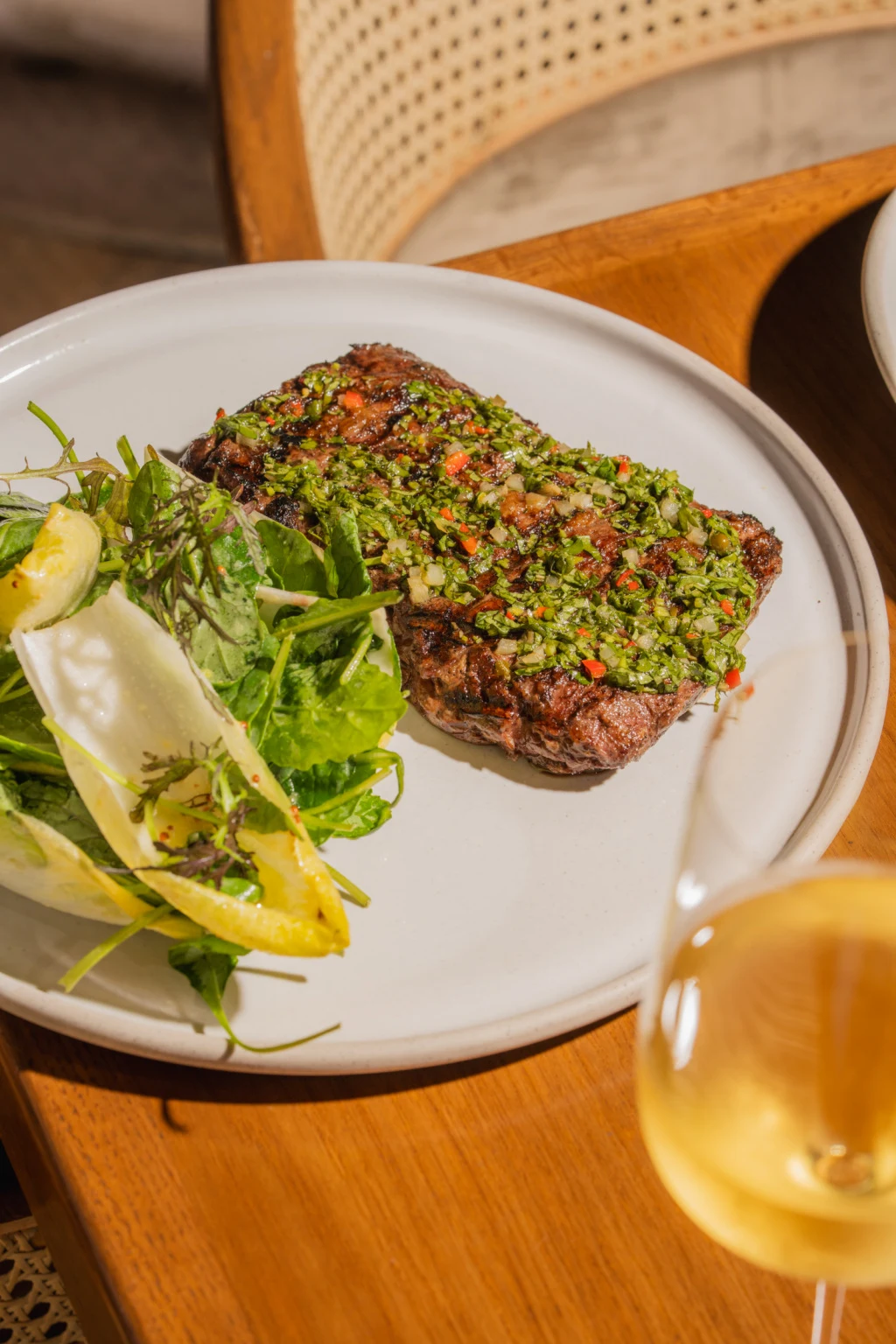
The dish is a plated filet mignon with herb topping and a side salad.
In 1993, White arrived in Emilia-Romagna to work at two-Michelin-starred Ristorante San Domenico in Imola. He trained under chef Valentino Marcattilii and spent seven years in Italy, with additional training in Paris and the South of France. At Mika, the Riviera menu includes Italian elements. The little gem Caesar carries Parmigiano-Reggiano and Pecorino Romano. The gnocchi is ricotta-led. The Bolognese follows the method White learned at San Domenico. The lobster risotto uses aged Carnaroli rice and a 1.5-pound Maine lobster (Resy) (Resy1).
White returned to the United States in 2001 as chef de cuisine at Spiaggia. In 2002, he became executive chef of Fiamma Osteria, which later received a Michelin star, and in 2006 he published Fiamma: The Essence of Contemporary Italian Cooking. In 2007, White partnered with Ahmass Fakahany to open Due Terre and later Due Mari in New Jersey. He opened Marea in May 2009, where his work earned two Michelin stars, and he later became the former head chef and owner of Altamarea Group, whose restaurants included Marea, Ai Fiori, Vaucluse, Osteria Morini, Nicoletta, Costata, The Butterfly, Osteria Morini and Due Mari in New Jersey, and Al Molo in Hong Kong. In 2020, White and Bruce Bronster formed BBianco Hospitality. In 2023, White opened Paranza at Atlantis Paradise Island resort in Paradise Island, Bahamas. (Wikipedia3).
The Bench Work: Carpaccio, Gnocchi, Bolognese
The Wagyu carpaccio at Mika carries the clearest service number: about 80 orders a day between lunch and dinner. White uses Wagyu eye of round, sliced thin, then adds a brown butter and truffle vinaigrette, Parmigiano-Reggiano, wild arugula, and dots of black truffle aioli. The balsamic stays inside the vinaigrette, where it cuts the beef and butter rather than sitting on top in a pattern. White remembers the old habit of cooks streaking plates with balsamic and calls them “the balsamic drizzlers.” At Mika, the vinegar works from within the dressing (Resy1).
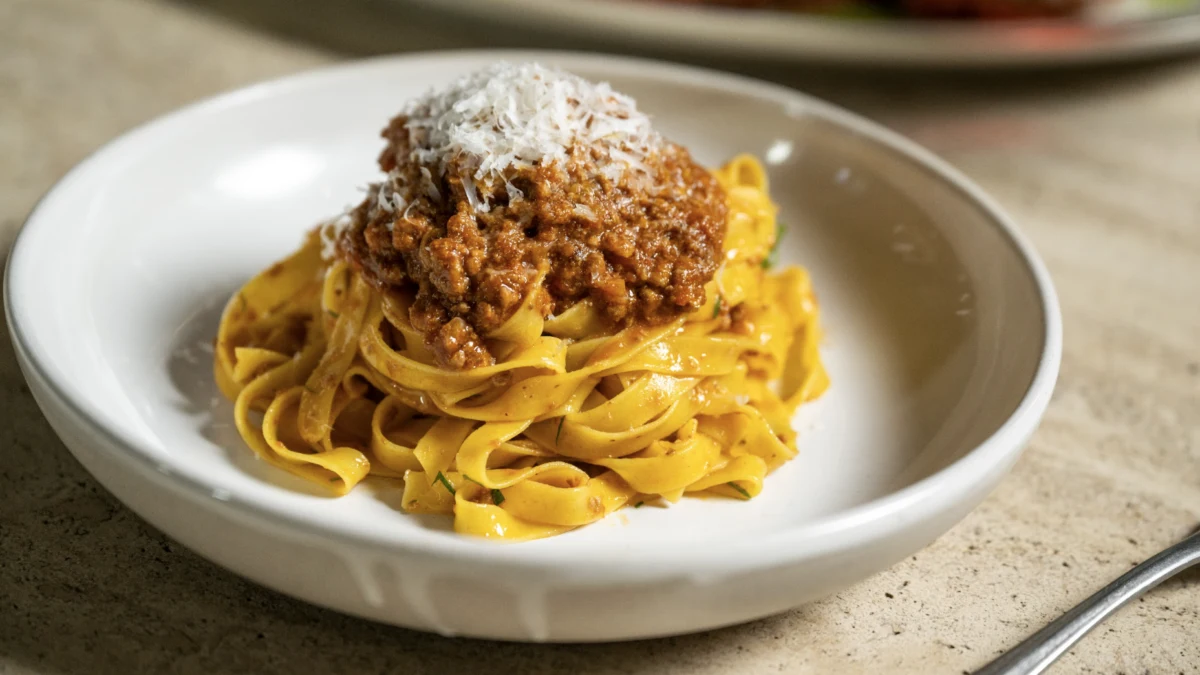
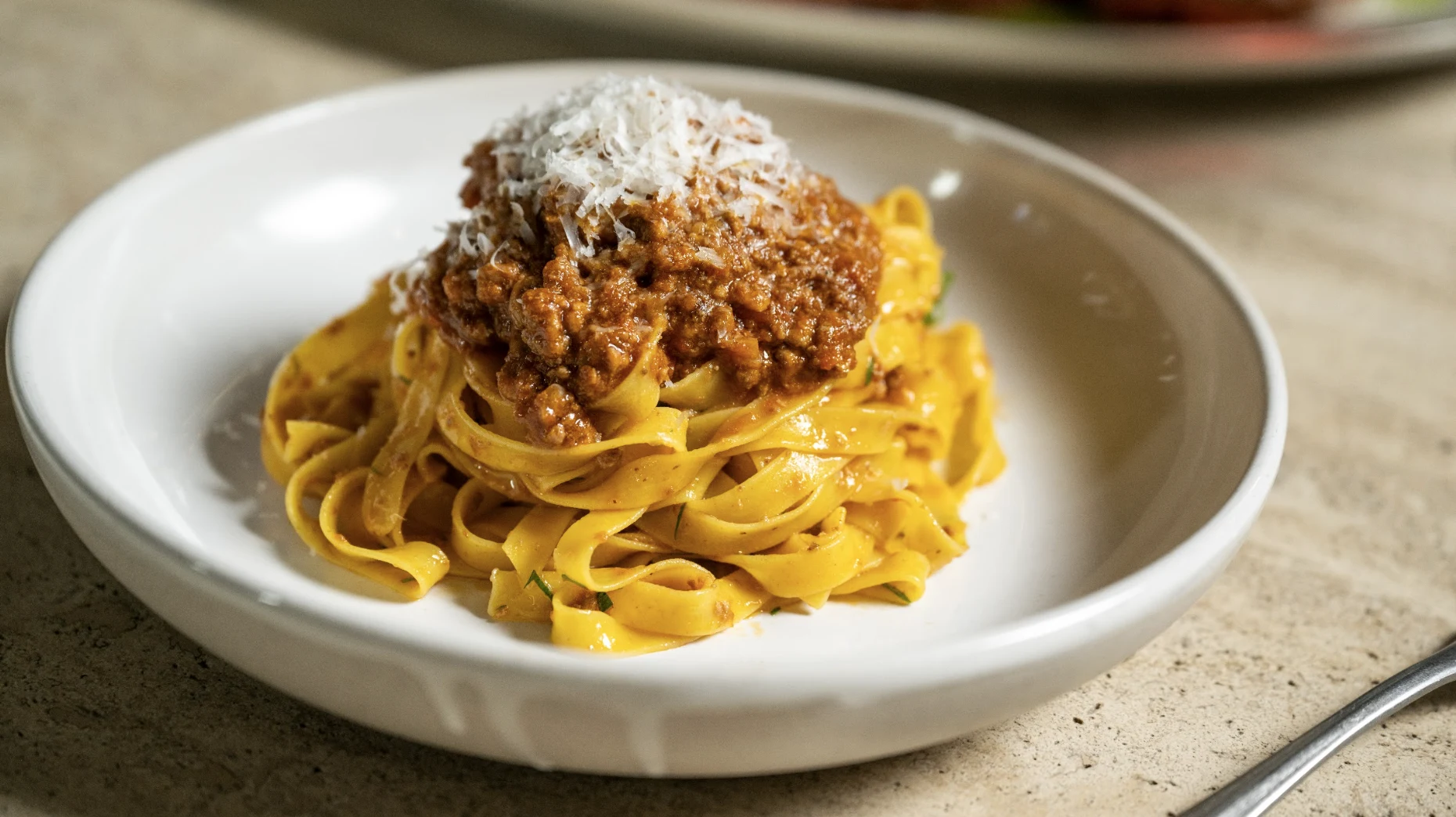
Tagliatelle pasta topped with a rich meat ragù sauce and shaved cheese at Mika Coral Gables.
The gnocchi is the dish that caught White off guard. He expected lobster and fusilli to move. The ricotta gnocchi and tagliatelle Bolognese became two of the kitchen's most popular plates. “The customer really dictates what's popular and what's not,” White says. The gnocchi contains more ricotta than flour and Parmigiano-Reggiano, a southern Italian style tied to the part of Italy where White's wife is from. White favors ricotta because potatoes shift through the year as their starch changes. The dough is rolled by hand and handled as little as possible after that.
The tomato sauce for the gnocchi cooks for about an hour, then takes a large sachet of basil. Each order gets sautéed with garlic and chile before the sauce, fresh basil, and gnocchi come together in the pan. “Some people cook tomato sauce for a hundred years,” White says. His answer is shorter cooking when the tomatoes can carry the dish.
The tagliatelle Bolognese returns directly to San Domenico. White learned Bolognese there in 1993, and Mika's ragù still follows that kitchen's discipline. The meat is coarsely ground so it keeps texture during three to three and a half hours of cooking with carrots, celery, and wine. Near the end, the kitchen adds a little chicken liver blended with milk, then cooks the sauce for another half hour. By the time it reaches the pasta, the ragù has reduced to an auburn color, close to mahogany, and lands with butter and Parmigiano-Reggiano.
Riviera Signals in the Caesar and Lobster Risotto
Mika's menu looks toward the French Riviera through caviar, seafood, steak for the table, spritzes, and Valdobbiadene prosecco during weekday aperitivo. The kitchen still gives careful station time to a Caesar salad. White uses Agostino Recca anchovies rather than paste, Parmigiano-Reggiano, Pecorino Romano, and freshly microplaned garlic. Lemon juice and red wine vinegar bring two forms of acidity. Grapeseed oil and extra virgin olive oil keep the dressing from covering the little gem lettuce too heavily.
The breadcrumbs come from a Sicilian pasta habit: crisp crumbs for texture and a way to use leftover bread. Mika's kitchen seasons them with spice and sprinkles them between layers of dressed leaves, so the crunch does not disappear after the first forkful. White knows the irony of a chef with his résumé being chased for salad. “A chef at this stage doesn't want to be famous for making great Caesar salads,” he says, “but I'll take it.”
The lobster risotto is the menu's most direct luxury marker. Mika pairs a 1.5-pound Maine lobster with aged Carnaroli rice, then whisks in lobster coral butter near the end of cooking. “When you apply heat to it, it turns bright red,” White says of the coral. The coral deepens the lobster flavor, while lemon and basil finish the dish. The lobster flavor is incorporated into the rice (Resy1).
The filet mignon sits on the same menu as the lobster risotto, and White treats it through sourcing and texture. The eight-ounce filet is a wet-aged Certified Angus cut from DemKota in North Dakota, served with wild mushrooms, celeriac, and Parmigiano-Reggiano. White says filet remains tender without a Prime grade because it comes from a nonworking muscle. He also points to the change in Florida sourcing for the ribeye, Wagyu strip, and Fiorentina. “It was not always this easy-to-get meat in Miami,” he says. The crispy potatoes beside the steak are cooked as salt-baked large potatoes, cooled, broken apart, and fried again.
What the Room Gives Coral Gables
Mika is at 3007 Ponce De Leon Blvd in Coral Gables, where White is working beyond the New York system that made Marea and Ai Fiori reference points for many cooks. The room serves office workers at lunch and Coral Gables regulars at dinner. White's stated idea, “truffles and blue jeans,” needs both groups to make sense: the diner ordering lobster risotto, the bar guest taking a weekday spritz, the table sharing carpaccio because White recommends it that way.
The Bolognese shows the San Domenico years. The Caesar shows a chef willing to tune a common dish through anchovy choice, oil ratio, layered breadcrumbs, and two acids. The gnocchi shows production discipline, with at least 15 pounds made daily by hand. The lobster risotto shows a Riviera-facing plate built through rice selection, coral butter, lemon, and basil. Those details remain on the plate.
Mika is White's first standalone Florida restaurant, and reservations drop 90 days in advance. The weekday lunch prix-fixe costs $42 for two courses or $48 for three, with the ricotta gnocchi and tagliatelle Bolognese among the entrée choices.
How to Visit the Plaza Kitchen Now
Mika is open for lunch Monday through Friday from 11:30am to 3:00pm. Aperitivo runs Monday through Friday from 4:00pm to 7:00pm. Dinner runs Monday through Thursday from 5:30pm to 10:00pm, Friday and Saturday from 5:30pm to 11:00pm, and Sunday from 5:00pm to 8:30pm. Sunday brunch runs from noon to 4:00pm. Reservations drop 90 days out, which matters for a restaurant moving 80 carpaccios a day and drawing both weekday lunch traffic and evening regulars.
Order the Wagyu carpaccio to see how the brown butter, truffle, balsamic, arugula, and beef are kept in check; the ricotta gnocchi to feel the lightness White protects by limiting handling; the tagliatelle Bolognese for the San Domenico line; the lobster risotto for the coral butter and aged Carnaroli rice. White now accepts being known, in Coral Gables, for the crunch between leaves.
White has already named the diner as the force that decides what stays popular. In this room, that decision is being made plate by plate, through carpaccio at lunch, gnocchi at dinner, and a Riviera idea filtered through a cook who learned his Bolognese in Imola in 1993.
The Sunday letter
Get the next Made By guide in your inbox.
We send one email every Sunday morning with the guides and profiles we published that week.