In the early afternoon at Saam, workers are already pounding curry mixtures for dinner, pulling aromatic oils out of herbs before the first table sits down. Chef Thitid “Ton” Tassanakajohn opened Saam, his first U.S. restaurant, in San Francisco ’s SoMA neighborhood in late July with restaurateur Tee Atthapon. The Saam SoMA restaurant brings his modern Thai method, formed through Bangkok ’s Le Du and a stateside path through the Culinary Institute of America in Hyde Park, Eleven Madison Park, and Jean-Georges, into a kitchen built around California ingredients.
The opening matters because Tassanakajohn has not arrived as a name placed above a familiar menu. He comes with a specific body of work: Le Du, the Michelin-starred Bangkok restaurant he opened after returning to Thailand, was named best restaurant in Asia in 2023. At Saam, he and Atthapon are not serving pad thai or drunken noodles. The proposition is narrower: lesser-known regional Thai dishes, local farms and purveyors, seafood from the coast, curries pounded fresh each day, and a menu that holds about half its shape while the rest moves with the season.
Why the Saam SoMA restaurant matters for Bay Area dining
San Francisco has long been a city where Thai cooking has fed neighborhoods, late shifts, student budgets, office lunches, and family tables. Saam enters that landscape from another angle. Tassanakajohn treats Thai cuisine as a modern kitchen discipline, not as a fixed list of familiar dishes. The Saam SoMA restaurant is his first venture in the United States, and he has chosen California for access to produce, fish, shellfish, beef, duck, herbs, tomatoes, melons, and fruit that can carry Thai flavors without needing to imitate Bangkok.
Atthapon gives the project a local spine. He opened Ruay Mitr Chicken and Rice and Song Wat in San Francisco, and Kan Kiin in Daly City. Those names place him inside the Bay Area’s Thai dining network, where a restaurant has to answer to Thai diners, local cooks, office workers, and food travelers at the same time. Tassanakajohn brings the Le Du lineage; Atthapon brings time on the ground in San Francisco and Daly City. Saam depends on both.
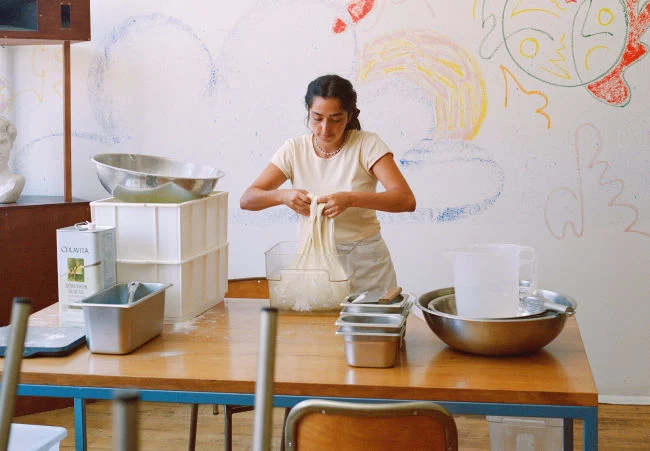
The craft statement sits in the labor. All curries are made from scratch and hand-pounded fresh daily. Workers begin in the early afternoon for dinner service, because each curry dish depends on a paste whose oils have not faded into storage. The method rejects the convenience of frozen or processed curry bases. That choice affects the pass before it affects the guest: more prep, more hands, more risk of inconsistency, and a clearer path to fresh aroma.
The menu structure carries the same discipline. Saam keeps about half the menu constant and rotates featured dishes according to what is in season. That gives regulars a way back in, while leaving the cooks exposed to California’s calendar. When salmon fisheries closed after the debut week, king salmon left the menu and line-caught halibut came in. A restaurant that ties itself to local supply has to move when supply moves.
The chef behind Saam: Thitid “Ton” Tassanakajohn’s lineage
Tassanakajohn’s training gives Saam its grammar. He attended the Culinary Institute of America in Hyde Park, New York, then worked at Eleven Madison Park and Jean-Georges before returning to Thailand. Those kitchens matter less as trophy names than as evidence of method: station discipline, sequencing, sauce work, repetition, the ability to run refinement without losing heat. He later opened several restaurants in Thailand and other parts of Asia, including Le Du in Bangkok.
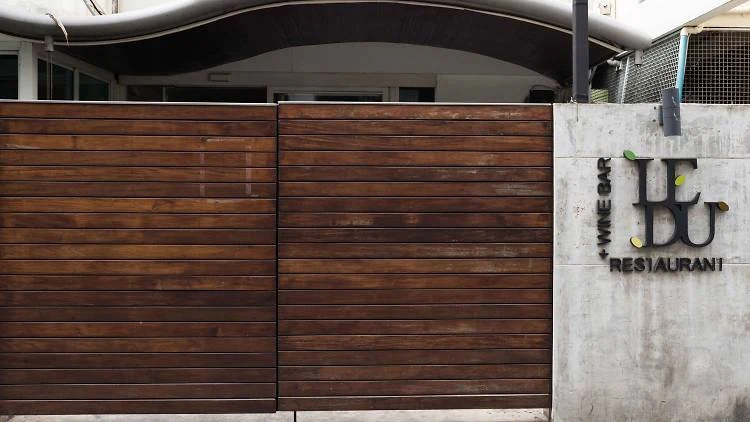
Le Du is the predecessor the Bay Area will read into Saam. It is Michelin-starred, and it was named best restaurant in Asia in 2023. Saam is not Le Du San Francisco, and it should not be approached as a copy. The difference begins with the pantry. Bangkok gives one set of markets, climates, fish, herbs, fruits, and references. California gives another. Tassanakajohn’s task at Saam is to apply a learned Thai framework to what the cooks can buy here.
That distinction keeps the opening from becoming a simple import story. Tassanakajohn’s hands were trained in New York, returned to Thailand, built a Bangkok restaurant that earned regional recognition, then came back across the Pacific with Atthapon into SoMA. The route is circular, but the food cannot be.
A curry paste pounded for duck from Root Down Farm in Petaluma is not the same proposition as the same technique applied to a different bird from a different place. Beeman Ranch beef gives the kitchen another protein path.
K&J Orchards, Root Down Farm, and Balakian Farms put named farms into the menu’s working vocabulary, not as decoration, but as sources the cooks have to shape around.
What to Expect on the Menu: Modern Thai Meets California Produce
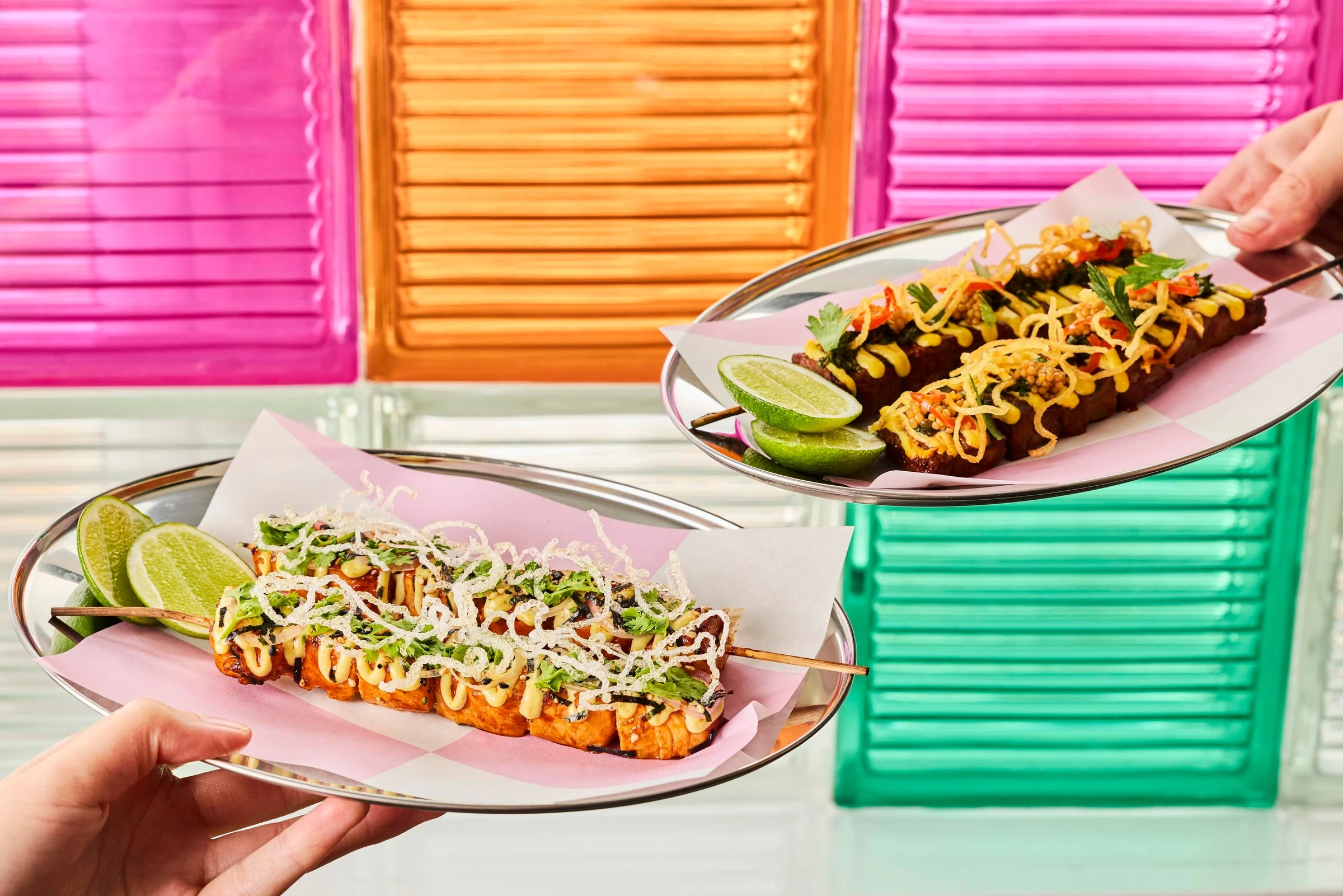
The menu at Saam leans heavily into seafood, with local fish and shellfish caught off the coast. It also includes Beeman Ranch beef and duck from Root Down Farm in Petaluma. The point is not a California-Thai compromise, where Thai flavors are softened for the room. Tassanakajohn is working from the opposite belief: Thai cuisine can take on local ingredients without giving up its structure.
“Thai cuisine can be so versatile, that you can cook it with any ingredients and it's actually very good. Here in California, we're lucky that we have all the fresh produce all year round. It would be a shame to not show those produce in Thai cuisine.” said Thitid "Ton" Tassanakajohn.1
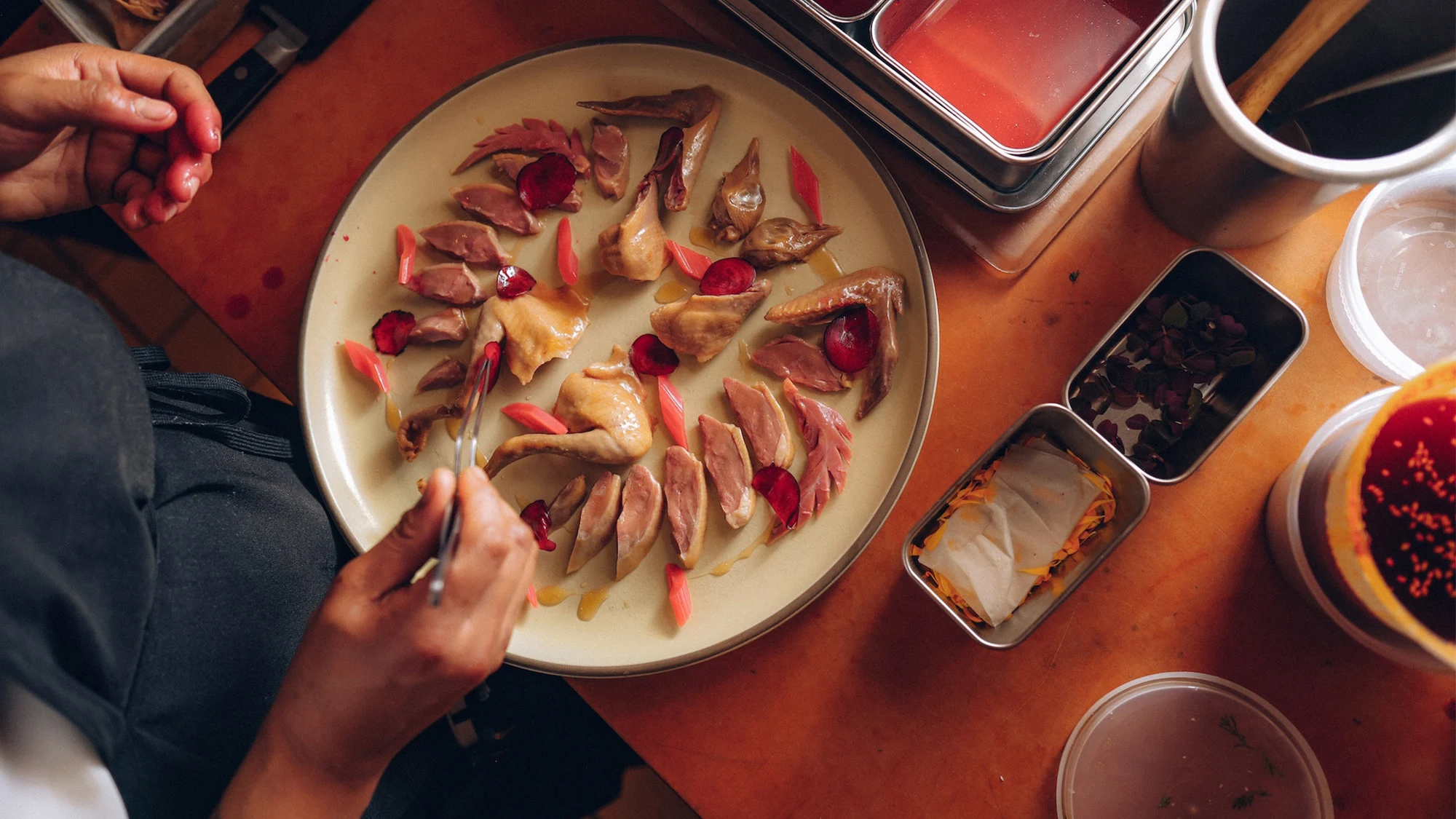
That sentence explains the room better than a list of plates. At Saam, the California side is not an accent placed at the edge of Thai cooking. It is the material. During the debut week, king salmon appeared on the menu. After salmon fisheries closed, the kitchen moved to line-caught halibut, heirloom tomatoes, and melons. Balakian Farms in the San Joaquin Valley provided tomatoes that were paired with fresh akami tuna, herbs, and a Northern-style green sauce made with fresh herbs, fermented fish sauce, and Chiang Mai peppercorn. Persimmons and other fruits are expected to enter the menu in the coming weeks and months.
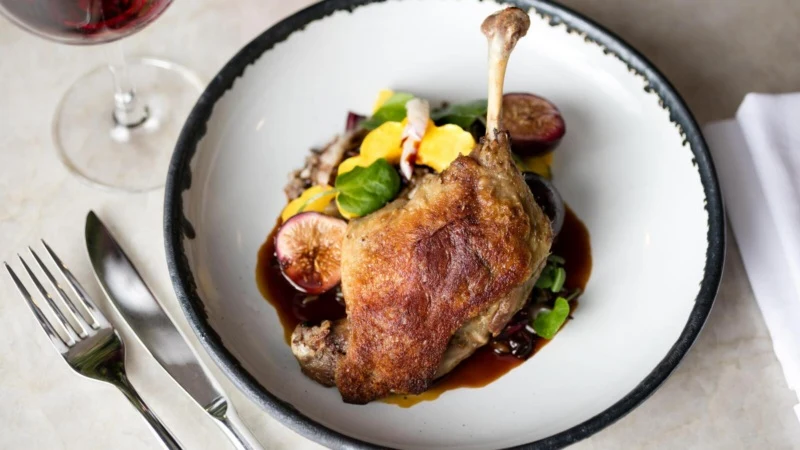
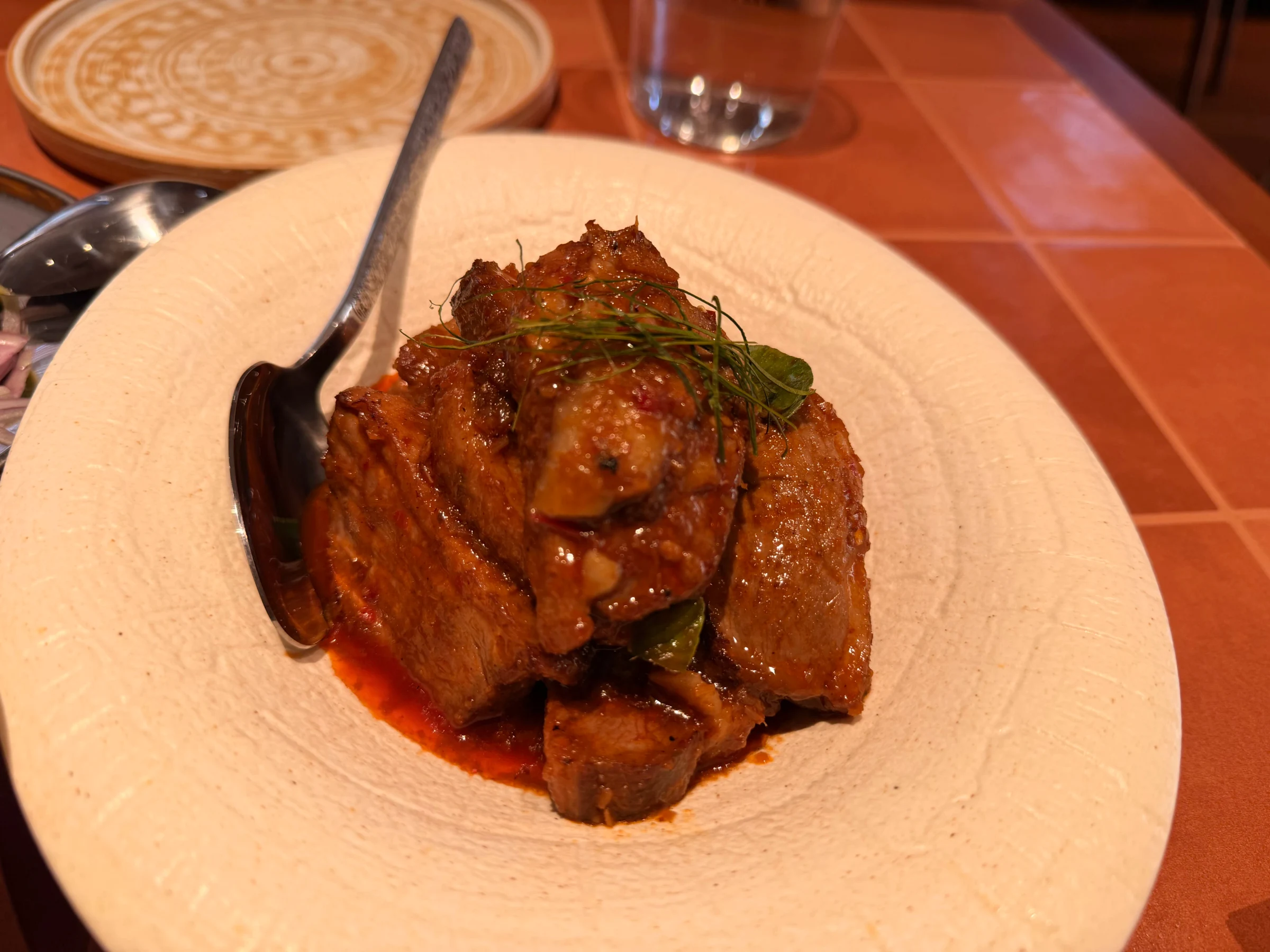
The curry station is the clearest expression of the method. Each mixture is pounded so the aromatics and oils stay fresh. The kitchen uses that work for dishes such as a Root Down Farm duck curry with shrimp paste and young coconut, and a vegan curry with cauliflower, mushroom, onions, and toasted coconut. The hand-pounded curry is not a nostalgic gesture. It is a technical decision about volatile aroma, fat, and time. Processed or frozen curry paste can feed a dining room efficiently. Saam has chosen the long way.
Spice levels are marked on the menu from one pepper to three. The very spicy dishes are presented as such, and diners are expected to choose with care. Sauces are made in-house; the source account singled out chile paste and jaew, the Thai dipping sauce for grilled meat, as highlights. Even without treating those sauces as signatures, they tell you where the kitchen’s attention sits: condiments are not side work here. They are part of the architecture.
Dessert follows the same pattern of familiarity interrupted by technique. Mango sticky rice appears, but Saam’s version uses a meringue palm sugar top. A pandan “panna cotta” jelly dessert comes with banana ice cream, toasted slivered almonds, and two types of fresh melon. The kitchen is not abandoning recognizable Thai flavors. It is changing their texture, temperature, and finish.
The farms, fisheries, and curry bench behind the plate
A restaurant built on local supply has to name its sources, and Saam’s early menu gives several. Root Down Farm provides duck for the curry dish. K&J Orchards appears among the farms in the kitchen’s orbit. Balakian Farms in the San Joaquin Valley supplies heirloom tomatoes. Beeman Ranch beef gives the kitchen another anchor beyond seafood. Local Asian farmers from the Civic Center farmers’ market provide harder-to-find Southeast Asian herbs used throughout the menu.
Those relationships carry pressure in Thai cooking. Herbs are not garnish when the sauce depends on their oils. Fish sauce is not background when a Northern-style green sauce relies on fermented fish sauce and Chiang Mai peppercorn. Fruit is not decorative when melons and persimmons shift the menu’s cooling and sweet registers against chile, herbs, shrimp paste, and coconut. The ingredient list changes the labor at the bench.
The Saam SoMA restaurant is therefore a seasonal restaurant in a practical sense, not only a descriptive one. About half of the menu remains the same, which gives the cooks a recurring base and gives returning diners a thread to follow. The other half turns with what is available. That means the kitchen’s identity cannot rest on a single fixed plate. It rests on the method: pound the paste daily, source locally, keep the Thai flavor structure intact, let the California ingredient speak in the dish without asking it to pretend to be something else.
There is risk in that. A diner chasing last week’s king salmon will not find it if the fishery closes. A tomato dish tied to Balakian Farms will carry the life of that tomato crop. A fruit dessert may move as the season moves. For cooks, this is the price of cooking from the market instead of from a frozen template. For diners, it is the reason to return before assuming they have understood the place.
Booking Saam in SoMA: dinner now, lunch still a question
Saam is currently open only for dinner service, and prime-time reservations go quickly. That scarcity is part of the opening’s early reality, not a mystery to solve with hype. A first U.S. restaurant from the chef behind Le Du, opened in partnership with Atthapon in San Francisco’s SoMA neighborhood, was always going to draw diners who follow chefs across borders. The narrower the service window, the tighter the table supply.
For food travelers, the practical read is simple: book ahead, be flexible on time, and pay attention to the menu’s movement rather than arriving with a fixed checklist. The dish that explains Saam on one visit may be the fresh akami tuna with Balakian Farms tomatoes and Northern-style green sauce. On another, it may be the Root Down Farm duck curry, or a seafood dish built around line-caught halibut after salmon left the board. The room’s lesson is seasonal, not static.
Lunch may come later, but it has not arrived yet. Tassanakajohn has said the team is considering a more casual, limited-menu lunch service for the local working crowd. If that happens, it will matter for SoMA in a different way than dinner does. Dinner carries the debut and the food-traveler signal. A limited lunch would test how this kitchen translates its method for workers nearby, with simpler service and a different rhythm on the pass.
For now, watch the dinner menu and the curry bench. Saam’s next chapter will not be measured only by how fast reservations disappear, but by how Tassanakajohn, Atthapon, and the kitchen keep Thai technique alive inside California’s changing market basket.