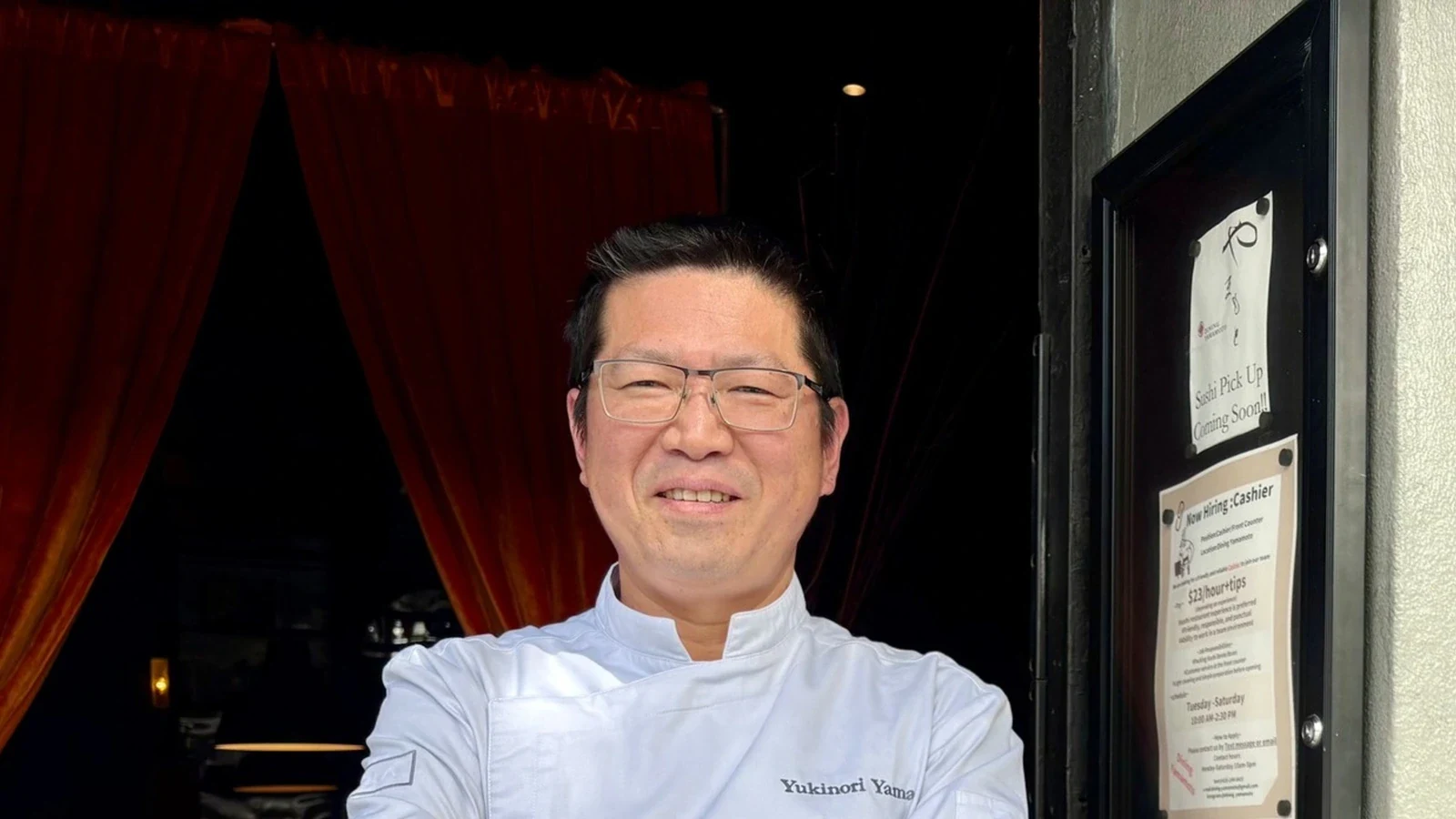
Yukinori Yamamoto is opening his first restaurant in San Francisco after eight years with chef Michael Mina's restaurant group, where he worked as executive sushi chef. Dining Yamamoto debuts Wednesday, April 1, at 167 11th Street in SoMa, open 11 a.m. to 2 p.m., Tuesday through Saturday, with limited items served from March 26 through 28 before the full opening.
Yamamoto is packing sushi-counter fish into a three-hour midday service: bento boxes, chirashi bowls, nigiri, and maki built for lunch rather than a long evening progression. He calls the lunch program "omakase-quality," but the opening format is compact: cut fish over rice, boxed combinations, and the discipline of making a brief service window carry the judgment of a sushi bench.
Yamamoto Chooses Lunch First, by Structure and Intent
Yamamoto is opening with sushi bento boxes and chirashi donburis, with imported ingredients from Japan anchoring the menu. The format is practical, but not casual in the way it asks for attention: proportion, temperature, cut, and rice all have to hold once the order leaves the hand.
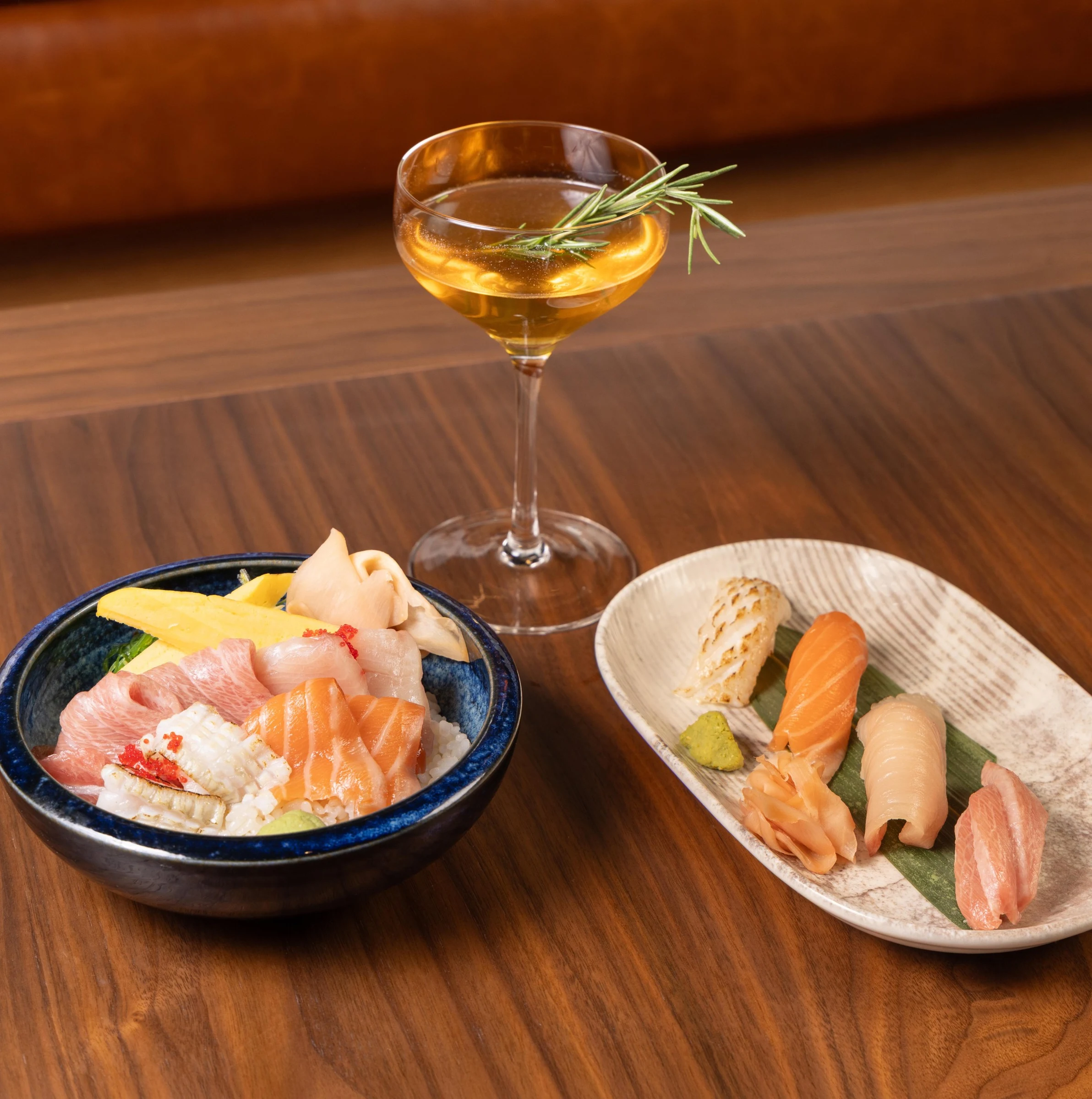
Bento and chirashi do not forgive careless assembly. Rice has to support the fish without swallowing it. Cuts need to hold their shape. A bowl has to read in layers rather than courses. Yamamoto's opening question is precise: how much of a sushi counter's care can fit into a midday order.
Prices run from $25 to $46. At launch, diners can order bento boxes in person at the restaurant; Yamamoto plans to add online ordering in a few months.
Yamamoto's Bento Boxes Start With Imported Fish
The Kaizen Chirashi Donburi gives the clearest view of Yamamoto's opening hand: bluefin tuna, salmon, hamachi, madai, sweet shrimp, ikura, and uni over rice. The Hosomaki Trio works differently, pairing bluefin tuna, salmon, and hamachi with cucumber, pickled daikon radish, and green onion. At the richer end of the bento menu, the Toro Lover folds caviar and truffle alongside medium-fatty tuna and salmon toro.
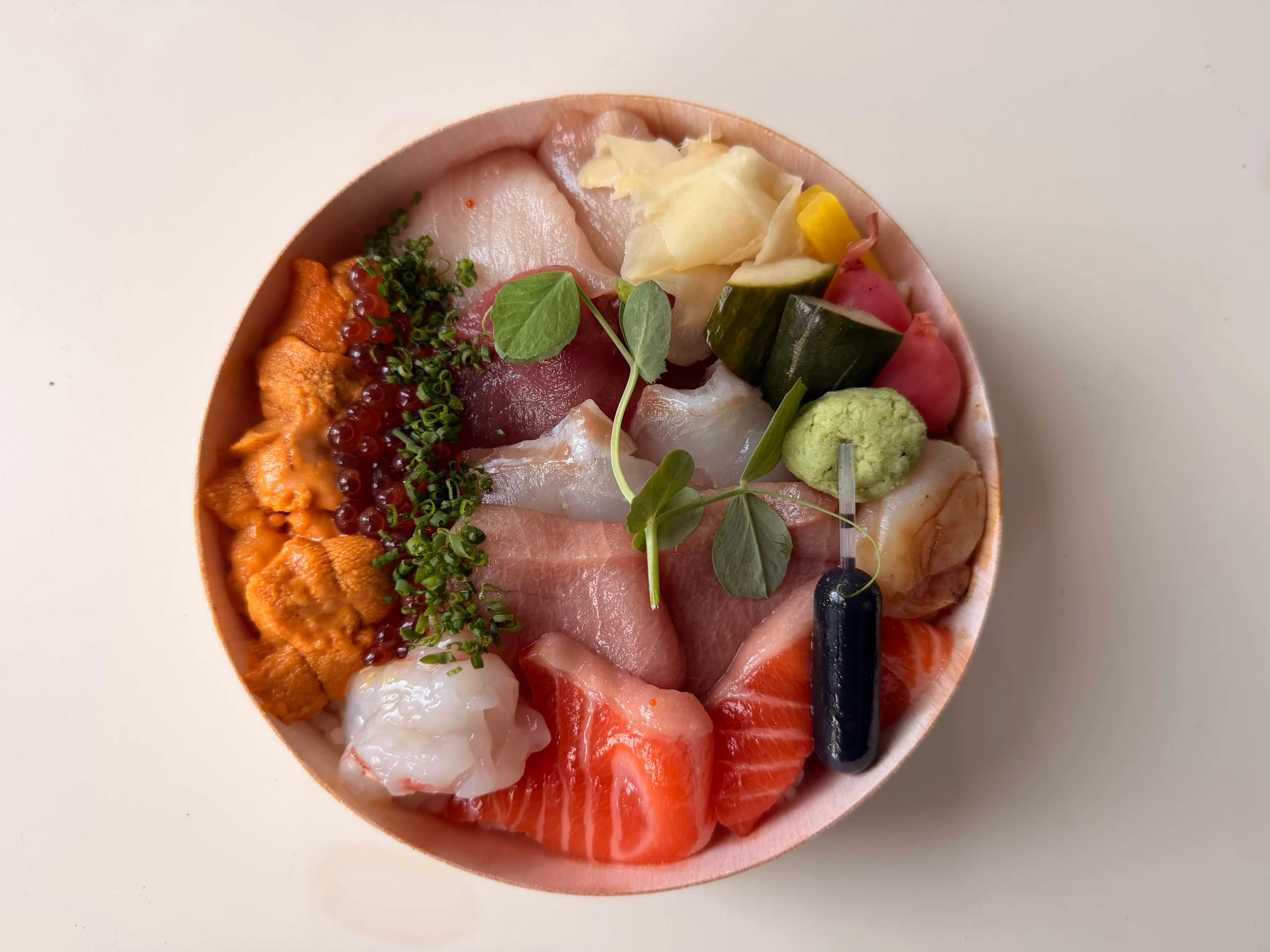
A narrow roll leaves little margin; too much rice dulls the fish, too little structure loosens the piece before it reaches the hand. The more luxurious boxes draw from Yamamoto's years in high-end restaurant service, but here that language is compressed into lunch rather than stretched across an evening tasting menu.
Yamamoto's Line: Osaka, Tsu, Mina, His Own Bench
Before San Francisco, Yamamoto worked at Kagaman in Osaka and Sushimoto in Tsu. He moved to the United States 10 years ago, spent eight years with Mina Restaurant Group, and now, at 55, is putting his own name on the door.
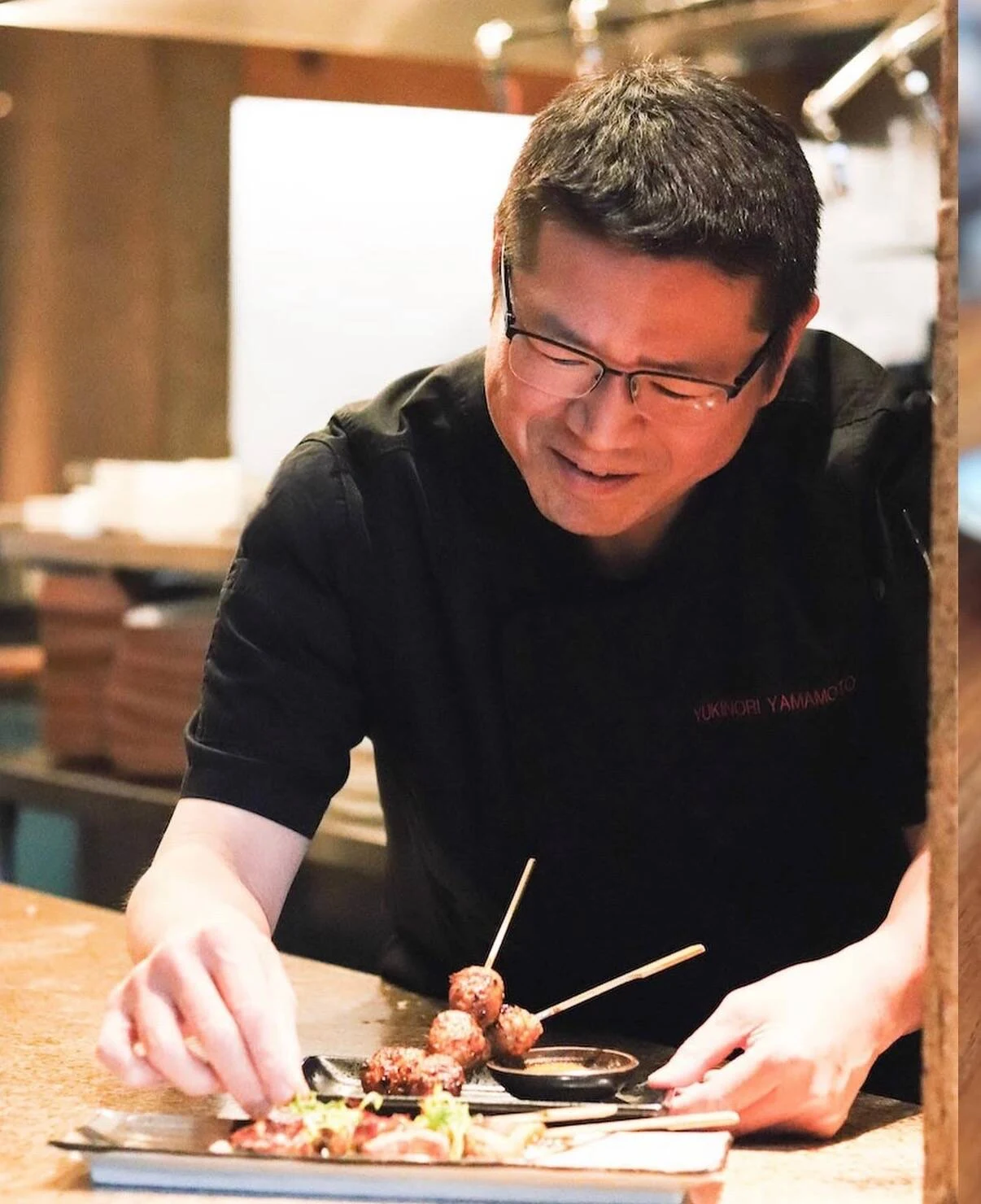
"I have to make a restaurant right now," he says. "I can't wait more." The sentence is plain because the sequence behind it is plain: Japanese restaurant kitchens, a decade in the United States, a long run as executive sushi chef, then ownership.
Dining Yamamoto is not Yamamoto's first step into sushi. It is his first step into running this room, this menu, this service window. The name on the restaurant now matches the hands responsible for the bench.
Why Yamamoto Chose the Lunch Format
An omakase counter lets a chef control time. A lunch box changes the problem. The food is composed before the diner receives it, so proportion carries more weight. Garnish cannot behave like decoration alone; it travels with the main work.
Yamamoto's first menu lives inside that constraint. Chirashi asks for balance across the surface of rice. Hosomaki asks for clean compression. A luxury bento asks how much richness belongs in one container before the focus breaks. Each format tests a different part of the sushi chef's craft.
That is the useful way to read Yamamoto's opening. He is compressing sushi vocabulary into lunch without treating lunch as lesser work. The cut is there or it is not. The rice supports or it does not. The box has focus or it loses the thread.
What Yamamoto Plans After the First Service
The lunchtime bento boxes are only the first step in Yamamoto's restaurant plans. He will also offer catering and open the space to private parties, with hopes to add a full omakase dining experience next year.
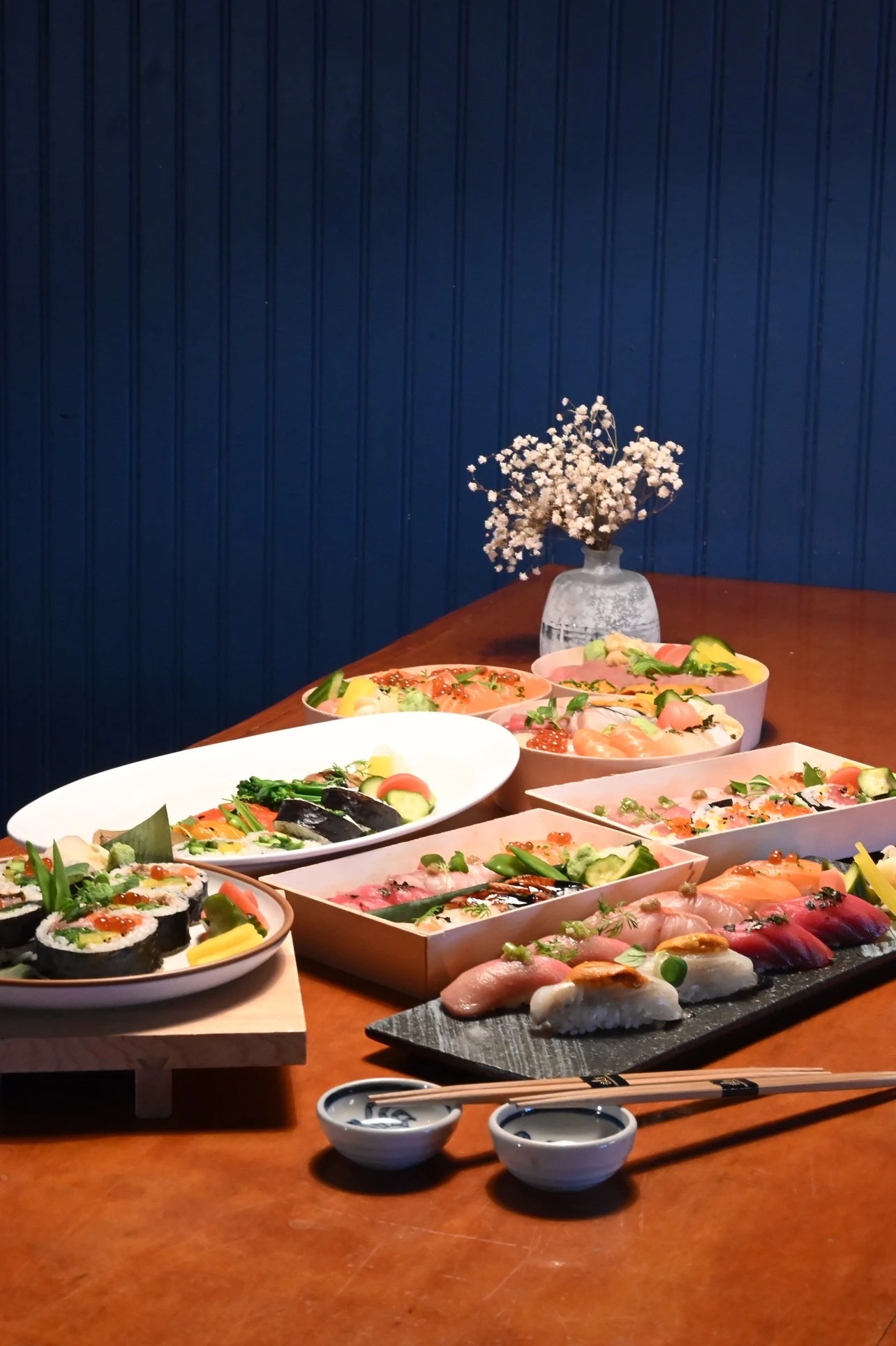
For now, Yamamoto begins with a contained format and a decision not to wait any longer. The craft is in the compression.