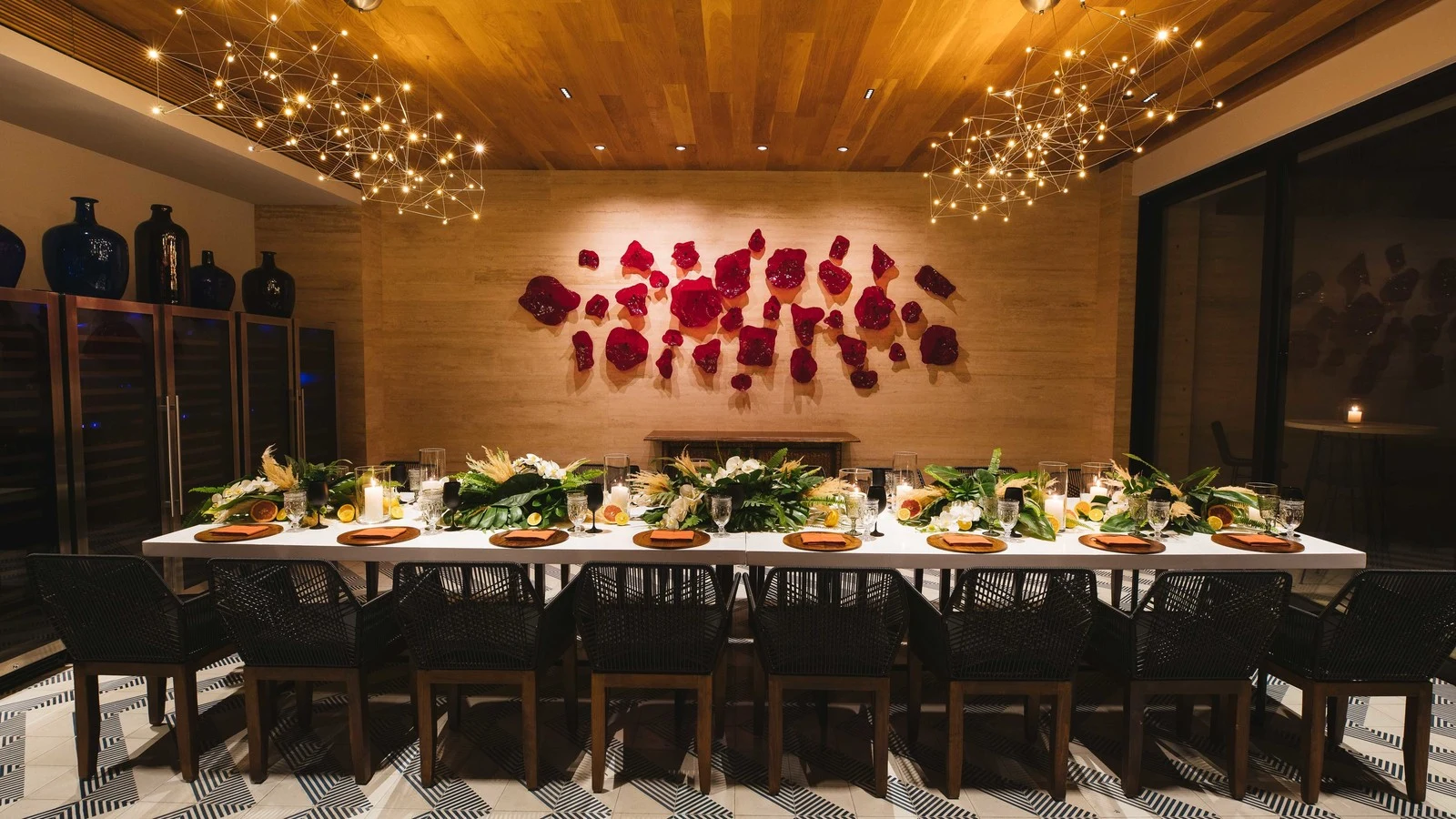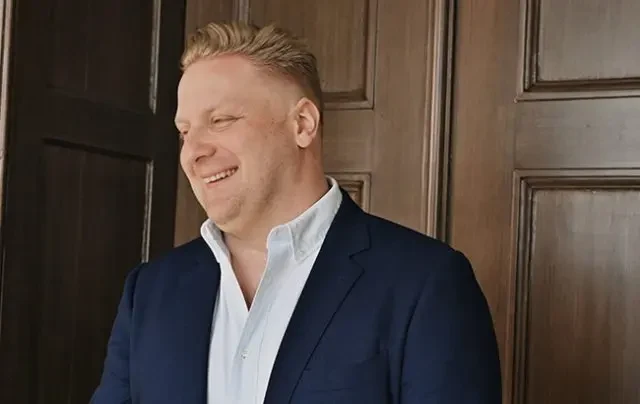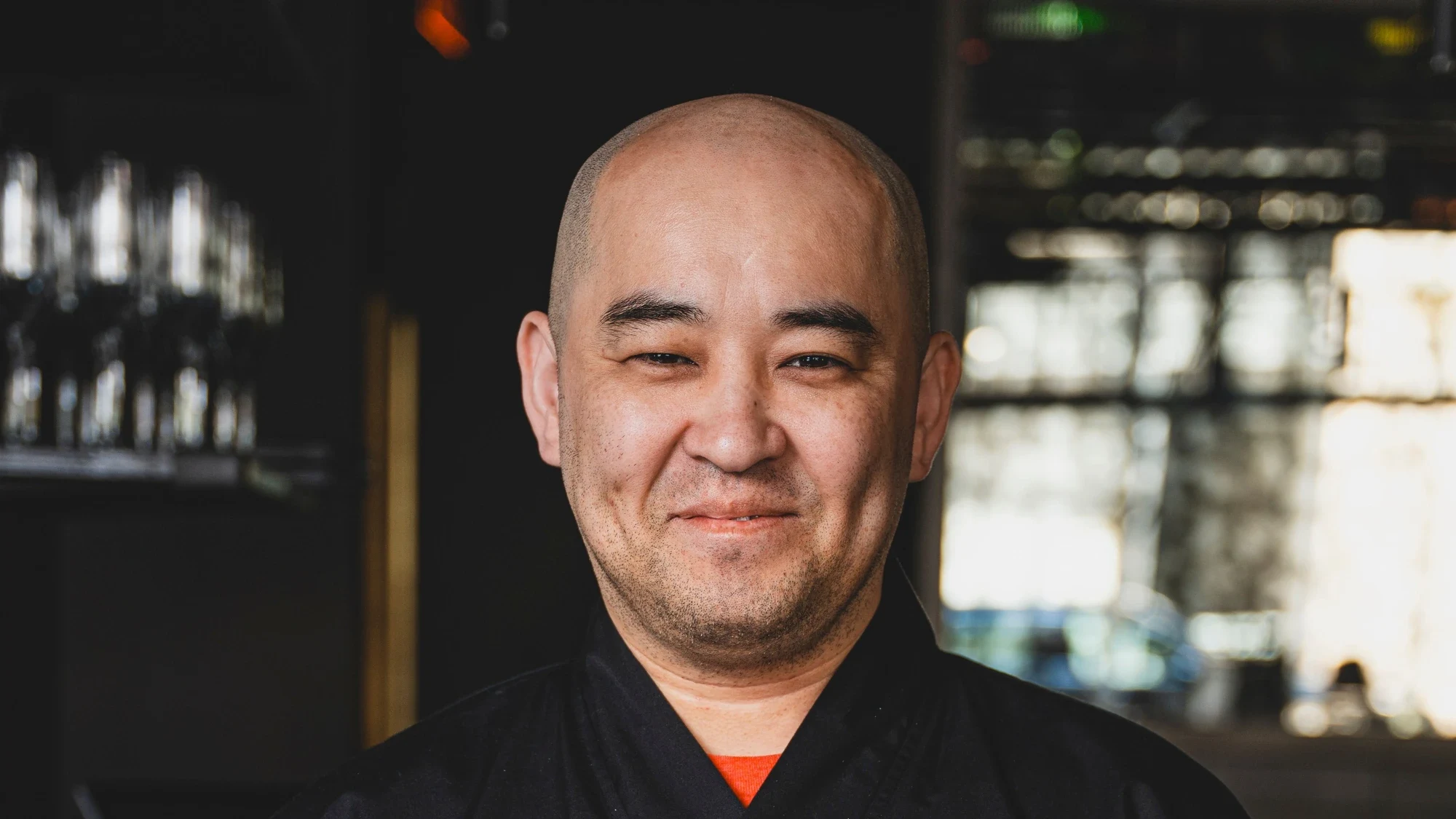
Masaaki "Uchi" Uchino starts lunch with soup as a signal: the miso comes from his own fish stock, and the pieces move across a counter built for close work. Kiyomi opens Tuesday, April 14, at 1895 L St., NW, as his standalone, 16-seat, counter-only sushi restaurant in downtown DC. The room follows the momentum of the Kiyomi counter that drew attention inside the Square food hall in 2023 with a 30-minute omakase lunch deal.
Uchino spent five years at DC's high-end Sushi Nakazawa, and he continues to work with the same seafood purveyors. He also oversees the sushi menu at Katsumi on 14th Street. At Kiyomi, those lines of training and procurement sit in direct view: fewer seats, fewer layers, less distance between the chef and the guest.
Uchino is opening dinner after lunch, not before it. The reserved omakase begins with a narrow weekly format, and he has tied that restraint to the physical reality of the work: "to maintain my body and health."
Uchino Opens With Lunch, No Reservations
His first public rhythm is weekday lunch without reservations, with à la carte sushi and two set-course options. The original Square food hall price carries over here: $40. One course serves seven pieces of nigiri and a choice of handroll, with the nigiri delivered piece by piece. The other offers six handrolls, with possible fillings including spicy tuna, yuzu-garlic yellowtail, or soy-braised black cod.
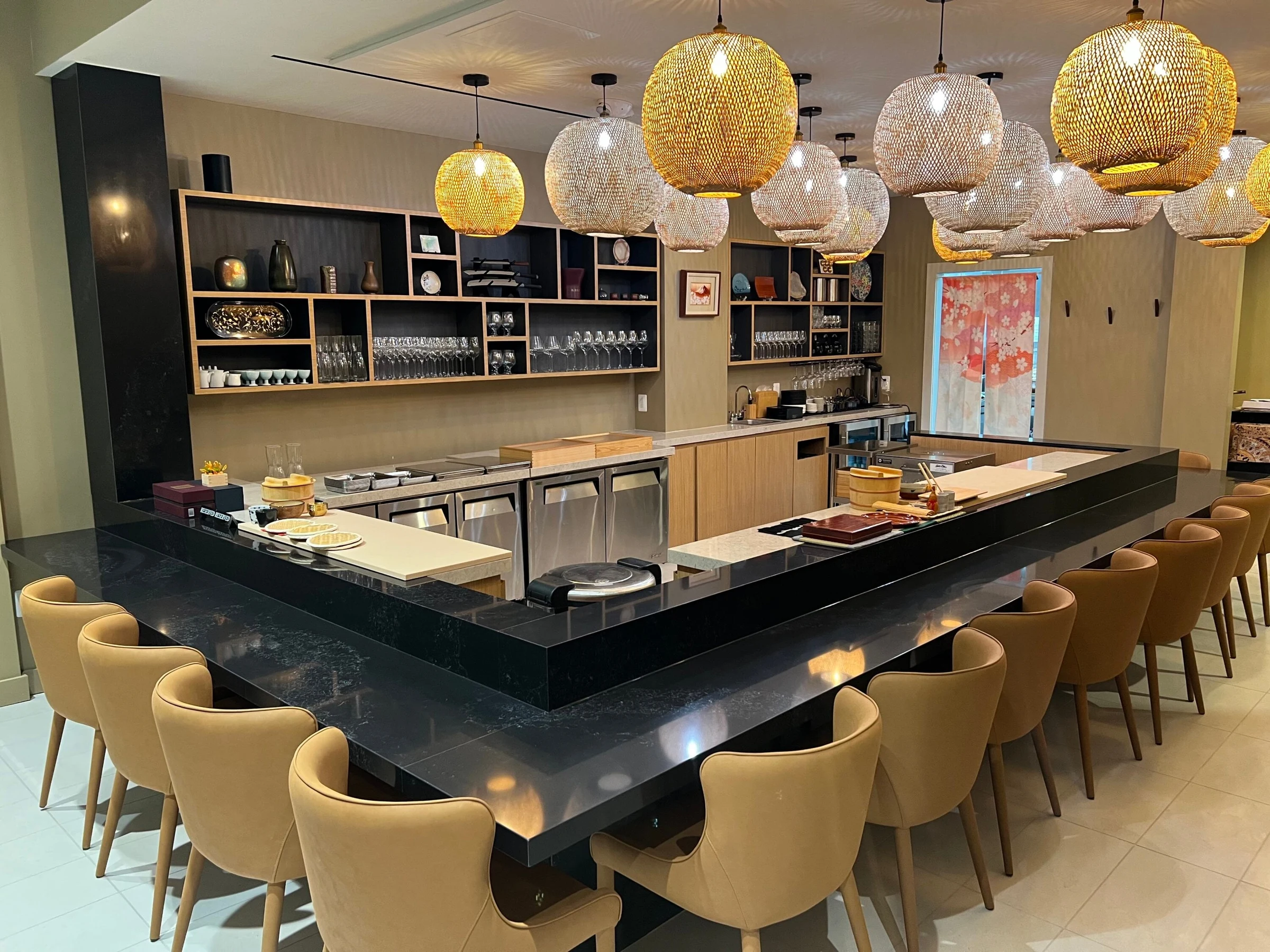
Handrolls are also available individually for $7, alongside nigiri and basic rolls such as California. That structure gives the counter more than one pace. A diner can sit for a defined sequence, add a single roll, or build a shorter meal around individual pieces.
Lunch is a harder test than it looks. A brief service asks for repetition without drift: rice held correctly, fish cut cleanly, handrolls finished before the nori loses its snap. Uchino's opening plan puts that pressure at the center of the restaurant from the start.
Uchino's Training and the Decisions It Shapes
Training becomes legible at a sushi counter because the guest watches the same motions that define the craft. Uchino's background gives Kiyomi a clear lineage, but the new room is not a replica of another restaurant. It is a smaller register for his own decisions: the number of seats, the lunch-first opening, the seafood sources he keeps, and the way each set is paced.
The Katsumi connection matters, too. Uchino is not stepping into Kiyomi as an isolated operator; he is carrying work already in motion on 14th Street into a space where his own name and hands lead the service. That shift changes the level of exposure. The bench does not flatter a chef who cannot repeat cleanly.
At this scale, procurement is part of the signature. Uchino keeps the seafood purveyors from his Sushi Nakazawa years, giving the restaurant continuity before it develops its own regulars. The craft is not only in the cut. It begins with what arrives at the door.
Uchino Limits Friday Omakase to 10 Guests
Beginning Friday, May 1, Uchino runs the dinner omakase once a week at 7 PM, capped at 10 guests. The price is $135 for 15 courses, plus miso soup and dessert. Reservations are available on Resy.
That limit keeps the longer meal below the room's full capacity. The choice gives Uchino fewer guests to follow at once and a smaller sequence to control from first bite to last. At lunch, the counter proves itself through speed and return visits. At dinner, he can stretch into a more deliberate progression.
Uchino also plans a limited special seating that he oversees himself. The detail fits the larger pattern: the restaurant grows by tightening the frame, not by hiding the maker behind it.
Uchino Builds a Sake Program With Range, Not Only Premium Bottles
Fifty sakes by the glass and more than 100 bottles would give Kiyomi a beverage program with its own discipline. Uchino is not building the list around expensive premium sake alone. He wants range, including bottles from Japan as well as Mexico, France, and Chile.
His ambition is direct: "My goal is Kiyomi will be the number one sake selection in the DMV." He adds that he does not intend to compete with places known for large high-end selections; the point is to make the list "unique as myself."
By-the-glass depth changes how a counter can teach. A guest can return for one pour, compare styles across meals, and let sake become part of the study rather than a single bottle decision. For a restaurant this small, the list will need upkeep, fluency, and a reason for each open bottle to earn its place.
On Sundays, Uchino eventually envisions the space as an industry-friendly izakaya, serving sake and drinking food that moves beyond sushi. That future use would keep the counter in the hands of people who understand service from the other side of the pass.
What to Watch as Uchino Opens
Read Kiyomi through sequence. Uchino opens with access: lunch first, walk-in energy, set courses, and à la carte choices. Then he adds the narrower omakase, where the reservation, the guest count, and the duration all ask for a different kind of attention.
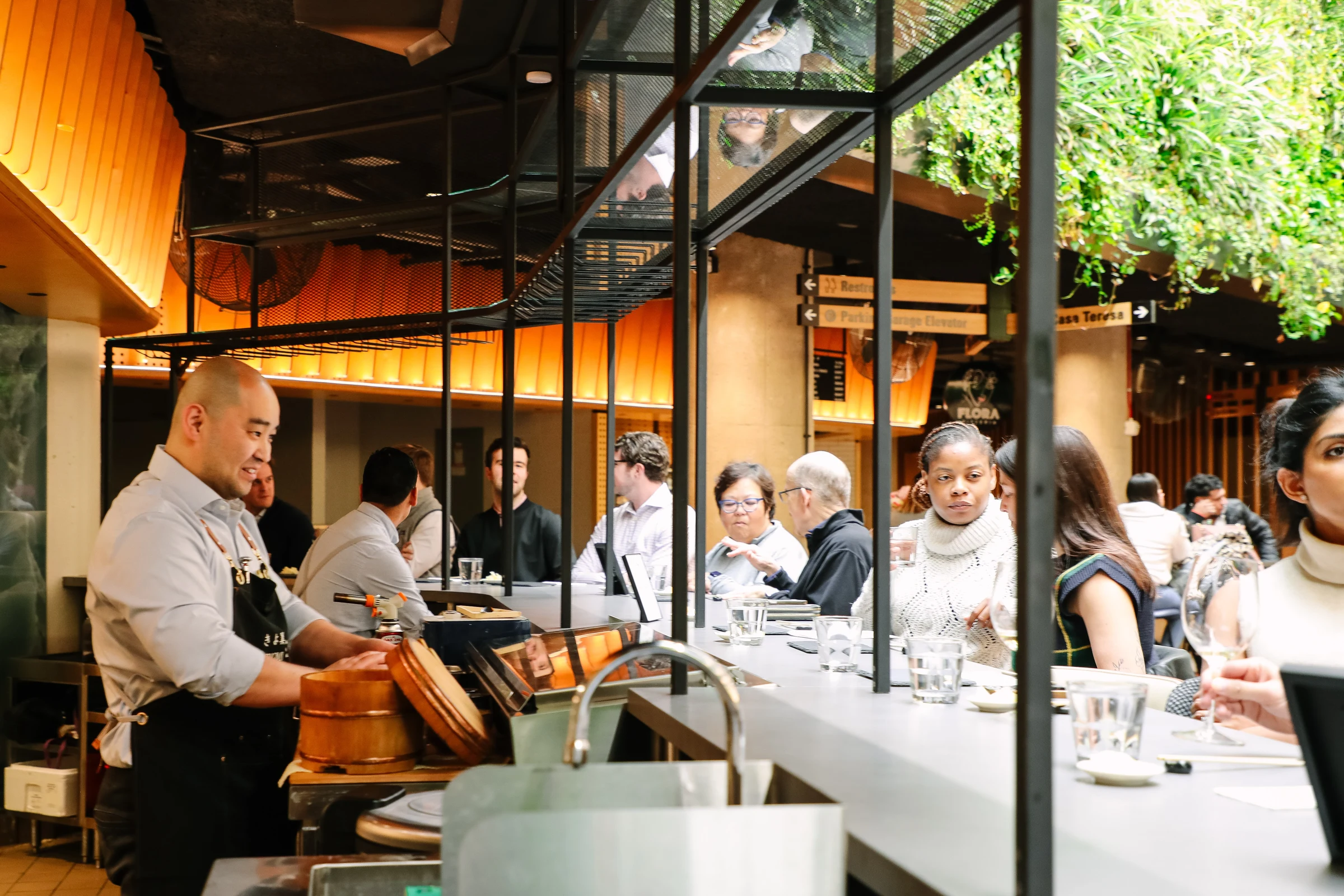
The useful measure will be repetition. Watch the lunch counter settle after its first rush. Watch how Uchino uses the longer dinner format once the weekly service begins. Watch the sake program, because that may become the second apprenticeship in the room: pour, compare, remember, return.