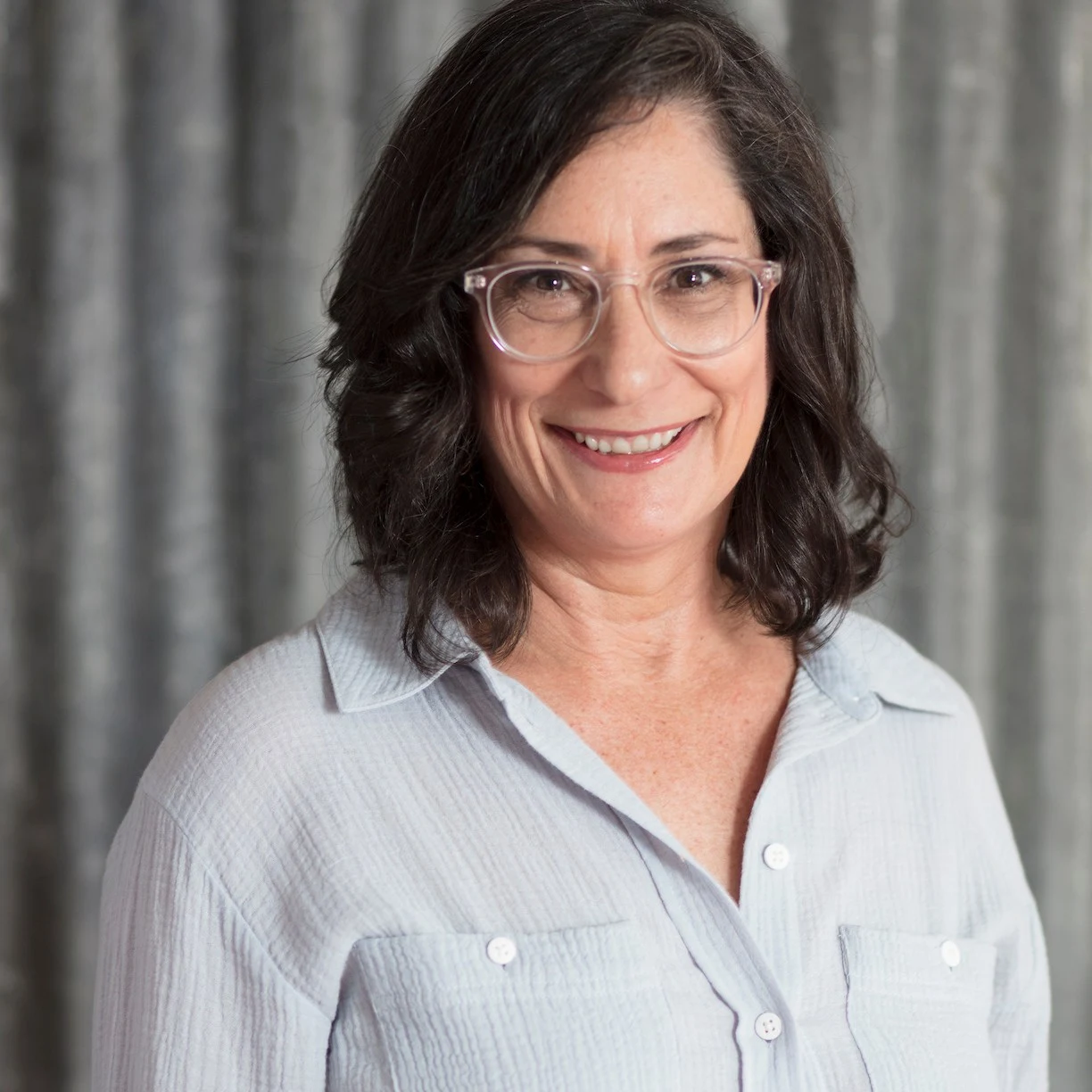
Lettie Teague drew the illustrations and co-wrote Fear of Wine: An Introductory Guide to the Grape in 1995. That first public gesture matters: before her long column work, she put a hand to the page and made wine less guarded. She was wine columnist for The Wall Street Journal from 2010 to January 2026. Now, as Lettie Teague joins New York Sun readers, the useful frame is the same: translation without thinning the subject.
Lettie Teague joins New York Sun after The Wall Street Journal
Teague's public role ran through The Wall Street Journal, where she was wine columnist from 2010 to January 2026. That duration gives the work its grain. A weekly wine column is not a cellar note pinned to a bottle, and it is not a tasting-room script. It asks the writer to stand between producer, bottle, market, meal, reader, and memory, then cut a clean line through all of them. The hand must be steady because the subject changes in the glass. For readers following Teague at The New York Sun, the useful point is simple: look for reporting that treats price, producer, label, and glass as parts of the same problem.
Teague has described her own discipline this way: "I actually consider myself a journalist who happens to write about wine rather than a wine writer." The sentence is a useful key. It rejects the ornamental version of wine prose, the kind that treats the bottle as an occasion for private vocabulary. Teague's stated allegiance is to reporting first. The bottle still matters, but the method begins with questions: who made it, what changed in the vintage, why this price, why this market, what does the label claim, what does the glass permit?
For a craft reader, that distinction is not semantic. A sommelier can build a pairing around impression; a columnist must account for the impression. The work lives at a different station. It has its own mise en place: tasted bottles, checked names, producer histories, import paths, price context, the reader's likely point of entry. The discipline resembles bench work more than performance. Cut the sentence too broad and the wine disappears. Cut it too narrow and the reader is left outside the cellar door.
Made By often studies makers through kitchens and cellars, as in Sarah Thompson's story at Casa Playa or Lisa Goodwin-Allen's work at Northcote. Teague belongs to that same craft conversation by another route. Her bench is the column. Her tools are sequence, citation, tasting memory, and the pressure to make judgment legible without turning it into noise.
How Lettie Teague learned wine through Peter Dunne's Dublin table
Teague discovered wine as a college student while living with a family in Dublin, Ireland, where the father was a wine merchant. That family was Peter Dunne's; Dunne was director of Mitchell & Son Wine & Spirit Merchants. The detail has the feel of an apprenticeship, though not the formal kind with a signed place on the roster. It is more domestic and, for wine, no less instructive: bottles opened near dinner, trade language overheard before it hardens into theory, the merchant's sense that wine begins as commerce but does not end there. Read Teague with that counter in mind; her later questions about bottle, maker, and buyer begin close to trade.
Dublin matters here because it places Teague's first encounter with wine inside a working merchant's orbit rather than a classroom built for reverence. Mitchell & Son Wine & Spirit Merchants, through Peter Dunne's role, gives the lineage a counter and a storeroom. A merchant learns through turnover, producer reliability, customer return, flawed bottles, quiet loyalties, and the practical measure of what someone will buy again. That is different from learning wine only by appellation map. It puts use beside knowledge.
The later journalist is visible in that beginning. Teague did not enter the subject, at least in the facts she has shared, through a declaration of taste alone. She encountered a trade. The maker, the merchant, and the drinker all had to be held in the same frame. That is the habit her own sentence later clarifies: journalist first, wine as the field. If the long way in wine is usually vineyard, cellar, bottle, table, her route adds another station: the reported page.
There is also restraint in what can be said. The named figure in this early formation is Peter Dunne. The named house is Mitchell & Son Wine & Spirit Merchants. The method that can be read from those facts is exposure by proximity: the student near a working wine merchant, absorbing the trade's rhythms before choosing the column as her station. No invented mentor needs to be added. The lineage is thin on paper, but it is enough to show the grain.
Lettie Teague's books: Fear of Wine, Educating Peter, and Wine in Words
Teague was illustrator and co-author of Fear of Wine: An Introductory Guide to the Grape by Leslie Brenner in 1995. Start there, not because it is the largest item in the bibliography, but because it shows the shape of her method early. Illustration asks a writer to think with proportion. Co-authoring an introductory guide asks the same thing in sentences: how much structure does a beginner need, where does detail become obstruction, when does a word like acidity help and when does it merely mark the speaker as initiated?
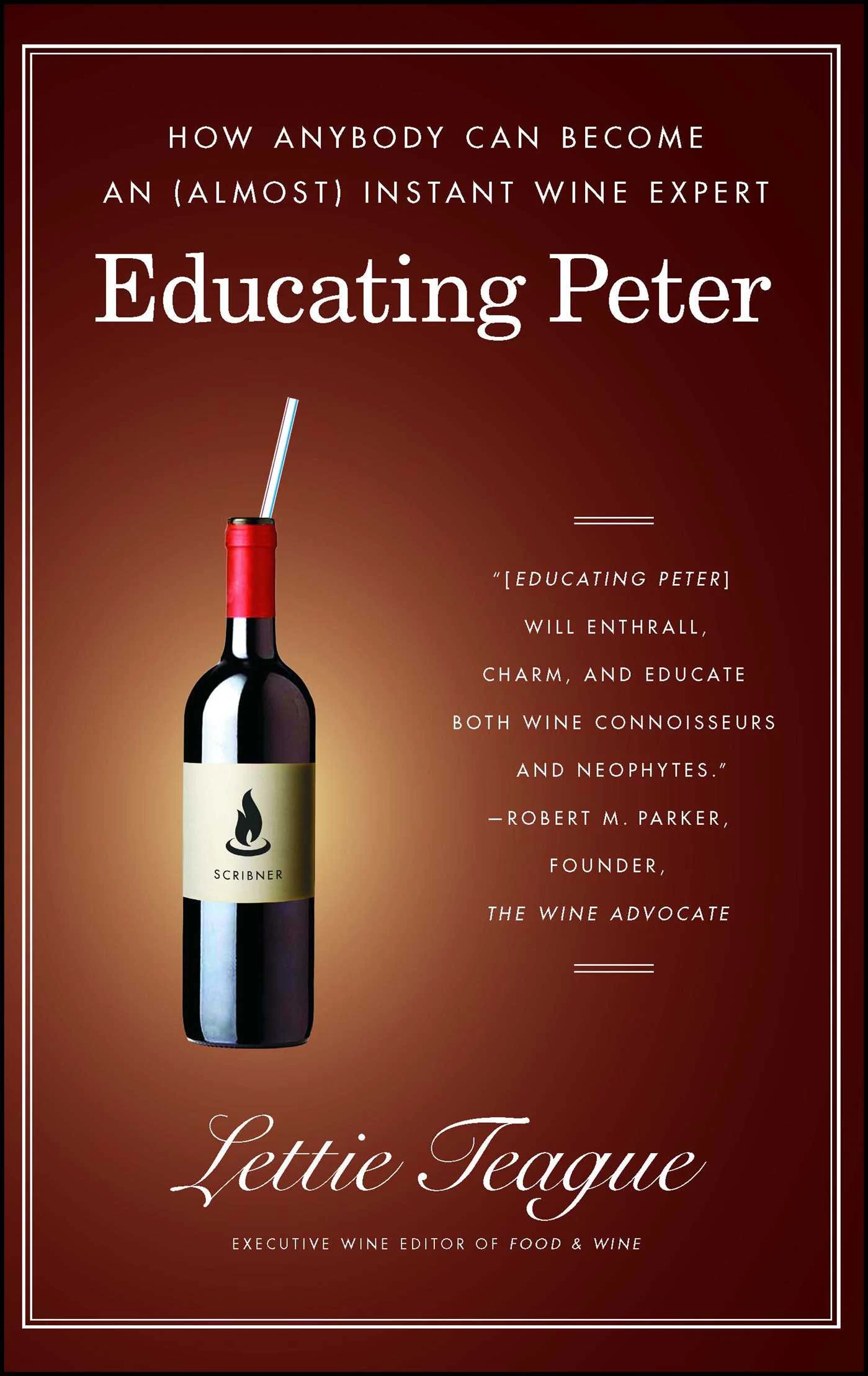
Teague published Educating Peter: How Anybody Can Become An (Almost) Instant Wine Expert in 2007. The title carries a provocation, but the craft problem beneath it is precise. Wine education often moves vertically, from novice to authority, with the teacher guarding the ladder. Teague's work has tended to move laterally. She brings the reader bench-side, not by lowering the subject, but by slowing down the steps that insiders compress: taste, name, compare, remember, revise.
Her book Wine in Words was published by Rizzoli in March 2020. That title states the craft without camouflage. Wine reaches the writer as aroma, structure, alcohol, fruit, tannin, texture, temperature, history, price, and occasion. The column has to convert those pressures into language that neither flatters the writer nor abandons the bottle. A poor note evaporates. A useful note leaves a reader with a method they can use at the next table.
Her stated philosophy, "I actually consider myself a journalist who happens to write about wine rather than a wine writer," explains why the books do not read merely as enthusiasm arranged by region. The journalist's hand checks the claim. The wine writer's palate still has to show up. The discipline is in keeping both alive at once. Readers new to her work can use the books as a sequence: the 1995 guide for entry, the 2007 book for instruction, and Wine in Words for the craft of language around the glass.
A tasting note can be built like a sauce reduction, too fast and it scorches, too loose and it will not coat the spoon. Teague's best-known mode, as her published work frames it, is instruction by sequence. She does not need to make wine simpler than it is. She needs to remove the false ceremony that keeps readers from asking the first good question. In that sense her work sits near the kitchen profiles this magazine returns to, including Goodwin-Allen's Northcote lineage: the craft is visible when the method can be repeated by someone paying attention.
Peter Dunne, Leslie Brenner, and the named hands around Lettie Teague
Peter Dunne, director of Mitchell & Son Wine & Spirit Merchants, is the named figure in Teague's early wine formation. Teague encountered wine while living with a Dublin family whose father was a wine merchant. That is a particular kind of surround: not the academy, not the branded masterclass, but a household attached to trade. A merchant's discipline is practical memory. What sold last winter? Which producer held steady? Which bottle disappointed twice? Which customer needs coaxing, and which needs less talk?
Leslie Brenner is the named collaborator on Fear of Wine: An Introductory Guide to the Grape, which Teague illustrated and co-authored in 1995. That collaboration matters because wine instruction is often shaped by voice as much as by information. The introductory guide has to decide who is being addressed. It can speak down from the top of the cellar stairs, or it can stand at the table and point to what is already in the glass.
No named protégés or column apprentices belong here unless Teague has put them into public view. The people who can be named are enough: Dunne at the merchant's end of the lineage, Brenner at the early book bench. Between them sits Teague's own role, the journalist who takes wine out of private fluency and returns it to public language. When reading her, keep those two names nearby; they mark the trade and bookwork that frame the column.
Where to read Lettie Teague's wine writing now
Readers meet a long stretch of Teague's column work through her tenure at The Wall Street Journal, where she was wine columnist from 2010 to January 2026. Her earlier instructional work includes Fear of Wine: An Introductory Guide to the Grape, co-authored with Leslie Brenner and illustrated by Teague in 1995. Her book Educating Peter: How Anybody Can Become An (Almost) Instant Wine Expert appeared in 2007, and Wine in Words was published by Rizzoli in March 2020.
Use the page as the tasting counter. Start with the long column run for reporting under weekly pressure, then move to the books for the instructional method: entry, comparison, vocabulary, revision. As Lettie Teague joins New York Sun coverage, read the new column work against that sequence: first the question, then the bottle, then the sentence that accounts for both.
Why Lettie Teague matters to wine readers
Teague matters because she treats wine as a subject for reporting, not as a private credential. Her own formulation, "I actually consider myself a journalist who happens to write about wine rather than a wine writer," is not modesty; it is a method. It puts the bottle under pressure from facts, people, language, and use. Her first encounter with wine came beside a Dublin wine merchant's household, with Peter Dunne of Mitchell & Son Wine & Spirit Merchants named in that early formation. From there, the through-line is not mystique. It is access earned by discipline: draw the idea, test the claim, write the sentence, leave the reader better equipped for the next glass. The next move for a reader is practical: read her with a bottle nearby and watch how the sentence accounts for what the glass permits.
Frequently Asked Questions
Did Lettie Teague join New York Sun as wine columnist?
Yes. Lettie Teague joins New York Sun readers after a long run in newspaper wine writing. Teague was wine columnist for The Wall Street Journal from 2010 to January 2026.
Who trained Lettie Teague in wine?
Teague discovered wine as a college student while living with a family in Dublin, Ireland, where the father was a wine merchant. That family was Peter Dunne's; Dunne was director of Mitchell & Son Wine & Spirit Merchants.
Where did Lettie Teague write before January 2026?
Teague was wine columnist for The Wall Street Journal from 2010 to January 2026.
What books is Lettie Teague known for?
Teague illustrated and co-authored Fear of Wine: An Introductory Guide to the Grape in 1995. She published Educating Peter: How Anybody Can Become An (Almost) Instant Wine Expert in 2007. Wine in Words was published by Rizzoli in March 2020.
How does Lettie Teague describe her wine writing?
Teague has said, "I actually consider myself a journalist who happens to write about wine rather than a wine writer."
Who collaborated with Lettie Teague on Fear of Wine?
Leslie Brenner wrote Fear of Wine: An Introductory Guide to the Grape, and Teague was illustrator and co-author of the book in 1995.