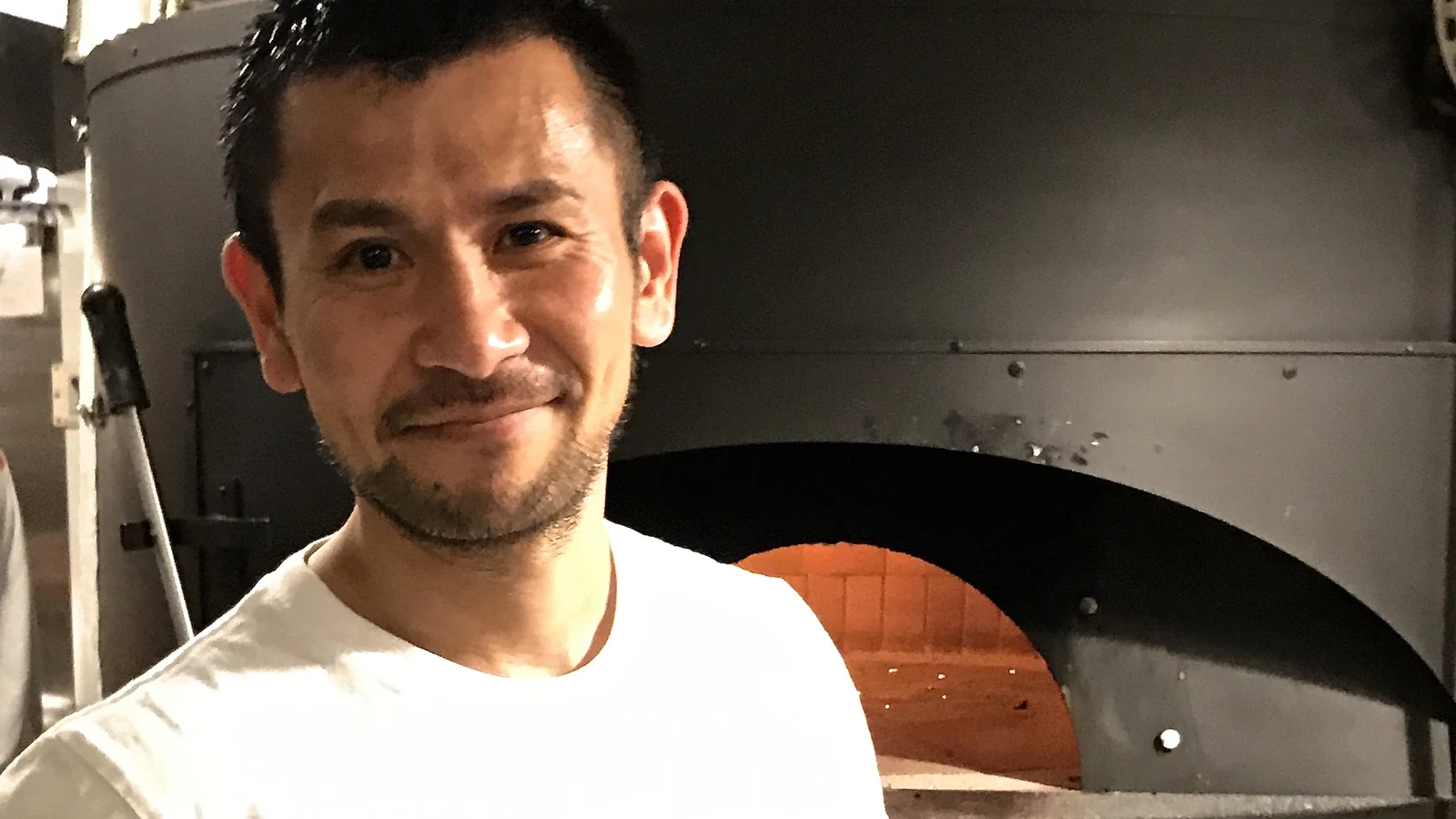
Chef Tsubasa Tamaki built his method around waiting. The dough rests for 30 hours before it reaches the oven, built from a Japanese and American flour blend and baked in a custom-built wood-burning chamber seasoned with Japanese cedar shavings. Tamaki is bringing that discipline to New York City under the Pizza Studio Tamaki name, with his signature Tokyo-style Neapolitan pizza as the center of the work.
The move gives New York a specific craft to measure: time, flour, fire, and cedar, rather than a loose claim of style. For a city that studies pizza closely, the useful question starts at the bench where Tamaki and his team are working.
Tamaki Opens His East Village Room on May 5
Tamaki is scheduled to open a permanent location on Tuesday, May 5, at 123 St. Marks Place, at Avenue A. The East Village room follows a two-day February pop-up in which Tamaki fully took over the former Moody Tongue Pizza address, giving Manhattan an early look at his work before the full opening.
Tamaki opened his original restaurant in 2017. He later expanded with locations in Tokyo and one near Okinawa City, followed by franchise locations in Bangkok and Singapore, with further plans around the world. The New York opening brings Tamaki himself to St. Marks Place under his own name, rather than leaving the method as an abstract import.
How Tamaki Built His Discipline Around Time and Fire
A long fermentation changes the rhythm of a kitchen, and Tamaki has spent years learning how to protect that schedule under service pressure. The work has to begin before the room fills, and tomorrow's service is already part of today's mise en place. That kind of schedule rewards discipline: dough management, temperature awareness, and a staff that understands that the pie is not made only at the moment it enters the oven.
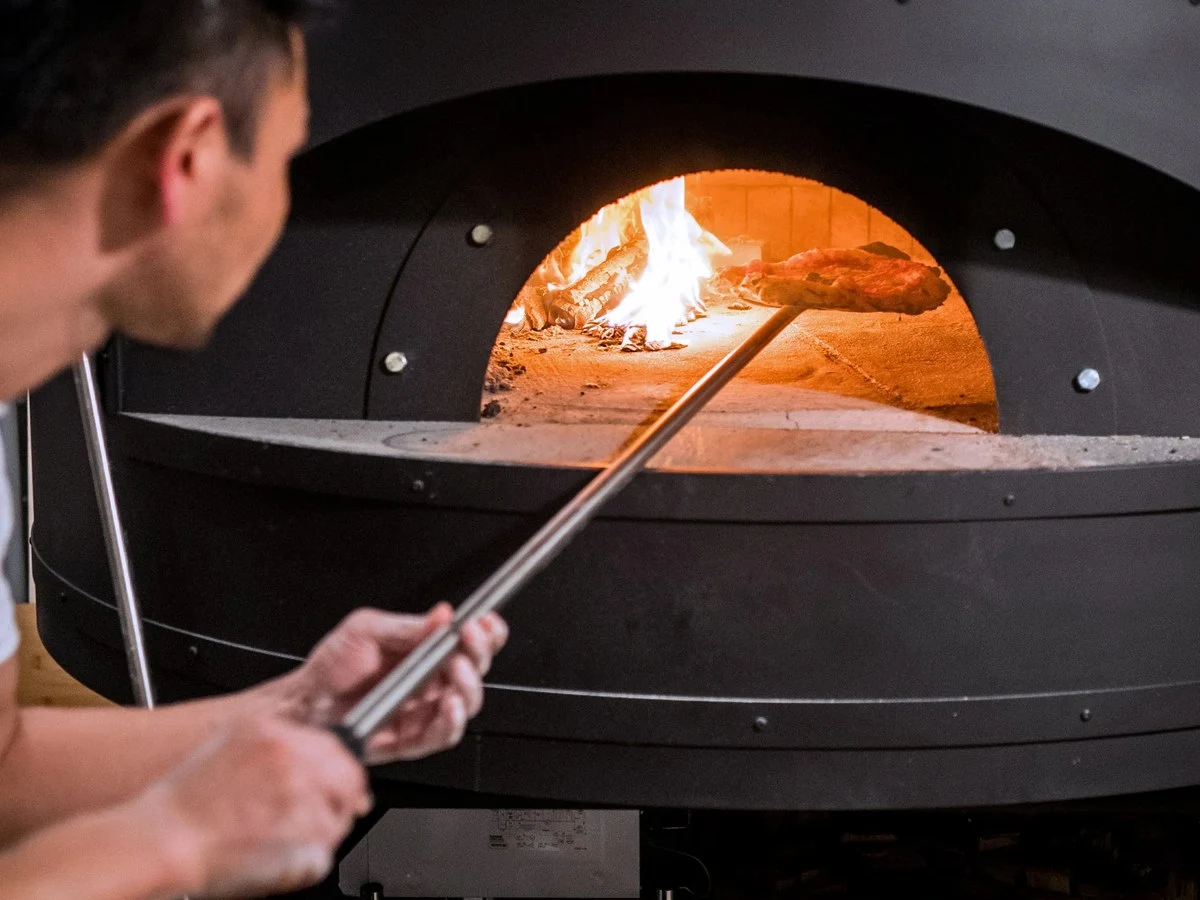
Tamaki chose his flour blend with intention. It is not a generic base carrying toppings; it is the structure his whole menu depends on. The cedar-seasoned oven narrows the lane further. Once Tamaki commits to that kind of heat and aromatic seasoning, every bake has to meet the promise in the crust, not in the description around it.
That is where Tamaki's New York work earns attention. The craft is legible before the first order lands: fermentation, flour, and wood-fired heat all have to align under service pressure, and he has to prove he can hold that line in Manhattan.
What Tamaki Is Putting on the New York Menu
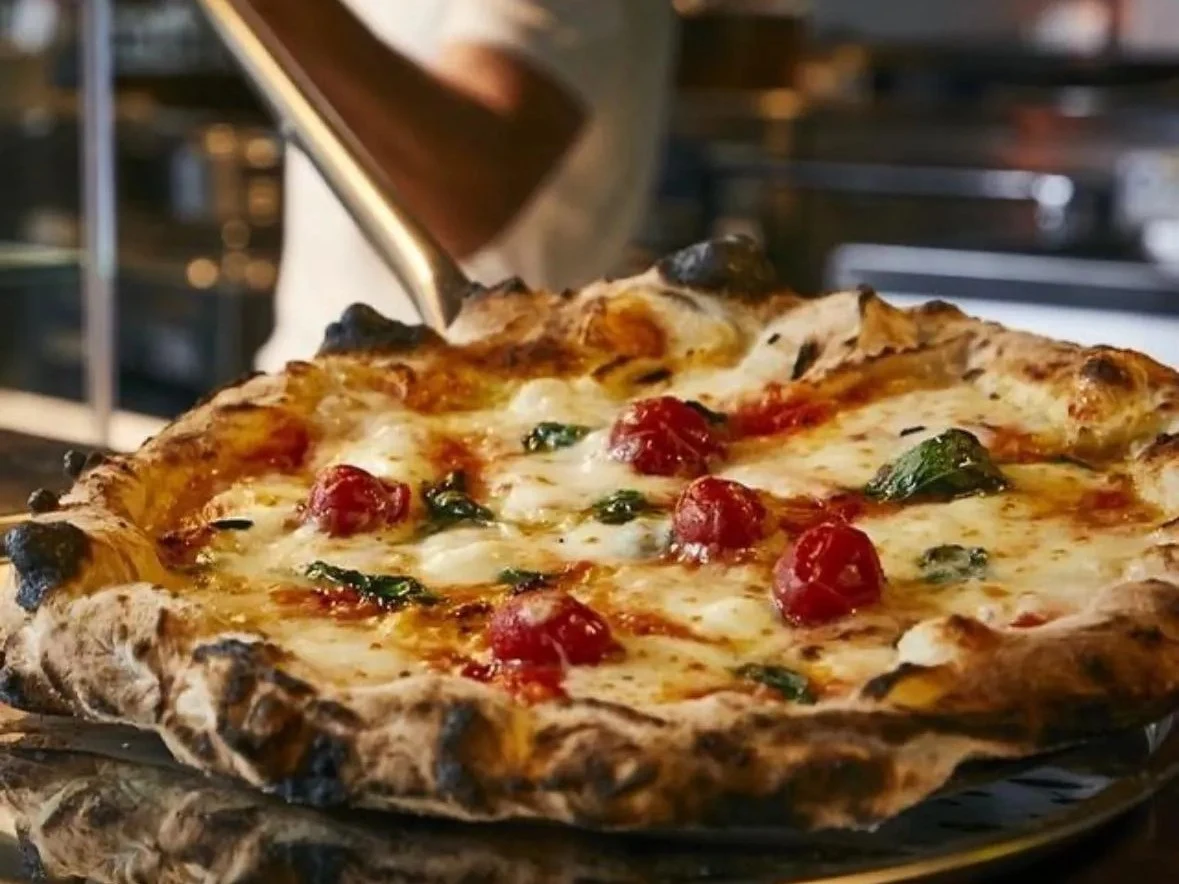
Tamaki's New York menu includes the Tamaki pie at $29, made with cherry tomatoes, fresh smoked mozzarella, and basil. He also includes the Bismarck at $36, with mozzarella, mushrooms, pork sausage, pecorino Romano, and an egg.
Tamaki is also serving charred broccolini with sauteed garlic, Parmesan risotto arancini, and meatballs. Those dishes keep the table close to his fundamentals: heat, fry structure, seasoning, and timing. In a room built around pizza, they will still show how carefully Tamaki is running the pass.
The two named pies ask different things of Tamaki's oven work. One leaves the dough and bake exposed; the other brings more weight, fat, and timing into the equation. An egg on a pizza is a clock, and Tamaki has to read it. Pull it too early and the center slumps; pull it too late and the gesture is lost.
The Moody Tongue Group Is Operating the New York Room
The Chicago-based Moody Tongue group is operating the New York Pizza Studio Tamaki. The group opened the address as Moody Tongue Pizza in late 2024, also serving that style of pizza, which explains why the drinks program includes Moody Tongue Brewing Company beers.
Tamaki's team will also serve Japanese citrus lagers, along with wines and cocktails such as spritzes and highballs. The beverage side does not need to overstate itself; it has to handle cheese, char, tomato, sausage, mushrooms, and the pace of Tamaki's pizza service without turning secondary.
That operating structure gives Tamaki a practical continuity. The address has already been used for a closely related idea, and now his name moves onto the door full-time.
How Tamaki Will Run the St. Marks Place Service
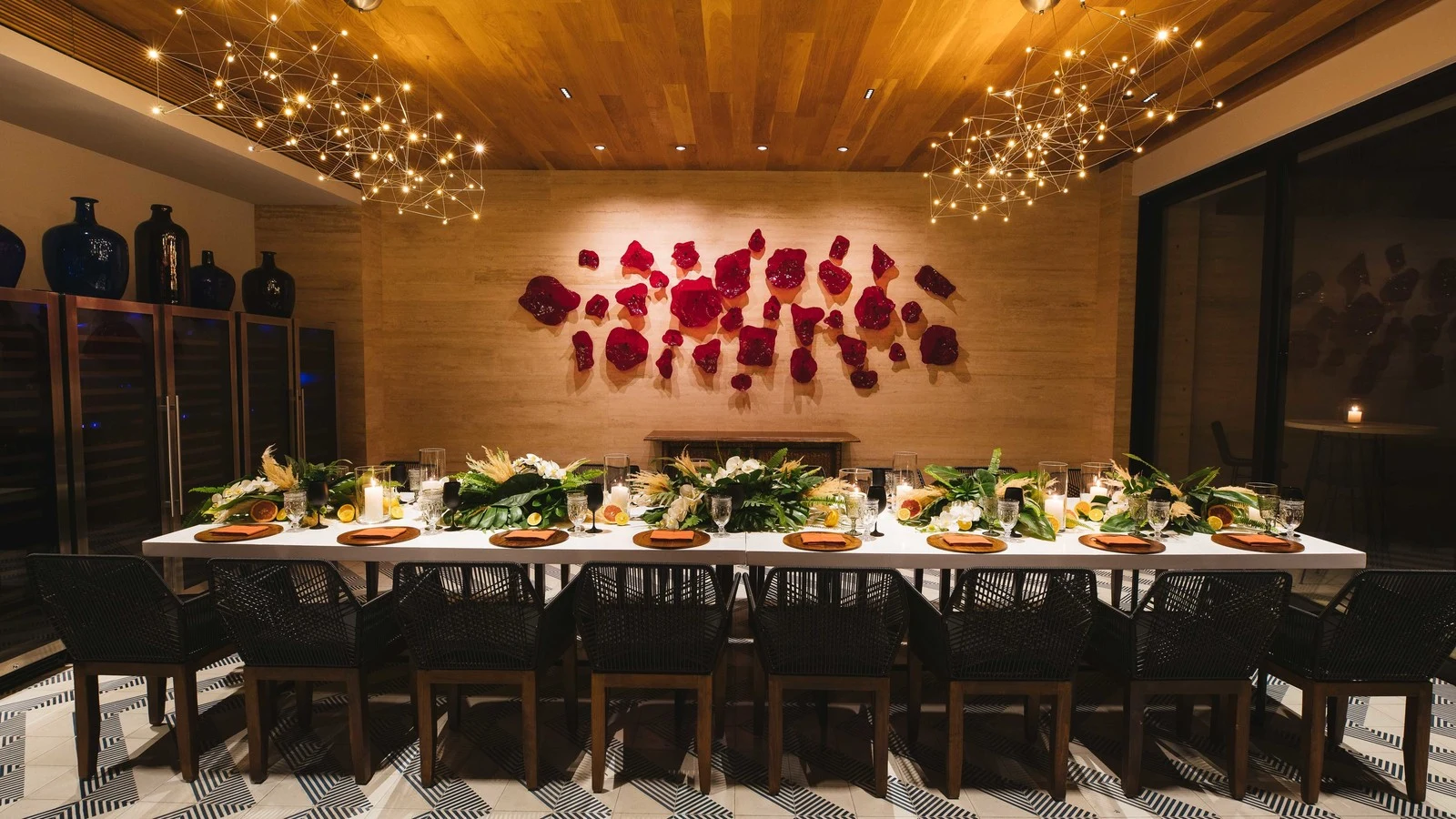
The space is 2,000 square feet and holds 65 seats. That scale gives Tamaki more room than a tiny counter, but not so much that the oven can disappear from the work. A pizzeria built around his measured dough schedule has to protect the method when the dining room is full.
Reservations are available on SevenRooms now, and Tamaki will also have room for walk-ins. The planned hours are 5 to 10 p.m. Tuesday through Thursday and 5 to 11 p.m. Friday and Saturday.
Those evening hours put Tamaki's kitchen directly into dinner service. Dough management, pacing, and the pass all show themselves when several tables want the same pie at the same time.
What to Watch in Tamaki's First Weeks
The useful measure will be consistency. Tamaki's named method can draw the first wave of attention, but service decides whether it holds. His New York bench will have to keep fermentation, oven work, toppings, sides, and drinks moving as one system.
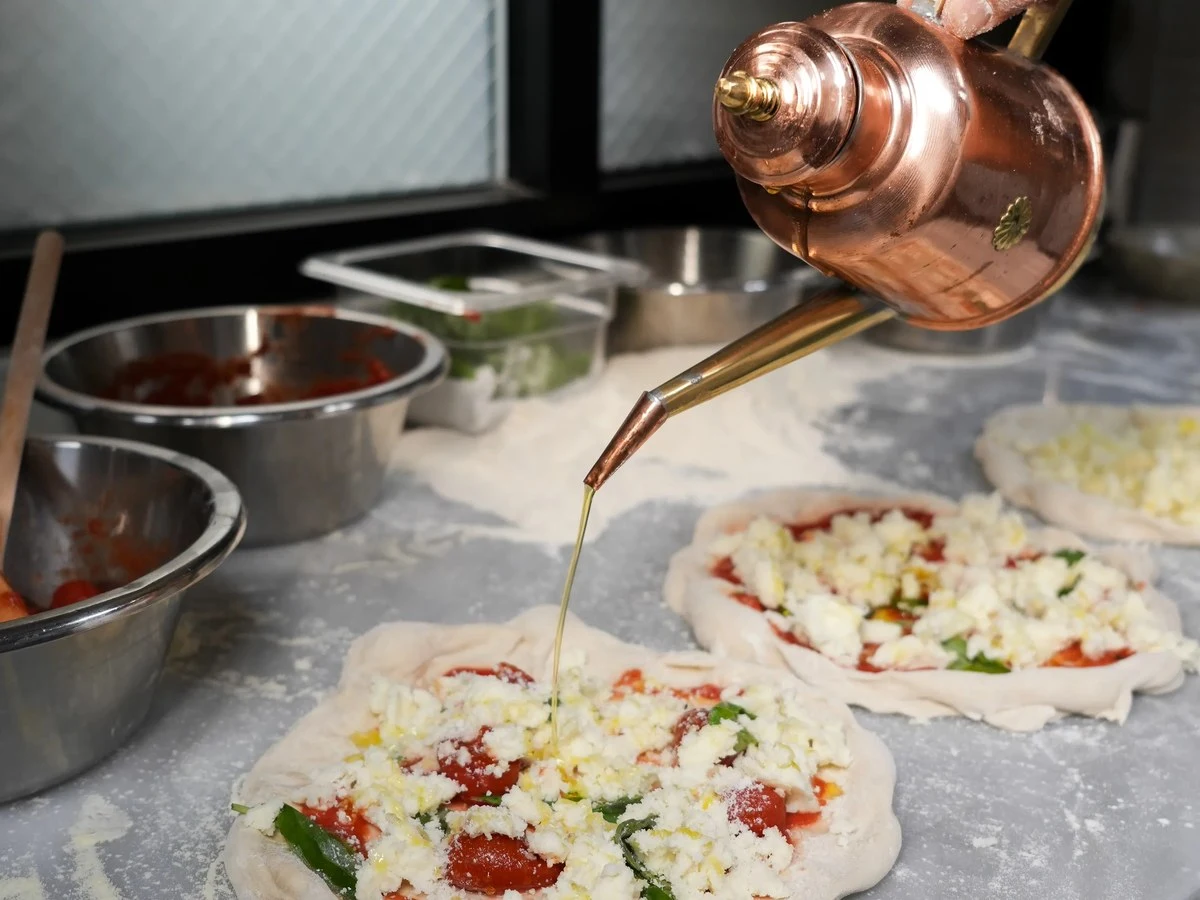
After the opening night, the thing to follow is not the noise outside the room. It is Tamaki's hands inside: how he handles the dough, how he reads the oven, and whether his method can keep its shape service after service.