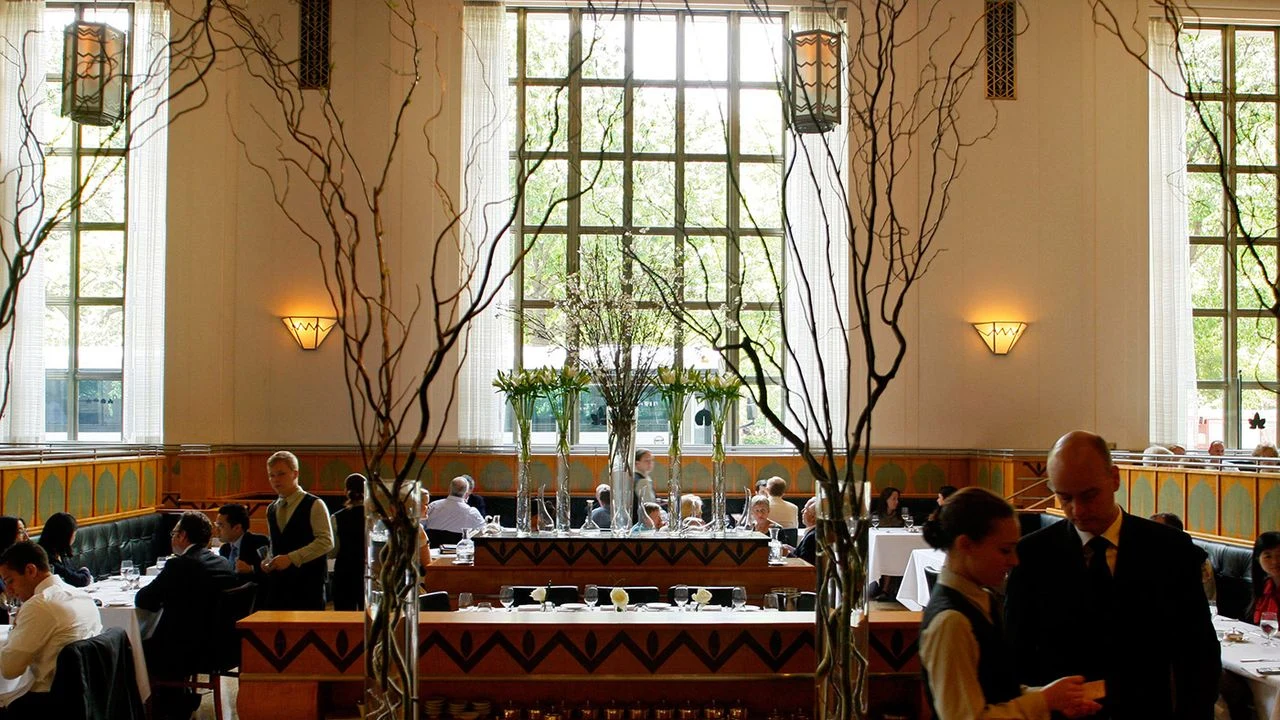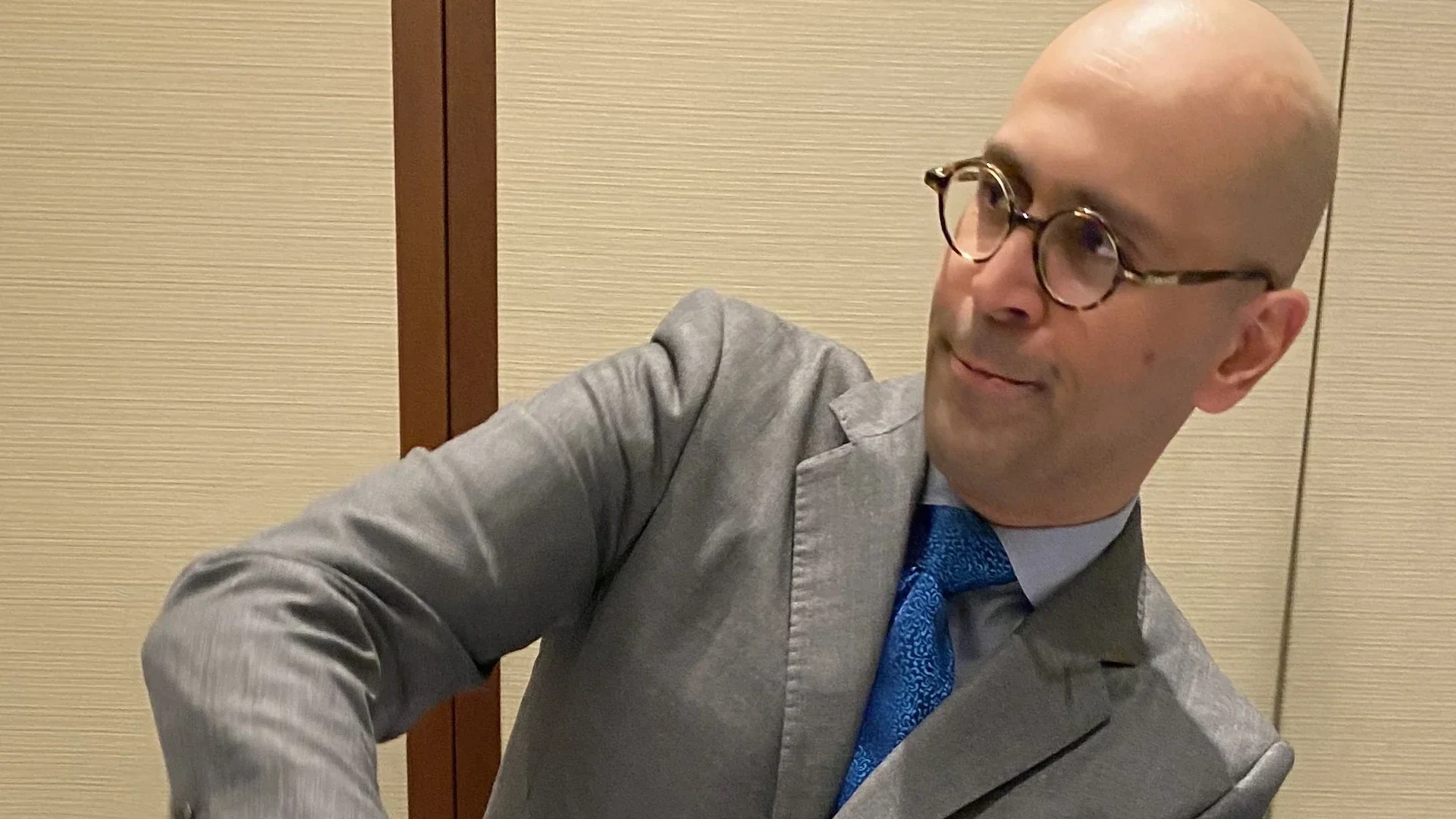
A guest says Burgundy, and the sommelier listens past the word: village bottle, a producer followed for twenty years, or a register of red fruit, acidity, and weight the table cannot yet name. In 2025, Raj Vaidya closed a sixteen-year Dinex chapter that began when he joined Daniel Boulud ’s flagship restaurant in spring 2009. The Restaurant Daniel wine director became tied to a hard service problem in New York: a cellar can hold depth, but the table still needs one bottle, with one meal, at the right moment.
Restaurant wine programs do not live as lists alone. They pass through the hands of people who listen, remember, edit, and judge how much information a guest can use in the few minutes between the first greeting and the first pour. Vaidya’s Daniel years are a study in that pressure point between cellar depth and diner access, where a collector may want the oldest page and another guest may want one glass that makes the menu clearer.
That setting asks for more than buying. It asks for continuity, on the floor and in the cellar.
Vaidya was head sommelier of Restaurant Daniel in New York City. The title places him on the floor as well as in the cellar. A wine director can write a list; a head sommelier has to listen table-side, then turn the list into a pour that suits the food, the price, and the guest’s appetite for detail.
The useful lesson at the table is simple. If a room has a long wine program, do not begin by apologizing for what you do not know. Begin with constraints. Name the dish, the number of glasses you want, the bottle range you are comfortable with, and whether you prefer weight, acid, age, or fruit. A good sommelier can work from that. A thin request such as “bring something good” gives the table less control than it thinks.
Raj Vaidya before Daniel: Cru, Per Se, Gary Danko, and Seeger’s
Before Daniel, Vaidya worked at Cru and Per Se in New York, Gary Danko in San Francisco, and Seeger’s in Atlanta. Those rooms gave him more than a résumé line. New York fine dining rewards fast recognition. San Francisco dining gives a sommelier proximity to California producers and a different cadence of service. Atlanta adds another restaurant city, another set of guests, another set of habits around occasion dining.
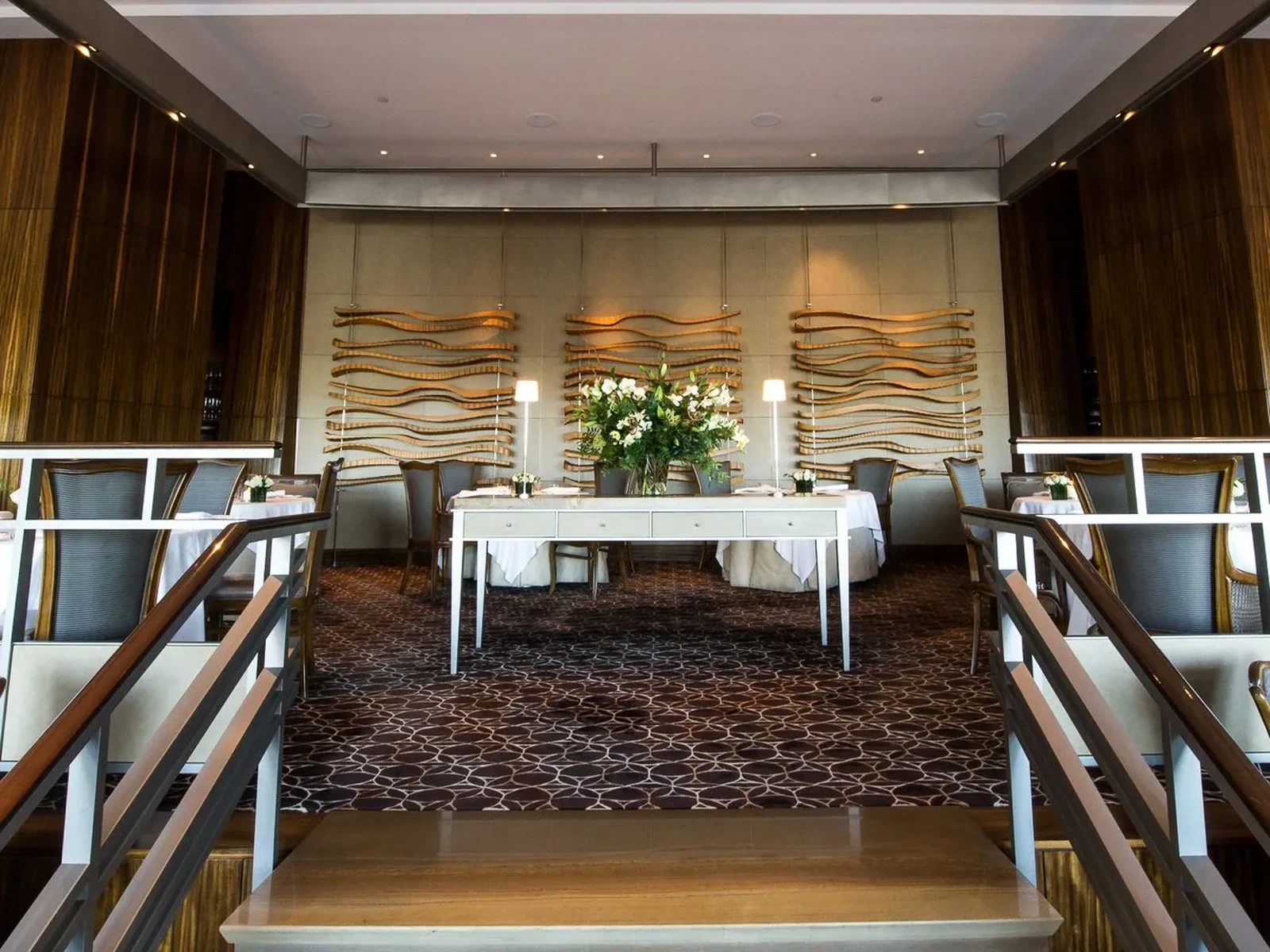
Cru and Per Se carry particular weight in the education of American sommeliers because they trained guests to treat a restaurant wine list as a serious document. A sommelier on that floor learns that the table may arrive with a producer in mind, a vintage memory, or a blind spot. The work is to make those differences useful before the food arrives.
Vaidya did not arrive at Daniel from a single cellar culture. He arrived after moving through rooms where the wine conversation could be technical, celebratory, expensive, hesitant, or all four in one seating. If you are planning dinner, borrow from that range: tell the sommelier if the bottle is meant to anchor the evening, mark a birthday, or simply stay out of the kitchen’s way.
How cellar depth becomes service at Restaurant Daniel
A deep list can intimidate a table if the staff treats it as a trophy. In practice, restaurant wine service depends on editing. The sommelier reads the guests, the menu, the pace of the room, and the temperature of the conversation. Then the sommelier decides whether to bring three options, one firm recommendation, or a by-the-glass path that lets the table keep moving.
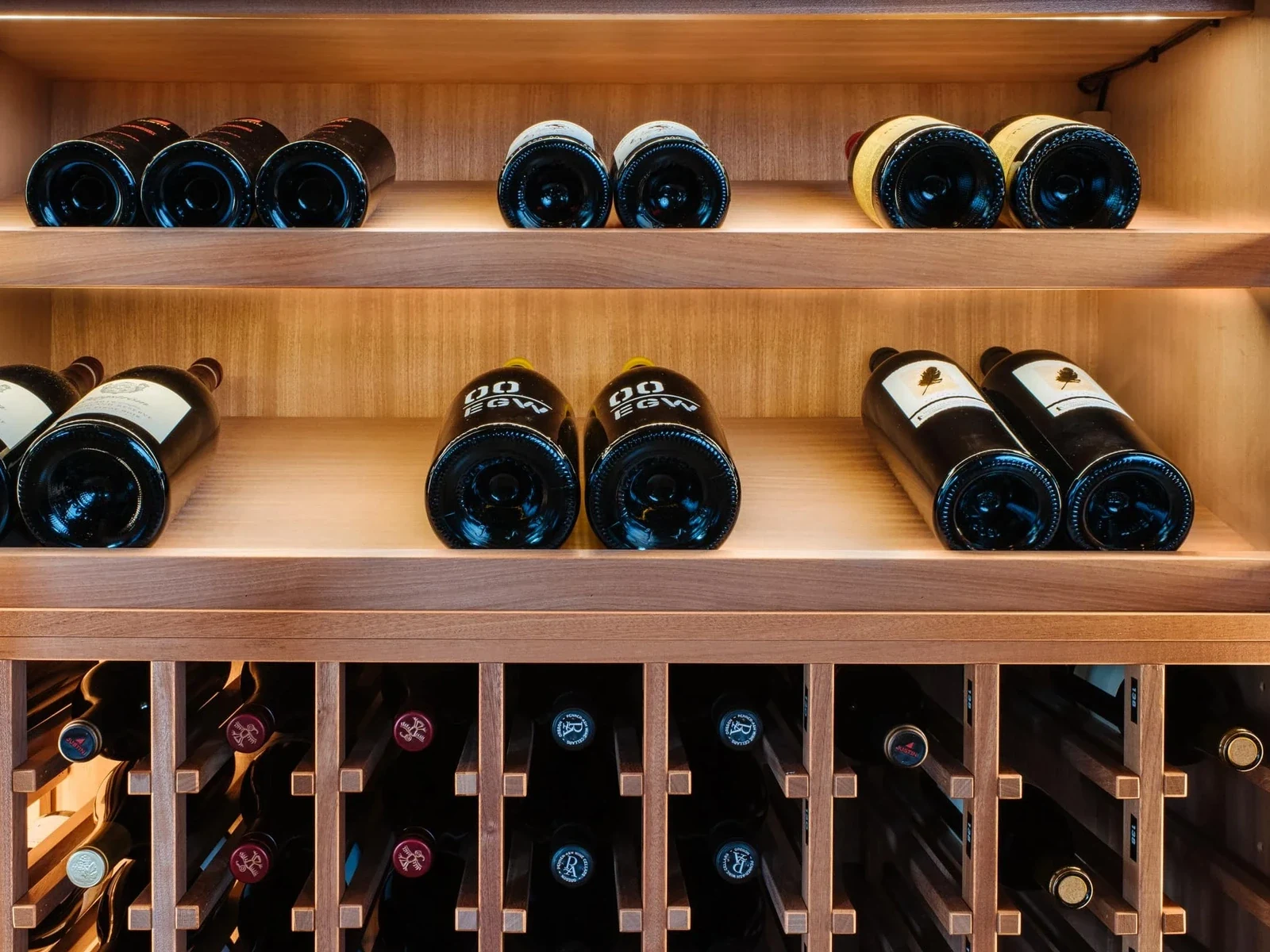
Vaidya’s Daniel work sits in that practical space. Which bottles should stay buried? Which ones should move now? Which glass should introduce a guest to a producer without asking them to commit to a full bottle?
The by-the-glass route is often the clearest way to understand a room. It shows what the team trusts enough to pour repeatedly, what they think can survive open-bottle service, and how they want the menu to travel. Pairings reveal another layer: not the bottle a collector might chase, but the sequence the sommelier believes will keep the kitchen in focus. One glass can change the tempo of a course. One overbuilt bottle can flatten it.
What a sommelier protects at the table
The most useful sommeliers protect rhythm. They know when to explain and when to stop talking. They know that a guest who asks for Chablis may be asking for minerality, familiarity, a price band, a memory of oysters, or relief from a heavy red. The answer changes depending on which one is true.
In a room like Restaurant Daniel, the wine director also protects the space between knowledge and hospitality. A collector may want producer history and vintage context. A first-time guest may want permission to say what they like without performing fluency. Both guests deserve precision. Neither should feel trapped by the size of the list.
This is where Vaidya’s long tenure becomes instructive. Sixteen years under the Dinex umbrella gave him repeated contact with regulars, visiting producers, chefs, managers, and younger sommeliers learning the floor. Service knowledge compounds in that kind of room. A name remembered, a bottle avoided because the guest disliked its structure last time, a glass chosen because the second course needs lift: these small decisions form the architecture of the evening. The takeaway is concrete. Say what worked last time, and say what did not.
Festivals, producers, and the larger wine table
Vaidya has led wine festivals including La Paulée, La Fête du Champagne, La Tablée, and Convivio del Vino. Those rooms put a sommelier in direct conversation with producers, collectors, and other professionals outside the nightly compression of restaurant service.
La Paulée brings Burgundy to the center of the table. La Fête du Champagne does the same for Champagne. La Tablée gathers Rhône attention, and Convivio del Vino turns toward Italy. A sommelier who works across those rooms hears how producers speak about their own bottles and how collectors speak after the cork has been pulled. That listening can return to the restaurant floor in practical form: a cleaner explanation, a better-timed suggestion, a clearer sense of which guest wants the story and which guest wants the glass.
For the practitioner-curious reader, festivals also explain why restaurant wine leadership cannot be reduced to purchasing. The floor is one classroom. Producer events are another. A wine director who moves between them can place a bottle in context without turning dinner into a lecture. The access point is human: the producer who made the wine, the collector who has followed it, the sommelier who has to decide when the table needs a paragraph and when it needs silence.
How to use a wine program without losing the meal
The best way to approach a list like Daniel’s is to give the sommelier enough information to work quickly. Say whether you want one bottle, several glasses, or pairings. Name any hard limits. Mention bottles you have liked, even if they come from a grocery shelf or a recent trip rather than an auction catalog. Useful information beats impressive information.
If you want access to cellar depth, ask where the list has maturity and where it has energy. Those are better questions than asking for the “best” bottle. Mature wine brings texture, tertiary aroma, and risk. Younger wine brings brightness, structure, and often a cleaner fit with a long menu. The sommelier’s work is to match those traits to the table’s appetite for discovery.
If you prefer glasses, ask the team to build a short arc. A sparkling or white opening, a middle glass with the main savory course, and a final pour with cheese or dessert can teach more about the room than a single bottle chosen under pressure. Pairings can do the same when the guest wants to place trust in the team and keep attention on the food.
Raj Vaidya’s next chapter after Daniel
The next thing to watch is how Vaidya carries that floor-trained judgment outside the nightly structure of Restaurant Daniel.
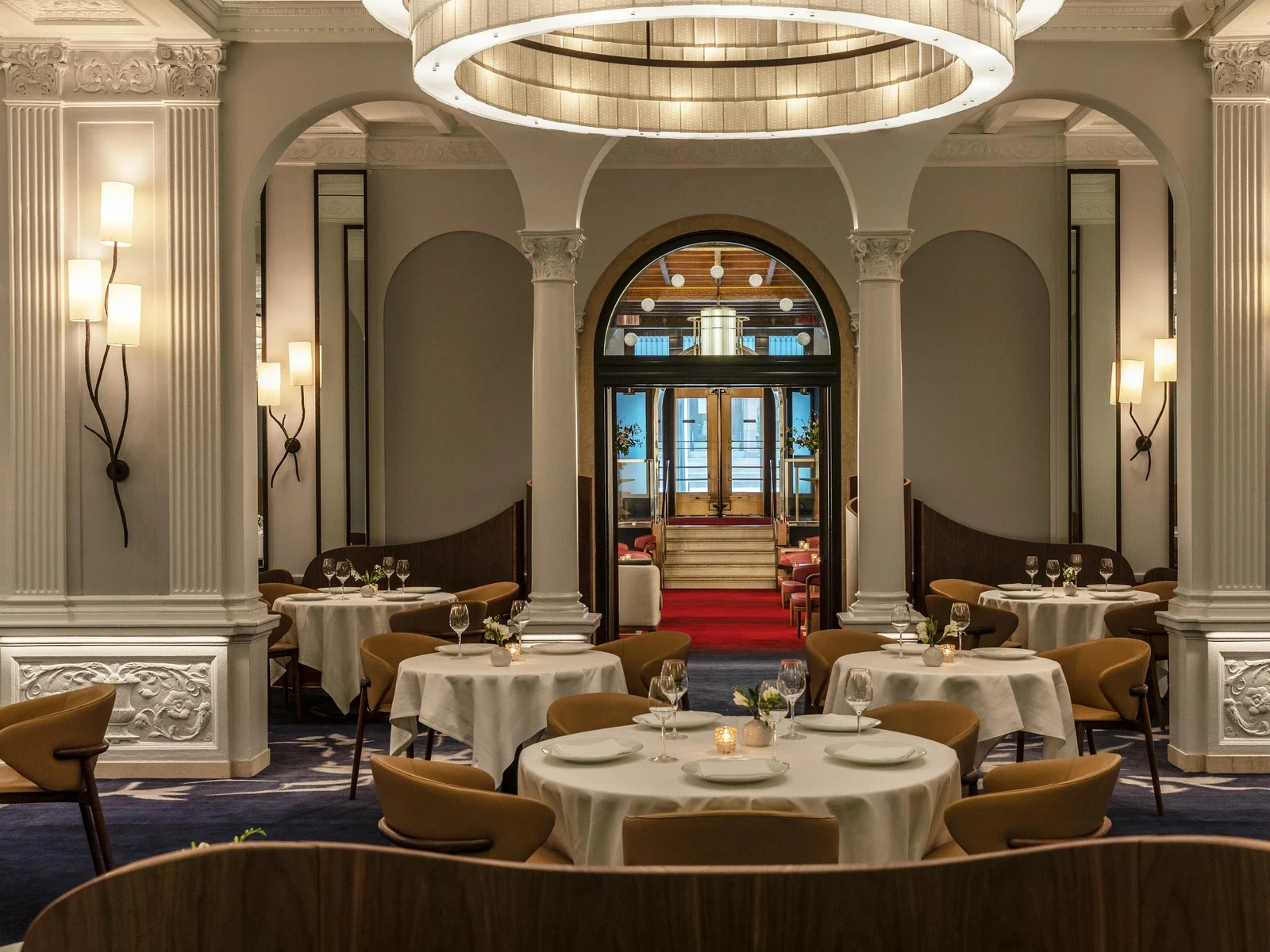
For diners and sommeliers, the lasting lesson is practical. A cellar becomes generous when the person holding the list can make its depth legible. Follow Vaidya’s next work for that reason: he has spent years at the point where a guest’s question, a producer’s bottle, and a kitchen’s timing have to meet in one pour.