On August 21, staff at The Dining Room at Park Hyatt Sydney will take James Viles' name off the restaurant's branding. That small change at the door closes a four-year tenure that began in 2022, when Viles left Biota, his Southern Highlands restaurant, to take the reins at the Good Food Guide-hatted harbourside property.
Within weeks of Viles' departure, two other chefs stepped away from Sydney hotel kitchens: Mitch Orr's one-year contract at The Palomar at 25hours Hotel in Paddington ended, and Beau Clugston, the Australian-born chef who replaced Orr at Ace Hotel in Surry Hills, left after one year.
Three exits in a tight window leave Sydney's hotel dining rooms with a practical question: who holds the pass when the chef whose name drew the booking is no longer on the floor?
Three Chefs, Three Weeks: Sydney Hotel Kitchens Change Hands
The timing carries weight. Viles, Orr, and Clugston each held high-profile positions at properties that had made their dining programs part of the draw. The Dining Room at Park Hyatt Sydney is Good Food Guide-hatted. Ace Hotel in Surry Hills won New Restaurant of the Year in the Good Food Guide 2023, with Orr part of the launch team. The Palomar at 25hours Hotel opened with Orr at the helm; more than ten years ago, he had helped earn Good Food Guide hats for ACME in Rushcutters Bay.
These are not only staffing changes. They put pressure on a model Sydney hotels have used for years: pair the property with a chef whose hands and history give the restaurant a point of view. Locals book for the maker as much as the room. Travelers do the same. But post-pandemic hotel dining has to carry rising costs, staffing pressure, shifting demand, and the fixed rhythm of a property that needs breakfast, room service, and dinner service to keep moving.
For diners who booked months ahead, the changes alter the frame of the meal. The Dining Room will drop Viles' name from its branding when his contract expires. The Palomar has moved to head chef Luke Davenport, who now oversees the hotel's ground-floor culinary program, including The Palomar, cocktail and wine bar The Mulwray, and coffee house Jacob the Angel. At Kiln, culinary director Isobel Whelan-Little is leading the kitchen. The question is not only who steps in; it is whether these properties keep building their dining rooms around individual chef identities, or lean harder into a program that can run without one name on the door.
James Viles Exits Park Hyatt Sydney After The Dining Room Tenure
Viles took the reins at The Dining Room in 2022 after building his reputation at Biota, his innovative Southern Highlands restaurant. At the harbourside Park Hyatt property, his tenure brought sustainability and seasonality to the centre of the menu and the sourcing, principles that shaped the Good Food Guide-hatted restaurant's work. The Dining Room by James Viles will revert to The Dining Room when his role as creative director expires on August 21.
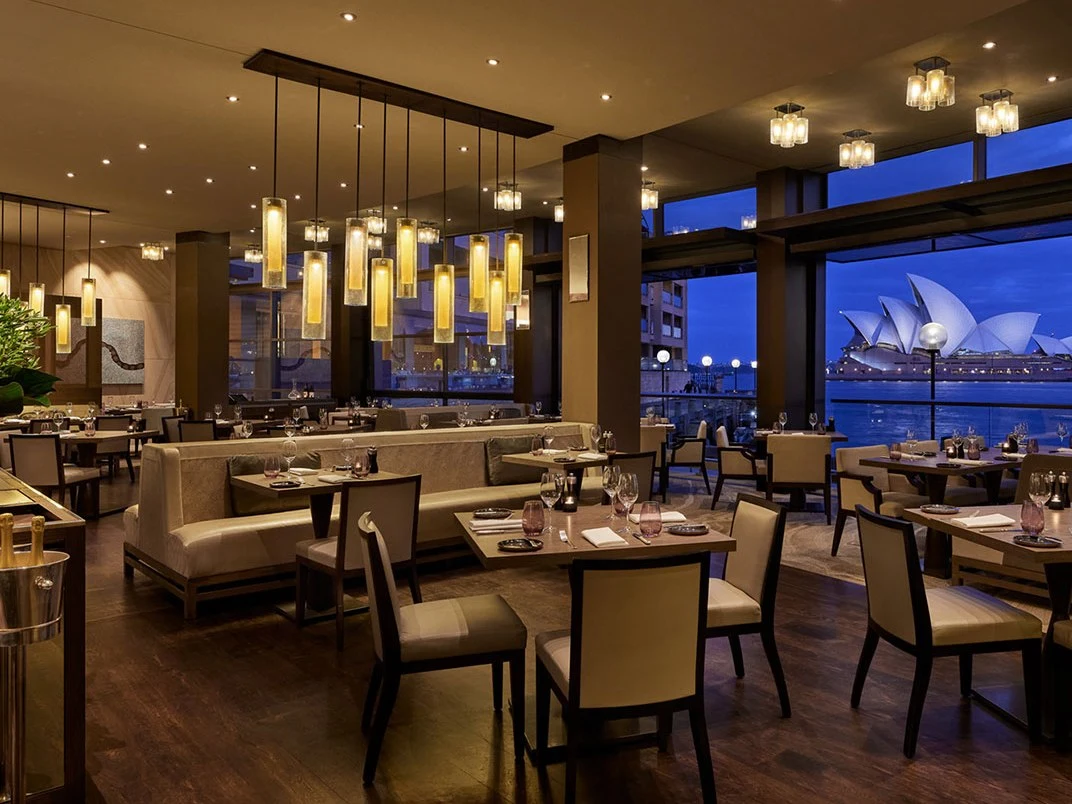
Park Hyatt Sydney general manager Samuel Dabinett said, "James has made a meaningful contribution, and we appreciate the passion and creativity over the past four years. As we celebrate this chapter, we are equally excited about what lies ahead."
The hotel has named the next hands on the pass. Executive chef Tyson Gee and chef de cuisine Dan Parkes will take over the kitchen. Gee said, "We'll be playing around with a few things, working out what we'll keep. [James'] and my styles are quite similar." Sustainability and seasonality will remain cornerstones of the kitchen, according to Gee, a sign that the restaurant does not plan to turn sharply away from the method Viles put in place.
Viles is now traveling overseas and is expected to devote more time to his burgeoning businesses in the safari and off-grid food sectors. His departure from The Dining Room closes a chapter for a restaurant that has held a hat under his leadership and served as a flagship for Park Hyatt Sydney's culinary reputation. The handover to Gee and Parkes will show whether the restaurant can keep its standing without the marquee name, for diners who built loyalty to Viles' approach and for a hotel trying to hold its place in Sydney's fine-dining field.
The stakes are practical. Reservations booked under Viles' tenure now carry different expectations. Wine pairings built around his menu may shift. Anyone holding a booking will be watching whether Gee and Parkes keep the same level of craft and ambition, or whether the change marks a move away from the chef-driven identity that shaped The Dining Room.
Mitch Orr's Departure from The Palomar at 25hours Hotel Paddington
Orr's exit from The Palomar came more quietly, but it belongs to the same run of changes. His one-year contract at 25hours Hotel in Paddington ended, and he chose not to renew. "I felt like I'd done what I was asked to do and ticked all the boxes I wanted to tick,"1 said Orr.

Orr has spent recent years working inside the hotel restaurant form. He was part of the launch team at Ace Hotel in Surry Hills, which won New Restaurant of the Year in the Good Food Guide 2023. Before that, more than a decade ago, he helped earn Good Food Guide hats for ACME in Rushcutters Bay. His move to 25hours Hotel fit a chef who already knew the demands of a kitchen tied to beds upstairs.
"It's a different beast to running a restaurant," Orr said. An independent restaurateur can choose to close on a Monday. A hotel kitchen answers to other hours. "You might have to do room service, you might have to do breakfast." Those obligations, service across meal periods, room service, breakfast shifts, shape the work at the station and the room a chef has to build a tighter point of view.
The Palomar is now under the direction of Luke Davenport, who oversees the hotel's ground-floor culinary program. A spokeswoman for 25hours confirmed that Davenport manages The Palomar, The Mulwray, and Jacob the Angel. Orr said he is "open to things" and "looking around," which places him between kitchens rather than outside them.
Orr's departure removes a chef with proven standalone success from a property that used its dining program as part of the draw. Diners who followed Orr from ACME to Ace Hotel to The Palomar will read the change closely: can a chef-driven program hold its shape inside a hotel, or do the fixed services and operational demands make the long work of a standalone restaurant harder to sustain? The answer matters for anyone deciding whether to book at The Palomar under Davenport's leadership or wait to see where Orr lands next.
Beau Clugston Leaves Ace Hotel Surry Hills
Clugston's departure from Ace Hotel in Surry Hills is the third high-profile exit in this wave of Sydney hotel chef departures. The Australian-born chef, who is based in Copenhagen, replaced Orr at Ace Hotel and left after one year. The property won New Restaurant of the Year in the Good Food Guide 2023 with Orr part of the launch team, a recognition that set the bench high for the kitchen under Clugston's leadership.
A departure after one year reflects the end of Clugston's contract, not evidence of early operational difficulty. The Surry Hills property has named Whelan-Little to lead Kiln's next iteration, with the restaurant having retained its Good Food Guide hat during Clugston's tenure.
For diners who follow chefs across venues, Clugston's exit is another reminder that hotel restaurants work under different pressures than standalone rooms. In a hotel, the restaurant is one revenue stream among many. That can make it harder for a chef to build the long-term program that gives a standalone restaurant its lineage and reputation. The question is how Ace Hotel's new culinary director, Isobel Whelan-Little, carries the chef-led model forward across Kiln and the wider property.
The change is immediate for anyone holding a reservation at Ace Hotel. The kitchen that won New Restaurant of the Year in 2023 has now lost two high-profile chefs in two years. The question is whether the property can maintain the level of ambition and craft that earned that recognition, or whether the exits mark a retreat from the chef-driven model that defined its opening.
What the Departures Signal for Sydney's Hotel Dining Rooms
The near-simultaneous exits of Viles, Orr, and Clugston point to pressure inside Sydney's hotel dining rooms. The chef-driven model that pairs a hotel property with a marquee name has long brought locals and travelers to the table. Post-pandemic hotel dining now asks whether that model can carry the scale, cost, and price point Sydney's market will support.
Costs are one part of it. Labor, rent, and ingredient costs have all increased in Sydney's dining market, and hotel restaurants work within a property's wider cost structure. A standalone restaurant can adjust its hours, close on slow nights, or change a menu to manage cost. A hotel restaurant must maintain consistent service hours, accommodate room service, and serve breakfast, lunch, and dinner regardless of demand. Those constraints limit how a chef runs the kitchen compared with a standalone venue.
Staffing pressure is another. Sydney's hospitality labor market remains tight, and hotel kitchens compete with standalone restaurants for experienced cooks and sous chefs. Longer hours, less creative latitude, and the need to serve a broader range of meal periods can make it harder to attract and keep the kind of talent a chef-driven program needs.
Demand has shifted too. Sydney's post-pandemic dining market has seen a return to high-end dining, but the mix of diners has changed. Travelers are back. Locals are more selective about where they spend. A hotel restaurant that depends on both hotel guests and local diners faces a different calculation from a standalone venue that can build a loyal local following. If the local draw weakens, the restaurant leans more heavily on hotel guests, which can limit a chef's ability to build the kind of program that earns critical recognition and sustains a long-term reputation.
The timing of the departures suggests Sydney hotel operators are rethinking the chef-driven model. The Dining Room will continue under Gee and Parkes, without Viles' name on the door. The Palomar has transitioned to Davenport, who oversees a broader culinary program across the hotel's ground-floor venues. At Kiln, culinary director Isobel Whelan-Little is leading the kitchen. The pattern points toward flexibility over marquee names, consistency and cost control over the individual chef identity that shaped these openings.
For diners who follow chefs across venues, the exits create uncertainty. Reservations booked months ahead now sit in a different context. Wine programs built around a chef's vision may shift as new leadership takes over. The question is whether the properties maintain the ambition and craft that earned them critical recognition, or whether the departures mark a wider pullback from chef-driven hotel dining in Sydney.
The next six months will show whether these are isolated handovers or the start of a broader change. If more high-profile chefs leave Sydney hotel kitchens, it will confirm that the economics and operational demands of hotel dining have shifted in ways that make the chef-driven model harder to sustain. If the properties that lost Viles, Orr, and Clugston keep their standing under new leadership, it will suggest the model can survive without the marquee names that first defined it.
For now, the narrow window of Sydney hotel chef departures is worth watching from the table and the pass. The people who shape what you eat and drink are moving. The rooms they leave behind will have to show what remains in the method, the program, and the hands now carrying it.