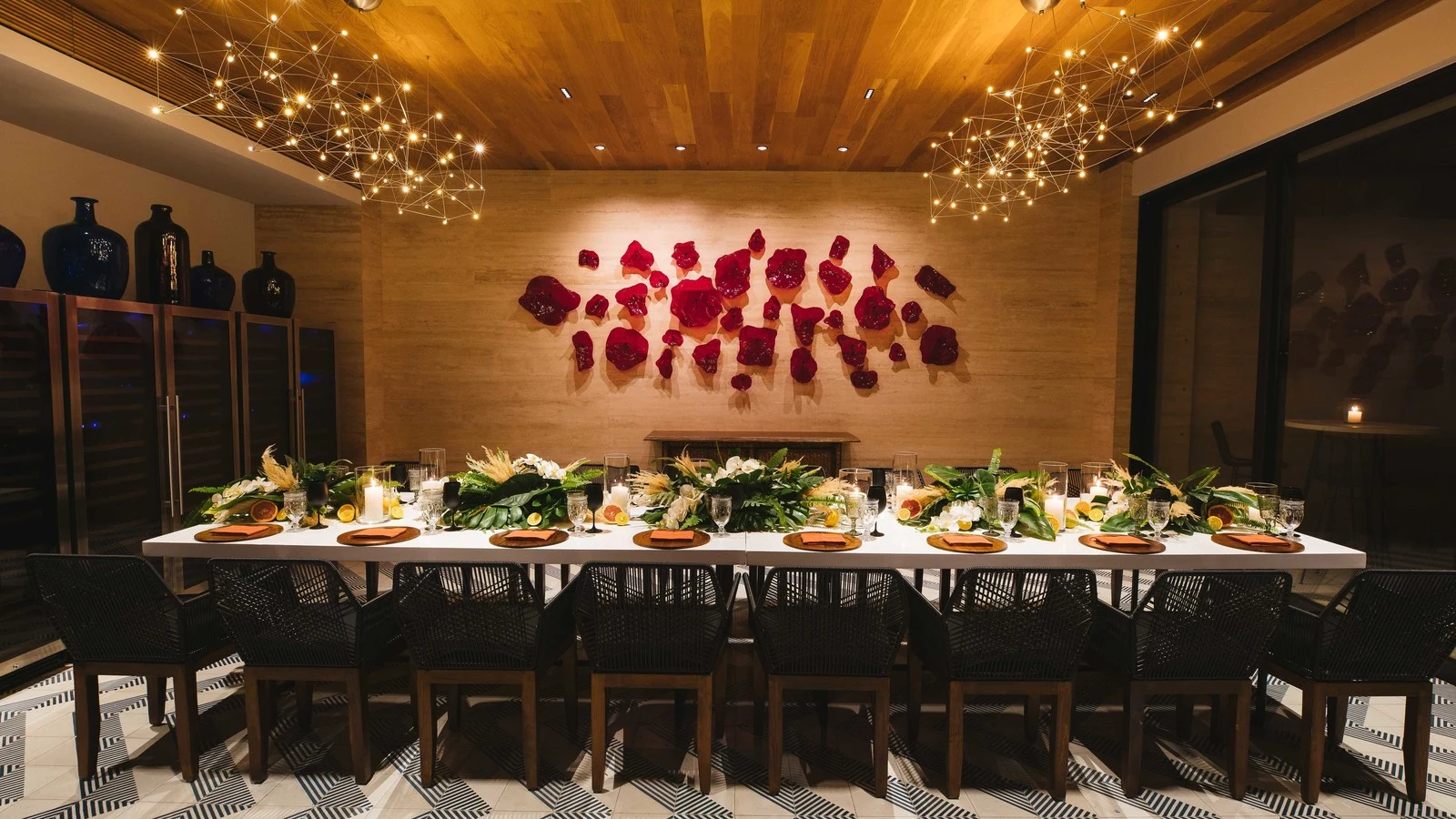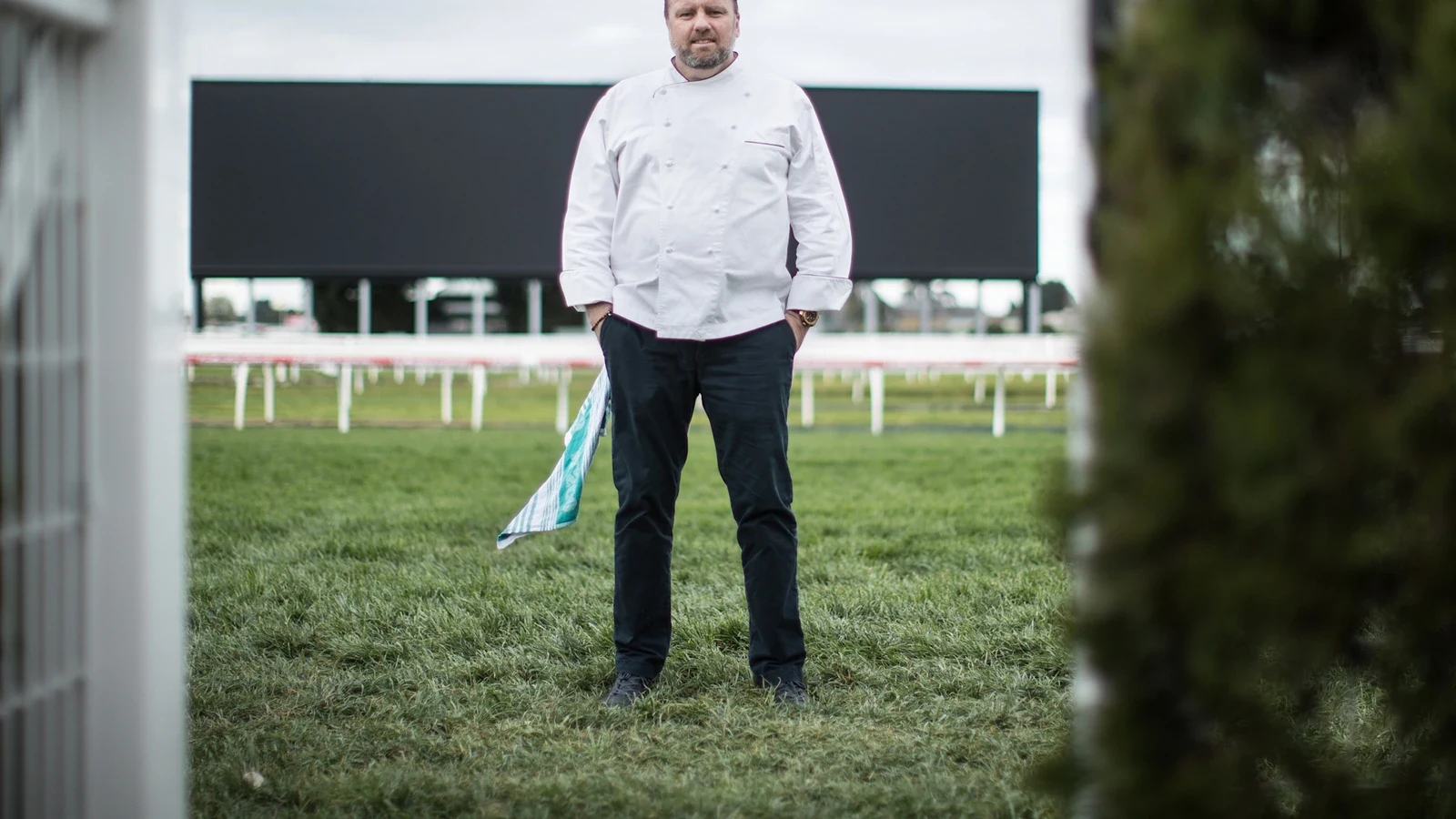
Teage Ezard spent years in other people's kitchens before his own name went above a door: an apprenticeship under Hermann Schneider in South Yarra in the 1980s, Fitzroy's tiny Guernica in the 1990s, a basement space at the Adelphi Hotel on Flinders Lane in 1999, then Gingerboy on Crossley Street in 2006. He died aged 59 after a diagnosis in October 2024 of multiple system atrophy cerebellar type. His cooking helped define a modern Australian, pan-Asian vocabulary in Melbourne. The loss belongs first to his wife Tina and his family. For cooks and diners who learned from his menus, the question is what remains on the bench.
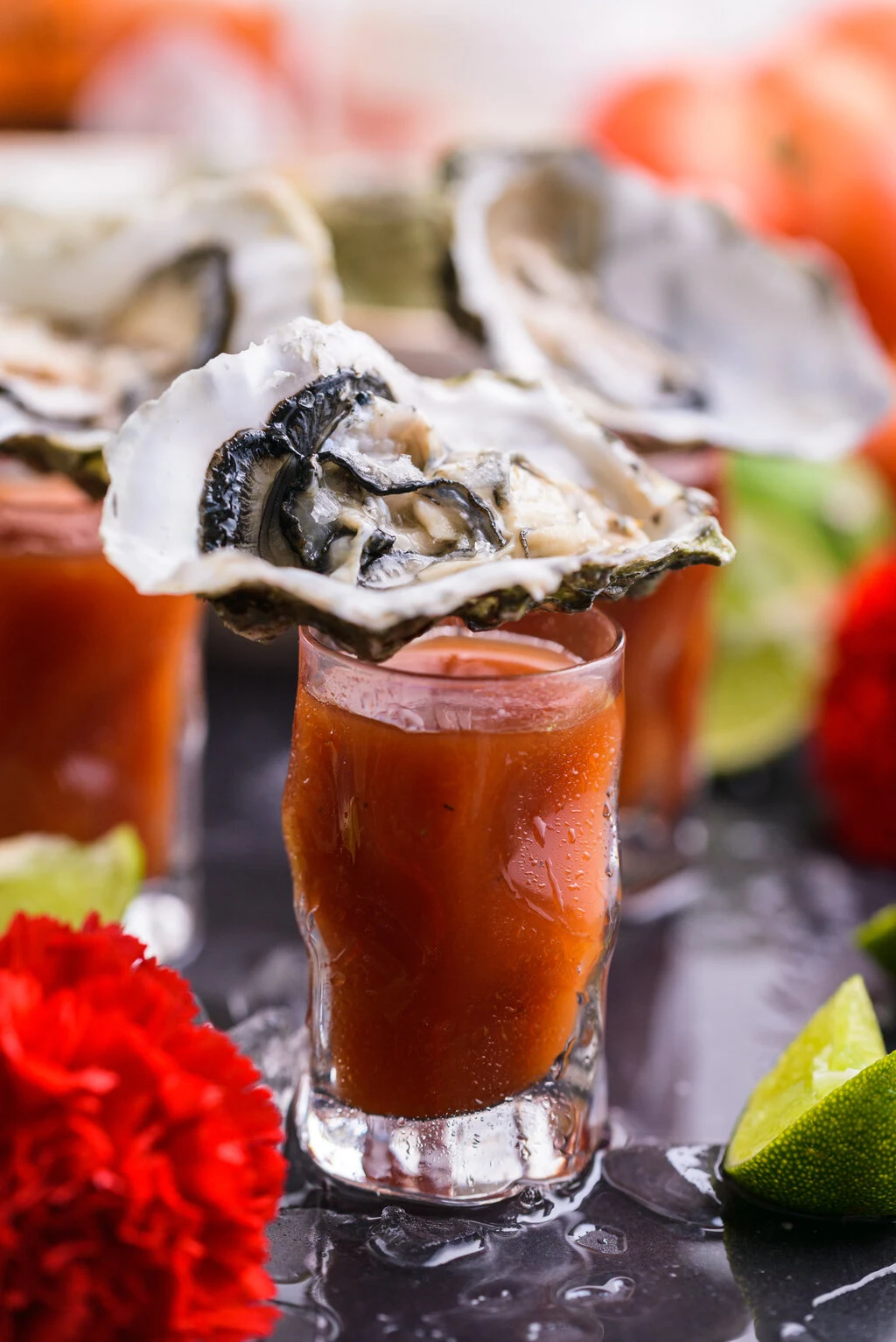
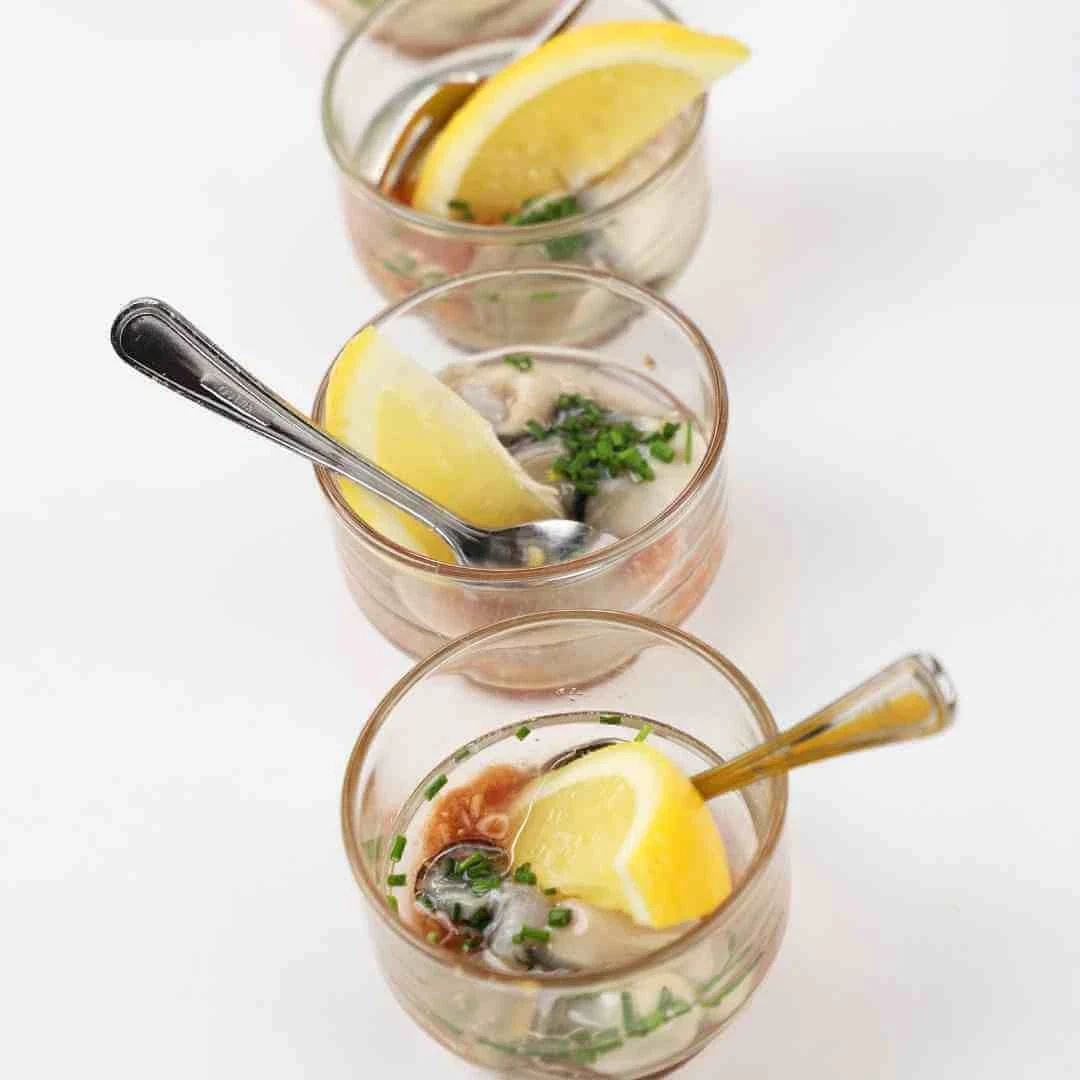
Ezard built dishes where mirin and tamari sat inside an oyster shooter; green chilli and peanut met steamed scallops; chilli caramel caught on fried pork hock. Those combinations were not decoration. They were structure, worked through a Melbourne restaurant grammar Ezard helped make repeatable.
Why Teage Ezard Mattered to Melbourne Cooks
Rita Erlich, the former Good Food Guide editor, put Ezard's contribution in terms of palate and authorship: "He was very open to outside influences, but always put his own stamp on them. He really understood how flavours went together."1
Ian Curley, the chef associated with Baix and formerly The European, placed Ezard in the sightline of other working cooks, not only critics: "For all us Britpack [chefs], he was the local who we looked to for what to do."2 That is inheritance spoken from the pass, a chef watching another chef set the working temperature of a city.
The dishes Ezard named across his career read like a map of technique and appetite: oyster shooters with mirin and tamari; steamed scallops with green chilli and peanut; fried pork hock with chilli caramel; stir-fried stingray with green curry paste and coconut cream; caramelised wagyu beef cheek with rock sugar sauce. Acid, salt, sugar, chilli, fat, crunch, steam, fry, stir-fry, caramelise: the hand was visible in the sequence.
Alla Wolf-Tasker of Lake House Daylesford remembered Ezard as a stalwart of a buoyant era in Melbourne's restaurant scene. Shane Delia, his friend and fellow chef, called him a trailblazer and said he cooked without fear. Those words suit the menus because Ezard did not ask whether a dish belonged to one tradition before he asked whether the flavours worked under pressure, on a plate, in service, with diners returning.
Ezard's Method: Australian Freestyle Before It Had a Name
"Australian freestyle" was the phrase Ezard later used for the Gingerboy style. The method was fluid, but the plate still had to hold. Stir-fried stingray with green curry paste and coconut cream asks for heat control and timing; caramelised wagyu beef cheek with rock sugar sauce asks for sweetness to sit against gelatin and fat without turning blunt. Ezard's decisions had to survive service.
The important word in "Australian freestyle" is not freedom, it is Australian. Ezard did not pretend Melbourne was cut off from Asia, or from Europe, or from the cooks arriving with training and memory from elsewhere. He began in a classical room, cooked through Fitzroy, then opened a basement restaurant in the city at a moment when Melbourne dining was changing quickly. His work joined that movement through dishes that diners and chefs could remember years later.
Matt Preston later said it is rare for chefs to come up with dishes that remain in memory 30 years on. He named three from Ezard's hand: parmesan olive oil, served with bread as a starter, the oyster shooter, and crispy pork hock, which he placed among his top 10 Melbourne dishes. Memory in restaurants often attaches to a technical solution: the fat against bread, the cold brine and seasoning in one mouthful, the pork hock cooked until the outside cracks and the inside still gives. Those are the lessons cooks carry back to their own stations.
Ezard's style mattered because it gave permission to be personal with influence. Erlich's assessment points to the discipline underneath the openness. Outside ingredients alone do not make a cuisine; a chef's repeated decisions do. What acid cuts this fat. What chilli heat lands too early. What sauce clings. What texture finishes the mouthful. Ezard made those decisions across multiple rooms and left a vocabulary other Australian cooks could work inside, argue with, and extend.
Training Under Hermann Schneider, Then Guernica
In the 1980s, Ezard trained under Hermann Schneider at Two Faces in South Yarra, a decorated restaurant Schneider ran for more than 20 years. That kind of beginning matters because the outward-looking phase of Ezard's cooking came from a cook who had spent time inside a formal discipline. He had time on the tools before he started breaking open the frame.
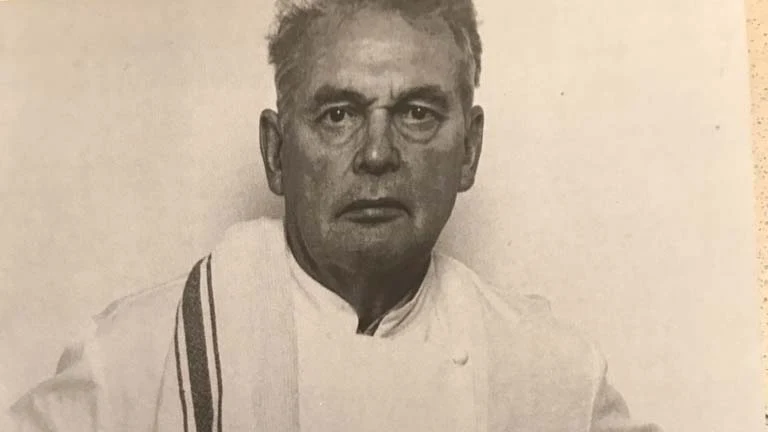
An apprenticeship under Schneider meant Ezard learned the bench before he learned reputation. Two Faces gave him a classical foundation; his later work shows a chef who understood structure well enough to stretch it. If a dish can carry mirin, tamari, chilli caramel, green curry paste or rock sugar sauce without collapsing into novelty, someone in the kitchen has done the quiet arithmetic of seasoning and sequence.
From South Yarra, Ezard moved to Fitzroy's tiny Guernica in the 1990s. Wolf-Tasker first heard of him through Guernica in the mid-1990s, when the noise around the room was enough to send other serious restaurant people to see who was cooking. Curley later remembered Guernica under Ezard as a room that pushed the envelope. That phrase is often flattened by repetition, but in this case the evidence sits in the next move: in 1999, Ezard opened a restaurant under his own name and won immediate guide recognition.
Small rooms can sharpen a cook's authorship. There is less space to hide behind architecture, less room for a large program to soften uneven ideas. Ezard's reputation from that period carried into the Adelphi basement. Each move, from the classical foundation under Schneider to Gingerboy, added another layer to the method.
Ezard Opens at Adelphi, Wins Two Hats on Opening
Ezard opened the basement of the Adelphi Hotel on Flinders Lane in 1999. Ezard at Adelphi received two Good Food chef's hats. The following year, it won Best New Restaurant in The Age Good Food Guide. In the 2003 edition of the Guide, Ezard was named Chef of the Year.#
Erlich later said Ezard understood that restaurants needed consistency, and that great wines and service had to be part of the picture. She also said service at his restaurants was particularly good without pretension. That detail should not be treated as secondary to the food. A restaurant with seasoning and no service can still fail the diner. Ezard's rooms were remembered for the whole program.
The Adelphi dishes named from that period show the beginnings of his signature blend of different Asian influences. Oyster shooters with mirin and tamari compressed seasoning into a single swallow. Steamed scallops with green chilli and peanut worked with gentle heat and a grounded crunch. Fried pork hock with chilli caramel put sweetness, heat and crackle into one dish. None of these dishes sound like exercises in purity. They sound like decisions made at the pass, adjusted until the mouthful carried.
Ezard closed the namesake restaurant in June 2020 when the lease at the Adelphi expired, during COVID-19 lockdown restrictions.# By then, the restaurant had already done its work in the city's dining memory. Its awards belong to the record. Its dishes belong to the cooks and diners who still name them when they talk about Melbourne food.
Ezard Opens Gingerboy on Crossley Street
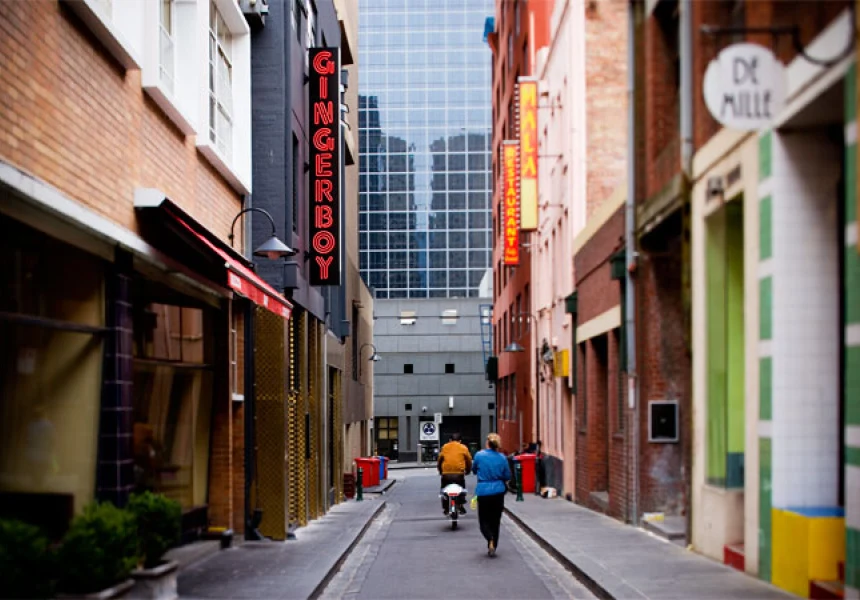
Ezard opened Gingerboy on Crossley Street in 2006, as Melbourne's laneway dining gathered force. The restaurant continued his experiment with cornerstone Asian ingredients in the style he later called "Australian freestyle". If Ezard at Adelphi carried the basement fine-dining charge, Gingerboy moved the method into another register. The food named from Gingerboy was not smaller in ambition; it simply worked through a different room.
The key dishes tell the story with more force than any label. Stir-fried stingray with green curry paste and coconut cream. Caramelised wagyu beef cheek with rock sugar sauce. The verbs matter: stir-fried, caramelised. One requires heat moving quickly through protein, paste and cream; the other requires sweetness to darken and cling. Gingerboy's energy came from that sort of handling, from Asian ingredients treated as working parts of the dish rather than borrowed accents.
Delia placed that contribution inside a wider Victorian dining identity, saying there would not be that sort of modern Australian, pan-Asian cuisine without chefs like Ezard. His point lands because Gingerboy arrived when Melbourne was giving laneway dining its own momentum. Crossley Street was not just a backdrop; it was a setting where Ezard could run a restaurant that felt urban, immediate, and still serious about flavour.
Gingerboy closed in April 2024.# Its closure now reads differently beside Ezard's death, but the restaurant's influence was already legible before the final service. It offered a way to cook across borders without presenting border-crossing as a stunt. For younger chefs, that may be the larger inheritance: not the exact dish, but the confidence to let the pantry widen while the hand stays accountable.
Ezard's Books, His Apprentices, and the Wider Program
Three cookbooks carried Ezard's name and method beyond service: Ezard, Lotus and Gingerboy. Cookbooks fix a method differently from a pass. A dish disappears after the diner eats it. A book asks the chef to translate instinct into sequence, ingredients, headings and repetition. For a cook whose work depended on the fit between influences, that translation matters. It leaves a paper trail for the hand.
Ezard mentored chefs including Benjamin Cooper of Chin Chin and Jarrod Di Blasi, formerly of Izakaya Den. Those names matter because mentorship is the restaurant world's real archive. Menus are kept, reviews are clipped, awards are recorded, but the deepest transfer happens bench-side: how to taste, when to adjust, how to send back a sauce, how to hold standards when the room is full and the clock is not your friend.
Benjamin Cooper and Jarrod Di Blasi belong to a generation that cooked in a Melbourne already changed by Ezard's choices. That is how lineage works in restaurants. A predecessor opens a path; the next cook does not copy every dish, but inherits the permission and the burden. The permission is to cook with a wider pantry. The burden is to make the dish cohere rather than simply announce its influences.
Ezard's career also reached beyond Melbourne, with restaurants in the Yarra Valley, Sydney and Hong Kong. His work travelled beyond the original basement and the Crossley Street room. The program had enough identity to move, to be published, and to train others.
The legacy also carries a labour record. In 2019, The Age reported that some chefs at Ezard and Gingerboy were working many hours of unpaid overtime each week.# The Fair Work Ombudsman later referred to a 2020 statement that it assisted employees of Ezard and Gingerboy to recover unpaid wages and entitlements. There was no litigation and no enforceable undertaking. Restaurant legacies are built by more than the named chef; they include the cooks whose hours carry the service. Influence and labour both belong in the same frame.
Ezard's Illness, Combat MSA, and What Remains on the Pass
In October 2024, Ezard was diagnosed with multiple system atrophy cerebellar type, an incurable neurological disease. The cerebellar type causes poor muscle co-ordination, with symptoms including difficulty chewing and swallowing, changes in vision and slurred speech. For a chef, those symptoms cut close to the tools of the trade: tasting, speaking across a pass, moving through service, trusting the body's timing.
Ezard and his wife Tina established Combat MSA to raise awareness and support people living with MSA and their carers. That work belongs beside the restaurants because it shows the final public turn of Ezard's life: from feeding a dining room to helping people face a diagnosis that changes the body's relationship to ordinary acts. The family statement described him as a devoted husband, father, son, brother and friend, as well as a celebrated chef. The order matters to them.
The sold-out fundraising dinner on March 24, 2026, with food by Andrew McConnell and other high-profile chefs, doubled as a celebration of Ezard's life and legacy.# The event sits in the right register for a chef whose influence travelled through other cooks. Not a monument in stone. A room, a service, a set of hands cooking in acknowledgement of another set of hands.
What remains is not only the memory of Ezard at Adelphi or Gingerboy, though those rooms carry the public shape of the career. What remains is a Melbourne grammar of flavour Ezard helped make possible: the oyster shooter's cold brine in a single swallow, and the pork hock cooked until the outside cracks and the inside still gives. Follow the cooks he trained, the books he left, and the charity Tina and Teage Ezard built together. That is where the next part of the lineage will be easiest to see.