Three Sydney Hotel Restaurant Chefs Exit in 2026 Leadership Shake-Up
James Viles, Mitch Orr and Beau Clugston departed their Sydney hotel restaurant roles within months, marking the most concentrated culinary leadership turnover in the city's luxury hotel sector in recent memory.
HM
Director of Editorial Standards
Hugo Marchetti
Filed July 22, 2026
9 min read
James Viles' role as creative director at The Dining Room at Park Hyatt Sydney expires on August 21. The restaurant will drop his name from its title. Mitch Orr's one-year contract at The Palomar at 25hours Hotel in Paddington ended quietly. Beau Clugston, former senior chef at Denmark's Noma, left Kiln at Ace Hotel in Surry Hills after one year.
Three acclaimed chefs, three hotel restaurants, three exits within months of each other in 2026. The near-simultaneous departures mark the most concentrated leadership turnover in Sydney's luxury hotel dining sector in recent memory, signaling a structural shift in how these venues manage culinary talent.
The Sunday letter
Get our new stories in your inbox every Sunday.
One email with our newest profiles and guides. See a sample before you subscribe.
The pattern is clear: hotel restaurants are moving away from chef-driven celebrity anchors toward culinary-director models that prioritize operational stability over individual star power. Each departure follows a similar arc: a high-profile chef brought in to establish or elevate a program, a contract term of one to four years, and a transition to an in-house team or culinary director. The question for collectors and craft-curious diners is what this means for wine programs, menu innovation, and the venues worth booking in 2026.
The Dining Room at Park Hyatt Sydney: From Viles to New Leadership
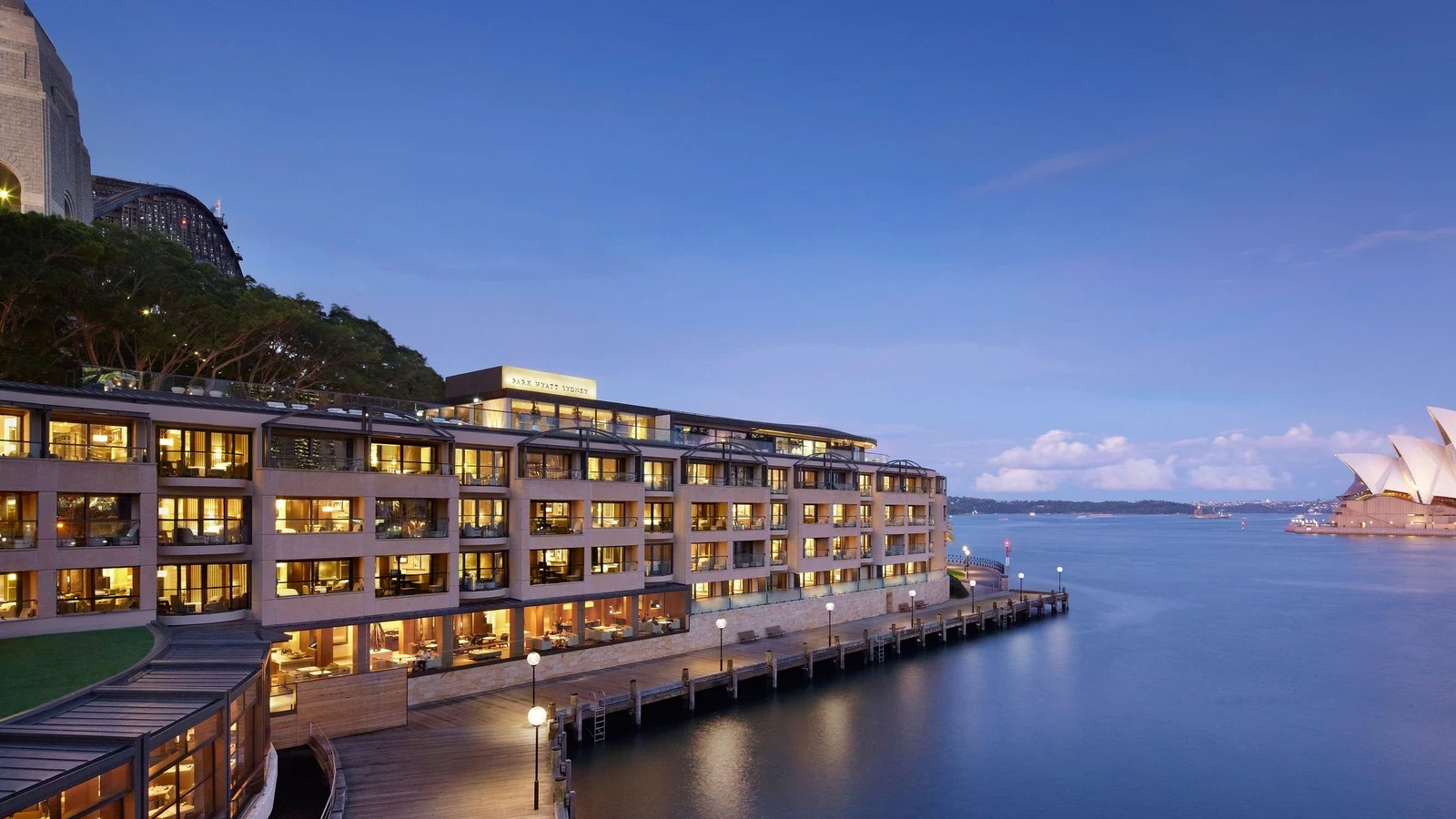
Viles took the reins at The Dining Room in 2022 after carving a name for himself at his innovative Southern Highlands restaurant, Biota. His tenure at the Good Food Guide-hatted harbourside restaurant brought a focus on sustainability and seasonality, hallmarks of his approach at Biota. Park Hyatt has a team in place to fill the transition: executive chef Tyson Gee and chef de cuisine Dan Parkes will replace Viles when his contract expires.
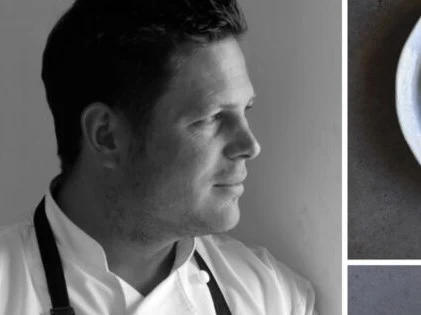
Professional headshot of a man in a white chef's coat against a neutral background.
"We'll be playing around with a few things, working out what we'll keep," said Tyson Gee.1 Gee noted that his and Viles' styles are quite similar, and that sustainability and seasonality will remain cornerstones of the kitchen. The continuity in approach suggests the hotel is prioritizing consistency over reinvention, a strategy that may reassure regulars but leaves open the question of whether the venue will retain the creative edge that earned its hat.
The Palomar's Transition: Mitch Orr's Departure and What Follows
Mitch Orr's departure from The Palomar at 25hours Hotel in Paddington was quieter. His one-year contract ended, and he slipped out the door without fanfare. "My one-year contract was up," said Orr. "I felt like I'd done what I was asked to do and ticked all the boxes I wanted to tick." The language is transactional, and it reflects a reality that Orr has acknowledged openly: hotel restaurants are a different beast from independent operations.
Orr helped earn Good Food Guide hats for ACME in Rushcutters Bay more than 10 years ago, but in recent years he has become something of a hotel restaurant specialist. He was part of the launch team at Ace Hotel's Kiln, which was awarded New Restaurant of the Year in the Good Food Guide 2023.
At The Palomar, he was tasked with establishing the culinary program for a new hotel in a competitive Paddington market. The one-year term suggests the hotel was looking for a name to anchor the launch, not a long-term creative director.
For collectors who booked tables at The Palomar based on Orr's ACME pedigree, the departure raises a question: was the one-year contract long enough to establish a wine program and sourcing network worth preserving, or was Orr's tenure more about brand credibility than culinary infrastructure?
A spokeswoman for 25hours said the hotel's ground-floor culinary program has been left in the hands of head chef Luke Davenport, who oversees The Palomar, cocktail and wine bar The Mulwray, and coffee house Jacob the Angel. The structure is telling: Davenport is not a celebrity hire but an operational chef managing multiple venues under one roof. "You might have to do room service, you might have to do breakfast," said Mitch Orr.2 Where independent restaurateurs can choose to close on a Monday, hotel kitchens have different priorities.
Orr is now looking around, open to things. The phrasing suggests he is not rushing into another hotel contract. For collectors, The Palomar's transition raises a question about continuity: Orr's departure removes the venue's most recognizable culinary identity, and Davenport's multi-venue brief suggests the hotel is prioritizing operational efficiency over menu innovation.
Kiln at Ace Hotel Surry Hills: Beau Clugston's Exit
Beau Clugston's departure from Kiln at Ace Hotel in Surry Hills after one year marks the end of the venue's post-opening culinary vision. Clugston, a former senior chef at Denmark's famed Noma, was jetting between the Sydney gig and his Copenhagen restaurant Iluka, which he recently sold and announced a reboot in a new location.
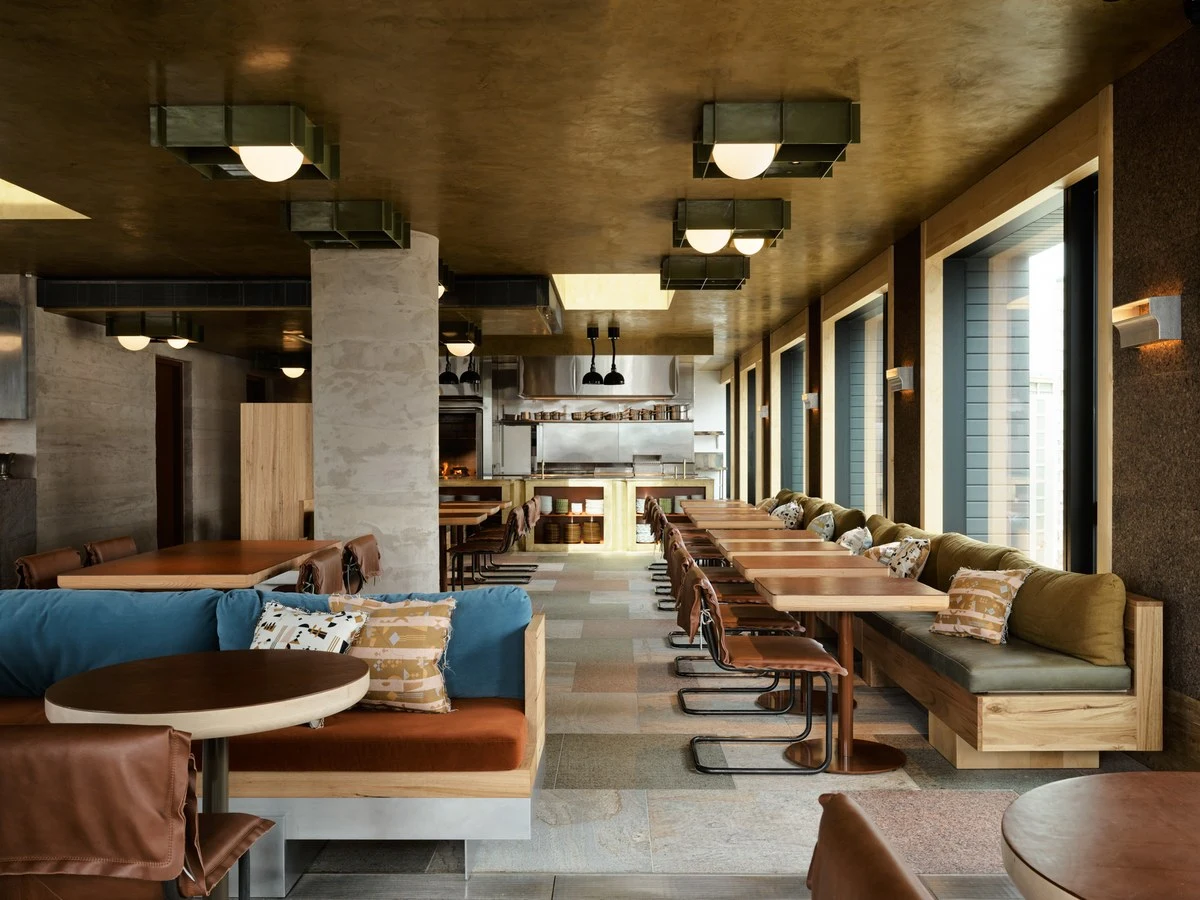
Kiln at Ace Hotel Sydney features a modern dining room with an open kitchen and booth seating.
The dual-city schedule was unsustainable, and the contract term reflects that reality.
For collectors who followed Clugston's Noma lineage and booked tables at Kiln expecting Copenhagen-level technique, the one-year tenure raises a question: was the contract long enough to embed his approach in the kitchen, or was Kiln's New Restaurant of the Year award in the Good Food Guide 2023 more about Mitch Orr's launch work than Clugston's subsequent refinement?
A spokesperson for Ace said Clugston had a very successful tenure at Kiln and departed when his contract came to an end. The restaurant retained its Good Food Guide hat during his tenure, a signal that the program held its standard under his direction. Clugston replaced Mitch Orr, who was part of the launch team that earned Kiln New Restaurant of the Year in the Good Food Guide 2023. The pattern is consistent: high-profile chef brought in to establish or elevate the program, contract term of one year, transition to an internal team.
Isobel Whelan-Little, who has served as culinary director, will take on a greater role in Kiln's next iteration. Whelan-Little spent several years cooking at London's acclaimed BRAT restaurant, returning to Australia in 2020 to become head chef at LP's Quality Meats in Chippendale.
Her background is wood-fired cooking, which aligns with Kiln's ethos, and her promotion suggests the hotel is betting on continuity over reinvention. The spokesperson said Whelan-Little will work with the team to ensure Kiln remains a restaurant both attuned to and loved by the city.
For collectors who have followed the BRAT lineage, Whelan-Little's elevation is the most promising of the three transitions: she has spent years on the wood-fired bench, and her LP's Quality Meats tenure suggests she can run a kitchen under pressure.
What the Sydney Hotel Dining Shake-Up Means for Collectors
The near-simultaneous departure of three high-profile Sydney hotel restaurant chefs in 2026 reflects a structural shift in how luxury hotels manage culinary talent. The pattern is consistent: celebrity-chef anchors brought in to establish or elevate a program, contract terms of one to four years, and transitions to in-house teams or culinary directors who prioritize operational stability over individual star power. The model makes sense for hotels, which need consistent service across multiple venues and cannot afford the creative volatility that comes with independent chef-driven restaurants.
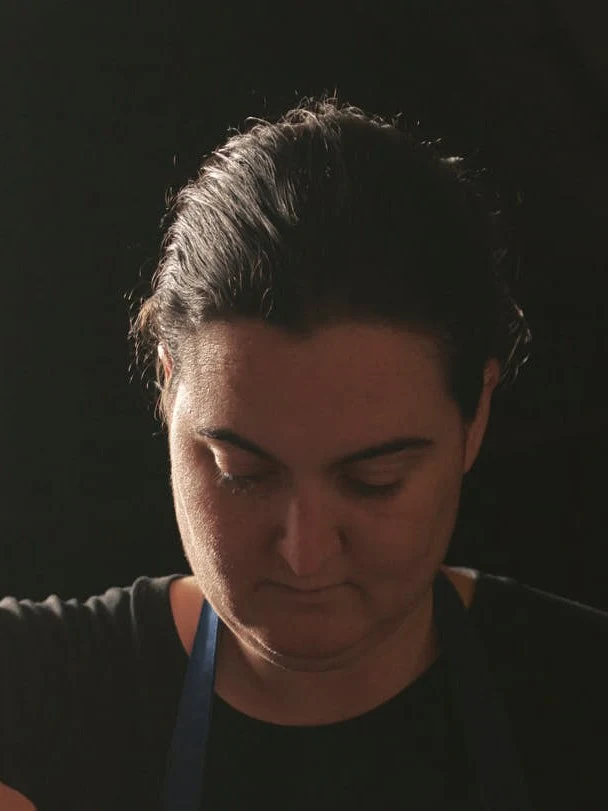
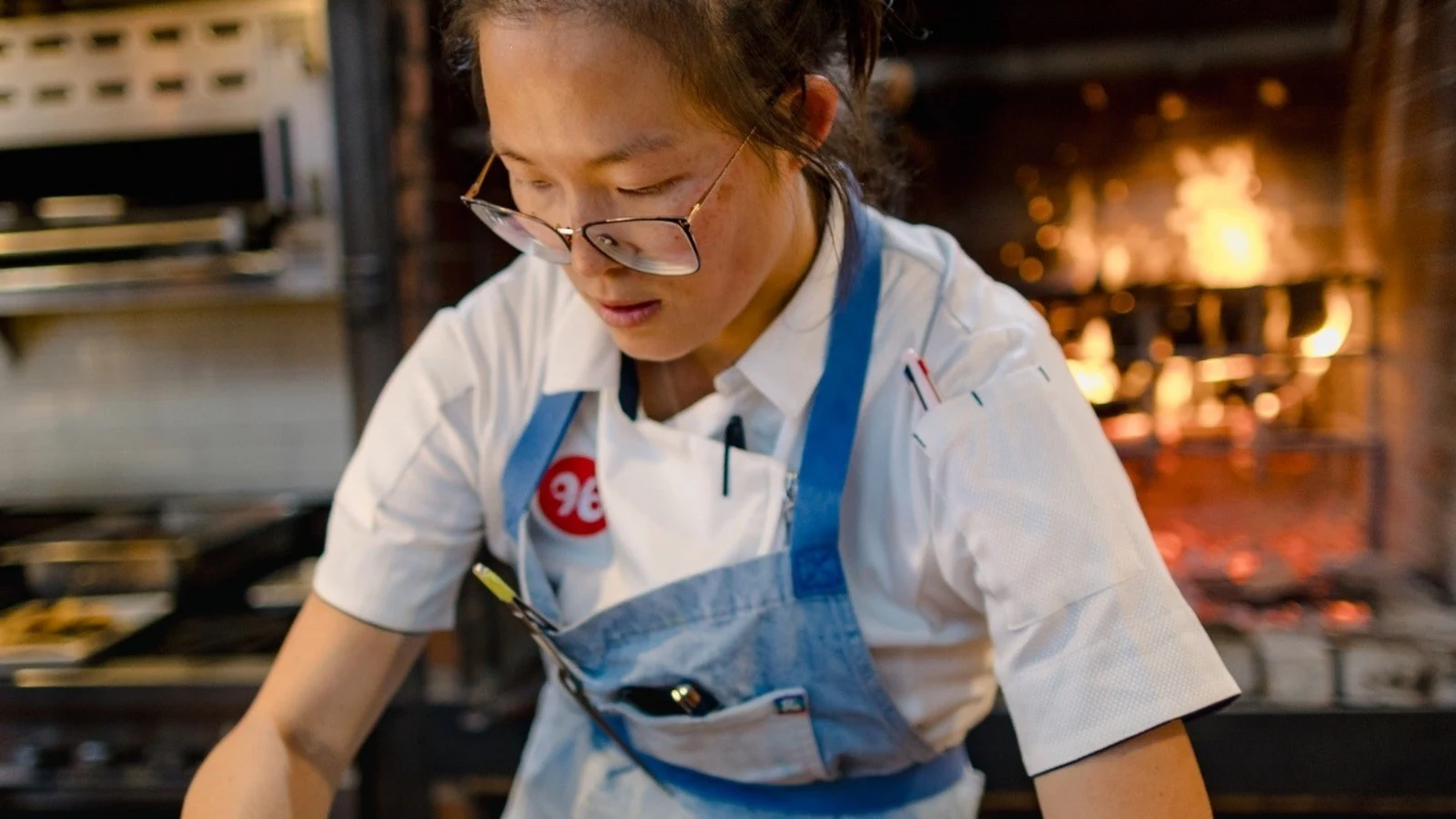
A chef photographed in profile against a dark background, wearing dark chef's attire.
For collectors, the shift requires a reassessment of which venues still deliver cellar-worthy wine programs and menu innovation. The Dining Room's transition to Tyson Gee and Dan Parkes suggests continuity in approach, but the question is whether the venue will retain the creative edge that earned its hat or settle into a safe, predictable program.
The Palomar's transition to Luke Davenport, who oversees multiple venues, suggests the hotel is prioritizing operational efficiency over menu innovation.
Kiln's transition to Isobel Whelan-Little is the most promising of the three, given her BRAT background and her alignment with the venue's wood-fired ethos, but the question is whether she will push the program forward or settle into a holding pattern.
The broader pattern is clear: Sydney's hotel dining scene is moving away from chef-driven celebrity anchors toward culinary-director models that prioritize operational consistency. The shift is not unique to Sydney; it reflects a post-pandemic trend across luxury hotel dining globally, where hotels are prioritizing long-term stability over short-term star power. For collectors, the question is which venues are still worth booking in 2026, and which have settled into safe, predictable programs that no longer justify the premium.
The three departures also raise a broader question about the sustainability of hotel restaurant chef contracts. The one-to-four-year terms are standard in the industry, but they create a revolving door that makes it difficult for venues to build long-term reputations. Independent restaurants build their reputations over decades, with chefs who stay on the bench for years and develop a loyal following. Hotel restaurants, by contrast, cycle through chefs every few years, which makes it difficult to build the kind of institutional memory and craft continuity that defines the best independent operations.
For collectors, the lesson is to follow the people, not the venues. James Viles is now devoting more time to his safari and off-grid food businesses, which may be worth watching for collectors who followed his work at Biota and The Dining Room. Mitch Orr is looking around, open to things, and his next move may be more interesting than his hotel stints.
Beau Clugston is rebooting Iluka in a new Copenhagen location, which may be worth a detour for collectors who travel to Denmark.
Isobel Whelan-Little is the one to watch in Sydney; her elevation at Kiln is the most promising of the three transitions, and her BRAT background suggests she has the technical chops and the craft discipline to push the program forward.
Made By follows the people who shape what you eat and drink. Subscribe, and the next dispatch from the bench, the cellar, or the kitchen comes to you.
The Sunday letter
Get the next Made By guide in your inbox.
We send one email every Sunday morning with the guides and profiles we published that week.