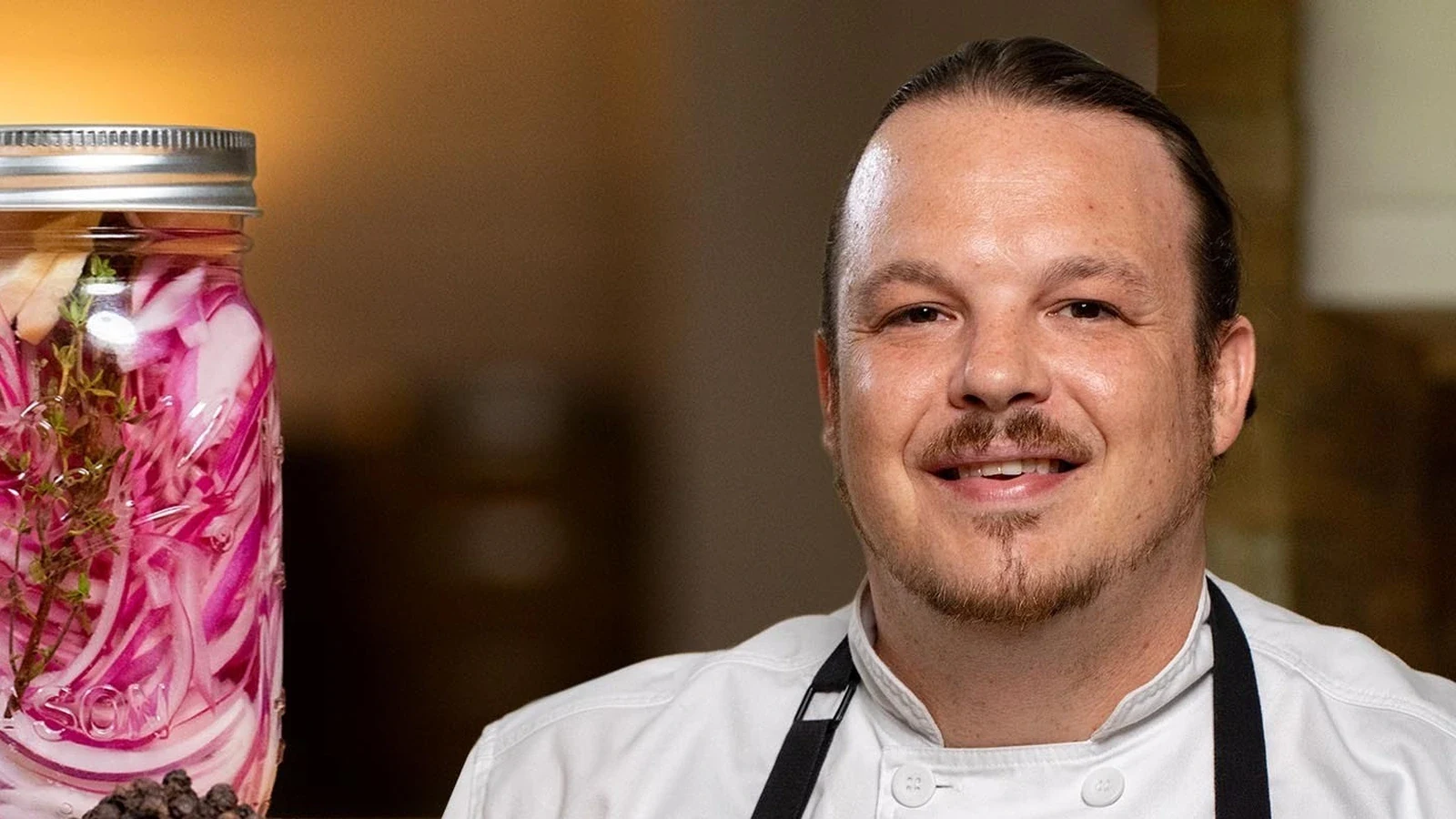
"When ownership changed, the required rent to continue operating became unaffordable," Chef Bradley Kilgore said after closing Cafe Sebastian, MadLab, and Ama in San Francisco's FiDi on Monday, May 4.1 The sale of the Transamerica Pyramid to Yoda PLC changed the ground beneath three rooms in the Transamerica Complex, pulling Kilgore and his team off the bench before the program had time to settle.2
Kilgore opened Cafe Sebastian in November 2024;3 his team followed with MadLab in December 2024 and Ama in September 2025.4 For anyone following the chef's work, the timing matters. These were young rooms, not mature ones at the end of a long run. Kilgore and his team were still building a multi-outlet program inside a property whose ownership had changed around them. Read the closure through the lease as much as the menu: a restaurant program ran out of room before it had enough time on the tools.
Which Bradley Kilgore Restaurants Closed at the Transamerica Pyramid
Cafe Sebastian, MadLab, and Ama all closed inside the Transamerica Complex on May 4. For readers tracking Kilgore's San Francisco work, the practical point is simple: none of the three rooms is available to book after that date.
A cook can reset a station, a chef can tighten a menu, and a manager can rebuild a service plan. A building transition works on another scale: ownership, redevelopment, rent, and the future of the rooms themselves. In this case, the room became the unstable ingredient.

Property management told tenants that the transition reflected the new owner's long-term redevelopment vision for Three Transamerica and the food-and-beverage outlets in the Transamerica Complex. The same message thanked Kilgore and his team for the creativity and culinary experience they brought to the property.
That is the building-side language: orderly, administrative, shaped for tenants. For Kilgore and his crew, the reading is sharper. When a chef's dining rooms depend on a particular lease, a particular rent, and a particular piece of real estate, the craft on the plate can only carry the business so far. Diners should treat the May 4 date as the cutoff, not a pause between services.
Why Kilgore's FiDi Restaurant Trio Carried Risk
Kilgore placed three concepts inside one complex, a wager that asked for more than one strong opening team. His purchasing had to hold. His staffing had to stretch without fraying. Each room needed its own rhythm while still answering to the same operator, the same property, and the same risks.
For operators reading the closure, the point is not only culinary. Cafe Sebastian, MadLab, and Ama needed the Transamerica Complex to give Kilgore and his team enough stability to move from opening energy into durable practice. Without that runway, even a drilled team stays in the fragile period where systems are still being tested.
In a restaurant, time is counted in pickups, turns, prep windows, and closing checklists. Property redevelopment counts differently. It moves through ownership changes, tenant letters, demolition plans, and rent terms. When those clocks fall out of sync, the line feels the consequence after the decision has already been made elsewhere. Anyone reading a young restaurant program should watch those conditions as closely as the menu.
How Kilgore Read the Rent Pressure and Demolition Plan
Kilgore named the operating problem plainly: "When ownership changed, the required rent to continue operating became unaffordable. This, combined with the fact that they plan to demolish the building where the restaurants are, made it impossible to continue."1
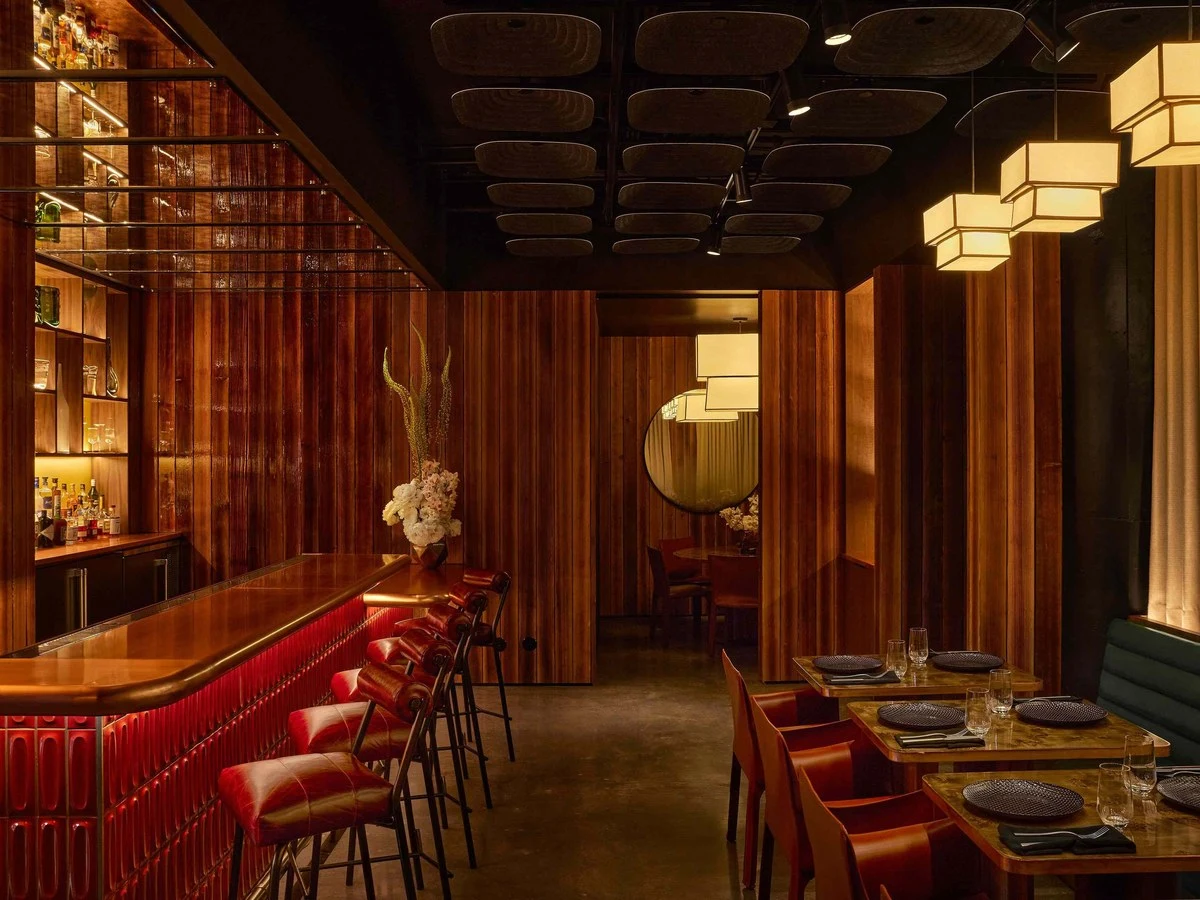
Read that as a mise en place problem with no kitchen solution. Ownership changed. Rent moved beyond reach. By Kilgore's account, the building housing the restaurants was slated for demolition. At that point, the question is not whether the chef and his team can shave seconds from a pickup or refine the room's pacing. The basic conditions for service had been taken apart.
For diners, the closure was not a matter of waiting for a revised menu or tighter service. For operators, the harder lesson is in the lease. Kilgore's cooking can hold, his team can stay drilled, and the restaurants can still lose to the economics beneath them: rent, lease terms, square footage. The takeaway is bench-side but blunt: before a room can become a restaurant with regulars and memory, it needs terms that let service repeat.
What San Francisco Operators Can Take From the Closure
The end of Kilgore's Transamerica Pyramid restaurants shows how quickly a San Francisco opening can become a real-estate story. Kilgore's name brought attention. The property supplied scale. The ownership change set the boundary around what he and his team could keep doing.
For operators, the lesson sits below the menu. Read the property with the same attention a chef gives to the first service: who owns it, what happens if that changes, and how much time the room truly has to become itself. Technique needs repetition. Regulars are made service by service. A young restaurant program needs runway before its method hardens into muscle memory.
Here, that process stopped early. Cafe Sebastian, MadLab, and Ama were still new enough to be in formation, the stage when teams learn which systems hold and which have to be rebuilt before the next turn. The closure gives operators a plain checklist to carry into any new room: ownership, rent, lease terms, redevelopment risk, and the time needed for the hands to make the place work.
What to Watch Next From Kilgore Culinary Group
Kilgore Culinary Group is exploring next steps in San Francisco. That is the forward line to watch now: not only what Kilgore cooks next, but where his lease sits, who controls the building, and whether the room gives him and his team enough time to practice their way into permanence.
For anyone following Kilgore, the next useful signal is not a promise of what replaces Cafe Sebastian, MadLab, and Ama. It is where Kilgore Culinary Group lands, and whether the room gives the hands enough time to work. Watch the next address as closely as the next menu, because this closure made the site part of the method.
The closure leaves a clean lesson for anyone who studies restaurants from the working side of the counter. Kilgore and his crew can do the work. The building can still decide the service.