Vicky Cheng’s Estuary Opens at Macau’s Capella Hotel
“You’ll hear the word ‘nourishing’ a lot during this meal,” Vicky Cheng says at Estuary, his new restaurant at Macau’s Capella hotel, which officially opens on May 29. The sentence gives the kitchen its working instruction before public service begins. Cheng is returning to his French culinary roots, but not to the old weight of French dining as a finished model.
Estuary blends healing ingredients with French finesse and Asian touches. The meal is calibrated through temperature and seasonality, with ingredients chosen for their restorative associations as much as for flavour and prestige. It leaves the body satisfied rather than bogged down.
Vicky Cheng Estuary at Macau’s Capella Hotel
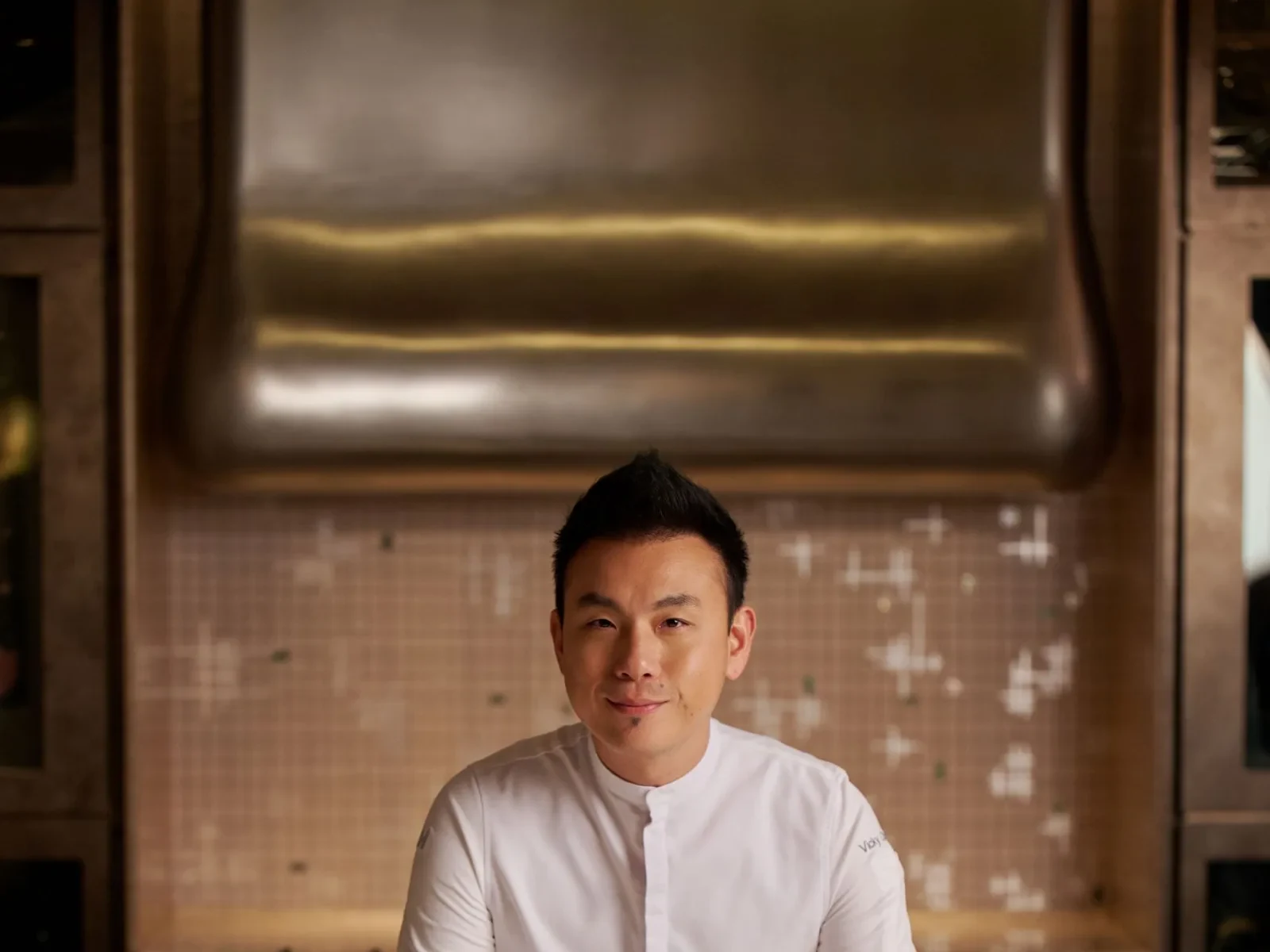
Cheng is the maker to keep in view. In a hotel setting, the most useful reading is not the room around the table, but the discipline behind the pass. Estuary marks a return to the chef’s early training, and its name points to convergence: lived experience meeting in one place, and a focus on ingredients from both fresh and saltwater.
That title gives the restaurant more than a coastal image. An estuary is a meeting point, but also a place of movement, salinity, and adjustment. For Cheng, the premise is culinary rather than decorative: technique has to hold as different traditions, temperatures, and ingredient purposes meet on the plate.
A French Return Without Copying French Weight
As French meals go, Cheng’s direction sits far from the traditional habit of reinforcing courses with rich, fatty indulgence and palate-blasting moments built to stand beside powerful, full-bodied wines. The return here is to control, not heaviness.
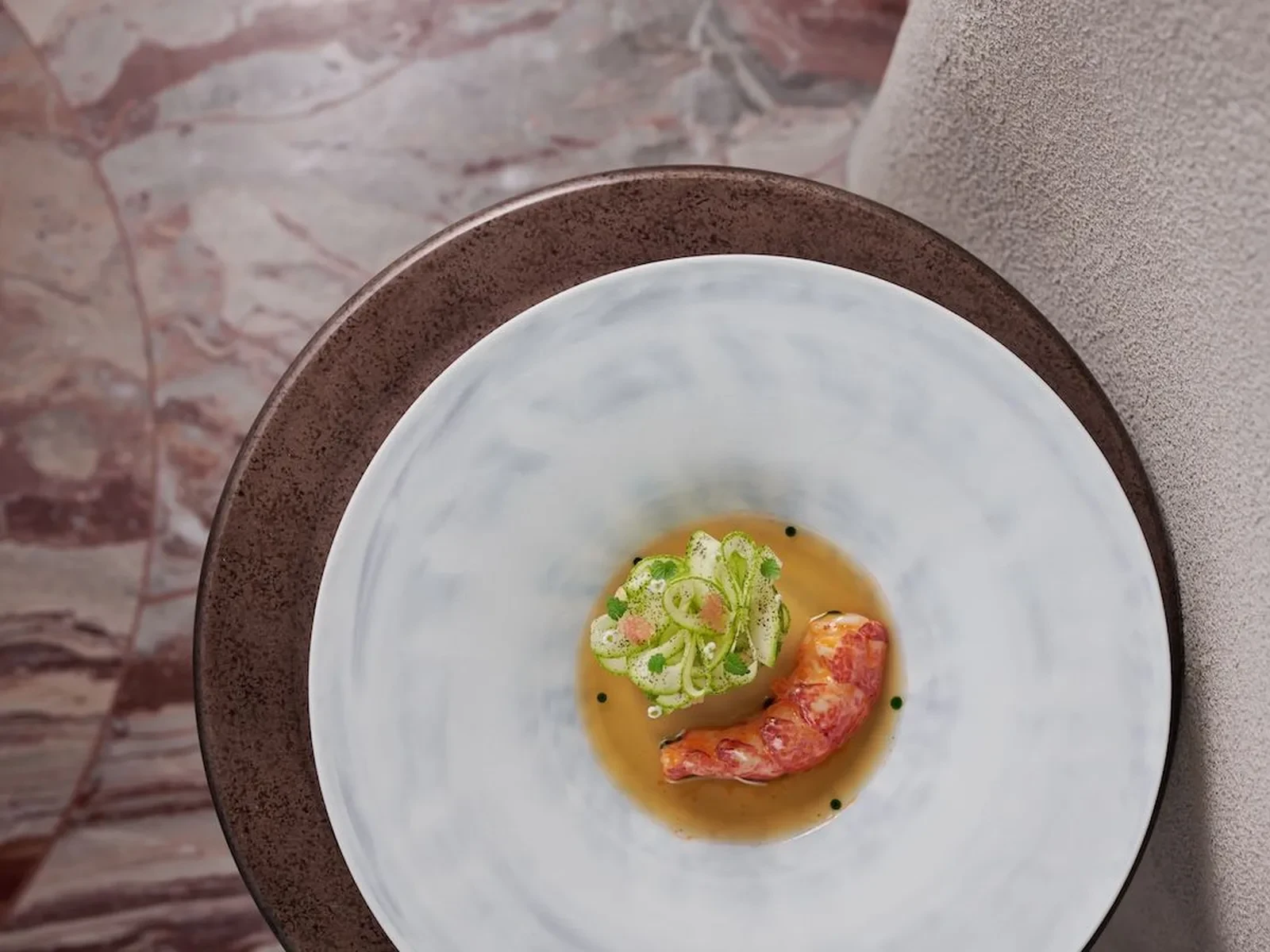
French cooking gives a kitchen a language of measure: reduction, texture, timing, sequence, and restraint at the pass. Used well, that language can make a course precise without making it dense. The craft question at Estuary is not whether Cheng can signal Frenchness, but whether he can use its discipline while keeping the meal physically clear.
Finesse is not softness. It is the ability to know when a sauce has gone far enough, when richness begins to close appetite, and when a plate should release rather than press. Cheng’s test is practical: each course has to carry structure without borrowing authority from weight.
The Word Cheng Gives the Meal Is Nourishing
Nourishment is a demanding brief for fine dining because it cannot be added at the end like garnish. It has to survive the whole sequence. A single gentle plate can suggest care; a full dinner has to manage accumulation, temperature, and pace without flattening pleasure into restraint.
The use of healing ingredients adds another layer of responsibility. Such ingredients bring histories of use, memory, and bodily expectation, but the idea alone does not cook them. They still need cutting, seasoning, heat, rest, and placement. The plate has to make sense before any explanation does.
That is where Cheng’s chosen word earns its difficulty. It asks the kitchen to think beyond display and toward after-effect: what the diner carries from the table when the final course is gone.
Asian Touches Inside French Discipline
Asian touches can become thin when they sit only on the surface. At Estuary, they need to operate inside the method: in seasoning, temperature, sequence, and how appetite is guided from one course to the next. The point is not recognition. The point is structure.

Cheng’s base matters here. A kitchen with a strong discipline can bend without losing its line. If the French frame supplies control, the cross-current supplies movement. The work is to keep both legible without turning either into ornament.
Texture will carry much of that argument. So will restraint. A course can change register through heat, broth, salinity, or lightness of finish, but it still has to arrive as cooking rather than reference.
What To Watch After May 29
Once the doors open, Estuary’s promise will be measured in repetition. A restaurant can state an intention once; the pass has to keep it intact through service, course after course, for diners who bring their own expectations of what French dining should feel like.
The more precise test is whether Cheng can make lightness carry form. If the meal keeps its structure while avoiding the heaviness it rejects, Estuary will read as more than a new Macau address. It will show a chef returning to an early discipline and asking it to feed with a lighter hand.