Wine & Food Week: Beard Awards, Albi, and the Alps
The 2026 James Beard Awards landed in Chicago, Michael Rafidi earned four NYT stars, and Sacha Lichine announced a new festival in the Swiss Alps.
HM
Director of Editorial Standards
Hugo Marchetti
Filed June 27, 2026
10 min read
The 2026 James Beard Awards dominated the week's conversation, with San Francisco, Philadelphia, and the bar world all claiming significant wins at the Lyric Opera in Chicago. Alongside the ceremony, Michael Rafidi's Palestinian kitchen in Washington D.C. earned four stars from the New York Times, Three Blue Ducks opened a 50-seat fine-dining room in a 200-year-old New South Wales farmhouse, and Sacha Lichine announced he is taking his next act to the Swiss Alps. It was a week that kept returning to the same question the industry always circles back to: whose hands are behind the food, and how long have they been at it.
What We Published This Week
The Knife Forges of Sakai in Person: How to Get In and What You'll See
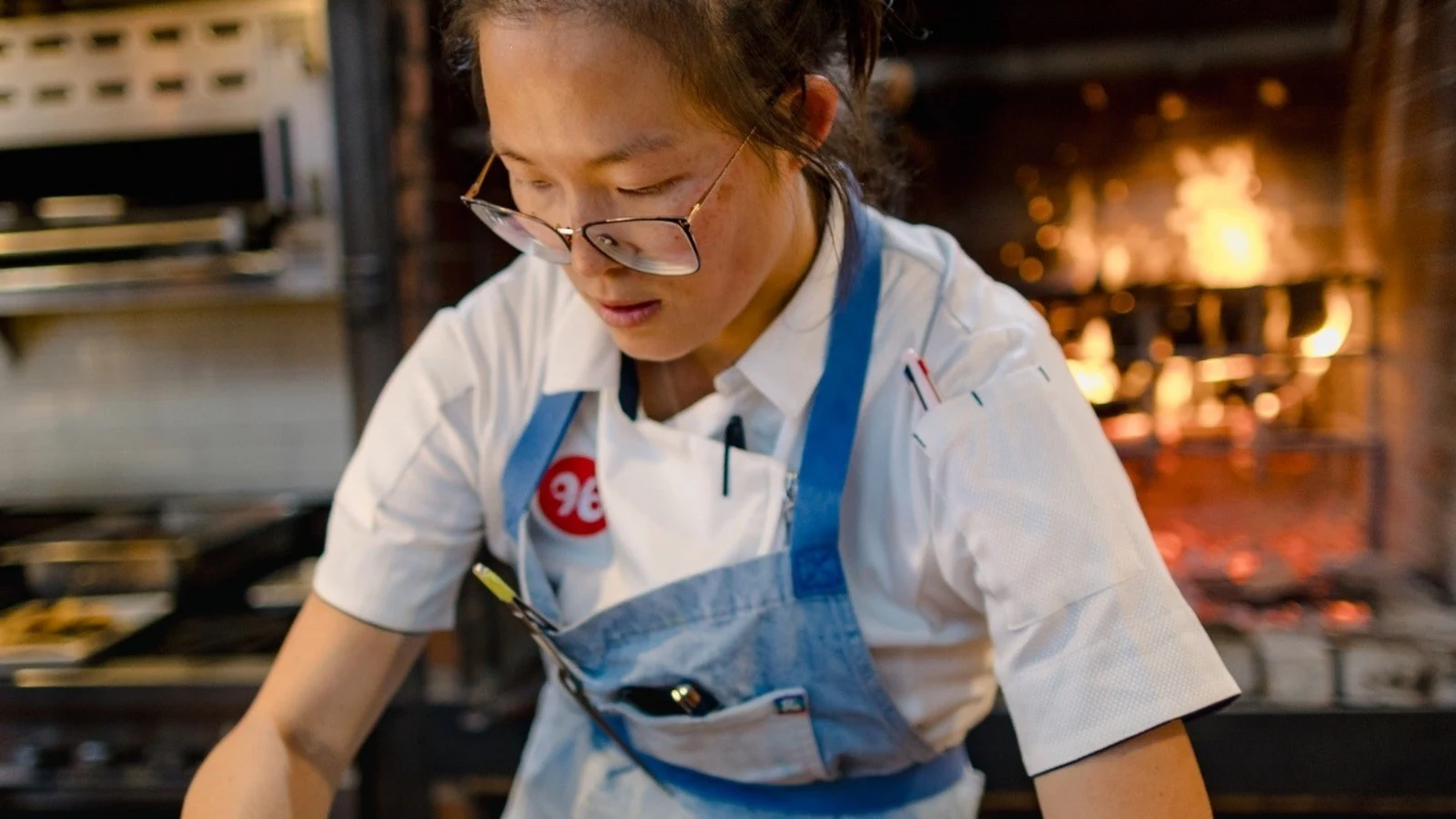
The New York Times awarded four stars to Albi, Michael Rafidi's Palestinian restaurant in Washington D.C., with the review anchored in a single, precise observation: Rafidi is telling a vivid story through bread and fire. That framing is not decorative. Bread and fire are the two oldest tools in the kitchen, and at Albi they are also the most political, carrying the weight of a cuisine that has been displaced, misattributed, and argued over in print for decades. Rafidi is not making a case in a manifesto; he is making it on the plate, which is the only argument that holds.
The Sunday letter
Get our new stories in your inbox every Sunday.
One email with our newest profiles and guides. See a sample before you subscribe.
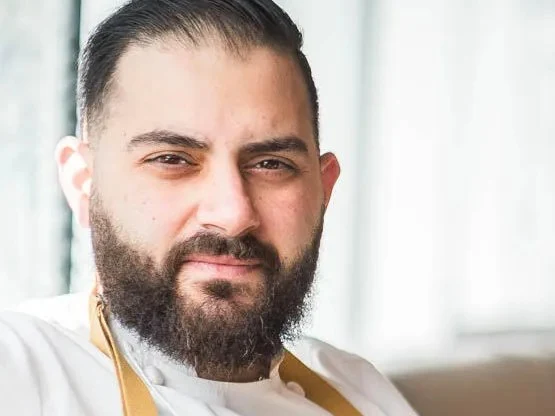
Michael Rafidi, chef-owner, is pictured wearing a denim apron and a chef's coat.
Four stars from the Times is the paper's highest rating, and it arrives at a moment when Washington D.C.'s dining scene is drawing sustained national attention. For Rafidi, the recognition lands not as a surprise to anyone who has followed his trajectory, but as a formal acknowledgment of a kitchen that has been doing the work quietly and at depth. The review's framing, bread and fire, points toward a method rather than a mood. That is exactly the kind of critical language this city's restaurants have historically been denied.
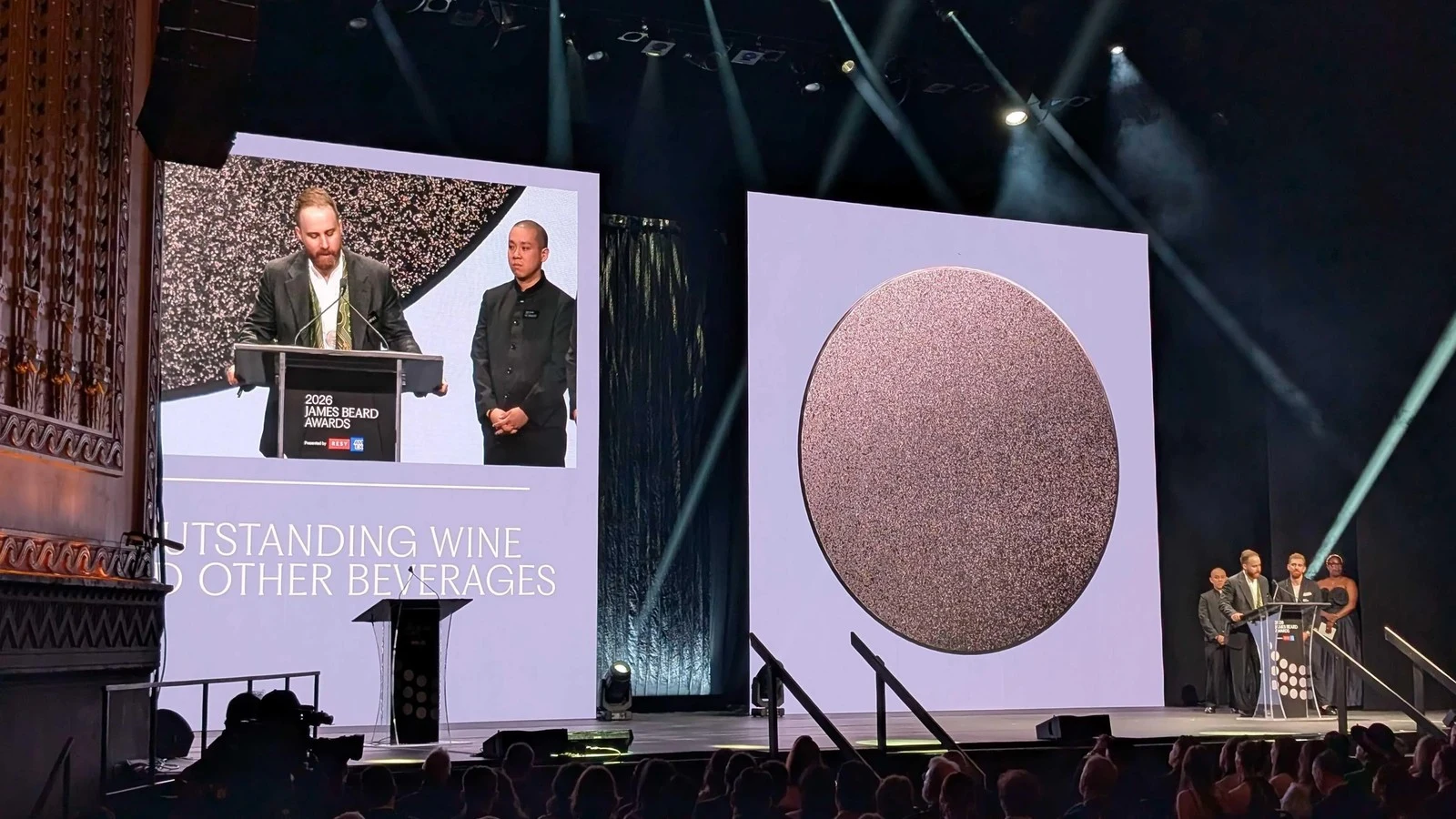
The James Beard Foundation held its 2026 awards ceremony at the Lyric Opera in Chicago, and by most accounts the night delivered on the tension that a tight finalist list had been building for weeks. Bon Appetit reported impassioned speeches, surprise wins, and the kind of red-carpet energy that the ceremony has leaned into as it has tried to rebuild its own credibility over the past several years. The full winner list spans categories from Outstanding Chef to Outstanding Restaurant, and the geographic spread of the winners tells its own story about where American cooking is concentrating its energy right now.
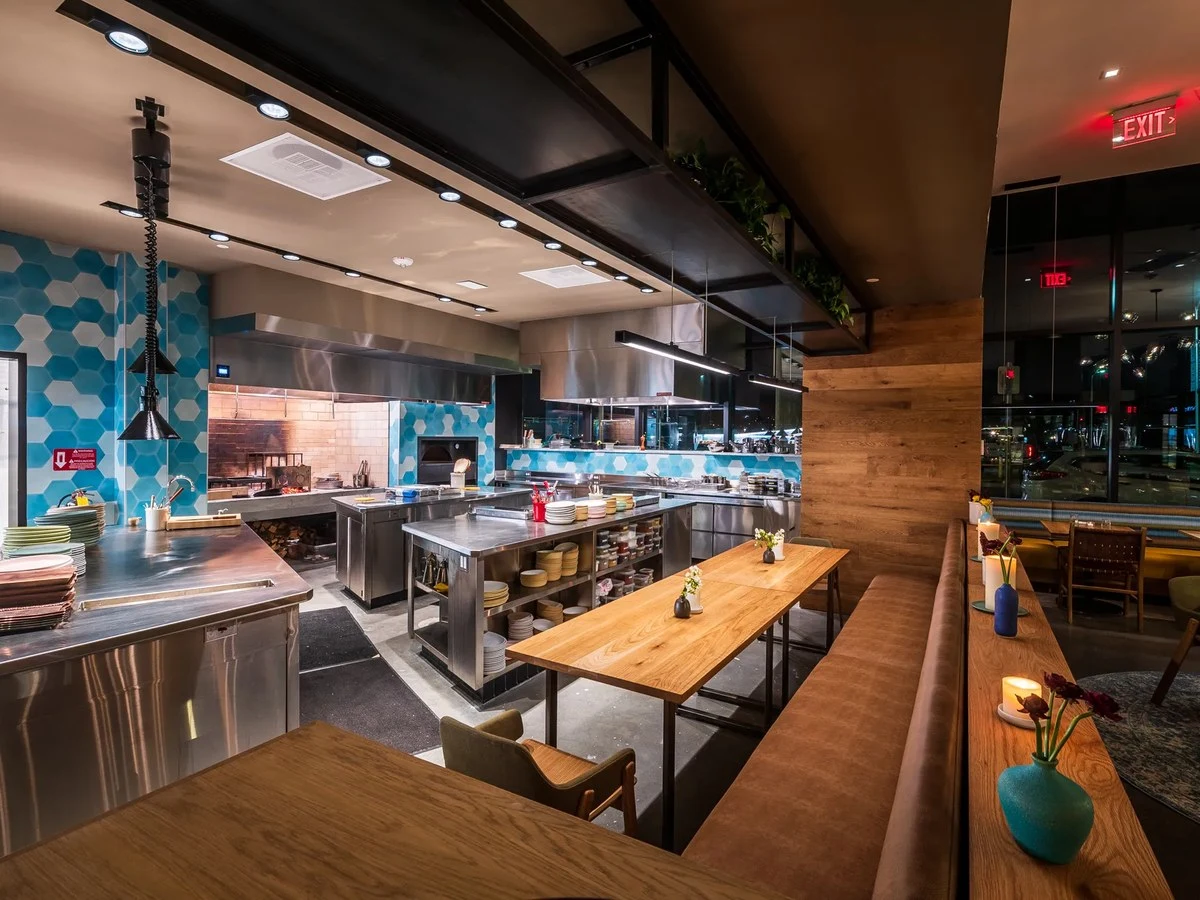
A modern open kitchen features stainless steel cooking equipment, hexagonal blue tile backsplash, wooden dining tables, and floor-to-ceiling windows overlooking the city.
The ceremony is the industry's most visible annual reckoning with who is doing the work and who is being seen for it. The wins that drew the most attention this week came from the Bay Area and Philadelphia, each carrying a lineage worth tracing in detail.
Two awards from the Bay Area stood out at the Chicago ceremony. Michael Tusk of Quince, the three-Michelin-starred San Francisco restaurant, took the Outstanding Chef award and accepted it on stage at the Lyric Opera alongside his wife. Tusk has been at Quince long enough that the restaurant and the chef have become inseparable in the city's dining conversation; the Outstanding Chef award recognizes a body of work rather than a single season, and at Quince that body of work is built on a kitchen that has held its standard across years of industry turbulence.
The second Bay Area win went to Kevin Diedrich of Pacific Cocktail Haven, who received the Outstanding Professional in Cocktail Service award. Diedrich's bar program has been a reference point in San Francisco's cocktail scene for several years, and the Beard recognition places him in a national conversation that the bar world has been working to join on equal footing with the kitchen. Two awards from one city in one night is not a coincidence; it reflects a concentration of craft that has been building in the Bay Area across both disciplines for the better part of a decade.
The biggest Philadelphia win of the evening was Kalaya's Outstanding Restaurant award, the Beard Foundation's recognition of a restaurant as a whole operation rather than a single individual. Kalaya is Thai chef Chutatip "Nok" Suntaranon's South Philly restaurant, which opened in 2019 and relocated in 2022.
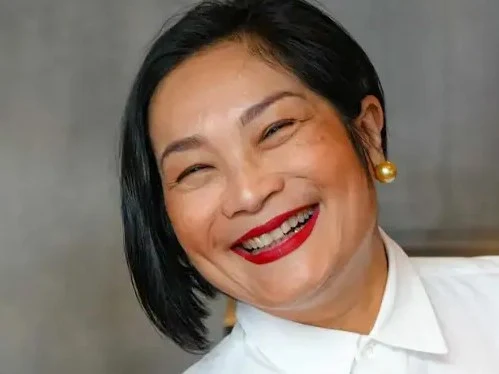
Chef Chutatip Suntaranon of Kalaya celebrates winning Outstanding Restaurant at the James Beard Awards.
The Outstanding Restaurant category looks hardest at the full picture: the food, the room, the service, the program, and the consistency across time.
For a Thai restaurant in South Philadelphia to hold that category against the full national field says something specific about what Suntaranon has built, and about how the Beard Foundation's judging has shifted its frame of reference over the past several years.
Philadelphia sent a tight list of finalists to Chicago this year, and Kalaya's win was the headline result. Suntaranon opened the original Kalaya in a neighborhood that was not waiting for a Thai fine-dining destination; the restaurant found its audience through the food itself, and the relocation in 2022 gave the kitchen room to operate at the scale the demand required. The Outstanding Restaurant award is the kind of recognition that changes a reservation line overnight.
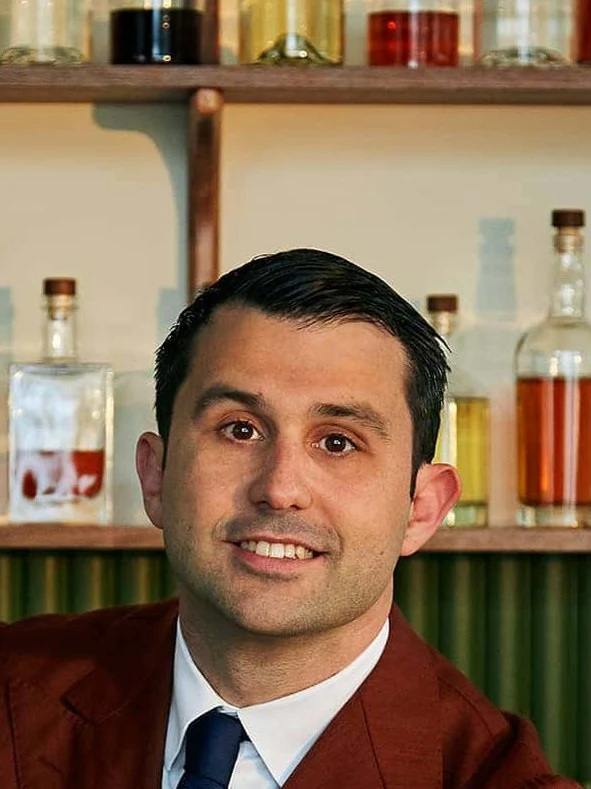
Giorgio Bargiani, assistant director of mixology at the Connaught Bar in London, has won the Altos Bartenders' Bartender Award 2026 for Europe. The award is peer-voted, which means the recognition comes from the people working the same stations across the continent rather than from a panel of judges or a publication. That distinction matters in the bar world, where the gap between critical recognition and peer respect is sometimes wide. Bargiani's win at the Connaught, one of the most closely watched bar programs in London, reflects a standing built through years of work at one of the discipline's most scrutinized addresses.
Giorgio Bargiani, a bartender, is pictured behind a bar with various bottles and glasses.
The Connaught Bar has held a position at the top of the World's 50 Best Bars list long enough that its team operates under a particular kind of pressure: every drink is measured against a reputation that precedes it. Bargiani's role as assistant director of mixology places him at the center of a program that has to maintain that standard across every service. A peer vote from European bartenders is a signal about where the craft conversation is happening, and right now a significant part of it is running through Mayfair.
Three Blue Ducks opened a flagship 50-seat restaurant this week inside a 200-year-old farmhouse on the outskirts of Bowral, New South Wales, as part of Burradoo Park Farm, a property backed by Annie Cannon-Brookes. The kitchen lineup is worth reading slowly.
Group executive chef Troy Crisante came from Quay, where he was joint head chef before the restaurant closed. Head chef Rhys Connell spent six years at the now-closed three-hatted Sepia and ran the kitchen at Good Food Guide-hatted Sydney restaurant The Gantry.
Three Blue Ducks co-founders Darren Robertson and Andy Allen bring their own lineage: Robertson is a former head chef at Tetsuya's, and Allen is a MasterChef winner turned judge. That is four significant Sydney kitchens represented in one 50-seat room in the Southern Highlands.
The degustation runs at $210, with a $175 lunch-only field menu and no a la carte. The brief Robertson and Allen set for the menu was to use as much produce and inspiration from the farm as possible.
Robertson described one of the opening dishes, built around cover crops: buckwheat, rye, and chickpeas soaked in water for a day, then rinsed for four days until the legumes sprout, served warm with fermented turnip sauce and blanched turnips.
Connell has developed a late-menu dish that combines Burradoo Park Farm-grown potatoes with locally sourced varieties, creme fraiche, caramel, and liquorice powder. Salvaged timber from the property has been made into knife handles; horseshoes have been turned into cutlery rests. Stephanie Alexander's Kitchen Garden Foundation is operating on the property.
The opening of the flagship follows the April launch of The Bakehouse and a casual eatery called The Farmhouse on the same site.
In New York, the Times reported that chef Igor Almeida Cabral is bringing new life to Claudette, the bistro that has held a place in the city's dining conversation for several years. The details of Cabral's program at Claudette are still emerging, but the framing of the story as a second act points toward a kitchen that is being rebuilt around a new set of hands rather than simply refreshed. The same dispatch noted the opening of a large Korean barbecue venue in Williamsburg, Brooklyn, which signals continued investment in the borough's dining density even as Manhattan openings continue to draw the bulk of critical attention.
Claudette's original run established it as a neighborhood anchor with a point of view; what Cabral does with that inheritance will be worth tracking across the coming months. A bistro format gives a chef room to work at a pace that a tasting-menu room does not, and the second-act framing suggests the operators are treating the room as a platform rather than a legacy to protect.
Sacha Lichine, the founder of Chateau d'Esclans, has announced a new four-day wine and gastronomy festival set in Gstaad, with a 2027 debut. The festival is described as bringing together leading chefs, winemakers, and hospitality figures. Lichine built Chateau d'Esclans into one of the most commercially significant rose producers in the world, and his move into the festival space follows a pattern familiar from other producer-founders who have used their network and profile to create events that sit at the intersection of trade and consumer culture.
Gstaad is not an obvious choice for a wine and food festival in the way that Bordeaux or the Barossa are obvious choices; it is a resort town whose calendar is already built around a particular kind of luxury hospitality, which is likely part of the logic.
A four-day format in the Swiss Alps in 2027 gives Lichine time to build a program that reflects his connections across the wine and restaurant worlds.
The announcement is early enough that the lineup is not yet public, but the combination of the Chateau d'Esclans network and a Gstaad address will draw attention from the hospitality figures the festival is designed to attract. The industry will be watching the 2027 edition to see whether the programming matches the setting.
A week that moved between Chicago ceremony halls, a Palestinian kitchen in D.C., a farmhouse in the Southern Highlands, and a Swiss Alpine resort kept returning to the same underlying question: who built this, and over how many years. Made By follows the people who shape what you eat and drink. Subscribe, and the next dispatch from the bench, the cellar, or the kitchen comes to you.
The Sunday letter
Get the next Made By guide in your inbox.
We send one email every Sunday morning with the guides and profiles we published that week.