Lalou Bize-Leroy was 23 when she took her place at the buying bench for Maison Leroy, tasting and choosing wines under the line of her father, Henri Leroy. Seven decades later, in 2026, Decanter named the Burgundy biodynamic pioneer its Decanter Hall of Fame 2026 recipient. The same awards placed Ramiro Ibáñez and Willy Pérez, two Jerez scholars and producers, beside her as joint recipients of the 2026 Rising Star award for their work around De la Riva and vinos de pasto.
The distance between those cellars matters: one story runs through Burgundy, Domaine de la Romanée-Conti, Domaines Leroy and d'Auvenay; the other through Sanlúcar de Barrameda, Jerez de La Frontera, Cota 45 and Bodegas Luis Pérez. Both are stories of makers who returned to vineyards, records, predecessors and methods before asking the market to follow.
Decanter Hall of Fame 2026: Lalou Bize-Leroy at the Cellar Door
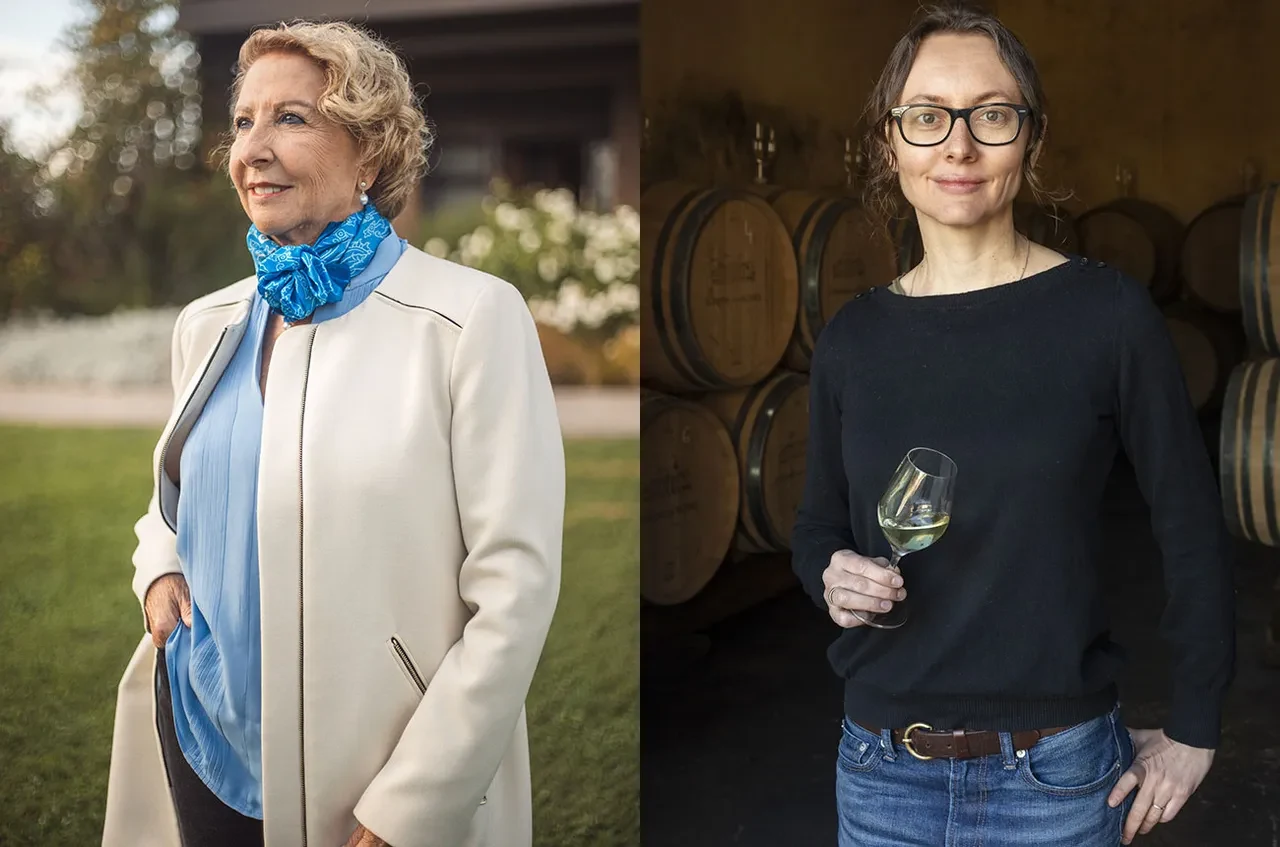
Lalou Bize-Leroy, Burgundy
Decanter has recognised one key figure each year with its Hall of Fame award since 1984. For 2026, the name is Lalou Bize-Leroy, born Marcelle Leroy in Paris in 1932, trained under her father Henri Leroy at Maison Leroy, and placed on the buying bench for the négociant business in 1955. That date gives the award its first measure: more than seven decades from a 23-year-old buyer choosing wines for Maison Leroy to a Hall of Fame honour tied to Burgundy biodynamics and domaine work.
Bize-Leroy's lineage passes through three named houses. Maison Leroy gave her the apprenticeship under Henri Leroy. Domaine de la Romanée-Conti gave her a co-director's station from 1974 to 1992, after she succeeded her father, whose stake in the producer had been acquired in 1942. Her own domaines, created in 1988, gave her the ground on which Decanter's account of her influence rests: Domaines Leroy and d'Auvenay.
The Decanter Hall of Fame 2026 award arrives with a collector's undertone already present in the wines. Domaine Leroy and Domaine d'Auvenay are among the most sought-after Burgundy names by collectors, Decanter reports. That sentence needs no ornament. In Burgundy, a name carried by collectors for years can compress history, scarcity and cellar discipline into a label; Bize-Leroy's case adds a farmer's argument, low yields, rigorous sorting and biodynamic grape-growing before the bottle enters the secondary conversation.
The award does not discover Bize-Leroy. It publicly names work that has shaped how a generation reads Burgundy vineyards: less as fixed prestige, more as living parcels requiring touch, rejection, timing and selection. The method matters because it is physical. Grapes come in. Hands sort. Fruit that does not meet the standard leaves the line. The finished wine carries the consequence of those refusals.
The Biodynamic Legacy: From DRC to Domaines Leroy and d'Auvenay
Bize-Leroy's career has always involved predecessors. Henri Leroy trained her at Maison Leroy. At Domaine de la Romanée-Conti, she followed him into the co-director role in 1974 and remained until 1992. Perrine Fenal, Bize-Leroy's daughter, later took on the DRC role. That is a family line, and a cellar line: buying, directing, leaving, founding, handing on.
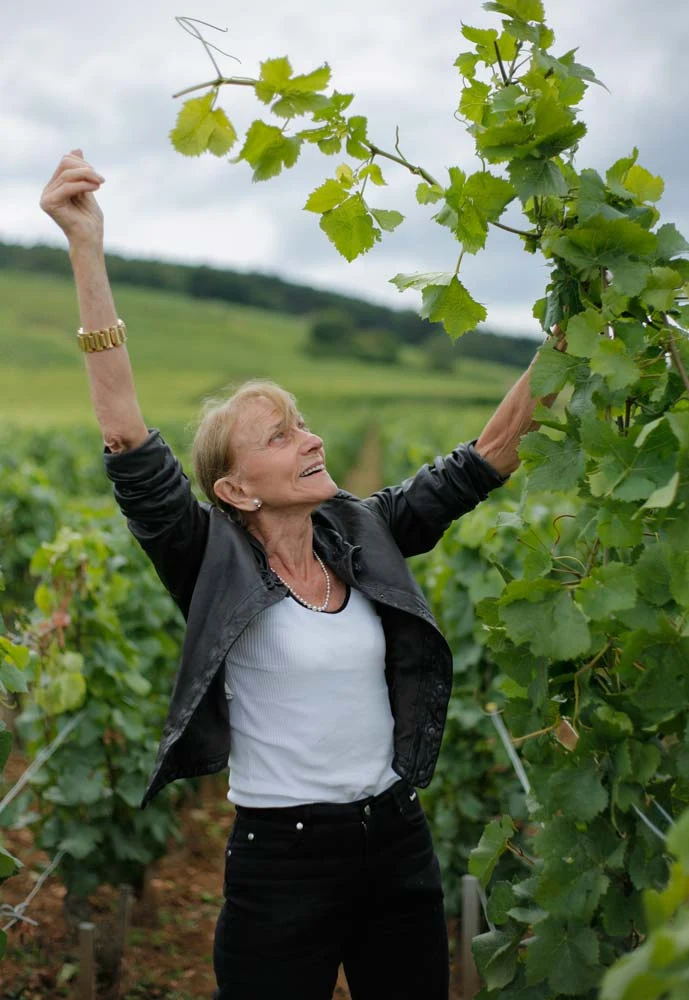
Charles Curtis MW, Decanter's Burgundy correspondent, places Bize-Leroy's achievement less in négociant brilliance than in the domaine method. "Although the négociant wines Mme Bize-Leroy bought for Maison Leroy were brilliant, her lasting contribution to the art of winemaking stems from the rigour and precision she brings to grape-growing and winemaking at her two domaines," said Charles Curtis MW.1 The quoted words carry the bench-side part of the story: grape-growing and winemaking, not image and ownership.
Bize-Leroy was also an early visitor to Nicolas Joly, a detail that places her biodynamic work inside a broader exchange of ideas rather than a solitary myth. Burgundy's attachment to site can harden into repetition when growers treat a name as sufficient. Bize-Leroy's work, as Decanter frames it, cut the other way. Her leadership on biodynamic grape-growing influenced generations of growers, and Curtis linked her wines to concentration through low yields and rigorous sorting. Low yield is an agricultural decision before it becomes a tasting note. Sorting is a refusal before it becomes texture.
The timeline gives the method weight. She began buying for Maison Leroy in 1955. She became co-director of DRC in 1974. She created her own domaines in 1988. She resigned from DRC in 1992 to focus on those domaines. Read in sequence, the dates show a maker moving from selection to stewardship to full responsibility for land and cellar. The Decanter Hall of Fame 2026 honour recognises that arc, but the work itself sits in earlier hours: vineyard choices, harvest triage, cellar decisions and the repetition of a standard across decades.
For Burgundy collectors, this is why the name still pulls attention. The wines are sought after because bottles exist at the intersection of reputation and method. A collector buying the label also buys into a discipline that Curtis describes through grape-growing and winemaking, not market vocabulary. That distinction matters when awards land on wines already surrounded by demand. The award gives language to what the cellar has been saying for years.
Ramiro Ibáñez and Willy Pérez Share Rising Star Honors
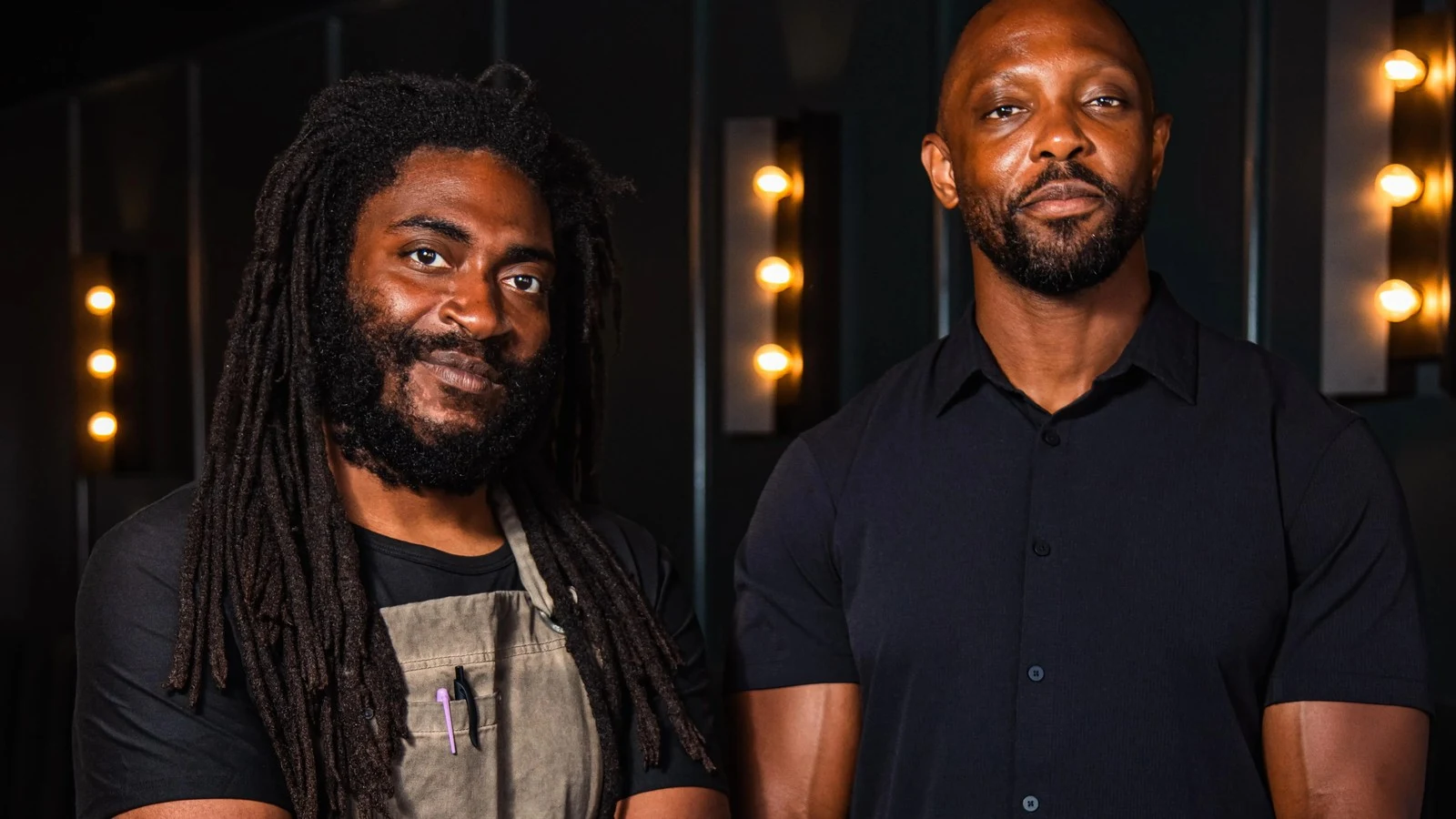
Ramiro Ibáñez, Sanlúcar de Barrameda
Ramiro Ibáñez was born in 1980 and grew up in Sanlúcar de Barrameda. His own project is Cota 45. In Sanlúcar, Ibáñez uses the word aficionados for the best growers, a term usually reserved for a subject's fervent lovers. It is a useful word for his station in Jerez. The grower is a supplier, and also the keeper of memory, preference, habits and arguments about place (Decanter3).
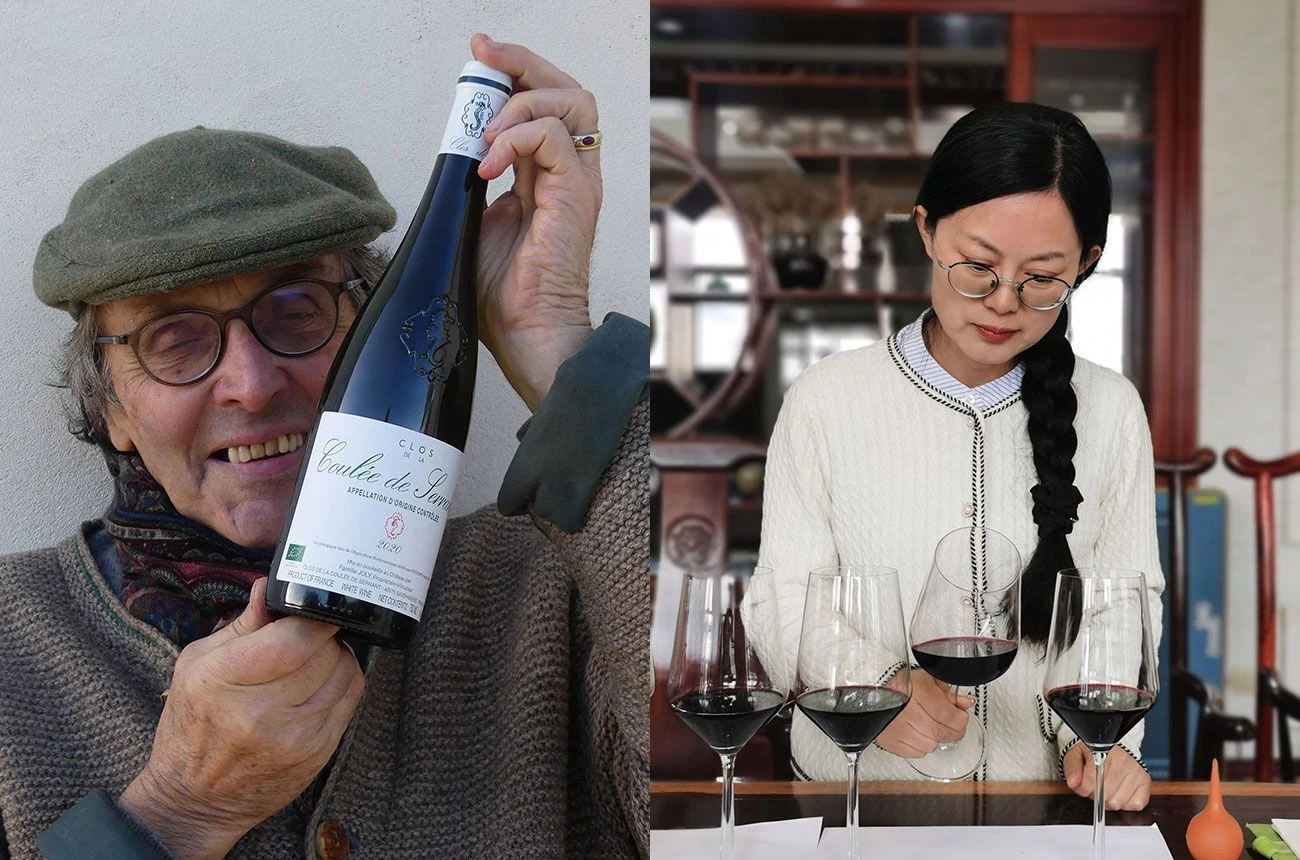
Ibáñez's work with Willy Pérez led into the revival of the historic De la Riva brand. Decanter's Rising Star award recognises the pair together, the right unit for this part of the story. Their work has involved archives, vineyards, wines and people. It has also involved dissent, the kind that asks whether a region can regain part of its vocabulary by tasting backward and working forward.
Willy Pérez, Jerez de La Frontera
Willy Pérez was born in 1982 and grew up in Jerez de La Frontera. After university, he returned to the family winery, Bodegas Luis Pérez. Pérez and Ibáñez had grown up near each other, but their paths crossed at university in the 2000s, within a small group of oenology students. That origin matters. Their later work in Jerez did not begin as a branding project; it came from study, friendship, parallel cellar work and a shared habit of asking what the region had once made and named.
Ines Salpico, Decanter's regional editor for Spain, Portugal and South America, tied their award to scholarship as much as production. "Through painstaking research work, relentless digging into archives and informed dissent, [Ibáñez and Pérez have] inspired a new generation of producers and opened a discussion about Jerez's history, identity and future," said Ines Salpico.2 The word to hold is archives. Before the wines return to a glass, the makers have worked through records, names, lost categories and the people who kept partial memory alive.
Decanter's Rising Star award often reads as a forward signal. Here, it also points backward, toward the Marco de Jerez, the demarcated area for Jerez Sherry and brandy, and toward categories pushed out of common drinkers' view. The pair's recognition sits beside Bize-Leroy's Hall of Fame honour with useful tension. Burgundy receives a lifetime award for biodynamic discipline and domaine authority. Jerez receives Rising Star honours for research, recovery and the return of unfortified wines to the table.
De la Riva and the Return of Vinos de Pasto
De la Riva gives the Jerez story a named vessel. Ibáñez and Pérez helped revive the historic brand after jointly exploring the region's vineyards, wines and people. A brand revival can be thin when it stops at the label. In this case, Decanter ties the rebirth to historical study and to the profile of vineyards, which puts the work back under the feet of growers rather than only in the hands of designers or merchants.
The more technical phrase is vinos de pasto, unfortified wines whose rebirth Decanter identifies as a key part of the pair's work. For drinkers who came to Jerez through flor, oxidative ageing, sweetness levels and fortified structures, the return of unfortified white wines changes the angle of study. It asks the taster to look at Jerez before fortification dominates the frame, and to consider how white wines can remain connected to the region's sweet, oxidative and biologically aged traditions.
Pérez has made that connection central to the argument: the new white unfortified wines need relation to the work and wines that came before them. That is a maker's caution. A revived category can lose its footing if it behaves as if novelty were enough. Ibáñez and Pérez have worked from the opposite direction, placing vinos de pasto inside Jerez history rather than outside it.
The word pasto also brings the wine closer to use. These are wines to be understood with food, soil memory and local appetite in mind, although the award itself does not need a tasting note to make its point. The sensory cue is in the region's range: sweet wines, oxidative wines, biologically aged wines, and now white unfortified wines being reconnected to that line. A cellar-minded drinker should hear that as an invitation to compare categories rather than rank them. The method is comparative by nature.
For Jerez, the stakes are practical. Fortified wines have faced a difficult period, and Decanter places the duo's work within that context. Their answer has kept the region's inherited grammar in view. They have gone into archives, vineyards and brands to recover a fuller syntax. De la Riva and vinos de pasto are the names now carrying that work into wider view.
What Collectors and Cellar-Minded Drinkers Should Watch
The Decanter Hall of Fame 2026 pairing, Bize-Leroy in the Hall of Fame and Ibáñez and Pérez as Rising Stars, gives collectors two different kinds of signal. The Burgundy signal is retrospective and already priced into desire: Domaines Leroy and d'Auvenay sit among Burgundy names collectors seek out. The Jerez signal is developmental: follow De la Riva, Cota 45, Bodegas Luis Pérez and the vinos de pasto conversation to understand how a region rebuilds attention through study rather than novelty.
Buyers should avoid reading the awards as a simple instruction to chase bottles. Bize-Leroy's wines already sit in a collector category where access shapes the experience as much as appetite. The more useful lesson is methodological. Look for producers who make agricultural decisions visible in the wine, who can name the predecessor and the parcel, and who treat sorting, yield and cellar choices as part of an argument rather than a technical footnote.
With Ibáñez and Pérez, the next move is easier to study than to predict. Their shared Rising Star award raises the profile of Jerez work rooted in archives and grower knowledge. The names to keep close are concrete. Ramiro Ibáñez at Cota 45, Willy Pérez at Bodegas Luis Pérez, and their shared work in the reborn De la Riva line give the reader a map. Sanlúcar de Barrameda and Jerez de La Frontera supply the two home grounds.
These awards matter because they reward time on the tools at two speeds. Bize-Leroy's recognition gathers a lifetime of Burgundy decisions into the Hall of Fame. Ibáñez and Pérez receive Rising Star honours for work still unfolding in Jerez, where old records, grower language and unfortified wines are being brought back to the pass. Watch the next releases from those cellars with that discipline in mind: not for the award sticker, but for the method the award has made easier to name.
Frequently Asked Questions
Who won the Decanter Hall of Fame 2026 award?
Lalou Bize-Leroy received the Decanter Hall of Fame 2026 award. The Burgundy biodynamic pioneer has been working in wine since 1955, when she began buying wines for Maison Leroy at age 23.
What is Lalou Bize-Leroy known for in Burgundy winemaking?
Bize-Leroy is recognized for her rigorous biodynamic grape-growing methods, extremely low yields, and strict sorting standards at Domaines Leroy and d'Auvenay. She also served as co-director of Domaine de la Romanée-Conti from 1974 to 1992.
Who won the Decanter Rising Star award in 2026?
Ramiro Ibáñez and Willy Pérez were joint recipients of the 2026 Rising Star award. The two Jerez scholars and producers were honored for their work around De la Riva and vinos de pasto in the Sanlúcar de Barrameda and Jerez de La Frontera regions.
When did Lalou Bize-Leroy create her own domaines?
Bize-Leroy founded Domaines Leroy and d'Auvenay in 1988. These estates have since become among the most sought-after Burgundy names by collectors, known for their biodynamic practices and quality.
How long has the Decanter Hall of Fame award existed?
Decanter has recognized one key figure each year with its Hall of Fame award since 1984. The 2026 award to Lalou Bize-Leroy continues this tradition of honoring influential figures in the wine industry.