- Opinionated About Dining Top Restaurants in Japan Recommended · 2026
- Tabelog Bronze #533: 3.9pts · 2026
- Opinionated About Dining Top Restaurants in Japan Ranked #219 · 2025
- Tabelog Bronze · 2025
- La Liste Top Restaurants: 82pts · 2025
- Tabelog 100 #98: 3.9pts · 2025
- Opinionated About Dining Top Restaurants in Japan Ranked #141 · 2024
- Opinionated About Dining Top Restaurants in Japan Ranked #100 · 2023
Azabu-Juban and the Architecture of Restraint
Tokyo's premium dining geography has long been organised around a few gravitational centres: the Michelin-dense corridors of Ginza and Shinjuku, the counter-culture strongholds of Minami-Aoyama, and then the quieter residential pockets that have, over the past decade, developed their own serious culinary identities. Azabu-Juban sits in this third category. The neighbourhood occupies a strip of Minato City that feels deliberately unhurried relative to the broader ward, its low-rise streetscape and covered shopping arcade giving it a texture that is closer to a village high street than to the glass-and-steel density of neighbouring Roppongi. That physical character is not incidental to understanding the restaurants that have chosen to open here. It shapes who they are for and, more pointedly, how they expect to be found.
麻布幸苑, addressed at 1 Chome-5-5-3 Azabujuban, sits within this context. The address places it in the commercial-residential seam of the neighbourhood, a position that is neither destination-signposted nor tucked entirely from view. In Tokyo's dining typology, this middle ground carries meaning: it implies a venue that relies on reputation over foot traffic, and on repeat custom over tourist volume. That operating logic tends to produce a certain spatial character inside, because rooms designed for returning guests prioritise comfort and consistency over spectacle.
The Physical Container: What Space Signals Before the Menu Speaks
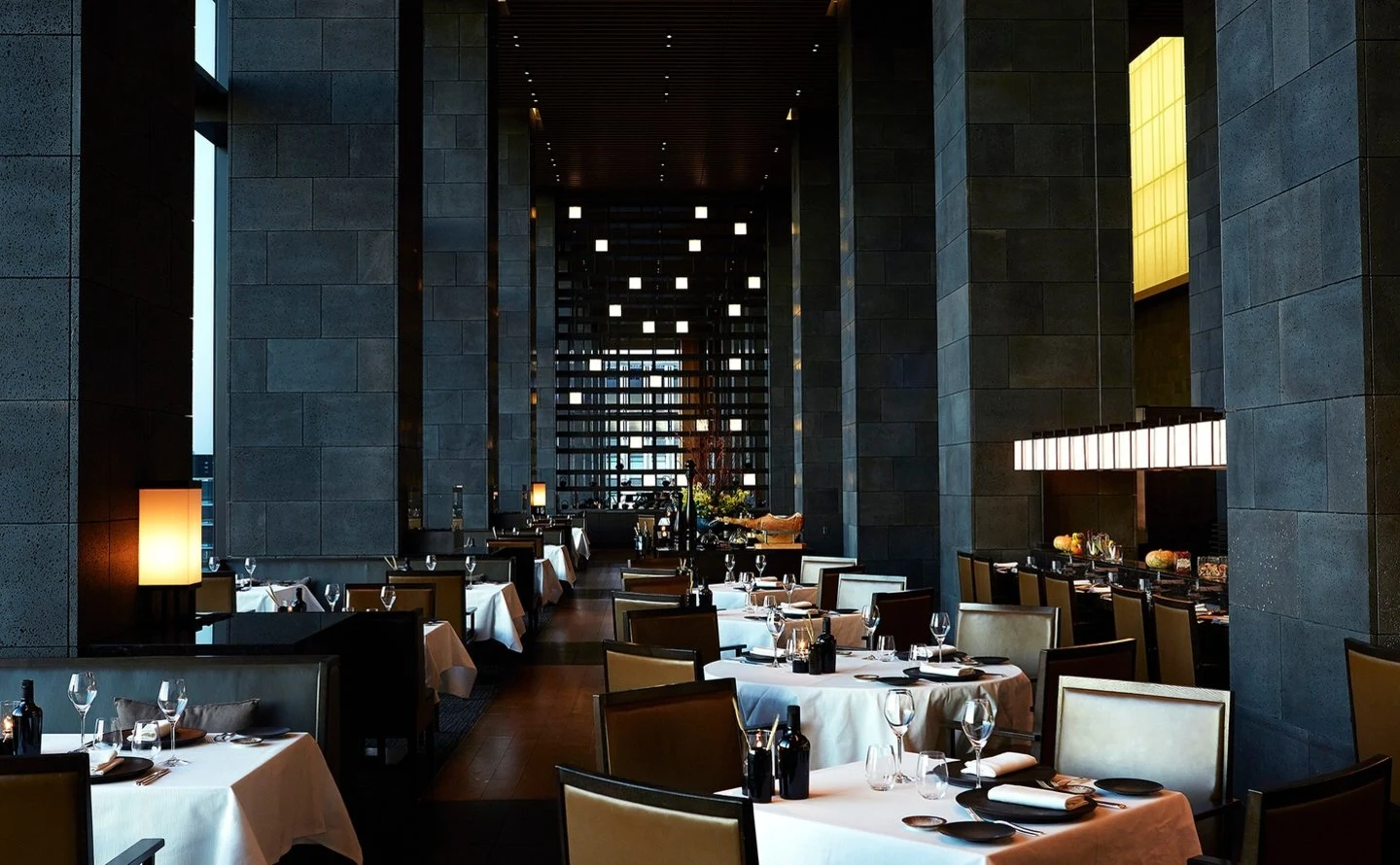
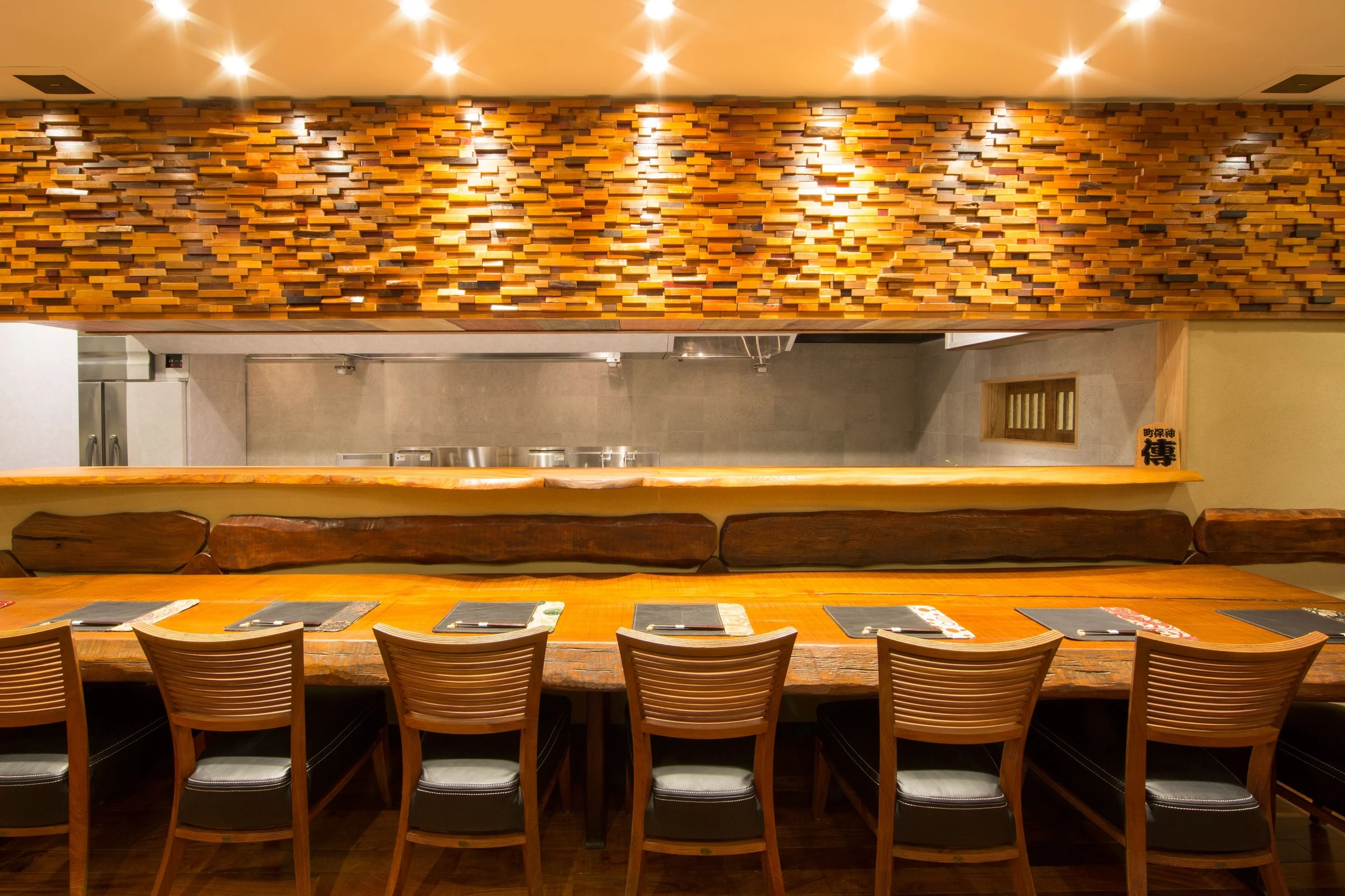
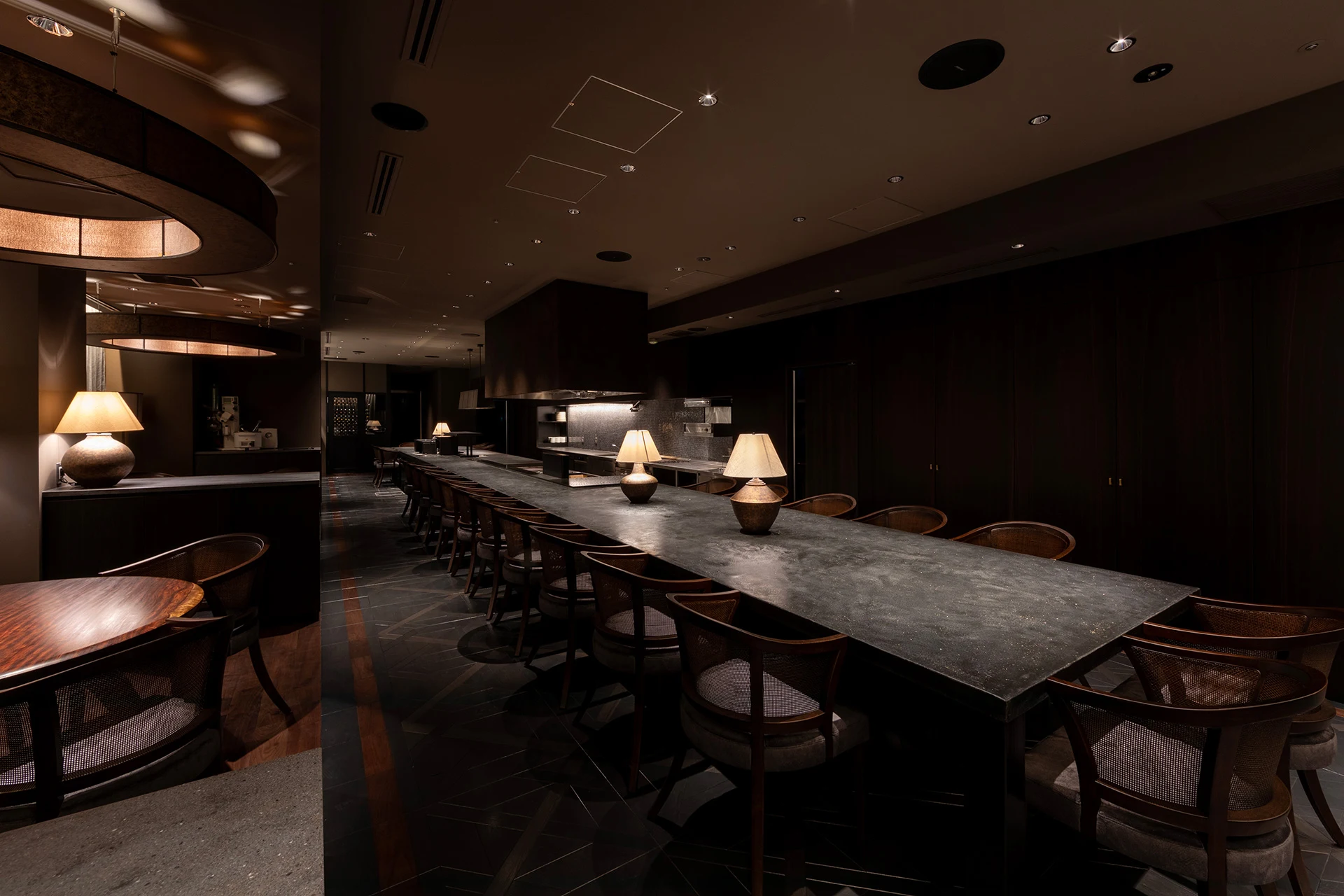
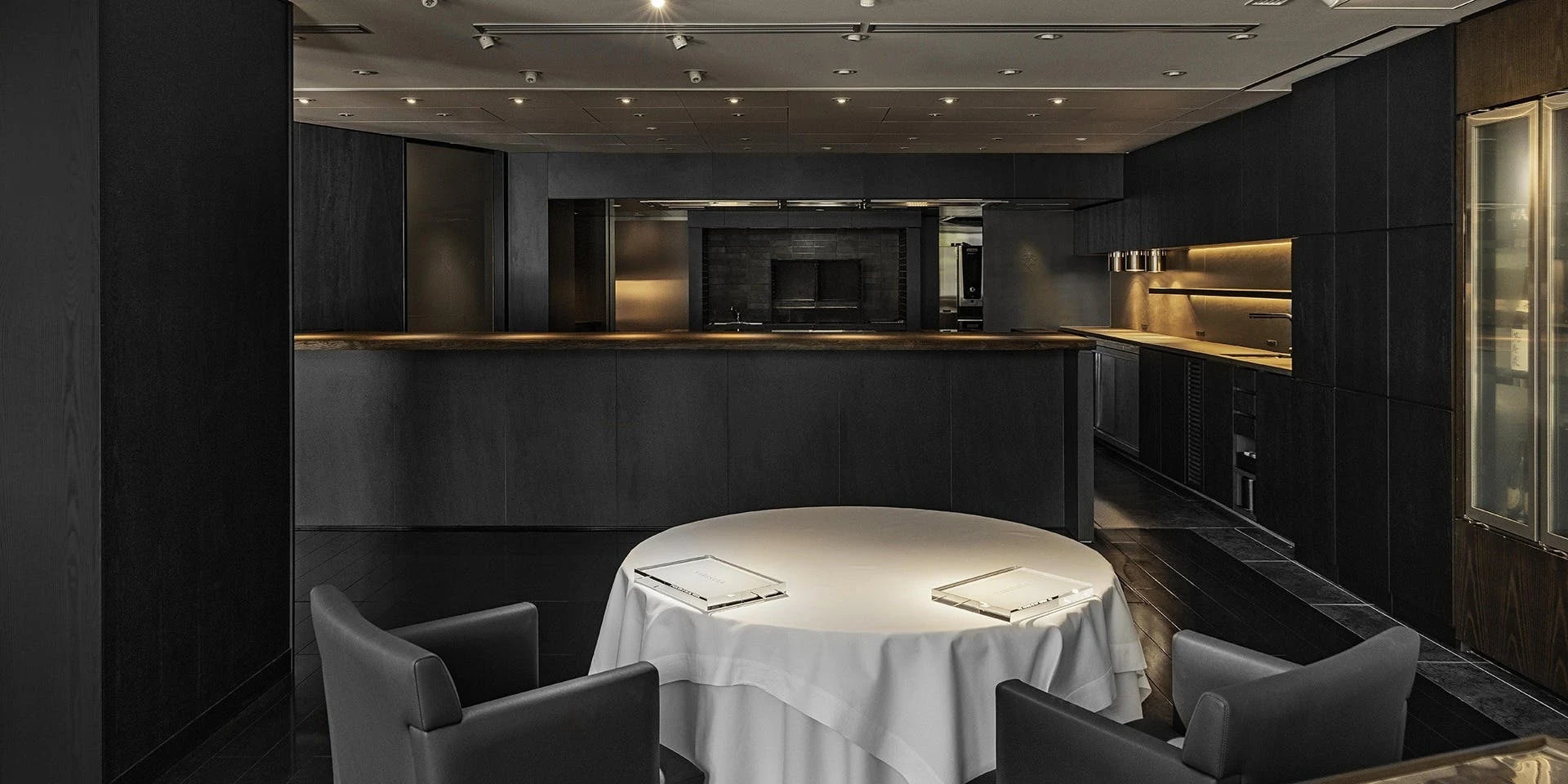
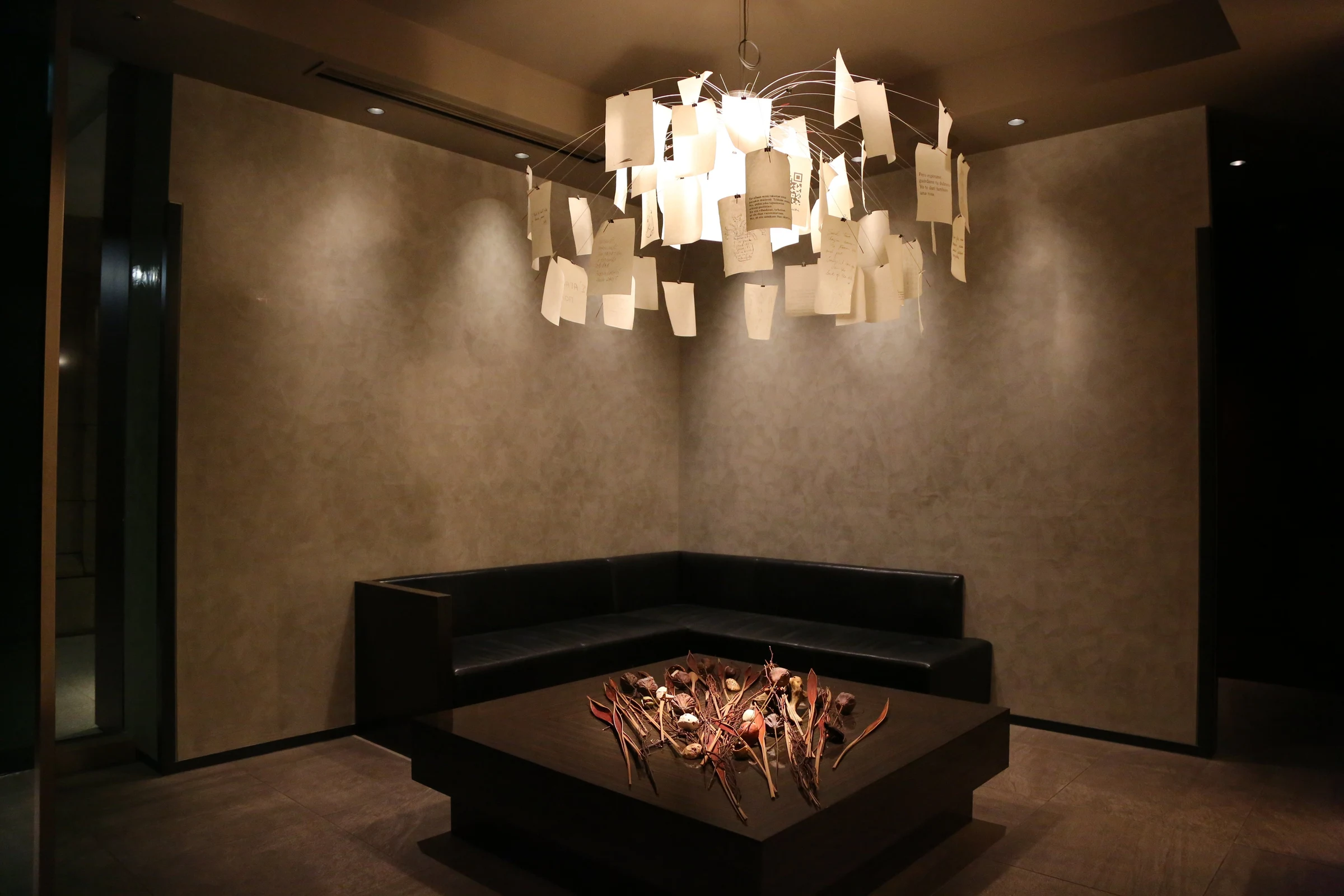
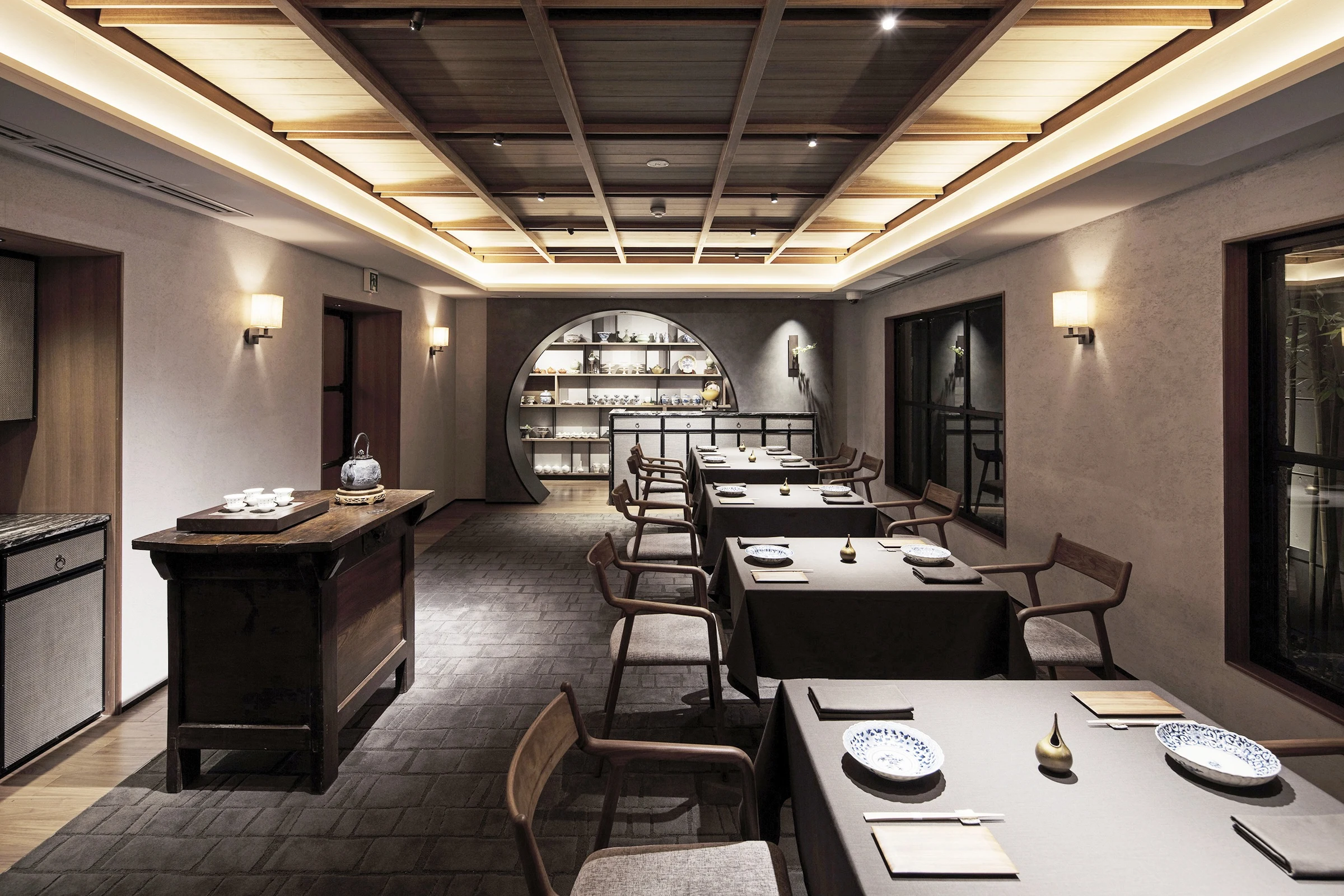
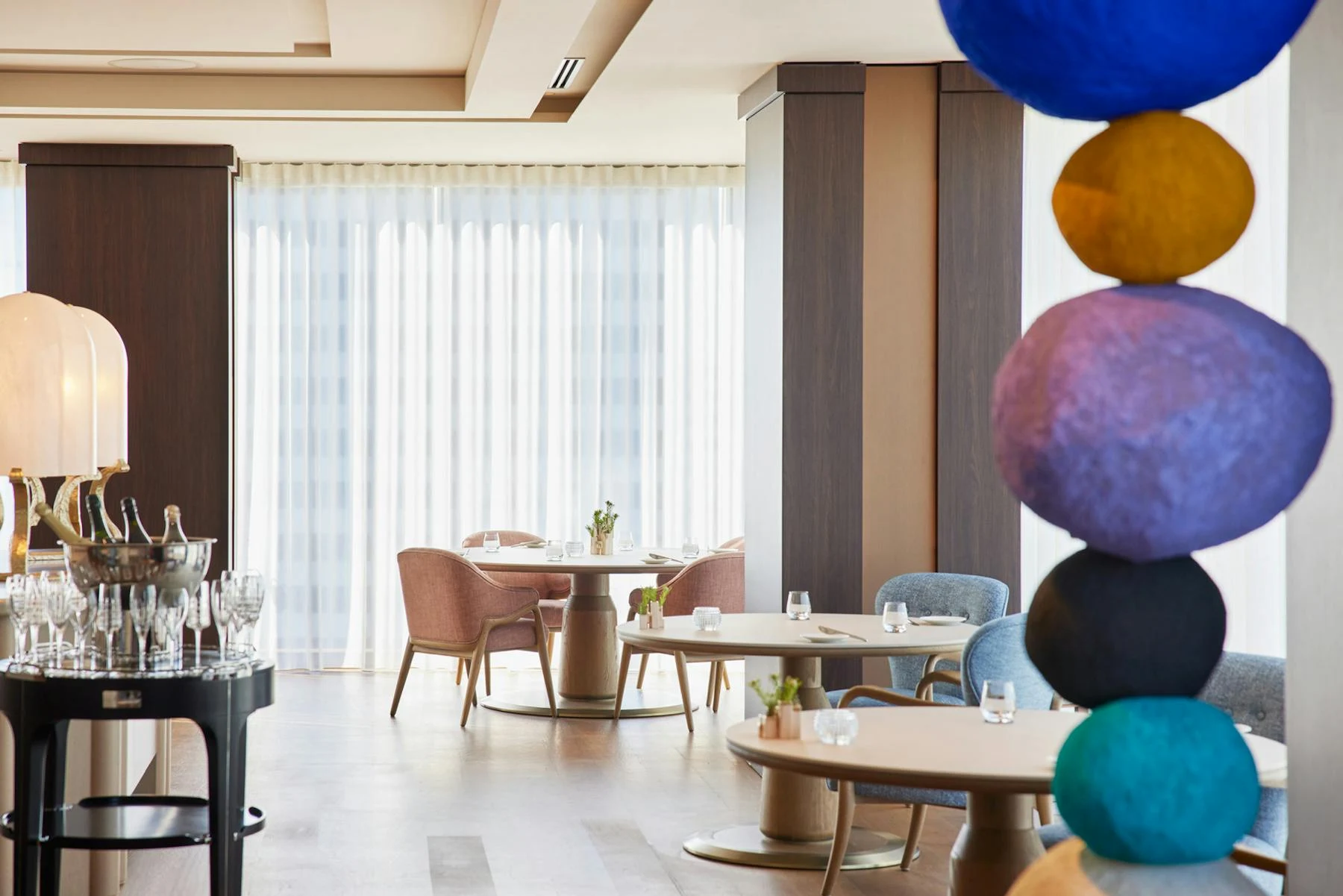
Tokyo's better neighbourhood restaurants, across cuisine categories, have converged on a spatial grammar in recent years. Counter seating that keeps the kitchen visible, material palettes that draw from natural wood and ceramic, lighting calibrated to the warm end of the spectrum without theatrical dimming: these are the recurring choices of venues that want the room to recede and the food to advance. The alternative tradition, of rooms that assert themselves through statement design, tends to cluster in hotel properties and in the high-ticket omakase circuit where the spatial experience is part of the price justification.
Where 麻布幸苑 sits on this spectrum is consistent with its Azabu-Juban address. The neighbourhood has not historically attracted the maximalist design approach. Its most durable restaurants have earned their standing through what happens on the plate and through the accumulated familiarity that comes from a guest base that returns across seasons. A room that ages well is one designed for that kind of relationship. It does not need to impress on the first visit because it is not optimising for the first visit.
This is a meaningful distinction when set against the competitive reference points available in the same city. Venues like Harutaka and RyuGin operate at the ¥¥¥¥ tier with spatial presentations that reflect that price point: counter theatre in the case of the former, precise seasonal staging in the case of the latter. L'Effervescence and Sézanne use their French-influenced formats to anchor spatial identities that are coherent and deliberate. Crony pitches its innovative French format at a slightly different register. 麻布幸苑, positions itself through its address and neighbourhood rather than through a publicised price signal, which is itself an editorial choice about who it is speaking to.
What the Cuisine Category Tells You
The name 幸苑 carries connotations that place this in Japanese dining tradition, with 苑 suggesting a garden or enclosed space of cultivation, and 幸 carrying associations of good fortune or happiness. Whether those connotations are aspirational branding or descriptive of the food on offer is not something the public record substantiates. What the Azabu-Juban context does make probable is a format that aligns with the neighbourhood's demographic: professionals and long-term residents who eat out regularly and who have developed exacting standards precisely because they are not dining for novelty.
For comparison, the direction Japanese cuisine has taken at the city's most discussed addresses involves either the hyper-specialised single-ingredient focus of sushi or tempura counters, or the seasonal-progression logic of kaiseki, or the imported-European-technique hybrid that has become one of Tokyo's most distinctive contributions to the global dining conversation. Restaurants at the Azabu-Juban address tend not to be playing the first two of these games. The neighbourhood's history skews toward the kind of Japanese dining that is not easily categorised under a single banner, often meaning a kitchen with range rather than extreme depth in one direction.
Planning a Visit: What to Know Before You Go
Tokyo's mid-tier neighbourhood restaurants, particularly those without English-language websites or international booking platforms, present a consistent logistical challenge for travellers operating outside Japanese-language resources. Azabu-Juban is well connected by subway: the Nanboku and Ōedo lines both stop at Azabu-Juban Station, making the neighbourhood accessible from Roppongi (one stop), Shirokane-Takanawa, and the broader Minato City network. The walk from the station to the address is short and navigable. The neighbourhood is safe, walkable, and well-served by surrounding cafes and bars if you arrive early or want to extend an evening.
Advance contact through a hotel concierge or Japanese-language intermediary service is the practical route for most international visitors. In Tokyo, this is standard rather than exceptional: many of the city's most serious neighbourhood restaurants do not maintain English-language digital presences, and their reservations run through personal introduction or telephone in Japanese. Japan's broader regional dining scene presents similar dynamics at Gion Sasaki in Kyoto, HAJIME in Osaka, and Goh in Fukuoka, where the booking process itself functions as a filter for the room's eventual composition.
For travellers building a wider Japan itinerary, the pattern extends further: akordu in Nara, 三本木 川島製 in Nanao, 古仁屋山乃 in Sapporo, 湖畔荘庵 in Takashima, 庭羽屋 in Nishikawa Machi, Birdland in Sakai, and Bistro Ange in Toyohashi all represent venues where local knowledge and advance arrangement distinguish the experience. Internationally, the counter-format dining model that Tokyo has refined finds its closest Western analogues at places like Le Bernardin in New York City and Atomix in New York City, where precision of format and consistency across visits are similarly the organising principles. For a broader view of where 麻布幸苑 sits within Tokyo's dining tier structure, our full Tokyo restaurants guide maps the city's options by neighbourhood and price point.
The Sunday letter
Get new places like 麻布 幸村 every Sunday.
One email a week with the restaurants, bars and hotels we have just written up, and the people who run them.
One email a week. Unsubscribe from any issue.
Questions
Frequently asked
Who works at 麻布 幸村?
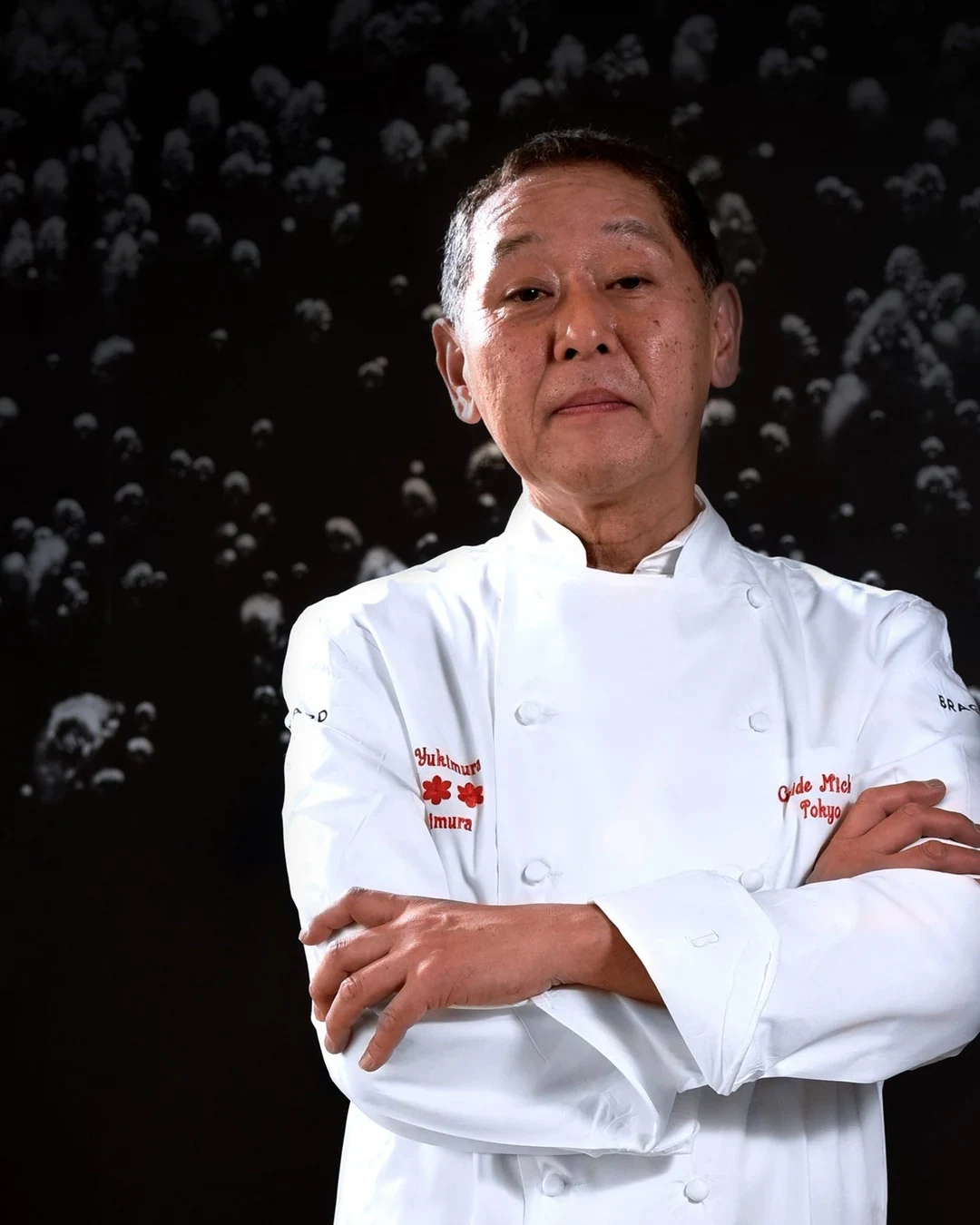
Made By profiles Jun Yukimura (Chef) at 麻布 幸村.
How expensive is 麻布 幸村?
麻布 幸村 is listed at a price level of $$$.
Where is 麻布 幸村 and what does it serve?
麻布 幸村 is in Minato, Tokyo, serving Traditional Japanese Kaiseki.
The field
How it compares
| Place | Cuisine | Notes | Awards |
|---|---|---|---|
| 麻布 幸村 | Traditional Japanese Kaiseki | Minato, $$$ | · |
| Den | Modern Japanese Kaiseki | Tokyo | Michelin 2 Stars, World's 50 Best |
| Florilège | Modern French-Japanese Plant-Based Fine Dining | Tokyo | Michelin 2 Stars, World's 50 Best |
| Narisawa | Modern Japanese Satoyama Fine Dining | Tokyo | Michelin 2 Stars, World's 50 Best |
| Quintessence | Modern French Fine Dining | Tokyo | Michelin 3 Stars |
| Sazenka | Modern Chinese Fine Dining | Tokyo | Michelin 3 Stars, World's 50 Best |
| Sézanne | Modern French Fine Dining | Tokyo | Michelin 3 Stars, World's 50 Best |
In residence
Similar places
Modern Japanese Kaiseki
Den
Tokyo, Japan
★★ · 50 Best
Modern French-Japanese Plant-Based Fine Dining
Florilège
Tokyo, Japan
★★ · 50 Best
Modern Japanese Satoyama Fine Dining
Narisawa
Tokyo, Japan
★★ · 50 Best
Modern French Fine Dining
Quintessence
Tokyo, Japan
★★★
Modern Chinese Fine Dining
Sazenka
Tokyo, Japan
★★★ · 50 Best
Modern French Fine Dining
Sézanne
Tokyo, Japan
★★★ · 50 Best
The Sunday letter
Get the next Made By story in your inbox.
We send one email every Sunday morning with the places and people we covered that week.
One email a week. Unsubscribe from any issue.