40 Maltby Street
In Residence
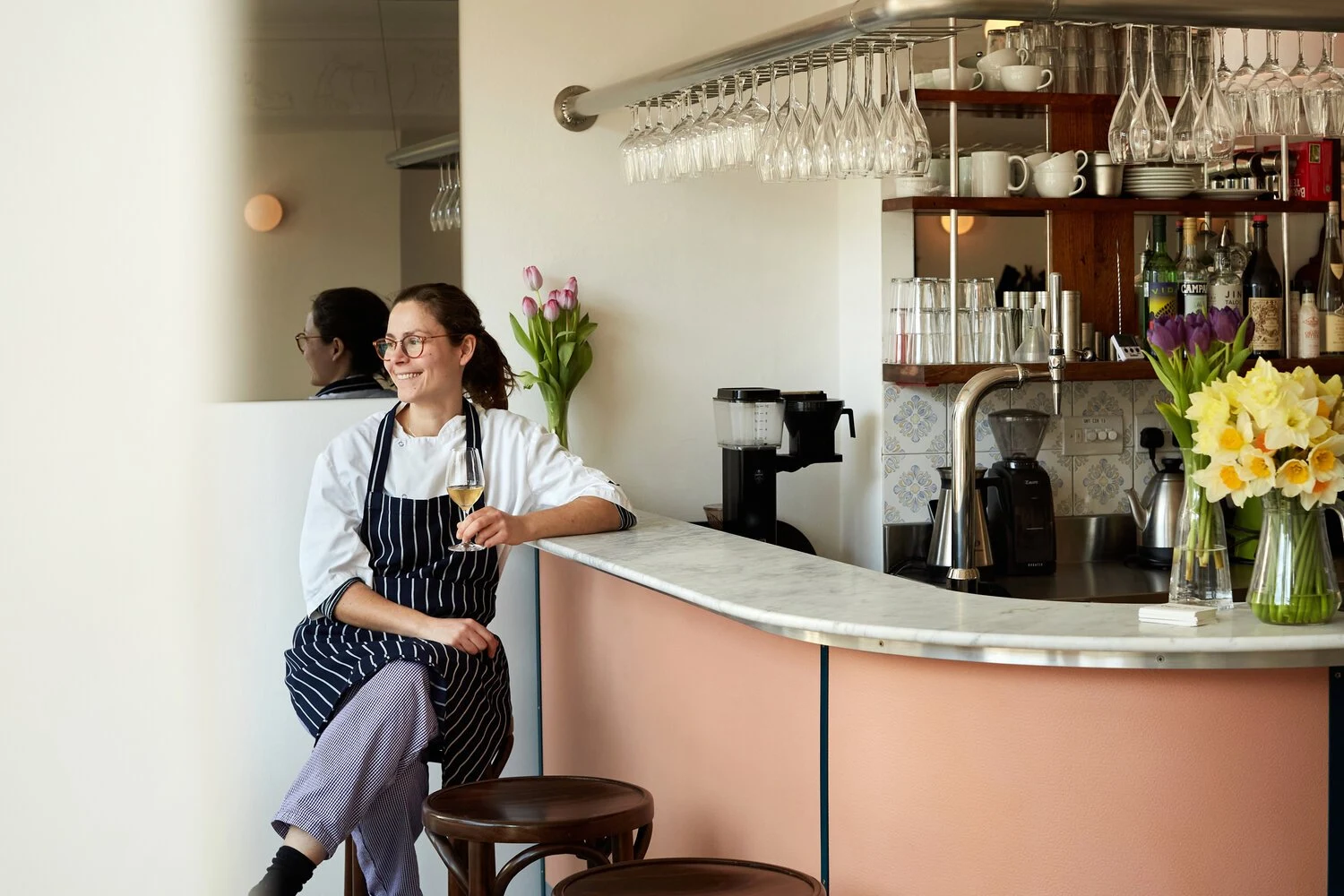
Steve Williams
Chef
- 01CuisineSeasonal British Small Plates
- 02CityLondon, United Kingdom
From the people index
Recommended by
One trusted voice points here.

- Star Wine List · 2026
- National Restaurant Awards Top 100 #72 · 2026
- Opinionated About Dining Casual in Europe Ranked #679 · 2024
A Warehouse Approach to Wine and Food
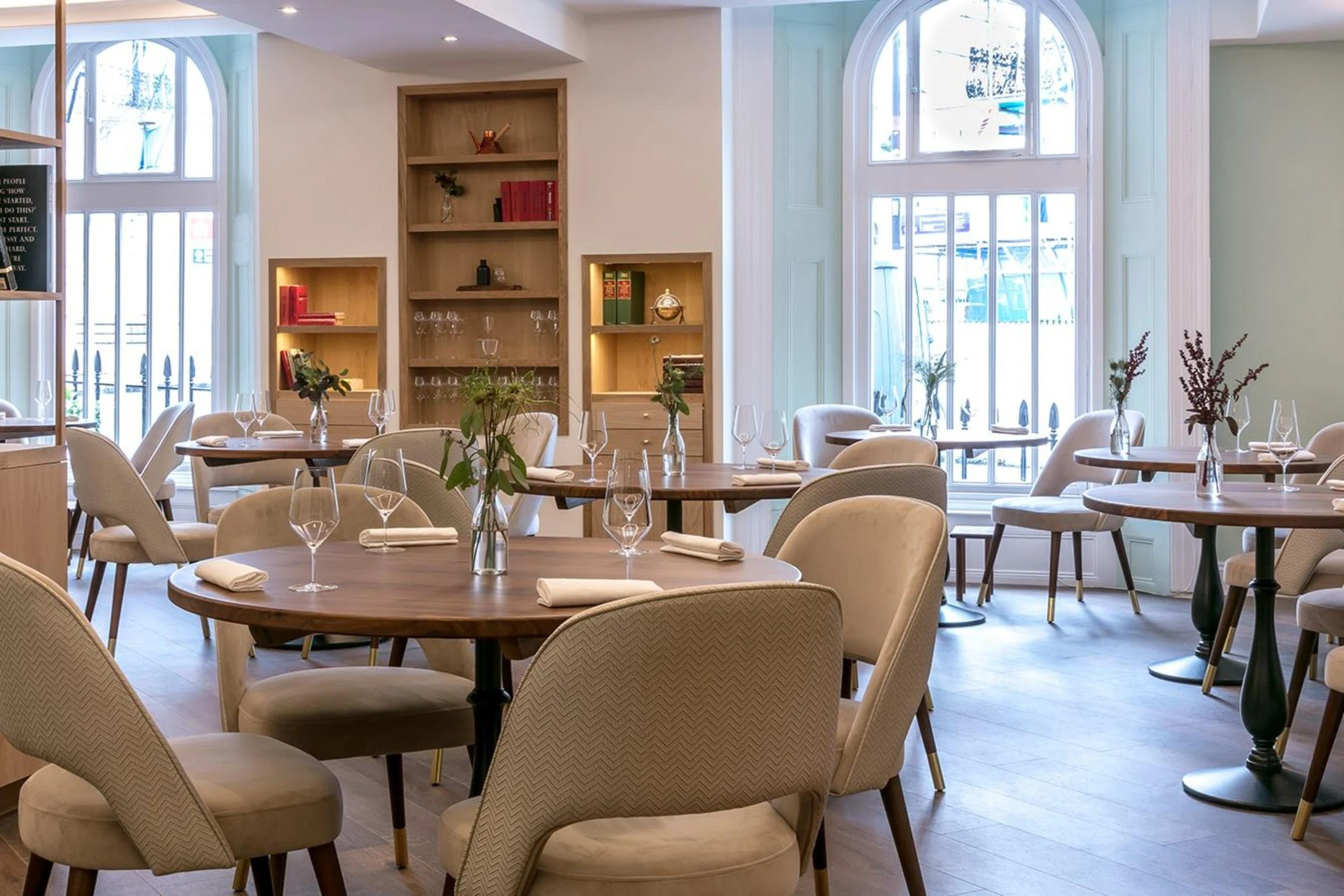
Maltby Street Market, tucked beneath the railway arches of Bermondsey, operates on a different frequency from the high-profile dining corridors of central London. The street runs producers, importers, and small-batch suppliers side by side, and the logic of the place is procurement rather than theatre. 40 Maltby Street fits that logic precisely. It occupies the warehouse of Gergovie Wines, a natural wine importer focused primarily on European producers, and the format has never tried to disguise its origins. The bottles behind the bar are the same bottles that move through the warehouse. The kitchen exists to make that stock worth pausing for.
That relationship between importer and dining room shapes everything about how the space works. In London's wine bar scene, the distance between buyer and customer tends to be significant: a restaurant receives an allocation, a sommelier writes the list, and the margin reflects several layers of markup. Here, the two operations share a postcode and, effectively, a philosophy. That compression is rare, and it puts 40 Maltby Street in a small comparable set alongside places like Quality Wines Farringdon and Antidote, where the wine program carries genuine intellectual weight rather than decorative purpose.
How the Menu Is Built, and What That Tells You
The editorial angle here is menu architecture, and at 40 Maltby Street, the architecture is deliberately subordinate. The food list runs short and shifts with supply, which is a decision, not a limitation. A short menu in a wine-forward room means every dish is chosen for its ability to work with what is being poured rather than to demonstrate the range of a kitchen. That discipline is more demanding than it looks. Kitchens that chase menu breadth can always find a dish to suit a guest; kitchens that run four or five plates must make each of them function as a counterpart to a glass of wine from a natural producer with potentially high acidity, low intervention, and occasionally challenging texture.
Chef Steve Williams runs the kitchen, and the format he works within is one that prioritises compatibility over ambition. This is not a criticism. The restraint required to build a kitchen program that serves a wine import operation rather than competing with it reflects a clear understanding of the room's actual hierarchy. The wine list is the protagonist. The food supports it. That inversion is what separates this format from the modern European restaurant that also happens to have a good cellar.
For context on how different that inversion looks: at CORE by Clare Smyth or Restaurant Gordon Ramsay, the kitchen drives the occasion and the wine list is curated to match. At 40 Maltby Street, the logic runs the other direction entirely. Neither approach is superior in the abstract; they serve different needs and attract different guests.
The Natural Wine Context
London's natural wine scene has matured considerably since the early years of polarised debate about whether low-intervention winemaking represented a serious direction or an aesthetic affectation. The category now has a settled infrastructure in the city: dedicated importers, specialist retailers, and a cluster of wine bars and restaurants that have built programs around it. Gergovie Wines sits within that infrastructure as an importer, and 40 Maltby Street is where that stock meets the public in its most direct form.
The list focuses on European producers, which aligns with where natural wine has its deepest roots: the Loire, Beaujolais, Jura, and natural-leaning producers across Italy and Spain. Guests who know those regions well will find the list functions as a buying guide as much as a drinks menu. Those less familiar will find it an unusually accessible entry point, partly because the people pouring the wine have a direct relationship with the people who made it. That kind of proximity is harder to manufacture than it looks, and it gives the room a credibility that sits outside the normal hospitality register.
For comparison across European cities, the warehouse-importer format has equivalents: 4850 in Amsterdam operates on a similar importer-adjacent model, and the format is distinct enough from the more formal wine bar approach represented by venues like Aldo Sohm Wine Bar in New York City to constitute a genuinely different category.
Bermondsey as Context
The broader Bermondsey and Maltby Street area carries a specific identity in London's food and drink map. The Saturday market draws producers and buyers who would not fit comfortably in the more commercial weekend market formats elsewhere in the city. The railway arch geography keeps rents manageable enough for small operations to remain viable, and the cumulative effect is a concentration of artisan producers that functions as its own small ecosystem. 40 Maltby Street draws on that ecosystem and reflects it in both its supplier relationships and its atmosphere.
Visitors approaching from London Bridge or Borough Market will find Maltby Street requires a deliberate detour rather than a casual diversion. That friction is part of the point. The address self-selects for guests who have done some research rather than those following foot traffic.
Planning a Visit
The venue is closed Monday, Tuesday, and Sunday. Wednesday runs evenings only, from 5:30 to 9:30 pm. Thursday through Saturday offers both a lunch service from noon to 3 pm and an evening sitting from 5:30 to 9:30 pm. The Thursday-to-Saturday lunch slot is the entry point for those wanting to understand the format at its most relaxed, when the warehouse light and the market proximity are most tangible. Saturday lunch, with the market active on the street outside, gives the clearest sense of what Maltby Street is as a food destination. The venue holds a 4.6 rating across 490 Google reviews, and its 2024 inclusion in the Opinionated About Dining Casual Europe ranking at position 679 confirms it sits within a recognised tier of serious casual European dining rather than the informal end of the neighbourhood bar category.
Reservations are not required; the venue is walk-in friendly. For those extending beyond the city, destinations such as The Fat Duck in Bray, L'Enclume in Cartmel, Moor Hall in Aughton, Gidleigh Park in Chagford, Hand and Flowers in Marlow, and hide and fox in Saltwood represent different registers of the wider British dining conversation.
Questions
Frequently asked
Who works at 40 Maltby Street?
Made By profiles Steve Williams (Chef) at 40 Maltby Street.
How expensive is 40 Maltby Street?
40 Maltby Street is listed at a price level of $$$.
Where is 40 Maltby Street and what does it serve?
40 Maltby Street is in Bermondsey, London, serving Seasonal British Small Plates.
The field
How it compares
| Place | Cuisine | Notes | Awards |
|---|---|---|---|
| 40 Maltby Street | Seasonal British Small Plates | Bermondsey, $$$ | · |
| CORE by Clare Smyth | Modern British Fine Dining | London | Michelin 3 Stars, World's 50 Best |
| Ikoyi | Modern West African Fine Dining | London | Michelin 2 Stars, World's 50 Best |
| Kitchen Table | Modern British Fine Dining | London | Michelin 2 Stars |
| KOL | Modern Mexican Fine Dining | London | Michelin 1 Star, World's 50 Best |
| Row on 5 | Modern British Fine Dining with Mediterranean & Asian Influences | London | Michelin 2 Stars |
| The Ledbury | Modern British Fine Dining | London | Michelin 3 Stars, World's 50 Best |
In residence

Similar places
Modern British Fine Dining
CORE by Clare Smyth
London, United Kingdom
★★★ · 50 Best
Modern West African Fine Dining
Ikoyi
London, United Kingdom
★★ · 50 Best
Modern British Fine Dining
Kitchen Table
London, United Kingdom
★★
Modern Mexican Fine Dining
KOL
London, United Kingdom
★ · 50 Best
Modern British Fine Dining with Mediterranean & Asian Influences
Row on 5
London, United Kingdom
★★
Modern British Fine Dining
The Ledbury
London, United Kingdom
★★★ · 50 Best