- Michelin Bib Gourmand · 2026
- Michelin Bib Gourmand · 2025
- Michelin Bib Gourmand · 2024
Tenjinbashi-suji and the Case for Eating Where Osaka Actually Eats
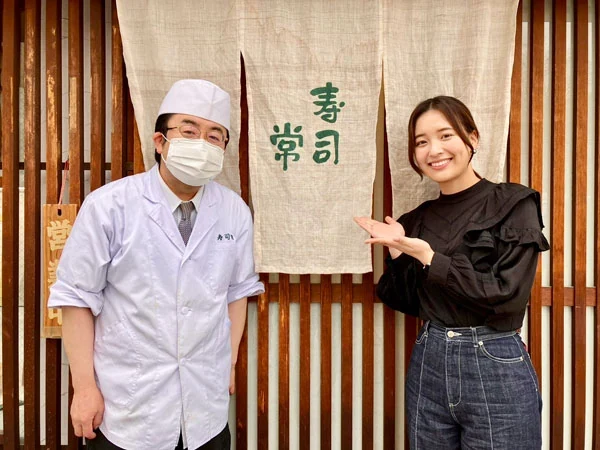
The stretch of Tenjinbashi-suji running through Kita-ku is often described, by Osaka residents rather than guidebook editors, as the city's longest shopping arcade. That distinction matters less than what it implies: a street shaped by daily commerce and neighbourhood appetite, not by tourism planning. The address at 北区天神橋2-4-3 places 寿司常 at the southern end of that corridor. It is the Osaka that feeds itself.
That neighbourhood context is a meaningful filter when choosing where to eat sushi in this city. Osaka's sushi tradition has always differed from Tokyo's in character if not always in technique: the Kansai region's long preference for pressed oshizushi and vinegared rice with slightly more sweetness has produced a distinct regional sensibility alongside the Edo-style nigiri that now dominates most counters. A sushi-ya on Tenjinbashi-suji operates within both inheritances, shaped by a neighbourhood that expects value and regularity rather than occasion-driven theatrics.
The Neighbourhood as the Dining Room
Kita-ku's restaurant density is a function of its dual identity as both a commercial district and a transit hub. Osaka-Tenmangu station and Tenjinbashi-suji 6-chome station bracket the arcade, making the area accessible from most of the city without the congestion that surrounds the southern entertainment districts.
寿司常 occupies a different position in the city's eating ecology, one closer to the neighbourhood sushi-ya format that sustains the day-to-day appetite of Osaka residents rather than serving occasion dining. 寿司常 occupies a different position in the city's eating ecology, one closer to the neighbourhood sushi-ya format that sustains the day-to-day appetite of Osaka residents rather than serving occasion dining.
What the Kita-ku Counter Format Tends to Offer
Neighbourhood sushi counters along and near Tenjinbashi-suji typically operate on a different logic from the tasting-menu omakase format that has come to define premium sushi in Tokyo and, increasingly, in Osaka's tourist-facing restaurants. The Kansai neighbourhood counter often keeps a broader menu in view: set courses alongside à la carte ordering, a price point that makes repeat visits sustainable, and a rhythm calibrated to diners who arrive after a working day rather than after a long journey to a reservation they made weeks in advance. The Osaka version tends to resolve that tension differently, often leaning toward the former.
This dynamic appears across Japanese regional cities. Goh in Fukuoka demonstrates how a city's culinary identity can express itself through a house style rooted in local produce and local expectation rather than national fine-dining convention. The same logic applies in Osaka: the city's sushi counters in residential and semi-commercial neighbourhoods like Kita-ku draw on proximity to the wholesale markets and the preferences of a local clientele, not on the international visitor trade that shapes menus in Namba and Shinsaibashi.
Japan's Neighbourhood Sushi Counter in Context
The neighbourhood sushi-ya is one of Japan's most durable institutional formats, running from post-war reconstruction through to the current era largely unchanged in basic structure: a wooden counter, a glass case displaying the day's fish, and a relationship between itamae and regular customer built over years rather than single visits. That format has come under pressure from two directions simultaneously: the rise of conveyor-belt kaiten-zushi at the accessible end, and the expansion of high-priced omakase counters at the formal end. The middle-ground sushi-ya, the kind that fills the streets of Kita-ku and neighbourhoods like it across Japan, has maintained its position partly through price discipline and partly through the loyalty of clientele who have no interest in either extreme.
Comparable regional expressions of this format are visible elsewhere in Japan. 一本杉 川嶋 in Nanao operates in a regional city context shaped by local seafood, while 夕凪亭 in Sapporo reflects the northern seafood abundance of Hokkaido within a neighbourhood-scale format. The geographic spread of credible regional sushi outside Tokyo and Osaka is larger than it is often credited to be. That context is worth carrying when arriving at a counter on Tenjinbashi-suji.
Planning a Visit to 寿司常
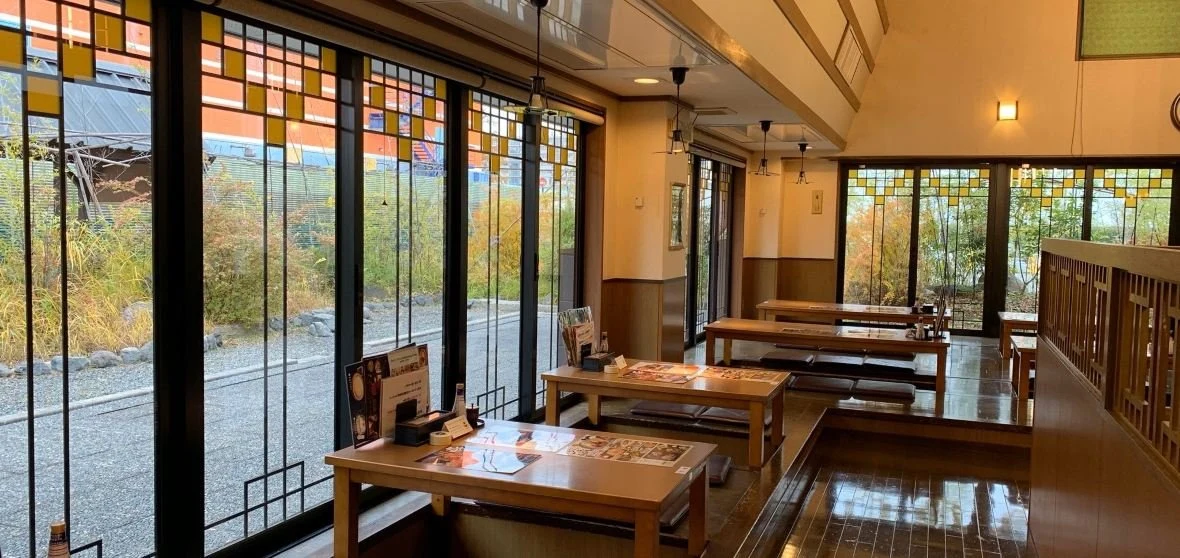
The address at 北区天神橋2-4-3, 大阪市 places 寿司常 in the southern portion of the Tenjinbashi-suji arcade, accessible on foot from Minami-Morimachi station. The surrounding neighbourhood is dense with mid-range restaurants, making the area worth an extended evening rather than a single-stop visit.
Visitors building an itinerary around Japanese dining more broadly might note that the Kansai region allows day trips from Osaka that connect to significantly different culinary registers: Gion Sasaki in Kyoto operates in the kaiseki tradition with Michelin recognition, and akordu in Nara brings a European-influenced approach to local Yamato produce. Neither requires more than forty minutes by rail from central Osaka.
The Sunday letter
Get new places like 寿司常 every Sunday.
One email a week with the restaurants, bars and hotels we have just written up, and the people who run them.
One email a week. Unsubscribe from any issue.
Questions
Frequently asked
Who works at 寿司常?
Made By profiles Ishikawa Satoru (Chef) at 寿司常.
How expensive is 寿司常?
寿司常 is listed at a price level of $$.
Where is 寿司常 and what does it serve?
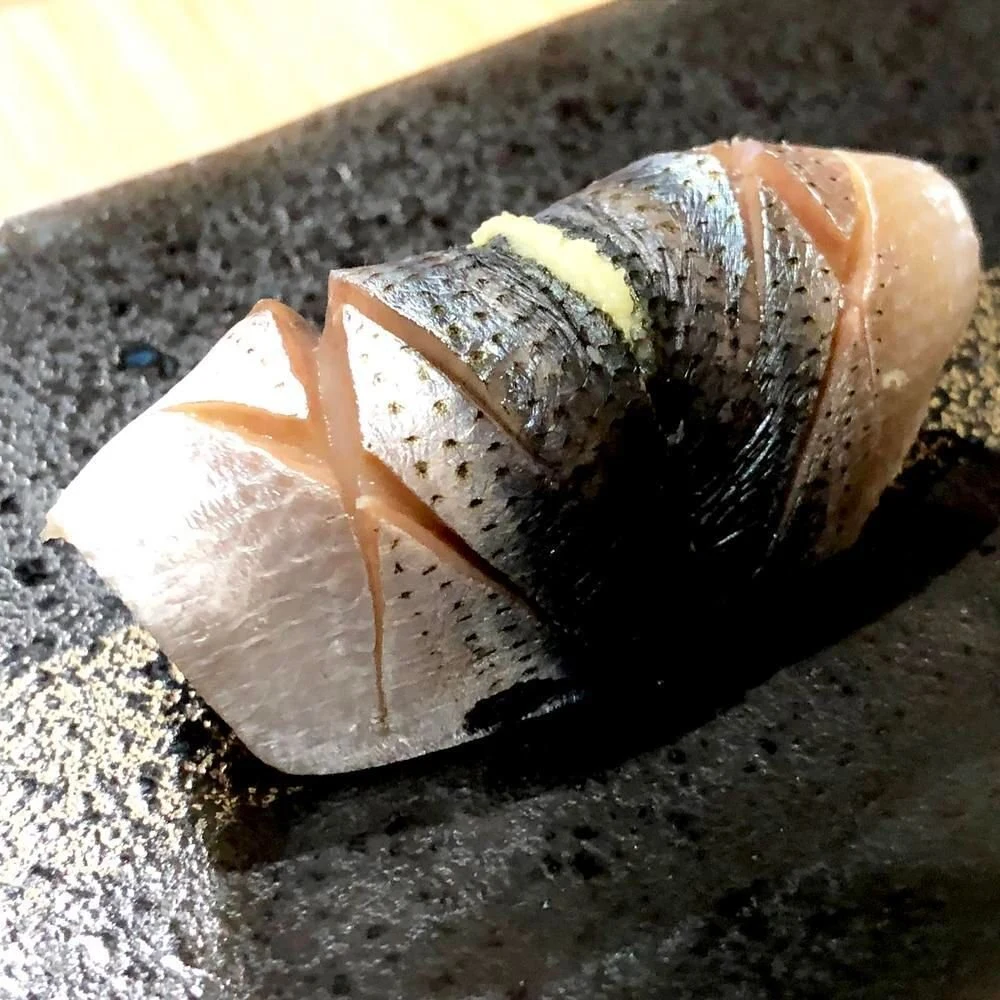
寿司常 is in Kita, Osaka, serving Traditional Osaka Sushi.
The field
How it compares
| Place | Cuisine | Notes | Awards |
|---|---|---|---|
| 寿司常 | Traditional Osaka Sushi | Kita, $$ | · |
| HAJIME | Avant-Garde Japanese Fine Dining | Osaka | Michelin 3 Stars, World's 50 Best |
| Honkogetsu | Traditional Kaiseki | Osaka | · |
| La Cime | Modern French with Japanese Ingredients | Osaka | Michelin 2 Stars, World's 50 Best |
| Numata | Michelin-Starred Tempura Omakase | Osaka | Michelin 2 Stars |
| Sushi Sanshin | Edomae Omakase Sushi | Osaka | Michelin 1 Star |
| Taian | Traditional Japanese Kaiseki Omakase | Osaka | Michelin 3 Stars |
In residence
Similar places
Avant-Garde Japanese Fine Dining
HAJIME
Osaka, Japan
★★★ · 50 Best
Traditional Kaiseki
Honkogetsu
Osaka, Japan
Modern French with Japanese Ingredients
La Cime
Osaka, Japan
★★ · 50 Best
Michelin-Starred Tempura Omakase
Numata
Osaka, Japan
★★
Edomae Omakase Sushi
Sushi Sanshin
Osaka, Japan
★
Traditional Japanese Kaiseki Omakase
Taian
Osaka, Japan
★★★
The Sunday letter
Get the next Made By story in your inbox.
We send one email every Sunday morning with the places and people we covered that week.
One email a week. Unsubscribe from any issue.