Chaoyang After Dark: The Pull of a Neighbourhood Staple
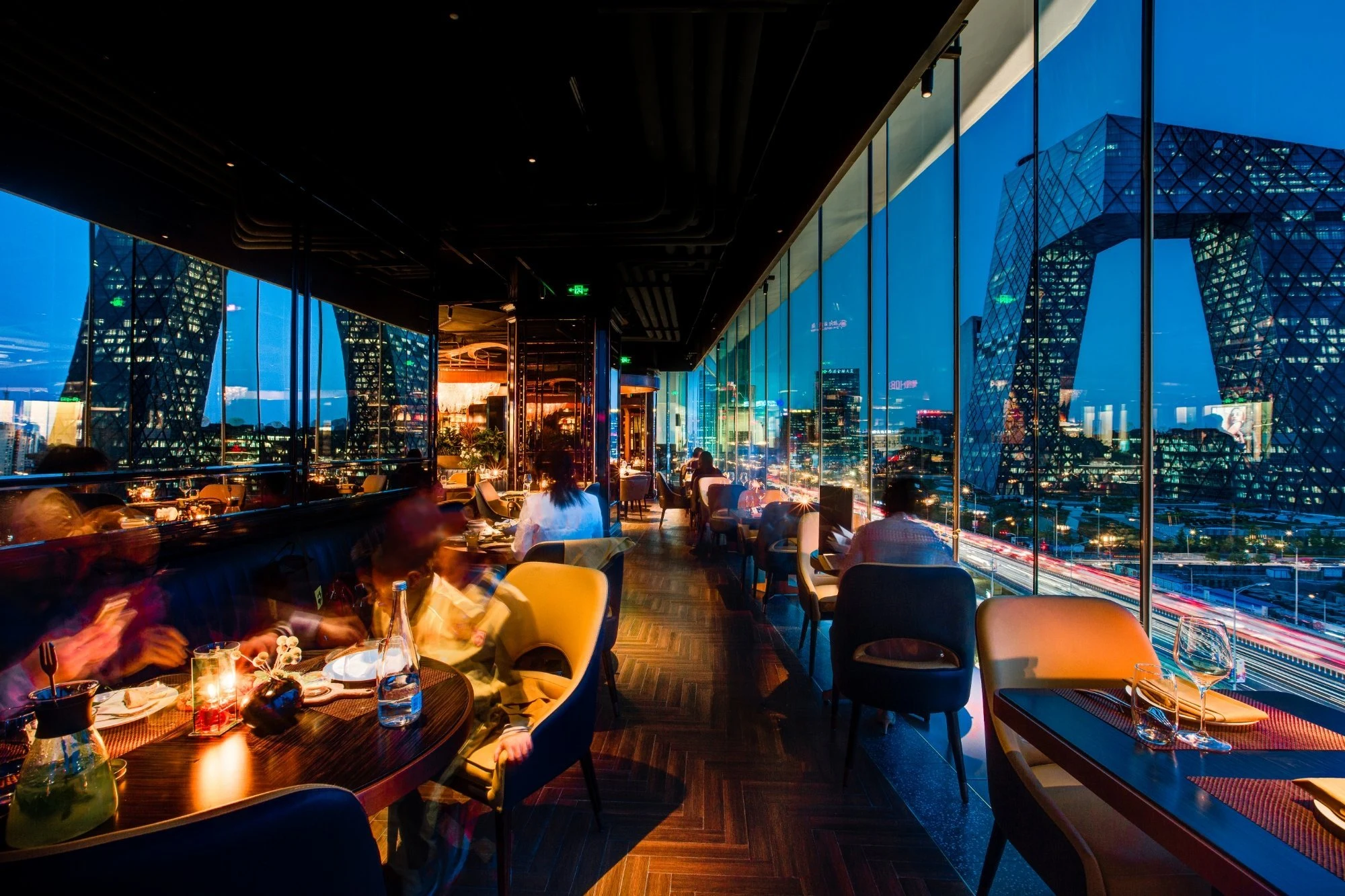
Along Jiuxianqiao North Road in Chaoyang, where creative industries and residential blocks press against each other in a way that characterises this district's peculiar energy, small restaurants earn their reputations the slow way. There are no grand hotel lobbies here, no valet queues. The clientele arrives on its own terms, often repeatedly, and the room fills because word holds. 飞家小馆 sits inside that pattern: a neighbourhood-scale operation whose address in the Jiuxianqiao corridor places it at some remove from Beijing's more curated dining clusters near Sanlitun or the Central Business District.
That distance is, in part, the point. Restaurants in this stretch of Chaoyang compete less on spectacle than on consistency and familiarity. The regulars who return to a place like this are not chasing novelty; they are maintaining a relationship with a kitchen whose rhythms they already know.
The Sunday email
Read about the people behind restaurants like 那家小馆 in the Sunday email.
Every Sunday we send a lead story and up to four more about the chefs, winemakers, sommeliers and hoteliers behind the restaurants, bars, wineries and hotels we cover.
Recent stories

Free. One email a week, and you can unsubscribe from any issue.
What the Regulars Know That First-Timers Don't
In Beijing's mid-range dining culture, the most reliable indicator of a kitchen's actual quality is not a review published six months ago but the composition of a Tuesday night crowd. A room that fills on weeknights with local residents rather than weekend visitors tends to signal something real: a price-to-quality ratio that makes repeat visits economically rational, and a consistency that makes them emotionally satisfying. Chaoyang's residential pockets sustain exactly this kind of restaurant ecosystem, where a small operation can build a loyal base without requiring the overhead or theatrical programming that downtown venues depend on.
For comparison, the Chaoyang dining circuit at its upper end includes venues like Chao Shang Chao, which operates in the Chao Zhou register at a ¥¥¥¥ price point, and Xin Rong Ji on Xinyuan South Road, positioned firmly in the premium Taizhou tier. A neighbourhood operation like 飞家小馆 occupies a different position in that hierarchy: closer to the daily-use category than the occasion-dining one, which is precisely what makes its regulars loyal rather than merely admiring.
The Scene in Jiuxianqiao
Jiuxianqiao was Beijing's original electronics and creative district before the art cluster at 798 consolidated the area's identity. The neighbourhood retains that layered character: workshops and gallery spaces sit near apartment compounds, and the restaurant options reflect the mix. This is not a dining neighbourhood that attracts tourists in any concentrated way, which shapes the atmosphere inside its better small restaurants. Conversations tend to be among people who live within walking distance or who make a specific detour because they have before.
In cities where dining culture is mature enough to support this kind of granular neighbourhood loyalty, the small-room operation with a stable regular clientele often outlasts the more ambitious concept that launched with more fanfare. Beijing has plenty of examples in both directions. The Chaoyang residential belt, in particular, has produced durable neighbourhood spots whose reputation travels largely by personal recommendation rather than media coverage.
Beijing's Broader Register: Tradition and Its Alternatives
Understanding where a neighbourhood restaurant fits requires some sense of where Beijing's dining culture sits overall. The city's most recognised Chinese cooking institutions tend toward imperial and northern traditions: Peking duck in its various registers, refined Beijing cuisine at venues like Jingji, and the vegetarian fine-dining tier represented by places such as King's Joy and Lamdre. Each of those venues operates with a degree of formal intent, from room design to booking process to price architecture.
The neighbourhood small-plate or family-style restaurant category exists in a different relationship to that tradition. It draws on it, references it, sometimes subverts it, but does not present itself as its custodian. That informality is functional rather than accidental: it allows the kitchen to respond to seasonal availability, to cook what it knows well rather than what a formal menu demands, and to build the kind of trust with returning guests that a more programmatic approach tends to foreclose.
Across China's other major dining cities, this category produces some of the most interesting cooking: Fu He Hui in Shanghai represents the more refined expression of that impulse in the vegetarian register, while Ru Yuan in Hangzhou shows what happens when similar instincts meet a different regional tradition. Further afield, Chef Tam's Seasons in Macau and Imperial Treasure Fine Chinese Cuisine in Guangzhou each represent how Chinese kitchen tradition scales into a fine-dining frame when the ambition and investment are there. 飞家小馆 operates at a different register from all of these, and that is not a criticism.
Other notable Chinese restaurants worth considering across the broader region include Dai Yuet Heen in Nanjing, Fleurs Et Festin in Xiamen, Shang Palace in Yangzhou, Wenru No.9 in Fuzhou, Pingjiangsong in Suzhou, and Xin Rong Ji in Chengdu. For a different category of comparison entirely, the community-driven format that defines neighbourhood-loyal restaurants in other markets finds some parallel in Lazy Bear in San Francisco, which built its identity around an intimate regular-guest model well before it formalised into a permanent address.
Questions
Frequently asked
Who works at 那家小馆?
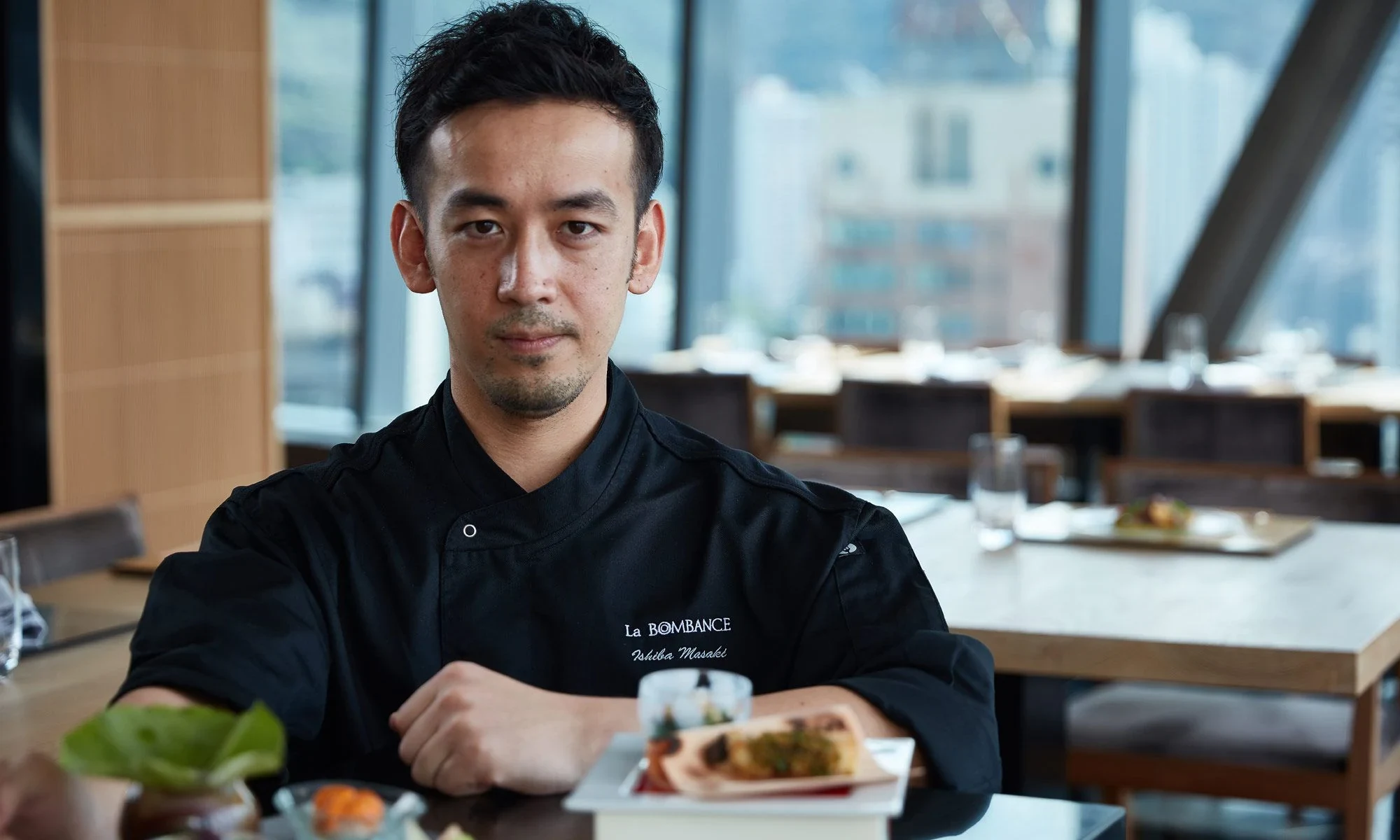
Made By profiles Ishiba Masaki (Chef) at 那家小馆.
How expensive is 那家小馆?
那家小馆 is listed at a price level of $$.
Where is 那家小馆 and what does it serve?
那家小馆 is in Dashanzi, Beijing, serving Traditional Beijing Court Cuisine.
The field
How it compares
| Place | Cuisine | Notes | Awards |
|---|---|---|---|
| 那家小馆 | Traditional Beijing Court Cuisine | Dashanzi, $$ | · |
| Blackswan | Modern French Fine Dining | Beijing | Michelin 2 Stars |
| Chef 1996 | Refined Sichuan Fine Dining | Beijing | Michelin 1 Star, 50 Best |
| Gastro Esthetics DaDong | Modern Chinese - Peking Duck Haute Cuisine | Beijing | Michelin 1 Star |
| Jing | Modern French with Asian Influences | Beijing | Michelin 1 Star |
| King's Joy | Modern Vegetarian Chinese Fine Dining | Beijing | Michelin 2 Stars |
| Lamdre | Modern Plant-Based Chinese Vegetarian | Beijing | Michelin 2 Stars, 50 Best |
Similar places
Modern French Fine Dining
Blackswan
Beijing, China
★★
Refined Sichuan Fine Dining
Chef 1996
Beijing, China
★ · 50 Best
Modern Chinese - Peking Duck Haute Cuisine
Gastro Esthetics DaDong
Beijing, China
★
Modern French with Asian Influences
Jing
Beijing, China
★
Modern Vegetarian Chinese Fine Dining
King's Joy
Beijing, China
★★
Modern Plant-Based Chinese Vegetarian
Lamdre
Beijing, China
★★ · 50 Best
The Sunday email
Read about the people behind restaurants like 那家小馆 in the Sunday email.
Every Sunday we send a lead story and up to four more about the chefs, winemakers, sommeliers and hoteliers behind the restaurants, bars, wineries and hotels we cover.
Recent stories
Free. One email a week, and you can unsubscribe from any issue.