7025 Franklin Avenue
- 01CuisineAmerican Hamburgers
- 02CityTokyo, Japan
From the people index
Recommended by
One trusted voice points here.
- Tabelog 100 #71: 3.7pts · 2026
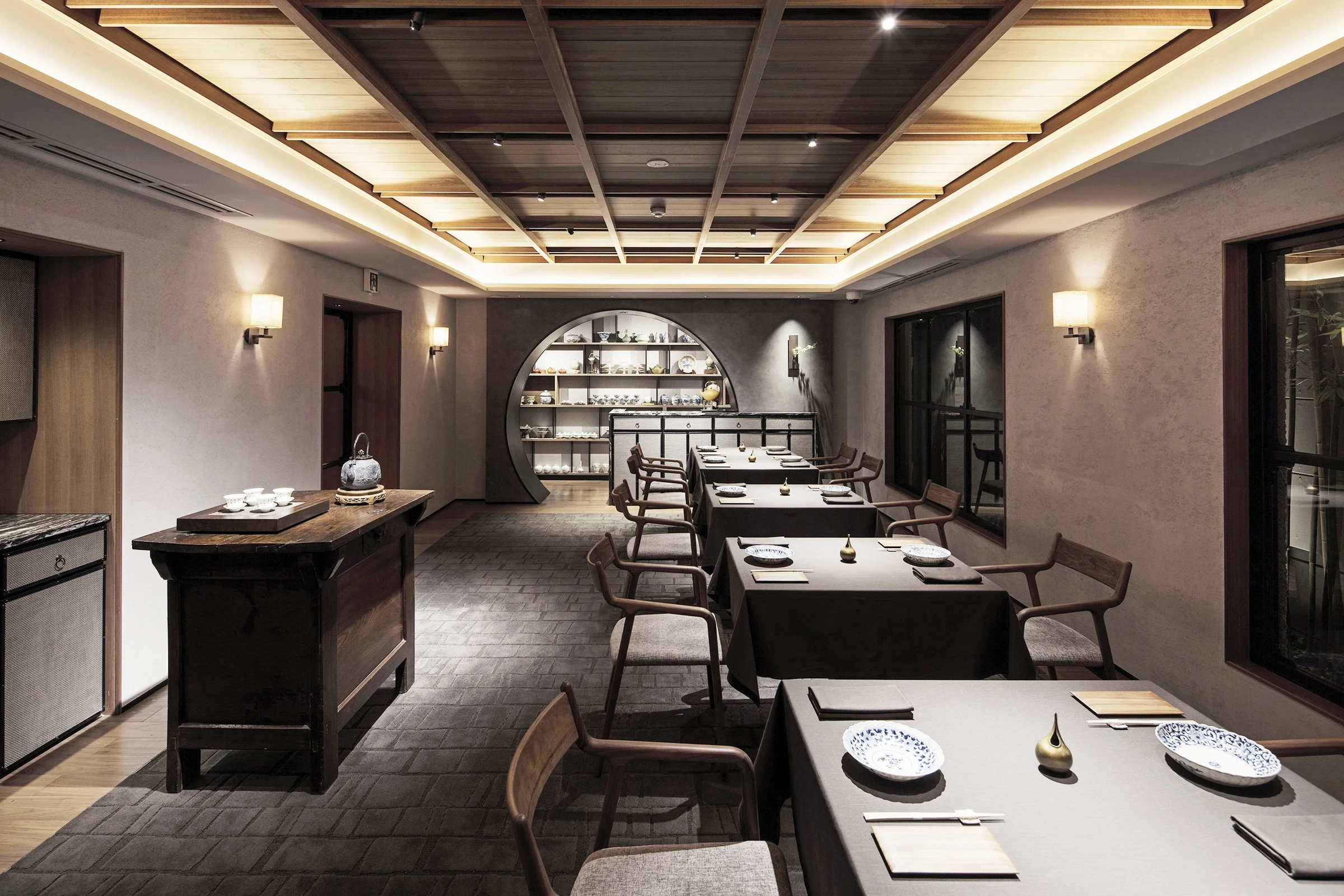
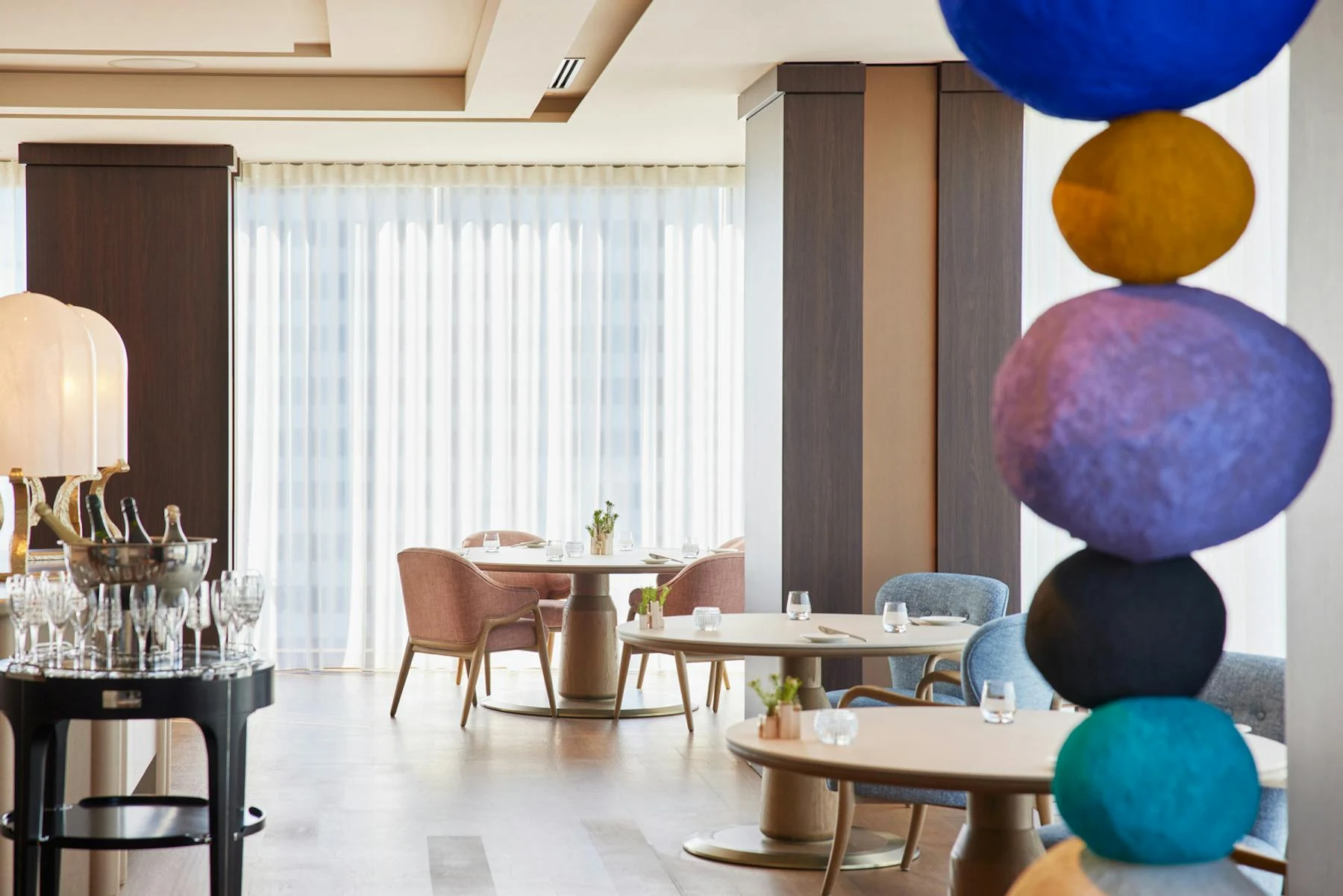
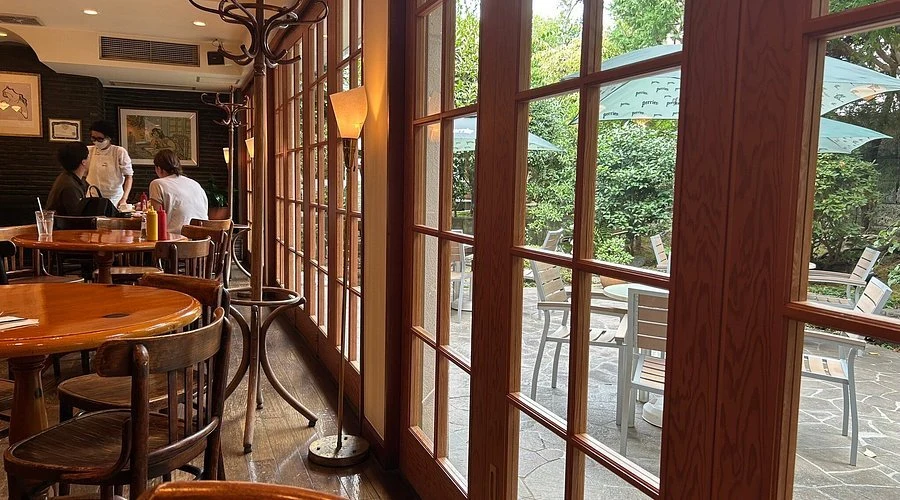
Higashigotanda is not the Tokyo neighbourhood most visitors choose for a hamburger detour, which is partly why the category makes sense here. Around Gotanda, office blocks, station traffic and residential side streets compress into a dining rhythm built for people who know exactly what they came for. The room reads as a house restaurant rather than a polished chain format: counter seating, an open terrace and a non-smoking policy place the meal closer to Tokyo’s independent café-burger culture than to fast-food Americana.
That distinction matters in Japan, where the hamburger has split into several identities. There is the family-restaurant patty, the yoshoku-style hambagu, the convenience lunch sandwich and the specialist burger shop that treats bun, meat, sauce and service pace as a disciplined format. 7025 Franklin Avenue sits in the last group, recognised in Tabelog’s Hamburger 100 for 2026 and previously selected in multiple earlier editions. That is a useful signal in a city where burger shops compete not only with one another, but with ramen counters, curry rooms and set-lunch specialists for the same short midday window.
Gotanda's burger scene is practical, not theatrical
Tokyo’s burger shops often succeed when they understand the city’s logistics. A counter can turn a solo lunch into a clean, efficient stop; terrace seating adds flexibility without turning the restaurant into a destination lounge; take-out broadens the format for nearby workers and residents. In this part of Shinagawa, the appeal is less about spectacle than repeatability. The meal has to justify itself against the surrounding alternatives, from curry and yakitori to bakeries and French-Italian dining rooms.
The immediate competitive set shows how varied Gotanda can be. 3 Chome no Curry Ya San speaks to the neighbourhood’s appetite for focused, affordable specialism, while Panetteria ARIETTA Gotanda honten and LES CACAOS Honten point to the area’s bakery and sweets traffic. Ne Quittez pas and Ristorante Angelo operate in a more formal European register, which makes the burger category feel less casual than it first appears. In Tokyo, a focused hamburger shop has to win attention in a field where almost every genre has specialists.
The Tabelog Hamburger 100 selection gives the place a clearer editorial position: this is not merely a convenient Gotanda lunch address, but part of the city’s ranked burger conversation. Tabelog’s score of 3.67 reinforces that standing without turning the meal into a trophy exercise. For travellers building a Tokyo food itinerary around narrow categories rather than broad luxury cues, that kind of recognition is more useful than generic praise.
The format rewards planning without ceremony
Practical character is part of the point. The listed category is hamburger and sandwich, with wine noted among drinks and take-out available. Payment is cash-oriented, with credit cards, electronic money and QR code payments not accepted. Private rooms are unavailable, private use is listed as available, and children are welcome, though strollers are not allowed inside. These details shape the visit more than any chef mythology would: this is a compact specialist meal, not a long-form restaurant occasion.
Tokyo visitors often over-plan sushi and under-plan everything else. That is a mistake with category specialists. Burger rooms with a fixed local following can be awkward to fit between museum tickets, hotel check-ins and cross-city transfers, especially when closed days and service windows are narrower than the casual format suggests. The smarter move is to treat this as a Gotanda anchor: build the meal around Shinagawa, Meguro or Ebisu plans rather than forcing it between far-apart reservations.
For a broader restaurant day, Gotanda works as a useful counterweight to denser dining districts. A traveller could compare this specialist burger approach with the izakaya-and-seafood pull of . 鮪と炭火焼き うお炭 秋葉原店, the Shinjuku address 12/10 Shinjuku ten, or the yakitori focus at 124. KAGURAZAKA (Yakitori). The comparison is not about ranking cuisines. It is about seeing how Tokyo rewards narrow formats when they are executed with consistency.
Where it fits in a Tokyo itinerary
7025 Franklin Avenue is strongest as a precision stop for travellers who care about Tokyo’s everyday specialist culture. The budget sits in the JPY 2,000 to JPY 2,999 range for both lunch and dinner, which places it below the city’s formal tasting-menu economy but above throwaway convenience eating. That middle tier is where Tokyo often feels most instructive: no ceremony, limited margin for error, and a clientele that notices small lapses.
It also broadens the idea of what belongs on a serious Tokyo dining list. Not every meal needs to chase omakase scarcity or luxury-hotel dining. A tighter itinerary might put this Gotanda stop beside café culture at 2D Cafe, then use Our full Tokyo restaurants guide to map the rest of the day. Travellers pairing food with hotels, bars or cultural planning can cross-reference Our full Tokyo hotels guide, Our full Tokyo bars guide, Our full Tokyo wineries guide and Our full Tokyo experiences guide.
The wider Japan and overseas links are useful for calibrating expectations. -Grilled beef Sukiyaki- KAMAKURA TANUKIAN 鎌倉 たぬき庵 in Kamakura speaks to a more traditional beef format, while.cafe in Osaka,.know in Kumamoto, (Shoku) Vietnam in Kawasaki, [Curry Senmon Ten] Maruyama Kyoju. in Sapporo and [ki:] in Kyoto show how category-led dining shifts by city. Even outside Japan, Jōdo Saké Bar in Los Angeles and Onigiri Time in Pasadena underline the same point: focused formats travel well when they keep their logic intact.
The editorial verdict is narrow and useful. This is the Tokyo burger address to consider when the itinerary needs a serious, compact meal in Gotanda rather than another high-ceremony booking. The award history supplies the trust signal; the format supplies the reason to go.
Questions
Frequently asked
How expensive is 7025 Franklin Avenue?
7025 Franklin Avenue is listed at a price level of $$.
Where is 7025 Franklin Avenue and what does it serve?
7025 Franklin Avenue is in Shinagawa, Tokyo, serving American Hamburgers.
The field
How it compares
| Place | Cuisine | Notes | Awards |
|---|---|---|---|
| 7025 Franklin Avenue | American Hamburgers | Shinagawa, $$ | · |
| Den | Modern Japanese Kaiseki | Tokyo | Michelin 2 Stars, World's 50 Best |
| Florilège | Modern French-Japanese Plant-Based Fine Dining | Tokyo | Michelin 2 Stars, World's 50 Best |
| Narisawa | Modern Japanese Satoyama Fine Dining | Tokyo | Michelin 2 Stars, World's 50 Best |
| Quintessence | Modern French Fine Dining | Tokyo | Michelin 3 Stars |
| Sazenka | Modern Chinese Fine Dining | Tokyo | Michelin 3 Stars, World's 50 Best |
| Sézanne | Modern French Fine Dining | Tokyo | Michelin 3 Stars, World's 50 Best |
Similar places
Modern Japanese Kaiseki
Den
Tokyo, Japan
★★ · 50 Best
Modern French-Japanese Plant-Based Fine Dining
Florilège
Tokyo, Japan
★★ · 50 Best
Modern Japanese Satoyama Fine Dining
Narisawa
Tokyo, Japan
★★ · 50 Best
Modern French Fine Dining
Quintessence
Tokyo, Japan
★★★
Modern Chinese Fine Dining
Sazenka
Tokyo, Japan
★★★ · 50 Best
Modern French Fine Dining
Sézanne
Tokyo, Japan
★★★ · 50 Best