80/20
In Residence
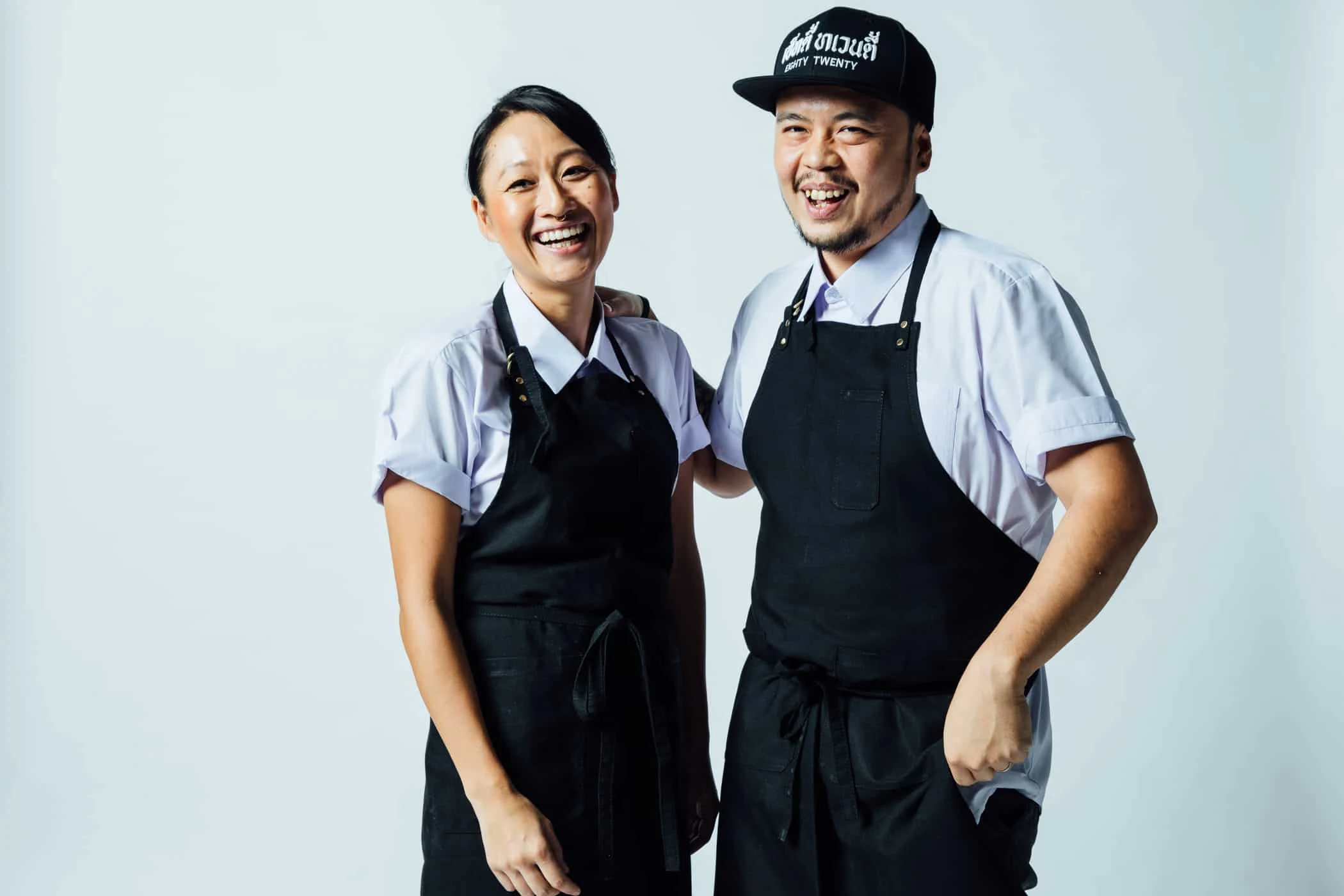
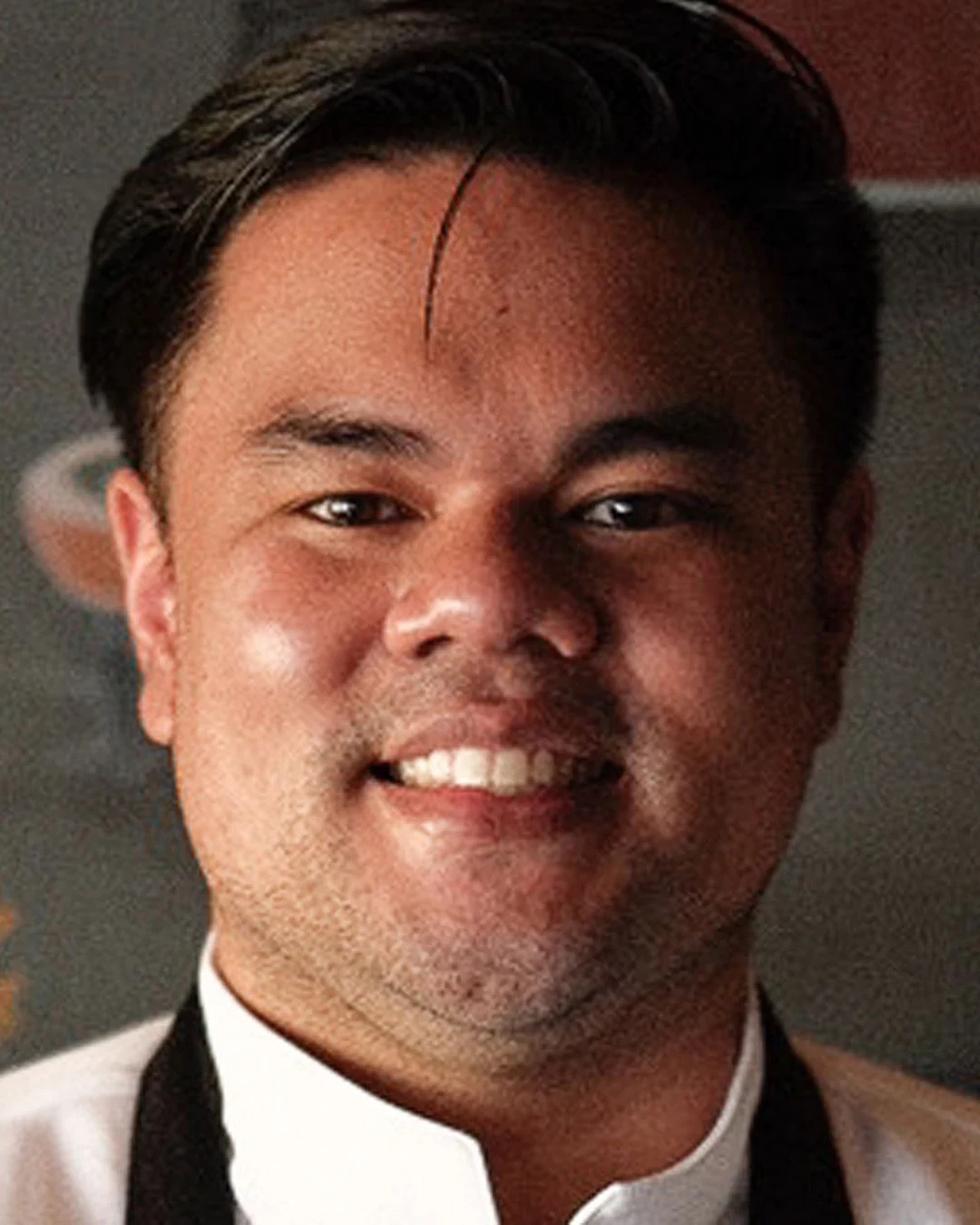
Napol 'Joe' Jantraget
Owner
- 01CuisineModern Thai Fine Dining
- 02CityBangkok, Thailand
- 03RecognitionOne Michelin Star
- 1 Michelin Star · Michelin Guide
- Michelin 1 Star · 2026
- We're Smart World 3 Radishes · 2025
- La Liste Top Restaurants: 76.5pts · 2025
- Michelin 1 Star · 2025
- Michelin 1 Star · 2024
- Opinionated About Dining Top Restaurants in Asia Highly Recommended · 2023
Charoen Krung's Shift from Street-Level to Tasting Counter
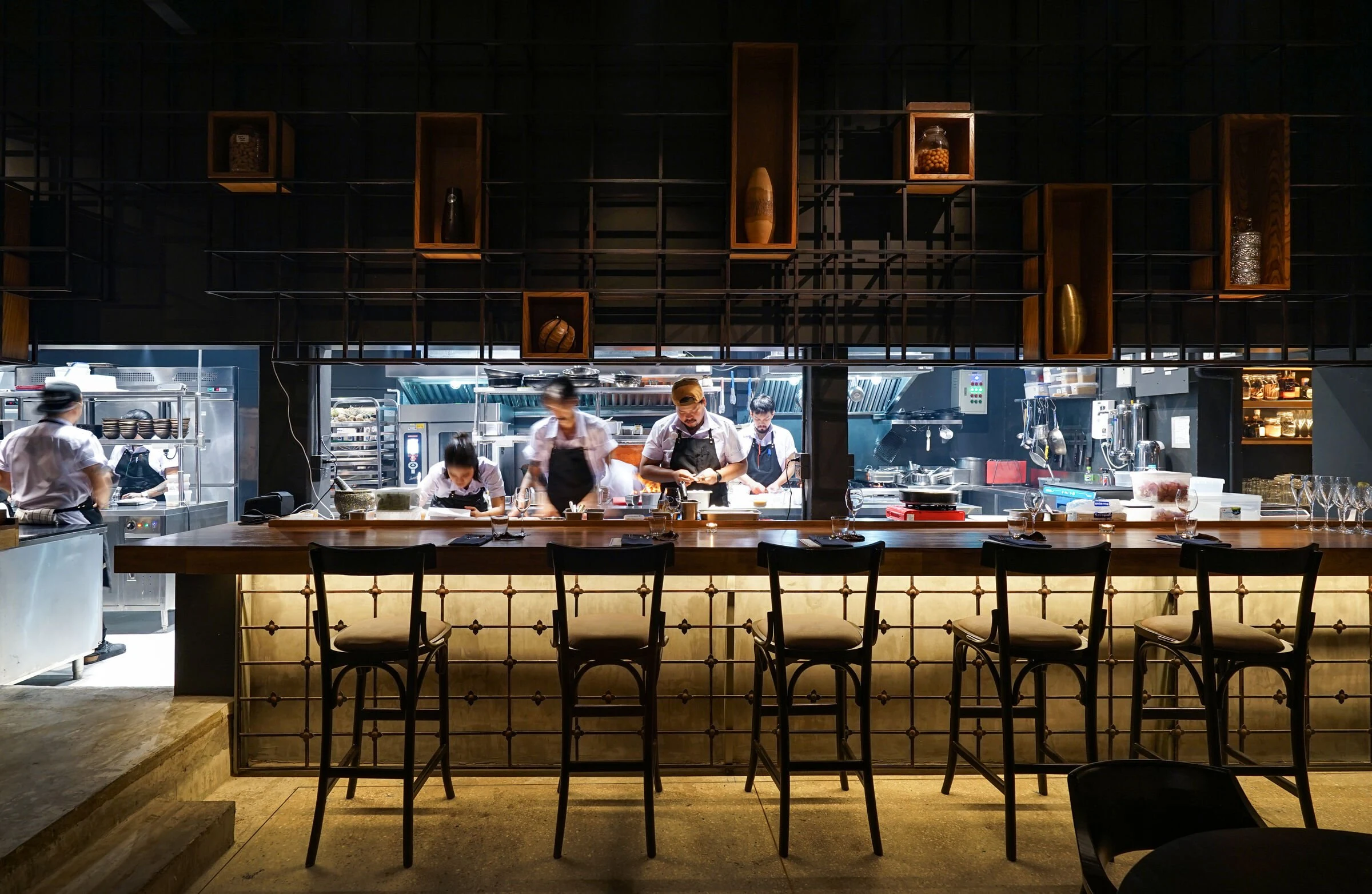
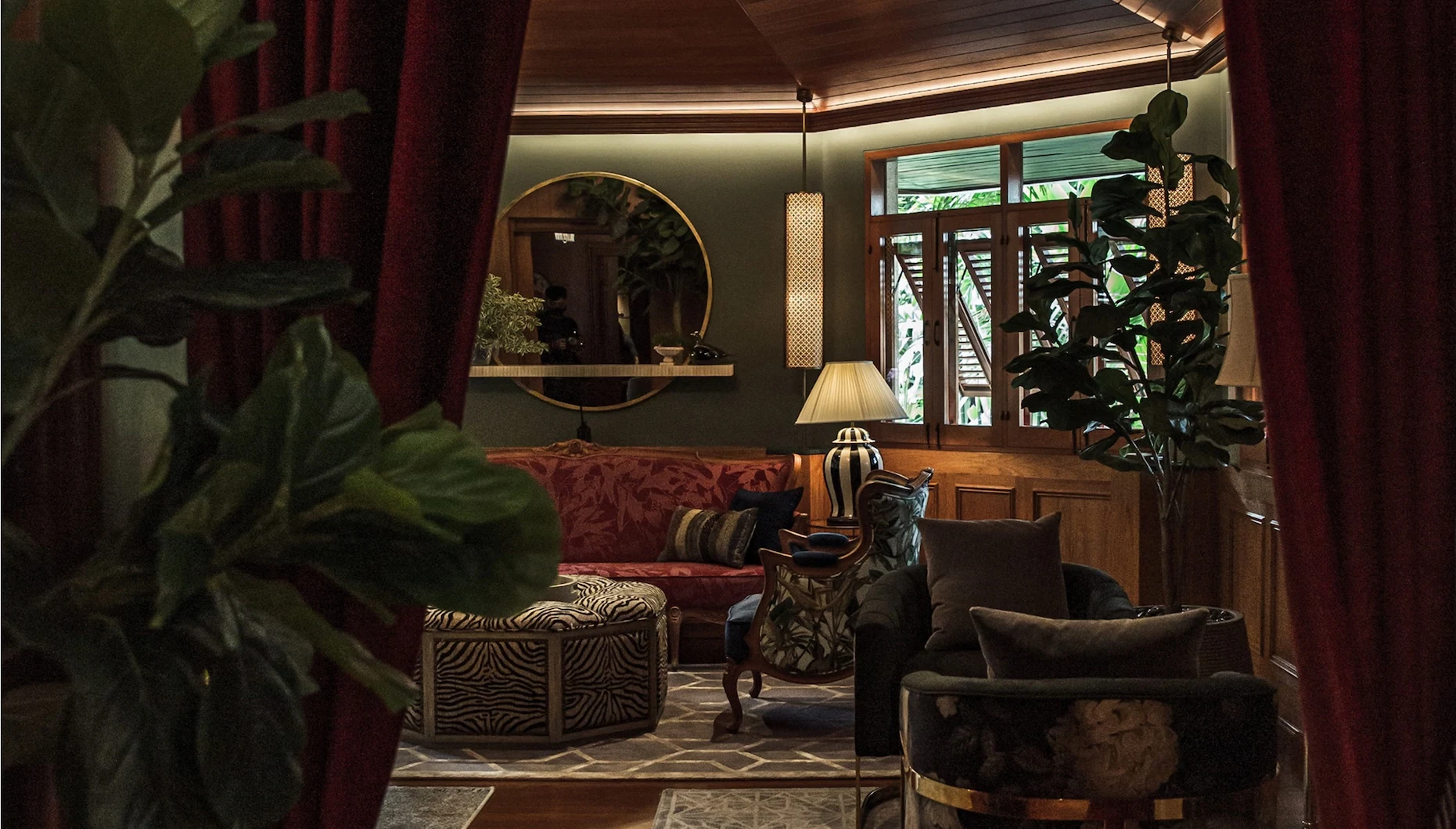
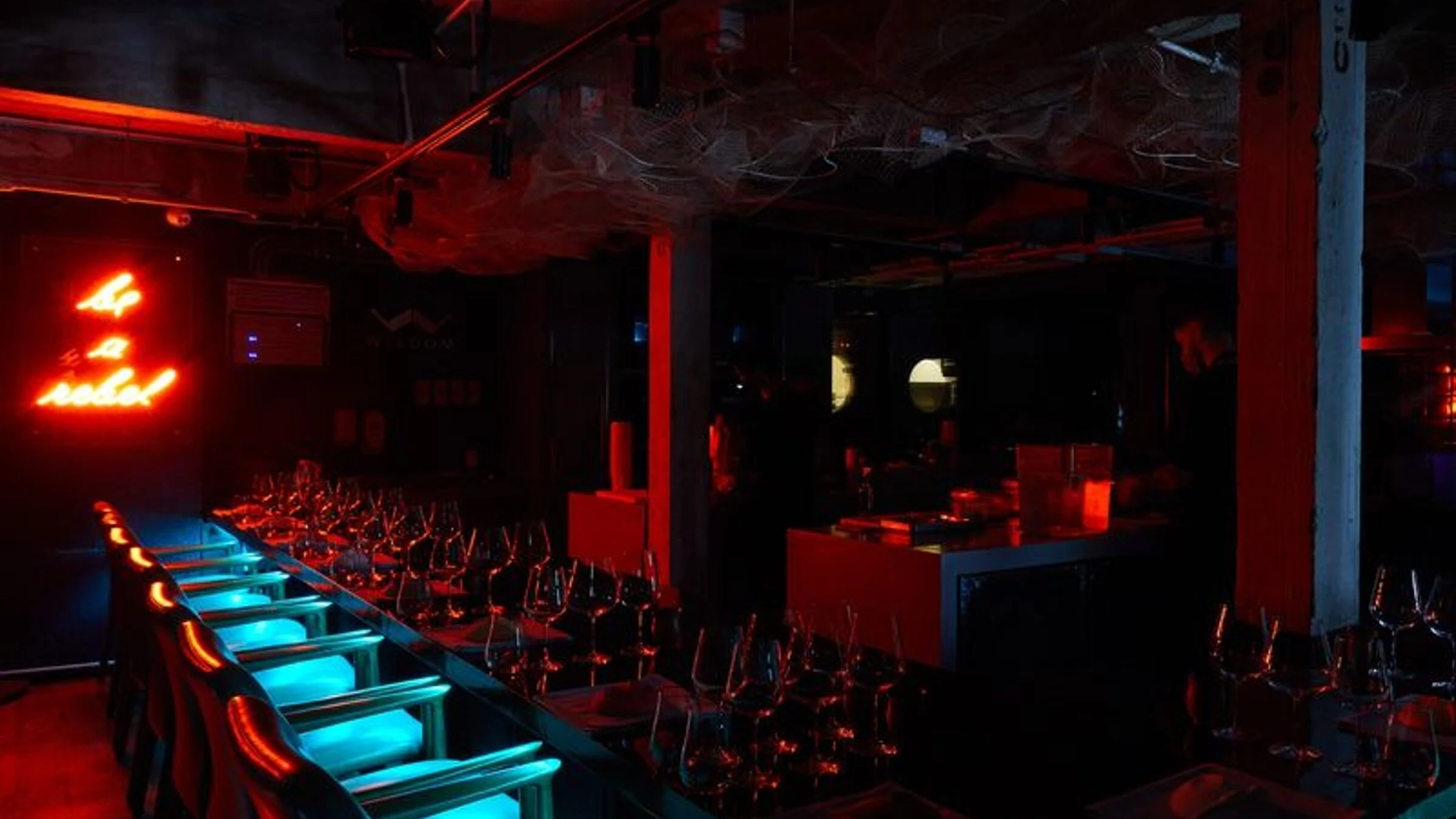
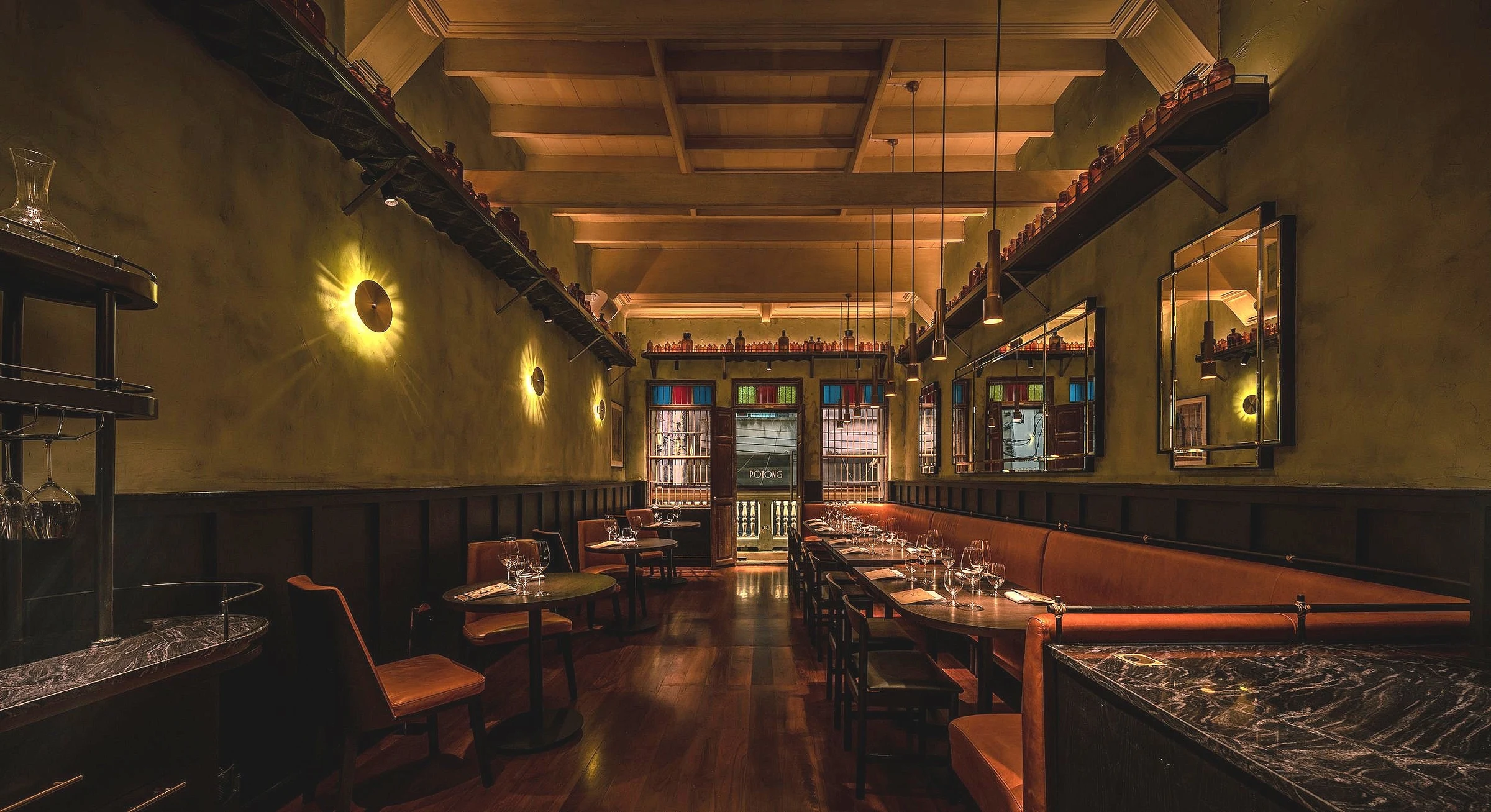
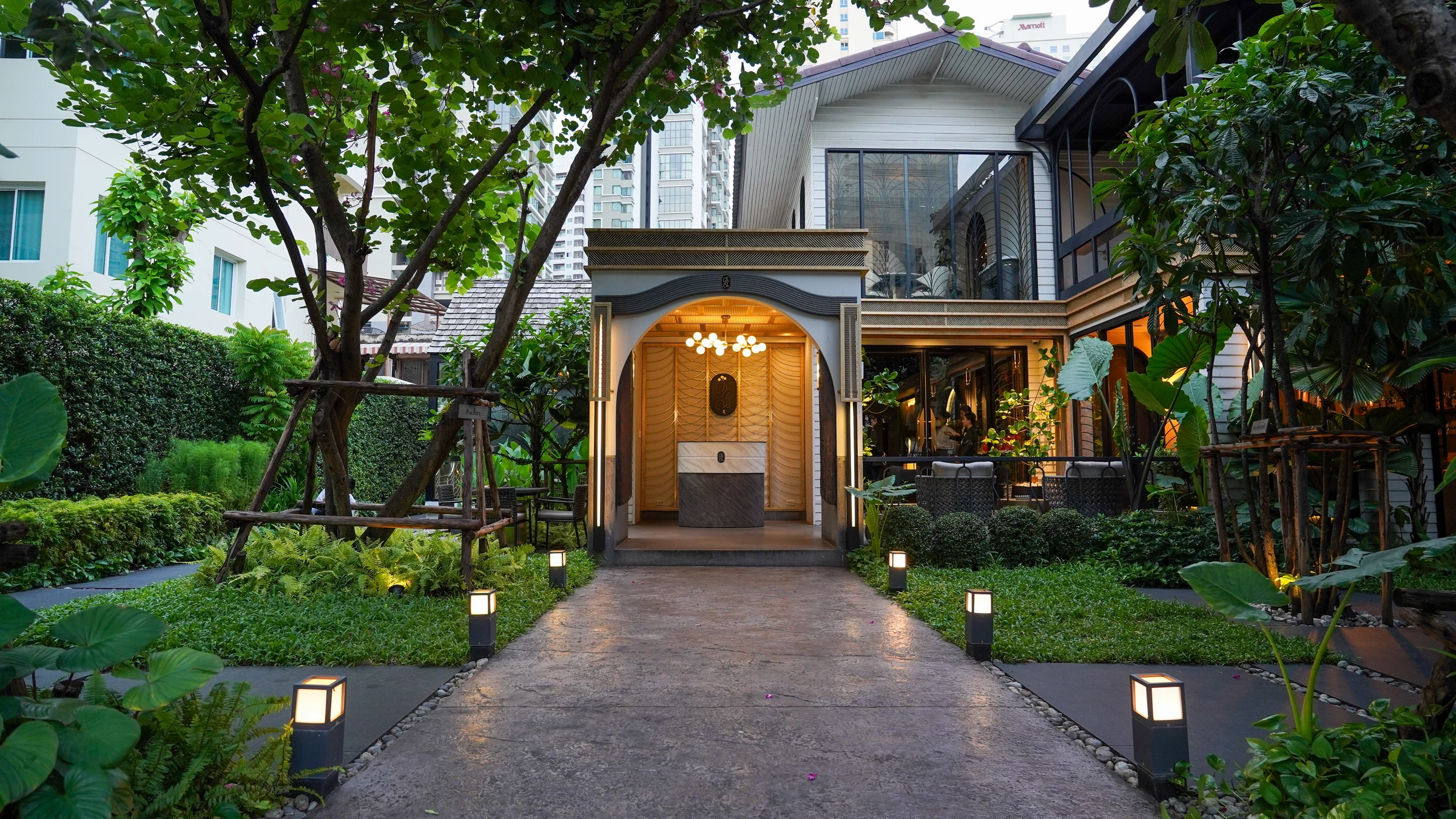
Bangkok's Charoen Krung district has been repositioning itself for a decade. What was once a corridor of goldsmiths, printing houses, and late-night noodle vendors has accumulated a quieter, more deliberate dining energy without abandoning its working-neighbourhood character. That tension, industrial past against considered present, is exactly the architectural logic behind 80/20, which occupies a loft-style space on Charoen Krung 26 Alley that uses Thai materials against exposed structural bones. Walking in, the room reads less like a fine-dining stage set and more like a workshop where serious cooking happens to be the output.
This approach places 80/20 in a specific tier of Bangkok's contemporary Thai scene: restaurants that use fine-dining structure not to imitate European tasting-menu conventions but to apply pressure to Thai culinary tradition itself. That group now includes Baan Tepa, R-Haan, and NAWA, among others, and the ฿฿฿฿ price point is consistent across all of them. At 80/20, the name itself encodes the philosophy: originally indicating that 80% of ingredients were sourced locally, the ratio has since moved to 100%, making the provenance commitment total rather than aspirational.
The Sunday letter
Find new places through the people who run them.
Our Sunday email brings you the chefs, winemakers and hoteliers behind our newest stories. See a sample before you subscribe.
See a sample of the Sunday emailOne email a week. Unsubscribe from any issue.
Street Food Thinking at Counter Scale
Bangkok's street food canon is not a static archive. The wok stations of Yaowarat, the charcoal grills of Or Tor Kor market, the fermented paste vendors operating from the same soi for three generations, these aren't just nostalgia objects. They are living technique libraries, and the most interesting contemporary Thai kitchens treat them as source material rather than something to be left behind. 80/20's kitchen takes that seriously. Chef Thav Phouthavong draws on traditional preparations from across Thailand's regions, including Lao-inflected northern traditions that rarely appear on Bangkok tasting menus, and runs them through a seasonal filter determined by what Thai producers can actually supply.
The result is a menu where technique and provenance stay visibly connected. Jasmine rice from Yasothon, a northeastern province known for some of Thailand's most aromatic varieties, arrives cooked in coconut milk and pandan, which is a preparation method with deep roots in Thai home cooking and market food rather than in fine-dining convention. That kind of decision signals something about how the kitchen thinks: the street food soul isn't grafted on as a reference point, it's structurally present in how staples are treated.
For a broader picture of how this approach plays out across Thailand's regional dining scene, Aeeen in Chiang Mai and AKKEE in Pak Kret offer useful comparison points, both work within regional Thai traditions at a serious level, though with different geographic and stylistic anchors than 80/20's Bangkok-meets-Lao framework.
What the Awards Actually Say
A Michelin star, awarded in 2024, is the most legible trust signal 80/20 carries in the international context. La Liste placed it at 76.5 points in its 2025 global rankings.
Across Bangkok's ฿฿฿฿ contemporary Thai tier, the comparable set is competitive. Baan Tepa and Wana Yook occupy adjacent award territory; Sorn holds two Michelin stars for its Southern Thai focus; Sühring and Gaa operate at the same price point from German and Indian-contemporary positions respectively. 80/20 sits in that upper bracket on the strength of its local-sourcing rigour and its particular regional intelligence, which leans into Lao and northeastern Thai traditions that the Bangkok scene has historically underweighted.
For readers interested in how Thai contemporary cooking travels, Manāo in Dubai and Chim by Chef Noom in Kuala Lumpur both show how the format exports, though neither operates under the same sourcing constraint that defines 80/20's kitchen logic.
The Design Argument
The industrial loft format is not uncommon in Bangkok's mid-tier restaurant scene, but 80/20 applies a specific material logic to it: the space is built predominantly from Thai materials, which extends the kitchen's sourcing ethic into the room itself. This makes the environment a coherent statement rather than just an aesthetic choice. Concrete and timber that reference Thailand's own industrial and craft heritage read differently from a generic exposed-brick loft. Whether that registers consciously for diners or operates as ambient coherence, the effect is a room that doesn't ask you to pretend you're somewhere else.
The atmosphere, by multiple guest accounts, skews relaxed despite the tasting-menu format. That combination, serious cooking, informal room register, is increasingly the signal of Bangkok's more confident contemporary kitchens. The category has moved past needing European-style white-tablecloth gravity to validate its ambitions. Aunglo by Yangrak operates in a similar register, where the food carries the formality and the room carries the ease.
Vegan Positioning and Menu Flexibility
Thailand's Buddhist culinary tradition has always held space for plant-based eating, and Bangkok's contemporary kitchens have increasingly formalised that into structured vegan options rather than ad-hoc substitutions. 80/20 offers a full vegan path through its tasting menu, which is consistent with the kitchen's emphasis on vegetables and grains sourced from Thai producers. This isn't a secondary offering: a menu built around 100% locally sourced seasonal ingredients is already structured around produce, and the kitchen's technique base translates to the vegan format without requiring a parallel menu architecture.
Planning Your Visit
80/20 operates Wednesday through Sunday, with service beginning at 6 PM and running until 11 PM; it is closed Monday and Tuesday. The restaurant sits at 1052 to 1054 Charoen Krung 26 Alley, Bang Rak, Bangkok 10500, a neighbourhood that rewards arriving slightly early to walk the surrounding soi before the meal. The tasting menu format and Michelin-star status mean that reservations should be secured well in advance, particularly for Friday and Saturday sittings. The ฿฿฿฿ price tier places it at the upper end of Bangkok's dining market, consistent with peer restaurants in the contemporary Thai category.
For Thai contemporary cooking in other parts of the country, PRU in Phuket and Angeum in Phra Nakhon Si Ayutthaya are worth the trip, while Agave in Ubon Ratchathani and The Spa in Lamai Beach extend the map further into Thailand's regions.
Questions
Frequently asked
What recognition does 80/20 hold?
80/20 holds 1 Michelin star.
Who works at 80/20?
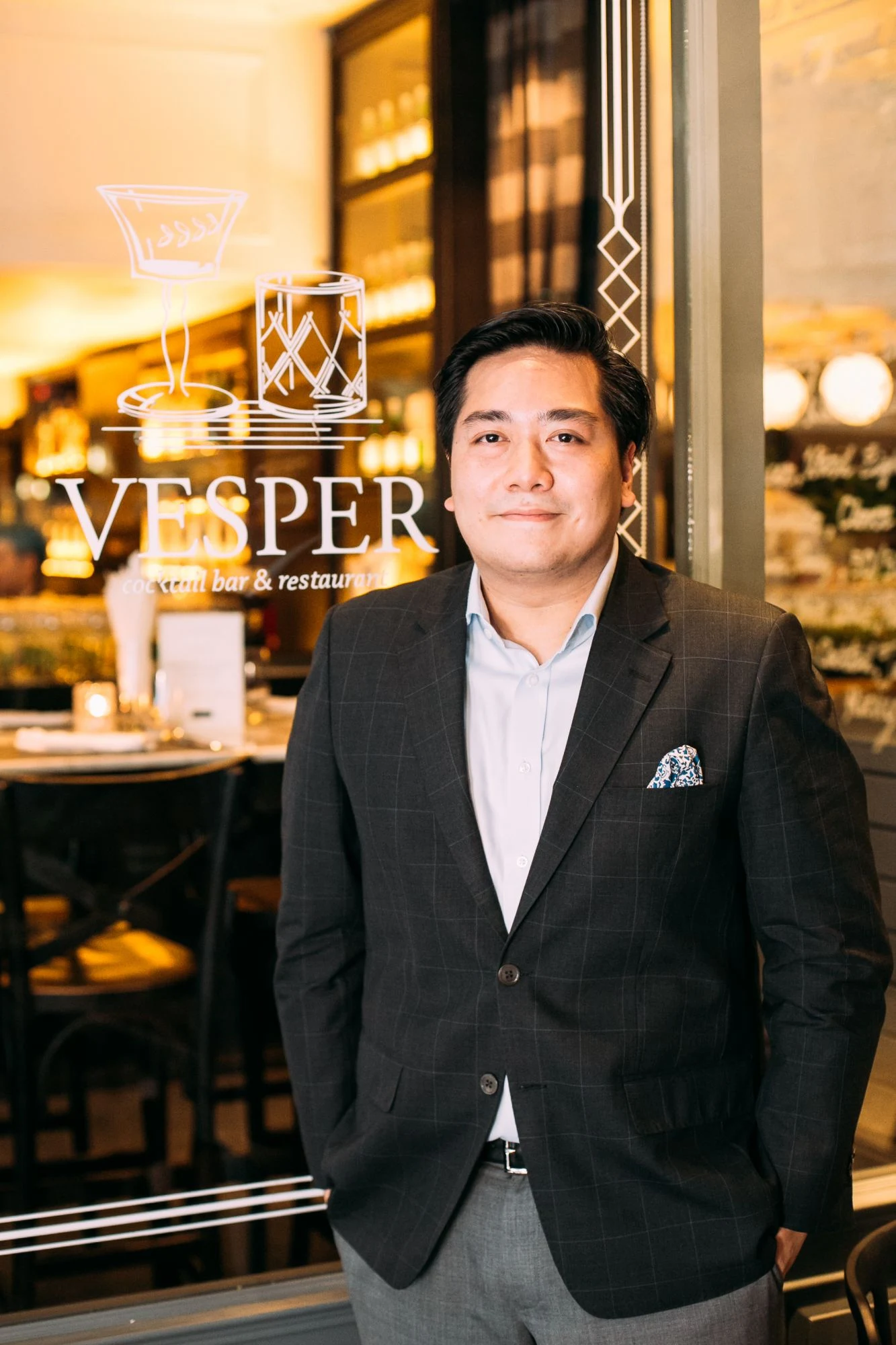
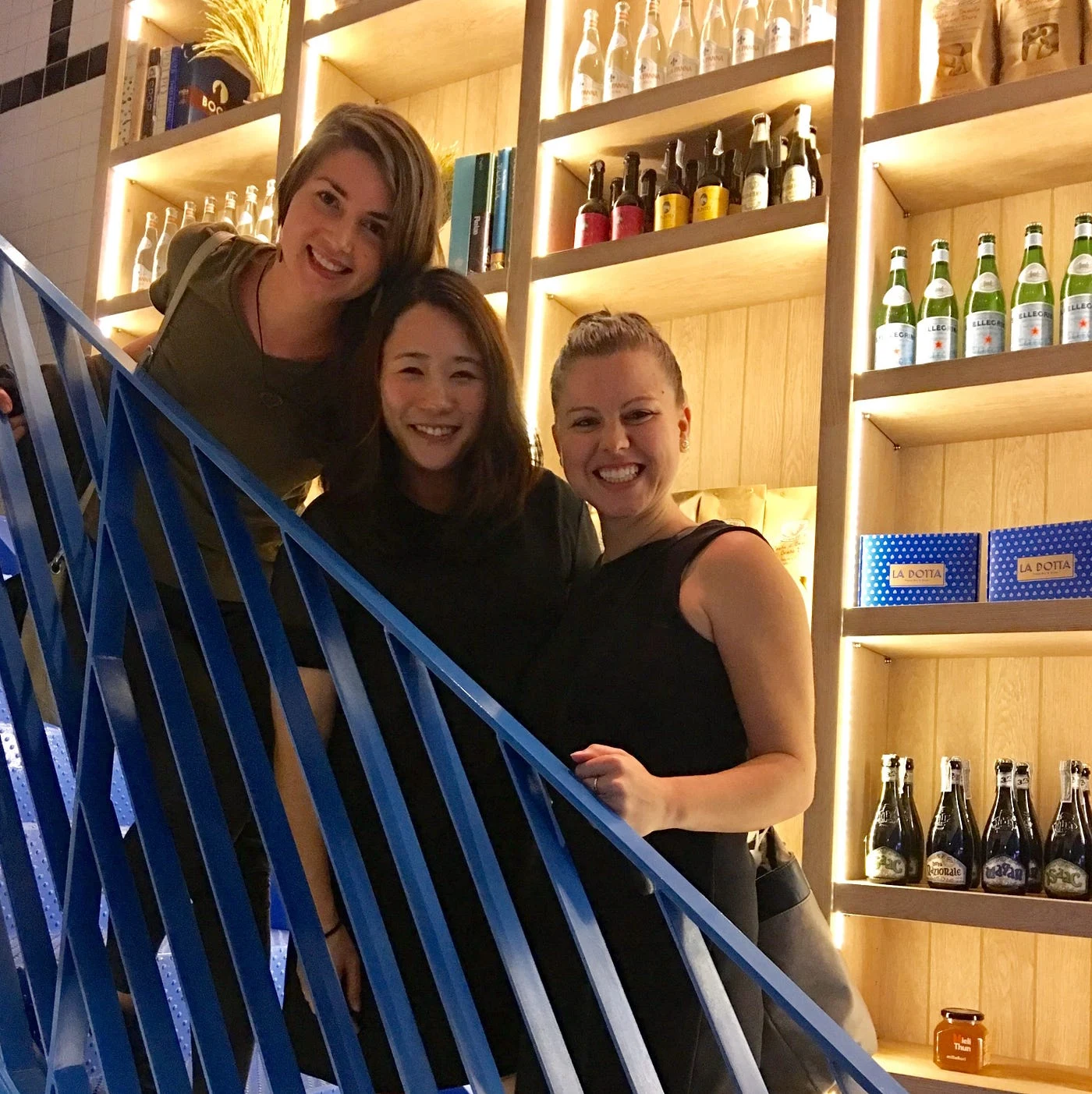
Made By profiles Napol 'Joe' Jantraget (chef/co-owner), Chotipong Leenutaphong (Partner / Operator) and Debby Tang (Partner / Director) at 80/20.
How expensive is 80/20?
80/20 is listed at a price level of $$$$.
Where is 80/20 and what does it serve?
80/20 is in Khanna Yao, Bangkok, serving Modern Thai Fine Dining.
The field
How it compares
| Place | Awards | Cuisine | Notes |
|---|---|---|---|
| 80/20 | Michelin 1 Star | Modern Thai Fine Dining | Khanna Yao, $$$$ |
| Baan Tepa | Michelin 2 Stars, World's 50 Best | Creative Thai Fine Dining | Bangkok |
| Gaa | Michelin 2 Stars, World's 50 Best | Modern Indian Fine Dining with Thai Influences | Bangkok |
| Gaggan Anand | Michelin 1 Star, World's 50 Best | Progressive Indian | Bangkok |
| Potong | Michelin 1 Star, World's 50 Best | Progressive Thai-Chinese Fine Dining | Bangkok |
| Sorn | Michelin 3 Stars, World's 50 Best | Fine Southern Thai | Bangkok |
| Sühring | Michelin 3 Stars, World's 50 Best | Modern German Fine Dining | Bangkok |
In residence
Similar places
Creative Thai Fine Dining
Baan Tepa
Bangkok, Thailand
★★ · 50 Best
Modern Indian Fine Dining with Thai Influences
Gaa
Bangkok, Thailand
★★ · 50 Best
Progressive Indian
Gaggan Anand
Bangkok, Thailand
★ · 50 Best
Progressive Thai-Chinese Fine Dining
Potong
Bangkok, Thailand
★ · 50 Best
Fine Southern Thai
Sorn
Bangkok, Thailand
★★★ · 50 Best
Modern German Fine Dining
Sühring
Bangkok, Thailand
★★★ · 50 Best

The Sunday letter
Get the next Made By story in your inbox.
We send one email every Sunday morning with the places and people we covered that week.
See a sample of the Sunday emailOne email a week. Unsubscribe from any issue.