Chim By Chef Noom
In Residence
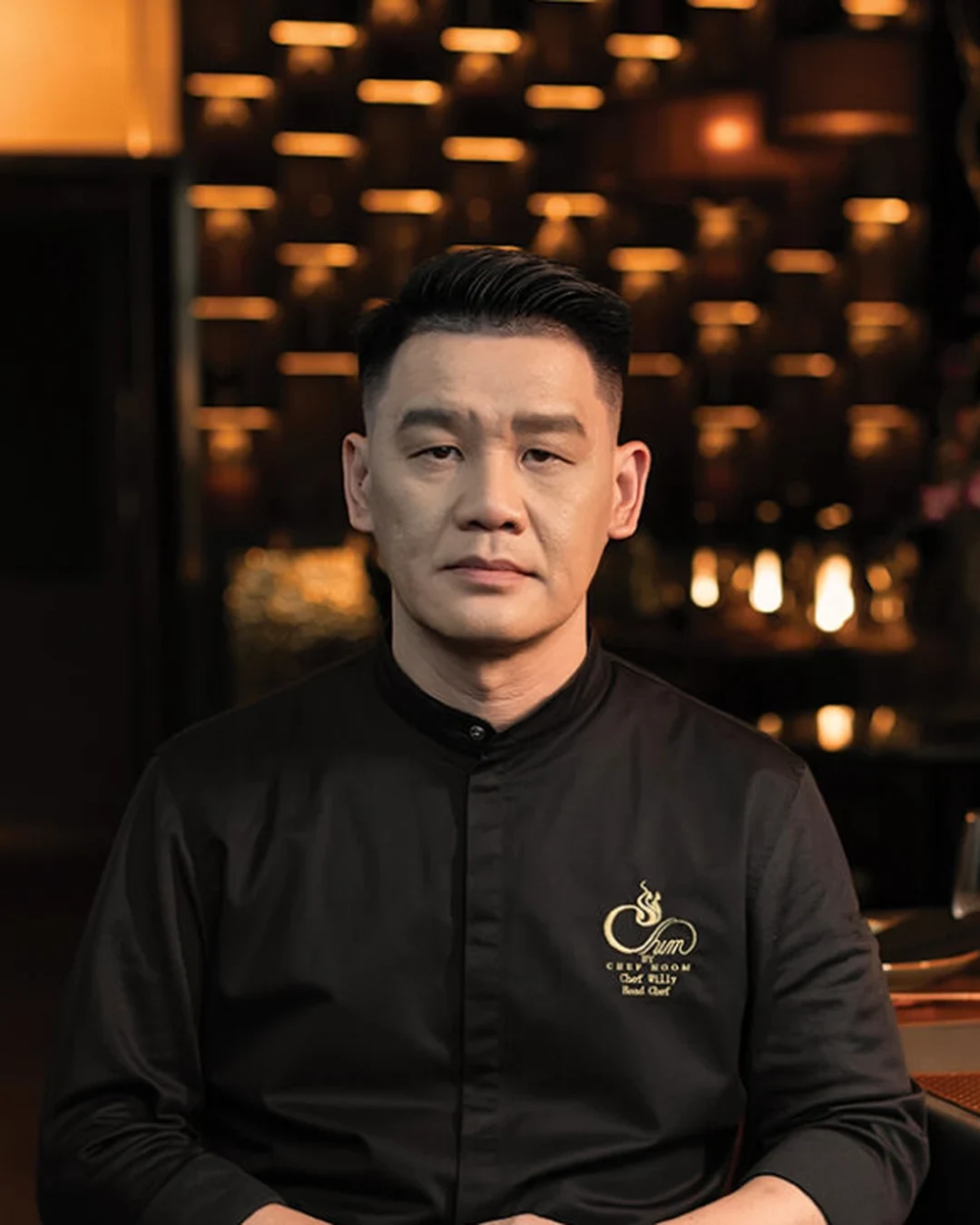
Chef Willy
Chef
- 01CuisineModern Thai Fine Dining
- 02CityKuala Lumpur, Malaysia
- 03RecognitionOne Michelin Star
- 1 Michelin Star · Michelin Guide
- Michelin 1 Star · 2026
- Michelin 1 Star · 2025
- Michelin 1 Star · 2024
A Thai Table Inside a Kuala Lumpur Office Tower
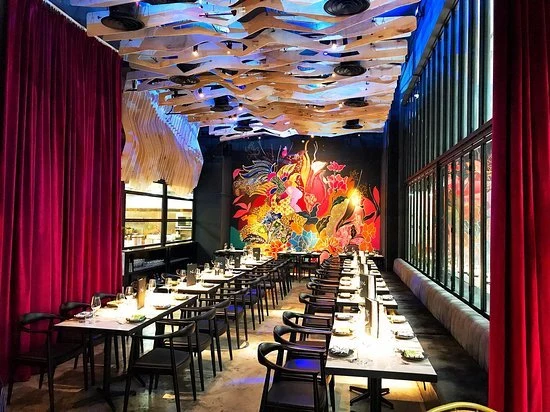
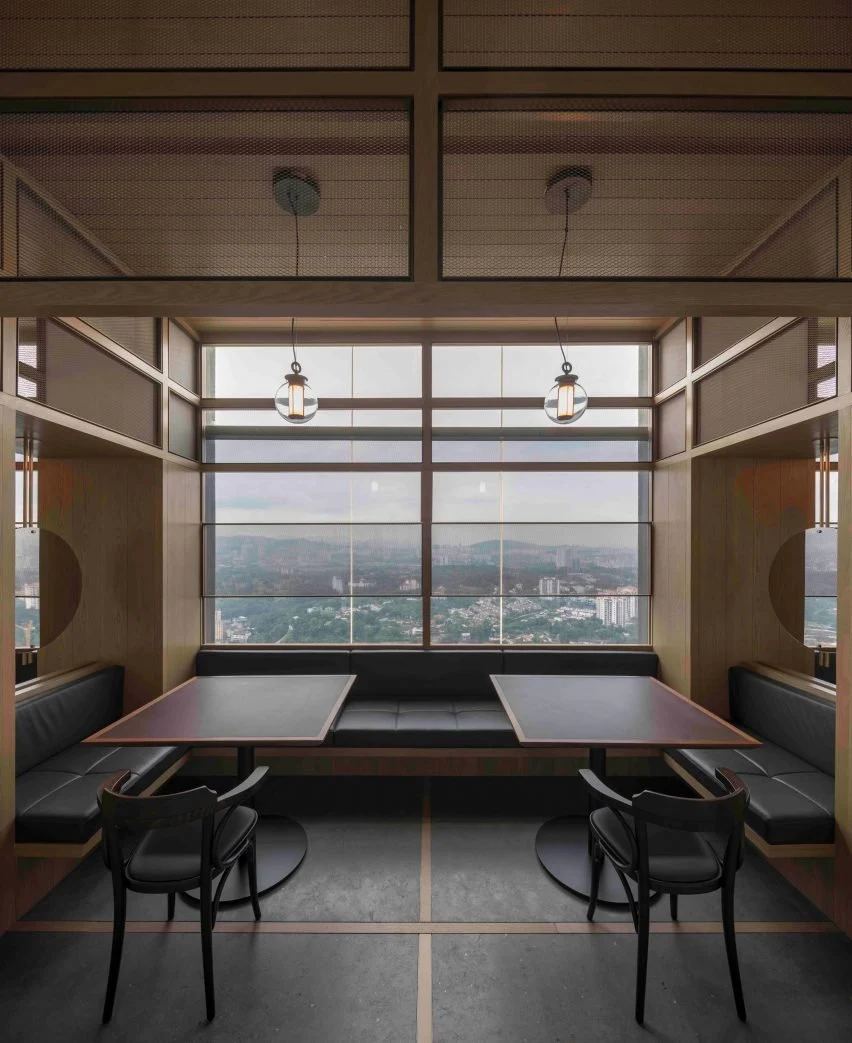
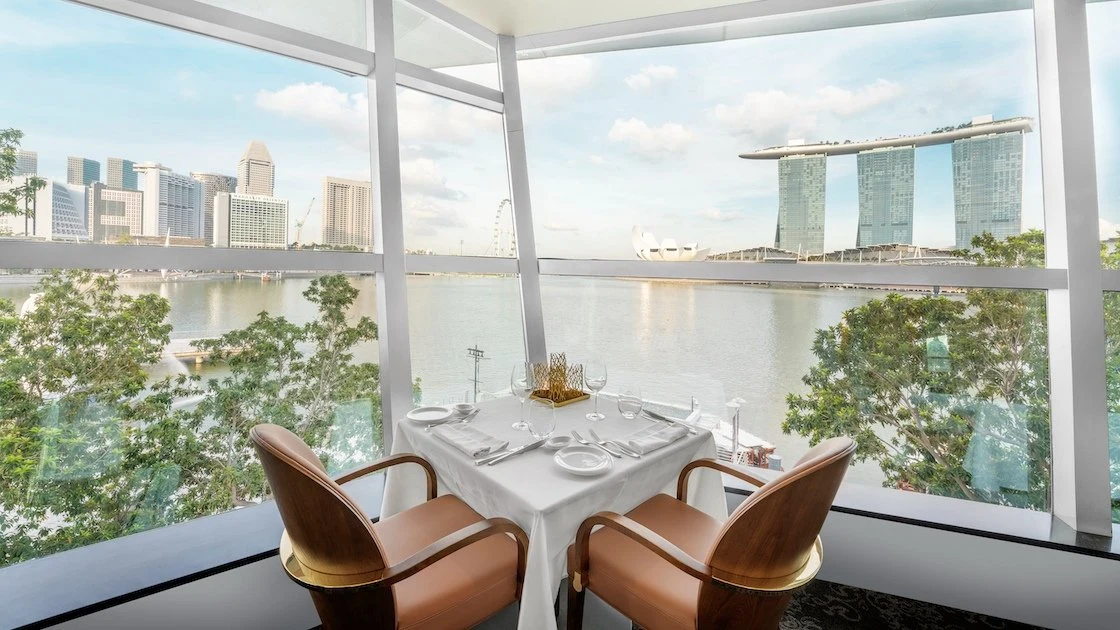
Chim By Chef Noom is a one-Michelin-star restaurant in Kuala Lumpur's Imbi district, serving modern Thai fine dining at about $150 per person. The approach to Chim By Chef Noom tells you something immediately about the kind of dining that has taken hold in Kuala Lumpur over the past decade. You enter an office building in Imbi, ride a lift, and arrive at a room that has no street-level theatre to speak of. The deliberate remove from the dining strip is a pattern shared by several of the city's most considered restaurants: Dewakan and DC. by Darren Chin have both occupied unconventional addresses at different points in their histories. In this tier, the room earns its audience through what arrives at the table, not through a prominent postcode.
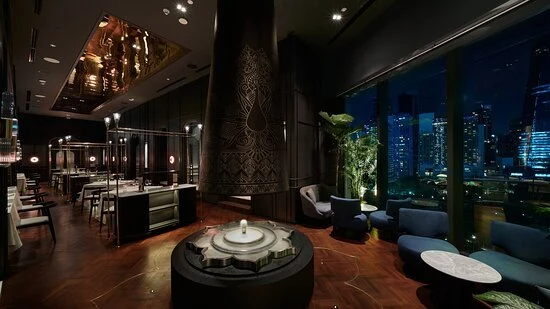
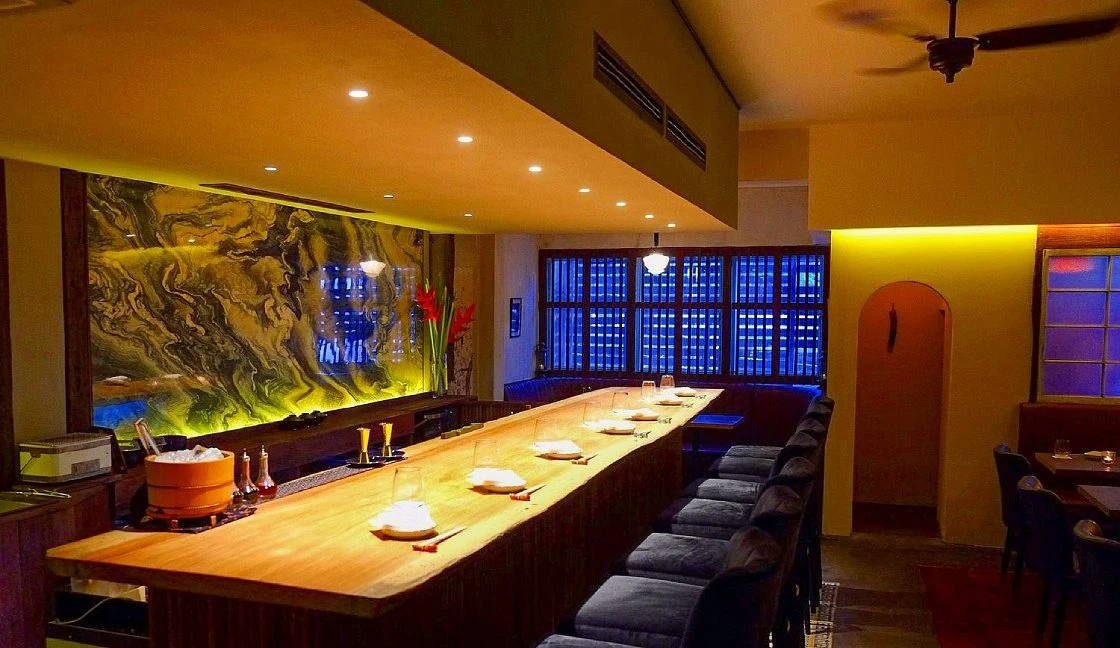
Inside, the register shifts: stylish plating, deliberate pacing, the kind of environment in which a multicourse tasting format makes sense without feeling performative. Chim sits within the $$$$-tier of Kuala Lumpur fine dining alongside restaurants such as Molina and Ling Long, and its Google score of 4.7 from 172 reviews places it among the more consistently rated rooms at that price point.
Where the Ingredients Come From, and Why That Shapes the Cooking
The editorial angle at Chim is ingredient provenance, and the kitchen uses a dual sourcing logic. Japanese ingredients, proteins, produce, and precision-grade components that Thai kitchens have absorbed into their premium repertoire over the past two decades, sit alongside local Malaysian spices, fruit, and vegetables. The combination is not decorative fusion. It reflects a broader structural reality in high-end Thai cooking: the leading kitchens in Bangkok and beyond now treat Japanese supply chains as a natural extension of their larder, while insisting on regional aromatics and produce that cannot be substituted.
This approach places Chim in a specific competitive set. In Bangkok, restaurants such as Baan Tepa, R-Haan, and Wana Yook have built their reputations on exactly this tension between meticulous sourcing and strict adherence to Thai culinary structure. 80/20 has pushed the sourcing question even further by mapping ingredients to specific Thai micro-regions. What Chim does is port that Bangkok conversation into Kuala Lumpur, a city with its own dense food culture but limited precedent for Thai tasting-menu cooking at this level. Further afield, Manāo in Dubai occupies a comparable position: Thai contemporary cooking translated for a market where the cuisine has historically been underrepresented in fine-dining format.
The local sourcing dimension also matters in a Malaysian context. Kuala Lumpur restaurants that have built the strongest critical cases in recent years, Beta with its Michelin star and hyper-local Malaysian ingredient focus, Dewakan with two Michelin stars and a commitment to native produce, have made provenance a primary argument. Chim uses a version of that logic but applies it across national lines: Malaysian aromatics as one anchor, Japanese quality standards as another, Thai culinary grammar as the frame that holds both together.
Two Menus, One Archive
The kitchen runs two multicourse tasting menus, both of which change each season. This format is now standard at the top of Kuala Lumpur's tasting-menu tier, but the content logic at Chim is worth noting. Chef Noom, who also operates Chim by Siam Wisdom in Bangkok, works from Thai culinary tradition as a primary reference. Seasonal rotation means that what appears on the menu at any given visit reflects both the current ingredient cycle and an ongoing editorial decision about which parts of the Thai canon are worth foregrounding.
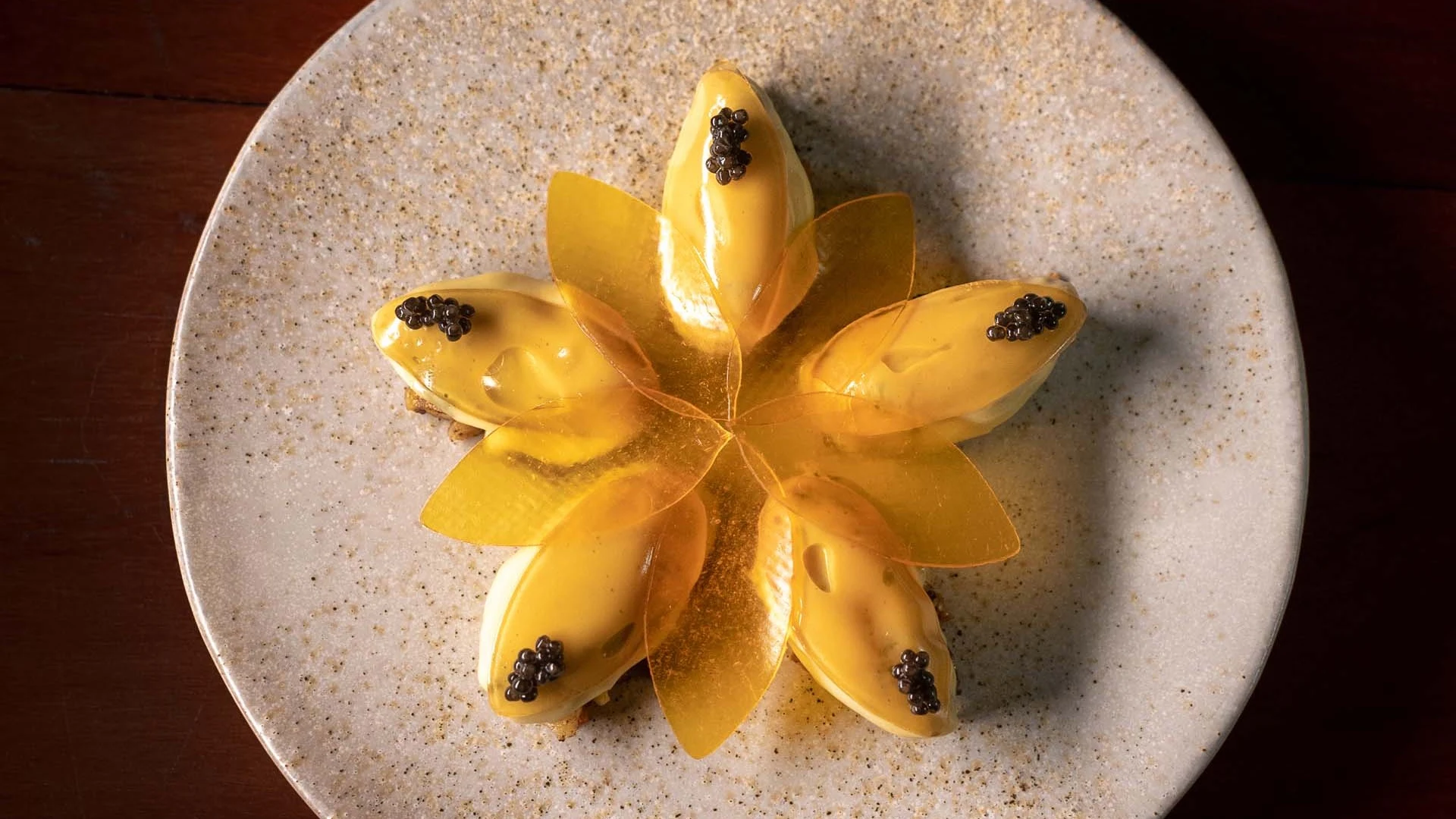
Most documented dish on the current record is The Lost Recipe, described as a 200-year-old variation of tom yum with balanced flavours. In the context of Thai fine dining, the recovery and recontextualisation of historical recipes has become a genuine curatorial practice rather than a marketing gesture. R-Haan in Bangkok has built much of its reputation on exactly this kind of archival approach to royal Thai cuisine. At Chim, the inclusion of a recipe that predates modern Thai culinary standardisation by two centuries signals where the kitchen's priorities sit: the menu is a position on Thai food history as much as it is a sequence of courses.
The Bangkok Connection and What It Means for KL Diners
This kitchen has a direct operational link to Bangkok, which carries weight in evaluating what Chim offers in Kuala Lumpur. The Thai contemporary fine-dining scene in Bangkok is among the most developed in Southeast Asia, with multiple Michelin-recognised restaurants working at a level of technical and conceptual sophistication that has shifted regional expectations. Chef Noom's presence in both cities means the KL kitchen is not a satellite interpretation of Bangkok ideas, it is run by the same person with the same sourcing and culinary framework applied to a different urban market.
For Kuala Lumpur diners assessing the city's broader tasting-menu options, the Bangkok lineage also provides a useful calibration. The city already has strong representation in Malaysian-rooted contemporary cooking (Dewakan, Beta), French contemporary (DC. by Darren Chin), and cross-cultural innovative formats (Molina, Ling Long). Chim occupies a gap: formal Thai tasting-menu cooking from a practitioner with an active stake in Bangkok's most competitive tier. That is a different offer from what most Kuala Lumpur kitchens are making.
Planning a Visit
Chim By Chef Noom is located at L2-03, TSLAW Tower, 39, Jalan Kamuning, Imbi. The Imbi area sits centrally in Kuala Lumpur, accessible from Bukit Bintang without significant travel time. Advance booking is advisable; this is not a walk-in venue by format or by demand. The $$$$-tier price point aligns with peer restaurants across the city's Michelin-recognised and upper fine-dining set. Menus rotate seasonally, so the specific courses available on any given visit will reflect the current cycle rather than a fixed permanent offering.
For those travelling more widely across Malaysia, Auntie Gaik Lean's Old School Eatery in George Town, Bee See Heong in Seberang Perai, and The Planters at The Danna in Langkawi represent strong regional alternatives across very different price points and formats.
Questions
Frequently asked
What recognition does Chim By Chef Noom hold?
Chim By Chef Noom holds 1 Michelin star.
Who works at Chim By Chef Noom?
Made By profiles Chef Willy (Chef) at Chim By Chef Noom.
How expensive is Chim By Chef Noom?
Chim By Chef Noom is listed at a price level of $$$$.
Where is Chim By Chef Noom and what does it serve?
Chim By Chef Noom is in Kampong Dollah, Kuala Lumpur, serving Modern Thai Fine Dining.
The field
How it compares
| Place | Awards | Cuisine | Notes |
|---|---|---|---|
| Chim By Chef Noom | Michelin 1 Star | Modern Thai Fine Dining | Kampong Dollah, $$$$ |
| Beta | Michelin 1 Star | Modern Malaysian Fine Dining | Kuala Lumpur |
| Dewakan | Michelin 2 Stars, World's 50 Best | Modern Malaysian Fine Dining | Kuala Lumpur |
| Hide | · | Modern Global Tasting Menu with Malaysian Heritage | Kuala Lumpur |
| Nadodi | · | Modern South Indian & Sri Lankan Fine Dining | Kuala Lumpur |
| Sin Kiew Yee Shin Kee Beef Noodles | · | Hakka Beef Noodles | Kuala Lumpur |
| Wong Mei Kee | · | Cantonese Roast Meats | Kuala Lumpur |
In residence
Similar places
Modern Malaysian Fine Dining
Beta
Kuala Lumpur, Malaysia
★
Modern Malaysian Fine Dining
Dewakan
Kuala Lumpur, Malaysia
★★ · 50 Best
Modern Global Tasting Menu with Malaysian Heritage
Hide
Kuala Lumpur, Malaysia
Modern South Indian & Sri Lankan Fine Dining
Nadodi
Kuala Lumpur, Malaysia
Hakka Beef Noodles
Sin Kiew Yee Shin Kee Beef Noodles
Kuala Lumpur, Malaysia
Cantonese Roast Meats
Wong Mei Kee
Kuala Lumpur, Malaysia