A16

In Residence
Oceano Ordoñez
Sommelier
- 01CuisineNeapolitan Pizza & Southern Italian
- 02CitySan Francisco, United States
- Michelin Bib Gourmand · Michelin Guide
- Wine Spectator · Tier 2
- Michelin Bib Gourmand · 2026
- Wine Spectator Best of Award of Excellence · 2026
- Star Wine List · 2026
- Michelin Bib Gourmand · 2025
- Michelin Bib Gourmand · 2024
- Opinionated About Dining Casual in North America Ranked #793 · 2024
- James Beard Award Outstanding Wine Program · 2015
- James Beard Award Rising Star Chef of the Year · 2009
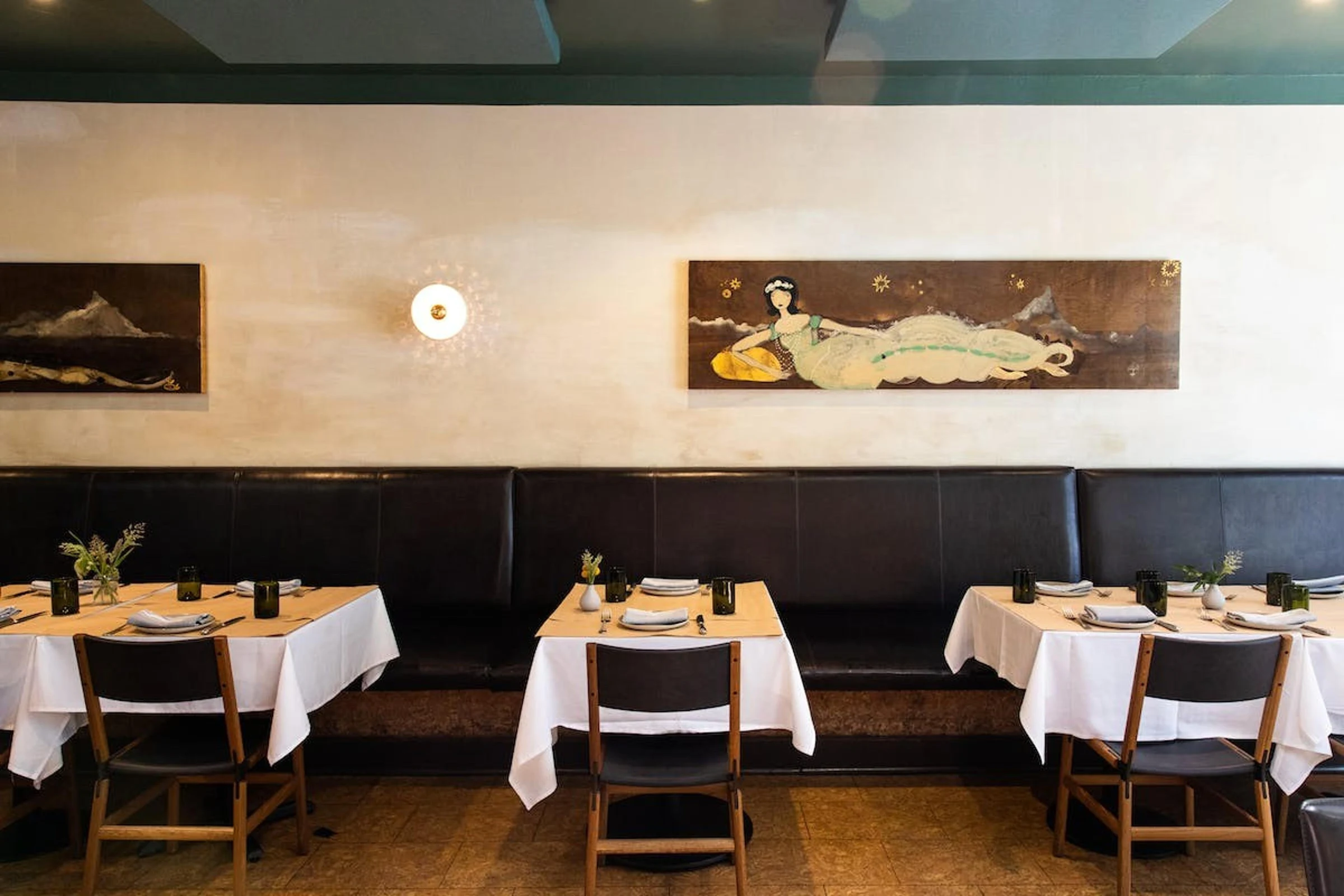
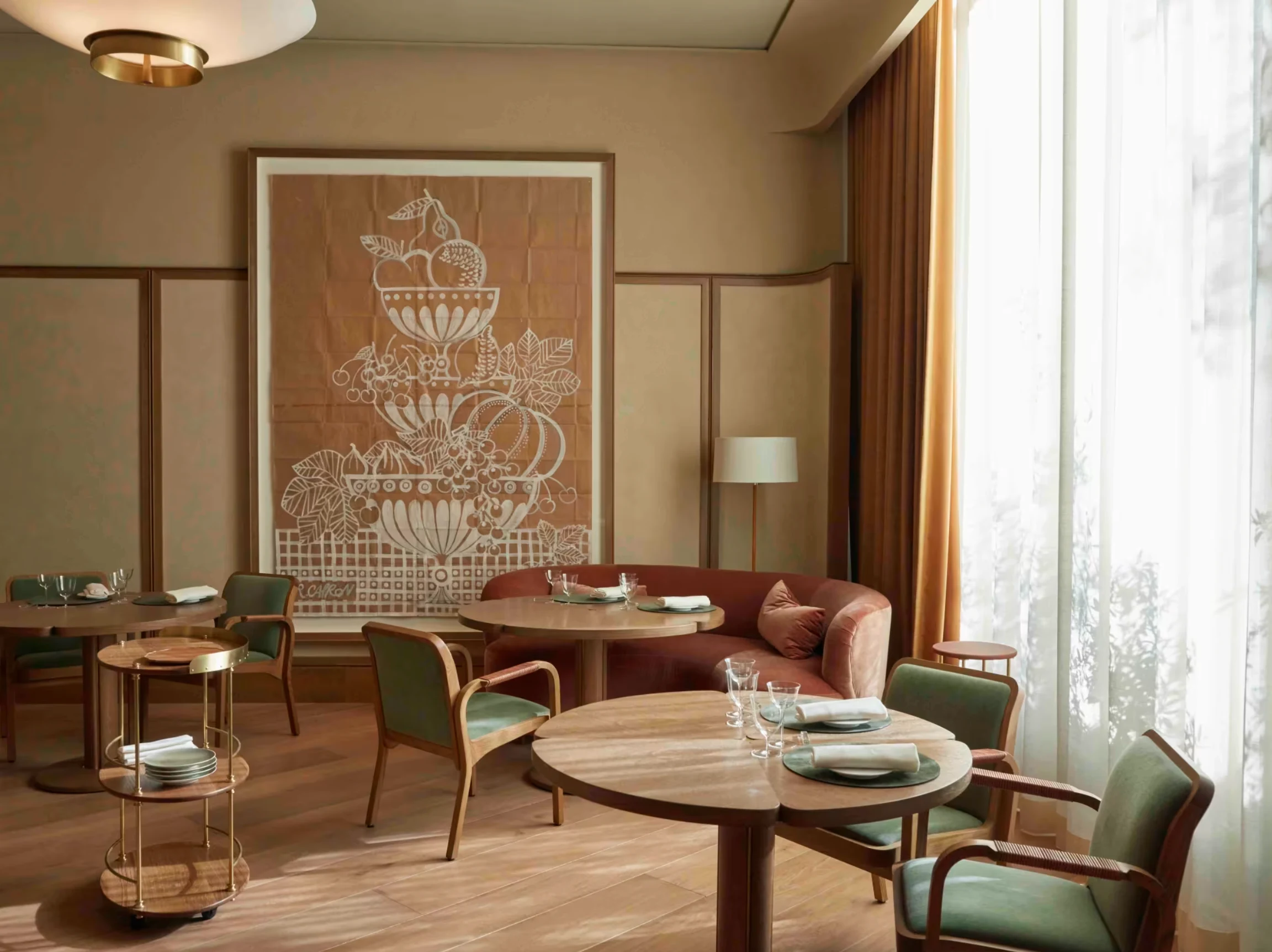
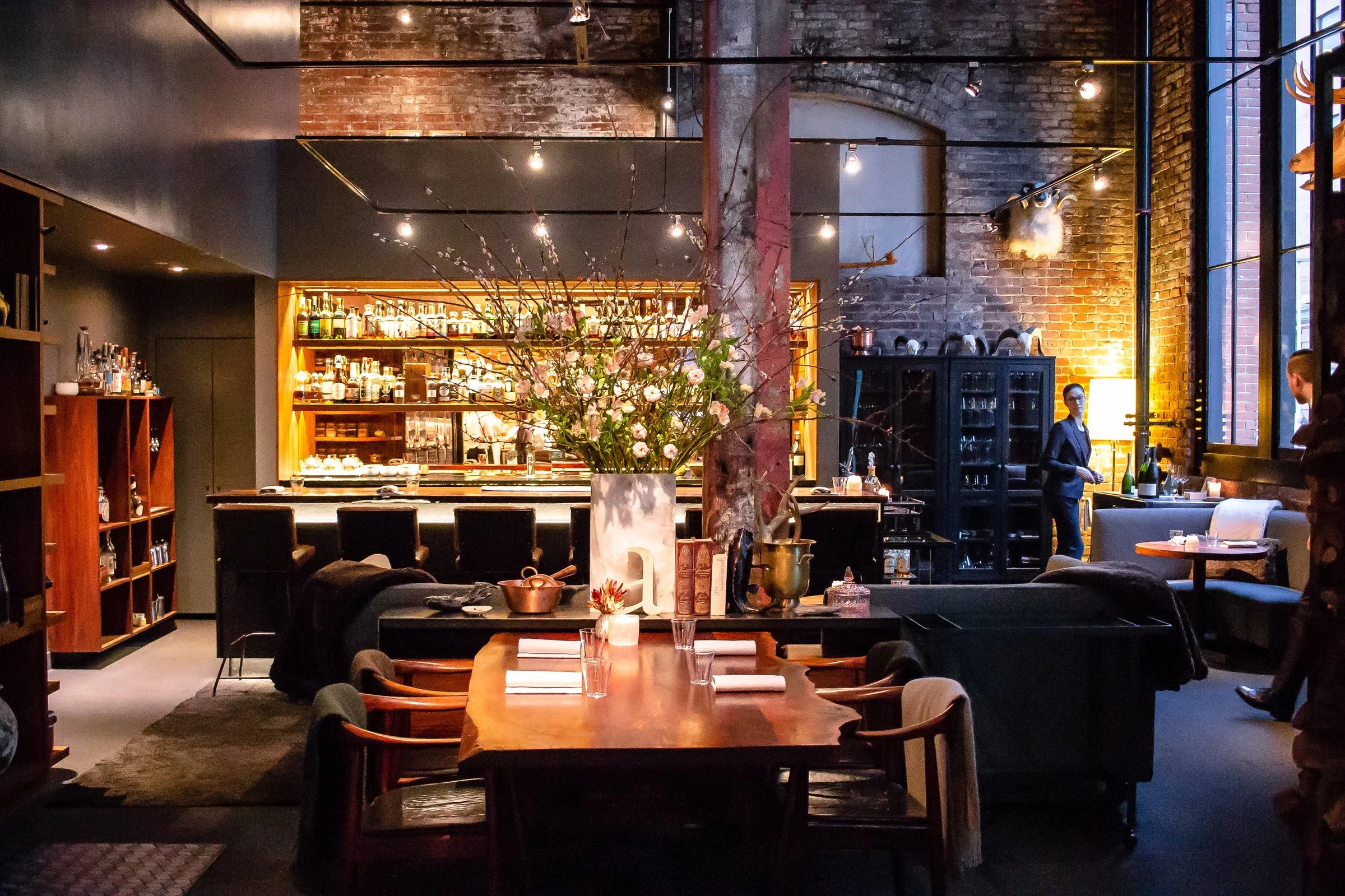
Chestnut Street in the Marina has never been San Francisco's flashiest dining corridor, which is precisely why A16 works so well here. The room reads as a neighborhood Italian spot at first glance: warm light, close tables, the low hum of a full house on a weeknight. But the wine list on the table and the cooking coming out of the kitchen belong to a different register entirely. This is Southern Italian food treated as a serious culinary tradition, not a casual shorthand for pizza and pasta.
The Southern Italian Frame
Most Italian restaurants in American cities default to a broadly northern or central Italian canon, leaning on Emilia-Romagna's egg pastas or Tuscany's bistecca. A16 has always operated from a different geographic premise: the food and wine of Campania, Basilicata, Calabria, and Sicily. That framing matters because Southern Italian cooking has its own internal logic, shaped by harder terrain, older wheat varieties, and a wine culture built around grapes like Aglianico, Fiano, and Greco di Tufo rather than Sangiovese or Nebbiolo. The restaurant's wine program, which earned a James Beard Award, has consistently championed that southern Italian canon at a time when Campanian producers were still largely unknown to American audiences. It remains one of the more coherent regional wine programs in the city.
The Sunday letter
Find new places through the people who run them.
Our Sunday email brings you the chefs, winemakers and hoteliers behind our newest stories. See a sample before you subscribe.
See a sample of the Sunday emailOne email a week. Unsubscribe from any issue.
Pasta as the Governing Argument
The pasta tradition of Southern Italy is distinct in ways that matter at the plate. Where northern Italy built its pasta identity around egg-enriched doughs and filled shapes, the south works predominantly with semolina and water: firmer, more resilient doughs that hold up to assertive sauces and longer cooking. Orecchiette, fusilli, spaghetti alla chitarra, rigatoni with 'nduja or broccoli rabe: these are shapes and combinations with deep roots in the regions A16 draws from. The technique is not about delicacy but about structure and absorption, pasta that carries sauce rather than swimming in it. For a city like San Francisco, where the Italian restaurant conversation has often been dominated by either the red-sauce American-Italian tradition or the high-end Michelin bracket occupied by Quince, A16 occupies a different and genuinely useful position: regional specificity at a price that doesn't require a special occasion.
Chef Yosuke Machida leads the kitchen, and the presence of a Japanese-trained chef at the helm of a Southern Italian program is less unusual in contemporary San Francisco than it might sound. The city's restaurant culture has long absorbed cross-cultural technical rigor without treating it as novelty. What matters at A16 is not the chef's biography but the consistency of the output: pasta that reads as disciplined rather than improvisational, and a kitchen that understands the restraint that defines the best of the southern Italian tradition.
Where A16 Sits in the City's Italian Scene
San Francisco's Italian restaurant tier has fractured in interesting ways. At the leading end, Quince holds three Michelin stars and operates in a register closer to contemporary fine dining than to any regional Italian tradition. A16 sits well below that price point, carrying a Michelin Bib Gourmand in both 2024 and 2025, which is the guide's signal for quality cooking at moderate prices. That consecutive recognition matters: it's not a one-year anomaly but a sustained assessment. The Opinionated About Dining ranking at #793 in North America for 2024 places it inside a large competitive field but confirms it as a named, considered entry in a demanding critical framework.
The $$ price tier positions A16 against the Marina's neighborhood competition, but its actual comparable set in terms of food seriousness is different: restaurants where a wine list has intellectual coherence, where pasta technique is deliberate, and where the kitchen has a clear regional point of view. That peer group is smaller than it looks on a map.
The Wine Program as a Separate Argument
The James Beard Award for the wine list is not incidental. James Beard wine recognition at the national level signals a program that has been assessed against the full range of American restaurant wine programs, not just the local field. Southern Italian grapes, for most of A16's existence, required a kind of evangelism: explaining Fiano di Avellino to a table that wanted Chardonnay, or making the case for Aglianico when the room was ordering Cabernet. That the program has earned sustained recognition suggests it managed that translation without becoming academic. A wine list that wins awards but doesn't move bottles is not a successful wine list; A16's continued operation and audience suggest the program actually functions in service of the food and the guest.
For readers building a San Francisco itinerary that covers the full range of the city's dining, A16 connects naturally to a broader picture. The city's upper tier, from Atelier Crenn to Benu to Lazy Bear and Saison, operates in a $$$$ bracket with tasting menus and months-long waitlists. A16 answers a different need: a dinner with genuine critical standing, a wine list with a clear argument, and a bill that doesn't require advance financial planning.
Planning a Visit
A16 operates from 5 pm on weeknights, with lunch service added on Friday, Saturday, and Sunday from noon onward. Weekend dinner runs to 9:30 pm; Sunday service closes at 9 pm. The Marina District address on Chestnut Street puts it within the neighborhood's walkable dining strip. A Google rating of 4.2 across more than 1,300 reviews reflects a consistent audience, not just a critical one. Given the Bib Gourmand recognition and the size of that review base, tables on weekend evenings book ahead; weeknight slots tend to be more available. For a broader picture of what the city offers across categories, see our full San Francisco restaurants guide, alongside our San Francisco hotels guide, bars guide, wineries guide, and experiences guide.
For context on how Southern Italian wine programs translate across regions, Le Bernardin in New York and Alinea in Chicago represent how award-winning wine programs operate at the tasting-menu tier. Closer to A16's own geography, Single Thread Farm in Healdsburg and The French Laundry in Napa illustrate the California fine dining ceiling. Further afield, Providence in Los Angeles, Emeril's in New Orleans, Atomix in New York, and 8 1/2 Otto e Mezzo Bombana in Hong Kong each represent how Italian and adjacent traditions operate at the upper end of their respective markets.
Questions
Frequently asked
What recognition does A16 hold?
A16 holds a Michelin Bib Gourmand.
Who works at A16?
Made By profiles Oceano Ordoñez (Sommelier & Wine Program Leader) and Yosuke Machida (Chef) at A16.
How expensive is A16?
A16 is listed at a price level of $$$.
Where is A16 and what does it serve?
A16 is in Marina, San Francisco, serving Neapolitan Pizza & Southern Italian.
The field
How it compares
| Place | Cuisine | Notes | Awards |
|---|---|---|---|
| A16 | Neapolitan Pizza & Southern Italian | Marina, $$$ | · |
| Atelier Crenn | Contemporary French Fine Dining | San Francisco | Michelin 3 Stars, World's 50 Best |
| Benu | Modern Asian Fusion Fine Dining | San Francisco | Michelin 3 Stars, World's 50 Best |
| Lazy Bear | Modern American Tasting Menu | San Francisco | Michelin 2 Stars, World's 50 Best |
| Quince | Modern French Fine Dining | San Francisco | Michelin 3 Stars, World's 50 Best |
| Saison | Modern Fire-Forward Fine Dining | San Francisco | Michelin 2 Stars, World's 50 Best |
| Sons & Daughters | New Nordic Fine Dining | San Francisco | Michelin 2 Stars, World's 50 Best |
In residence

Similar places
Contemporary French Fine Dining
Atelier Crenn
San Francisco, United States
★★★ · 50 Best
Modern Asian Fusion Fine Dining
Benu
San Francisco, United States
★★★ · 50 Best
Modern American Tasting Menu
Lazy Bear
San Francisco, United States
★★ · 50 Best
Modern French Fine Dining
Quince
San Francisco, United States
★★★ · 50 Best
Modern Fire-Forward Fine Dining
Saison
San Francisco, United States
★★ · 50 Best
New Nordic Fine Dining
Sons & Daughters
San Francisco, United States
★★ · 50 Best
The Sunday letter
Get the next Made By story in your inbox.
We send one email every Sunday morning with the places and people we covered that week.
See a sample of the Sunday emailOne email a week. Unsubscribe from any issue.