- Opinionated About Dining Top Restaurants in Japan Recommended · 2026
- Tabelog Bronze #115: 4.3pts · 2026
- Tabelog 100 #94: 4.3pts · 2026
- Opinionated About Dining Top Restaurants in Japan Ranked #352 · 2025
- Tabelog Bronze · 2025
- Opinionated About Dining Top Restaurants in Japan Ranked #420 · 2024
- Opinionated About Dining Top Restaurants in Japan Recommended · 2023
Fushimimachi and the Case for Chinese Fine Dining in Osaka
Osaka's Chuo Ward has long functioned as a serious dining district. Fushimimachi, the specific block where 中国菜 火ノ鳥 operates, sits within a corridor that houses some of the region's most credentialed Japanese and European tables. The decision to run a Chinese restaurant in this address is a notable statement about how the market is being read. In a city where kaiseki traditions run deep and where French technique has found persistent local footing, Chinese fine dining occupies a smaller but increasingly deliberate niche.
That niche has been expanding across Japan's major cities. Osaka, unlike Tokyo, has historically let Chinese cuisine occupy a more casual register, with the Namba and Shinsekai districts providing volume-oriented Chinese food rather than precision-driven tasting formats. The move toward formal Chinese dining in high-rent Chuo addresses represents a structural shift, one that mirrors what has happened in Hong Kong's hotel dining rooms and in the premium Chinese restaurants that have reshaped London and New York's upper tier. Le Bernardin in New York City offers a useful comparative lens: the idea that a cuisine historically associated with casual formats can anchor itself in a fine-dining framework through technique, sourcing discipline, and room design.
The Room and What It Signals
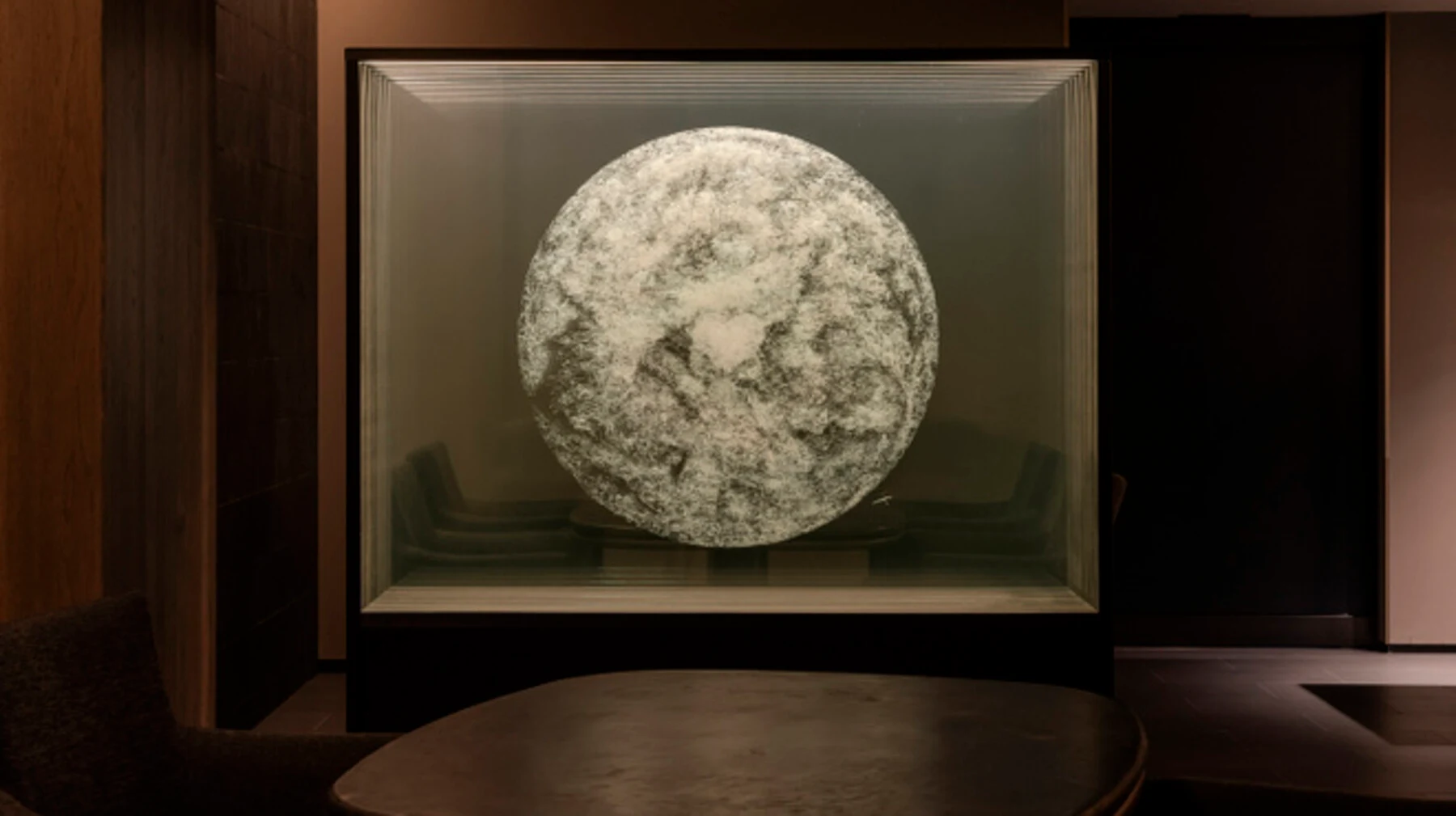
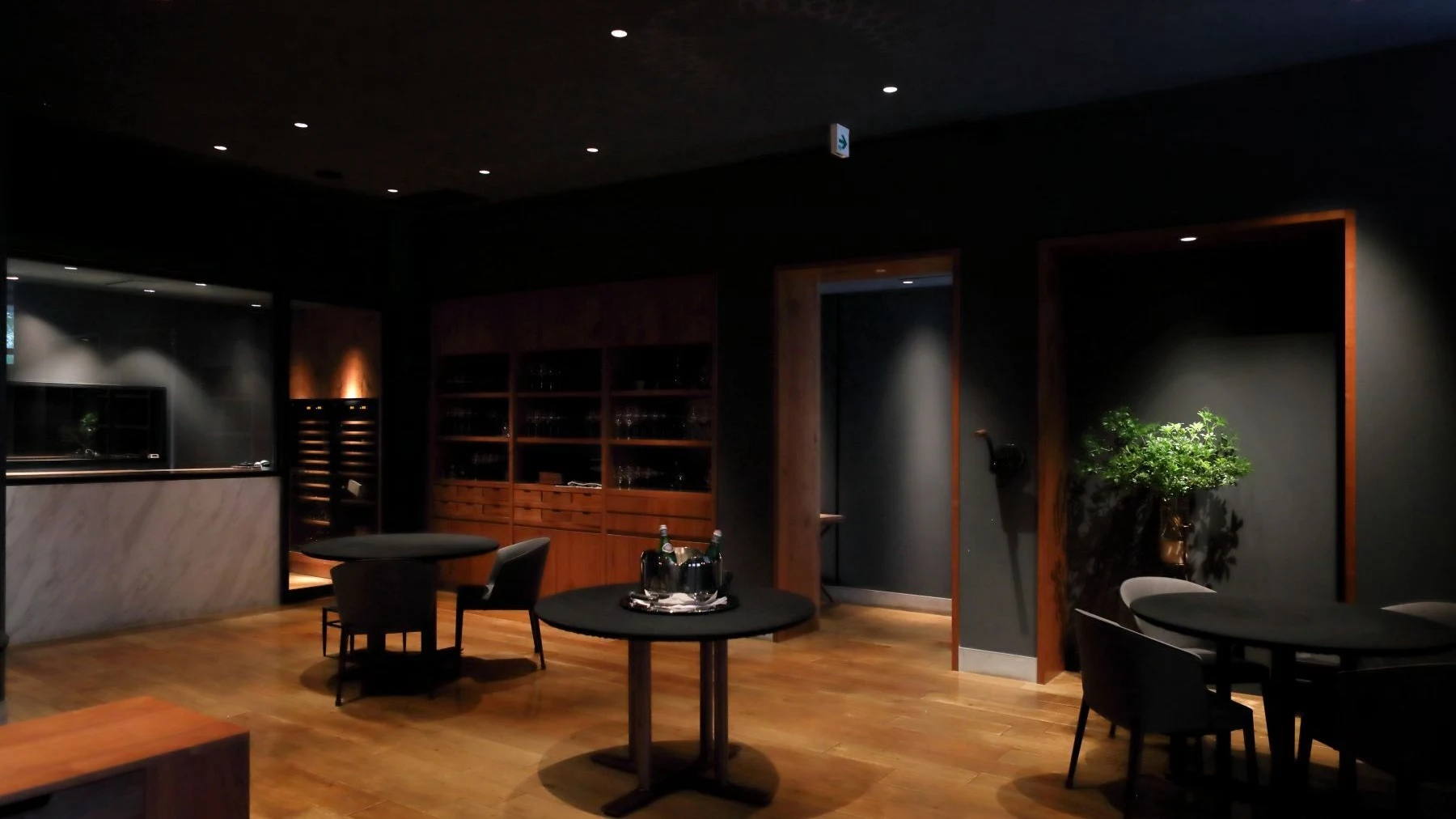
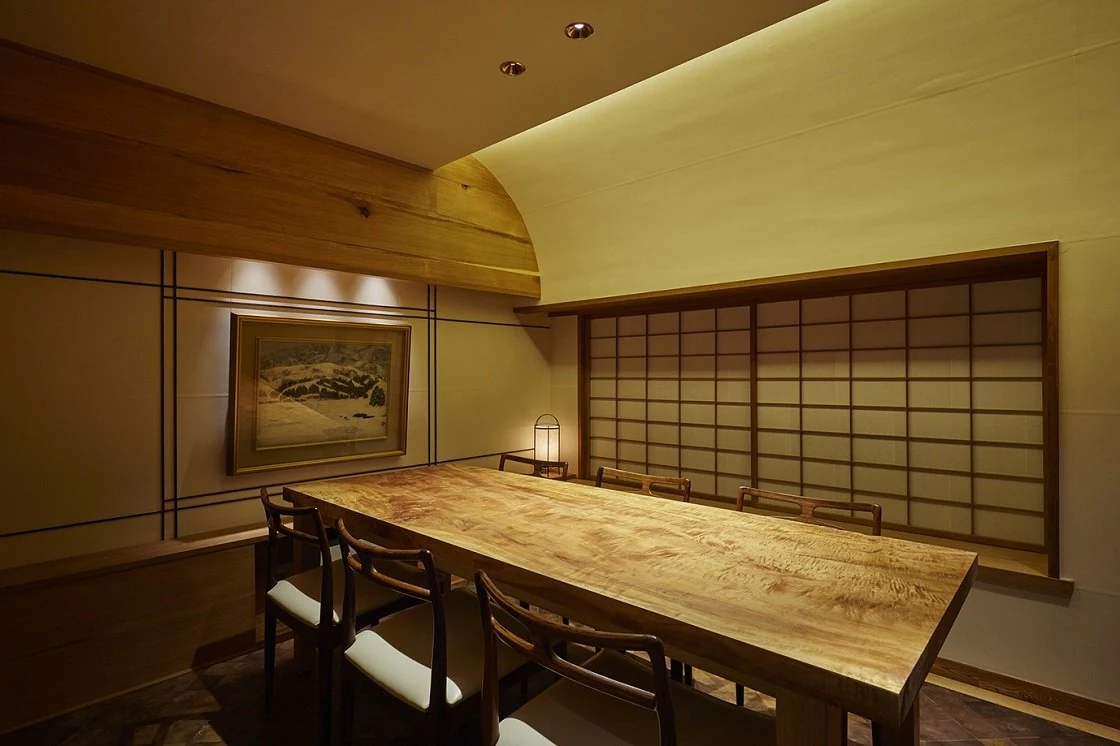
The address, 2 Chome-4-9 Fushimimachi, places the restaurant within walking distance of Osaka's financial and civic core. The surrounding streetscape is formal, low-rise by Tokyo standards, and built on a grid that feels more deliberate than most Osaka neighbourhoods. Entering a Chinese restaurant in this context produces a specific kind of cognitive friction, one that premium Chinese operators have learned to use productively. The expectation gap between the exterior formality of the district and the warmth that characterises good Chinese hospitality can create a strong arrival experience without theatrical staging.
Fine Chinese dining rooms in Japan have generally moved away from the red-and-gold vocabulary of an earlier generation. The better operators have adopted materials and lighting approaches more associated with contemporary Japanese interior design, producing spaces that feel rooted in their city rather than transplanted from another. The Fushimimachi address makes that assumption reasonable.
Reading the Wine Question Through a Chinese Dining Lens
The wine program matters most for this restaurant. Chinese cuisine and wine have had a complicated relationship in Japan. The default pairing at most Chinese tables remains Chinese spirits, beer, or oolong tea, and the sommelier culture that animates, say, a top-tier French table in Osaka has been slower to migrate to Chinese dining rooms.
That is changing. Restaurants operating at the premium end of Chinese cuisine in Japan have begun to build wine lists with real depth, particularly in Burgundy and Alsace, where aromatic whites and earthy reds match the fat and spice registers of Cantonese and Sichuan cooking more naturally than Bordeaux-weight reds. The broader category question for a restaurant like 中国菜 火ノ鳥 is whether its list treats wine as an afterthought, a revenue line, or a genuine extension of the kitchen's ambition. In Osaka's most credentialed dining rooms, including Ajikitcho Bunbuan and HAJIME in Osaka, the cellar program is treated as inseparable from the food program. A Chinese restaurant at this address would be measured by similar standards.
The wine-and-Chinese-food pairing conversation in Japan is also informed by the growing influence of regional Chinese cooking traditions that move away from heavy saucing. Lighter preparations, roasted proteins, and fermented condiment profiles open space for more precise wine choices. A sommelier working in a fine Chinese context has a genuinely interesting curatorial challenge: building a list that works across a menu that might span Cantonese steamed fish, Peking-style duck, and Sichuan cold dishes, each demanding different structural responses from the glass.
For comparison, the approach taken at Atomix in New York City in pairing wine with Korean cuisine demonstrates that the gap between Western wine culture and East Asian cooking is navigable when the program is built with enough category knowledge and sourcing discipline. The same logic applies to premium Chinese dining.
Osaka's Chinese Dining Scene in Context
Understanding 中国菜 火ノ鳥 requires understanding where Osaka's Chinese dining has come from. The city's historical Chinese community concentrated in areas like Nankinmachi (Osaka's Chinatown) produced a restaurant culture oriented around accessibility and volume rather than exclusivity. The emergence of Chinese restaurants in Chuo's premium corridor represents a generational and categorical departure from that model.
Peer context from other Japanese cities is instructive. In Tokyo, Chinese fine dining has produced several operations that compete directly with French and Japanese rooms at the top of the market. In Kyoto, where Gion Sasaki exemplifies the precision standards applied to Japanese cuisine, the pressure on any premium non-Japanese restaurant to match those standards is significant. Osaka sits between these two cities in terms of dining culture: more experimental than Kyoto, more grounded and less fashion-driven than Tokyo. For a Chinese fine-dining operation, that positioning offers both freedom and a demanding set of local benchmarks.
Other Osaka tables that help map the competitive field include Aka to Shiro, Calendrier, and Az. Each operates with a distinct culinary identity but shares a commitment to the kind of deliberate, precision-oriented dining that Fushimimachi guests have come to expect. Ajihei Sonezaki adds further context on how Osaka's Chuo district rewards restaurants that take their format seriously.
Know Before You Go
Know Before You Go
- Address: 2 Chome-4-9 Fushimimachi, Chuo Ward, Osaka, 541-0044, Japan
- Cuisine: Chinese fine dining (中国菜)
- District: Fushimimachi, Chuo Ward, Osaka's primary premium dining corridor
- Booking: Reservations are essential
- Price: About US$100 per person
- Nearby reference points: Ajikitcho Bunbuan, HAJIME, Calendrier
The Sunday letter
Get new places like 中国菜 火ノ鳥 every Sunday.
One email a week with the restaurants, bars and hotels we have just written up, and the people who run them.
One email a week. Unsubscribe from any issue.
Questions
Frequently asked
Who works at 中国菜 火ノ鳥?
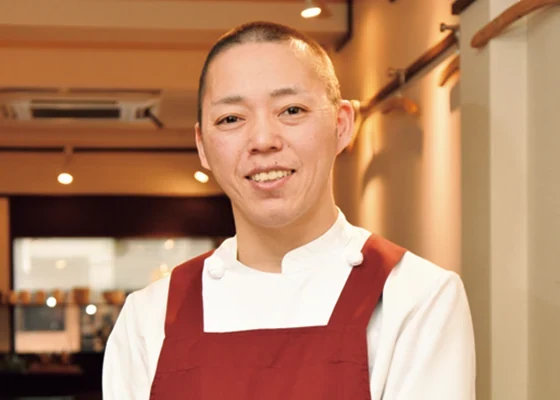
Made By profiles Kiyohiko Inoue (Chef) at 中国菜 火ノ鳥.
How expensive is 中国菜 火ノ鳥?
中国菜 火ノ鳥 is listed at a price level of $$$.
Where is 中国菜 火ノ鳥 and what does it serve?
中国菜 火ノ鳥 is in Chūō, Osaka, serving Classical Chinese Fine Dining.
The field
How it compares
| Place | Cuisine | Notes | Awards |
|---|---|---|---|
| 中国菜 火ノ鳥 | Classical Chinese Fine Dining | Chūō, $$$ | · |
| HAJIME | Avant-Garde Japanese Fine Dining | Osaka | Michelin 3 Stars, World's 50 Best |
| Honkogetsu | Traditional Kaiseki | Osaka | · |
| La Cime | Modern French with Japanese Ingredients | Osaka | Michelin 2 Stars, World's 50 Best |
| Numata | Michelin-Starred Tempura Omakase | Osaka | Michelin 2 Stars |
| Sushi Sanshin | Edomae Omakase Sushi | Osaka | Michelin 1 Star |
| Taian | Traditional Japanese Kaiseki Omakase | Osaka | Michelin 3 Stars |
In residence
Similar places
Avant-Garde Japanese Fine Dining
HAJIME
Osaka, Japan
★★★ · 50 Best
Traditional Kaiseki
Honkogetsu
Osaka, Japan
Modern French with Japanese Ingredients
La Cime
Osaka, Japan
★★ · 50 Best
Michelin-Starred Tempura Omakase
Numata
Osaka, Japan
★★
Edomae Omakase Sushi
Sushi Sanshin
Osaka, Japan
★
Traditional Japanese Kaiseki Omakase
Taian
Osaka, Japan
★★★
The Sunday letter
Get the next Made By story in your inbox.
We send one email every Sunday morning with the places and people we covered that week.
One email a week. Unsubscribe from any issue.