Baga shaped in old toneis
- Falstaff Winery - Listed · 2026
Baga at the bench since 1980
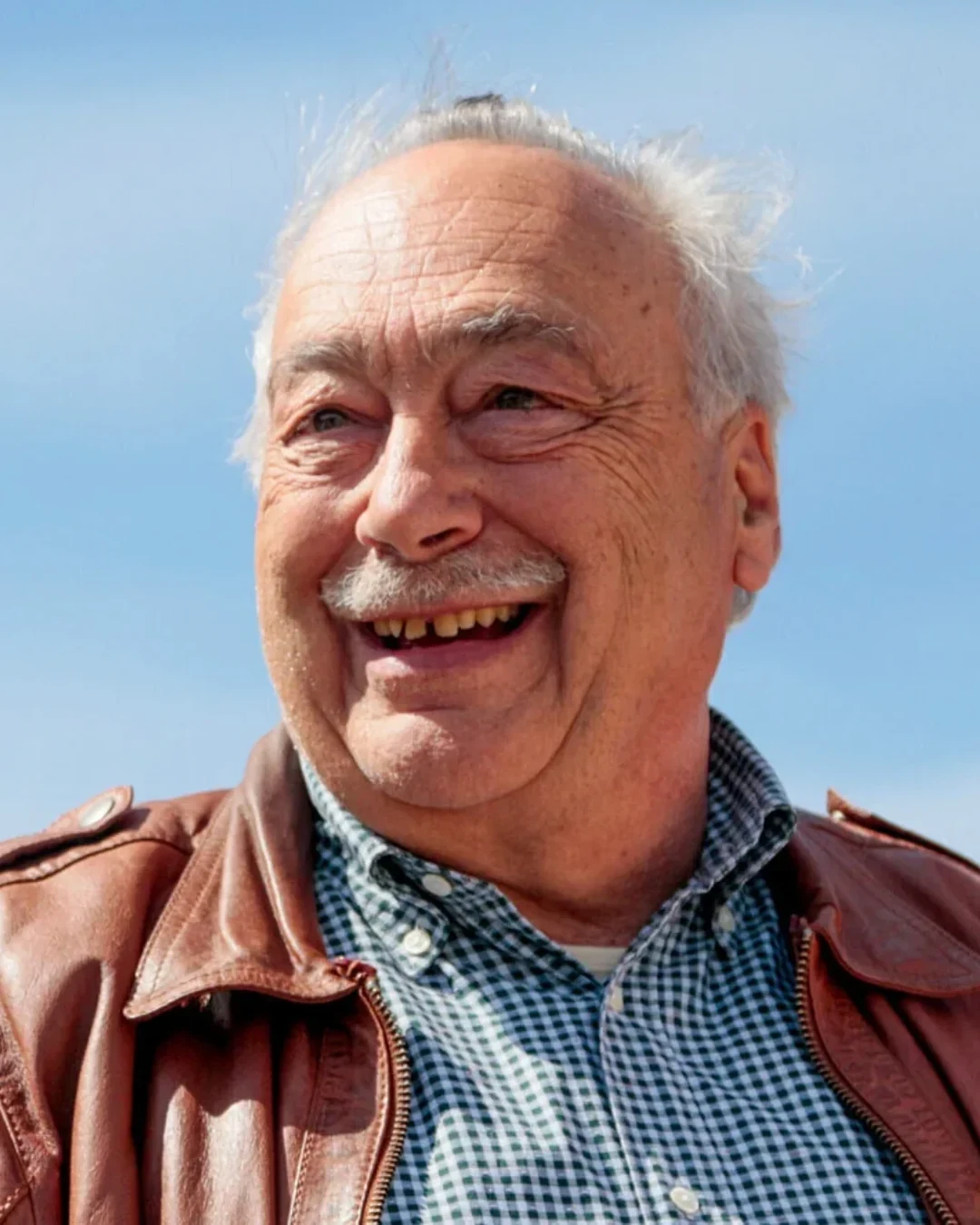
Luís Pato destems Baga to change the feel of its tannin, a cellar decision tied to his work as winemaker at Adega Luís Pato in Amoreira Da Gandara. At the family estate in Amoreira da Gândara, Luís Pato works from a line that begins at Quinta do Ribeirinho, where the Pato family has made wine since at least the 18th century. His father, João Pato, bottled wine from his own vineyards in 1970, a first for the region, and Luís made his first wine in 1980, a monovarietal Baga that set the discipline for the house.
His role here is not framed as preservation alone. The cellar keeps returning to Bairrada’s native castas, especially Baga, while allowing the method to move. Luís states the position plainly: the cellar cannot "stop in time because the world keeps turning and trends keep changing." The portfolio follows that thought through wines such as Vinha Barrosa, Vinha Pan, Quinta do Ribeirinho, Vinhas Velhas and Baga Rosé Bruto, each carrying the estate’s preference for Portuguese varieties rather than international cover.
Portuguese varieties under the hand
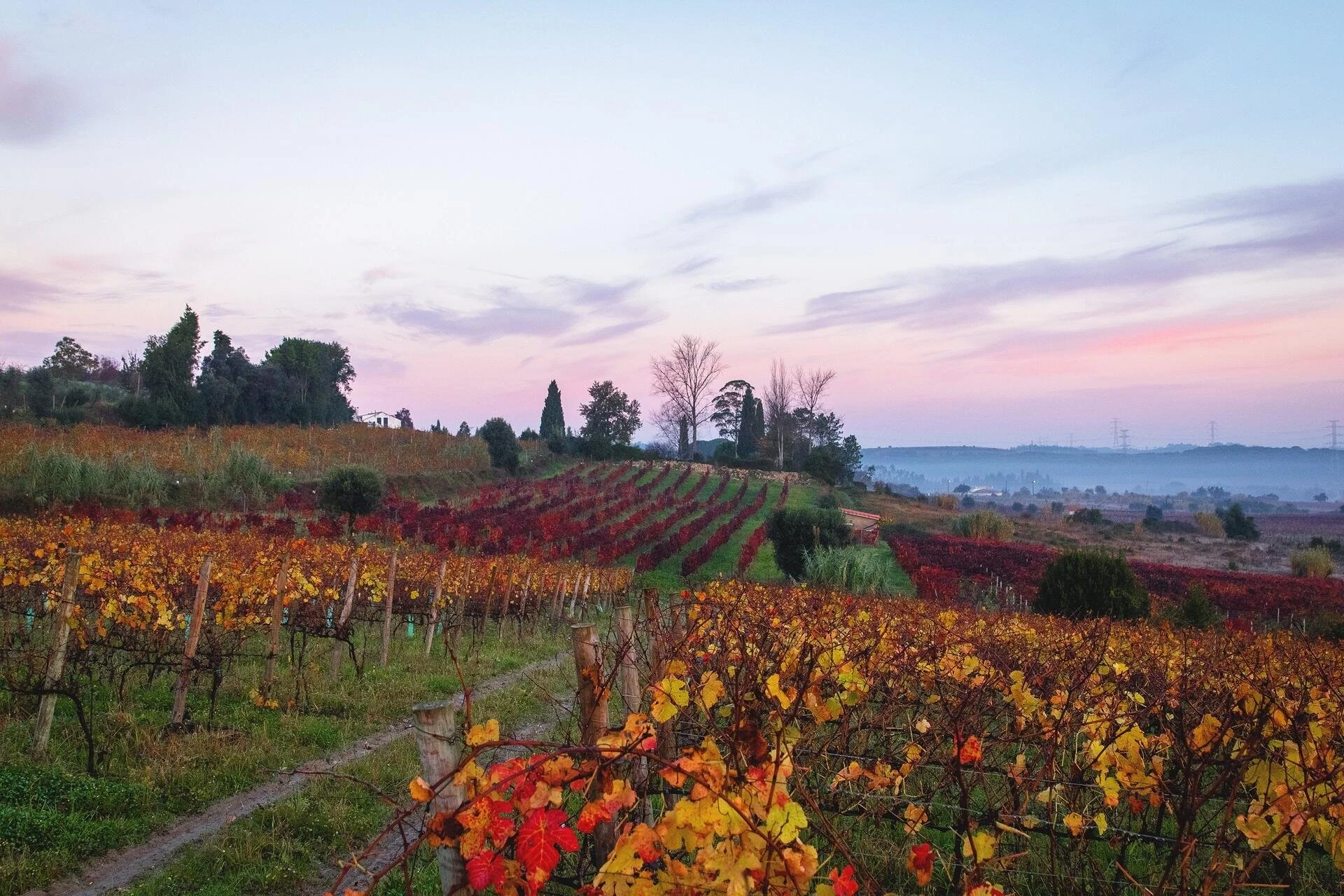
The estate works around 55–60 hectares of vineyards in Bairrada, with Baga, Touriga Nacional, Maria Gomes, Bical, Cercial and Sercialinho among the grapes named for the property. The house is associated with sustainable farming and estate-grown work, and the cellar language stays close to the fruit: natural acidity, local varieties, and wines meant to keep a clear voice from the vineyard.
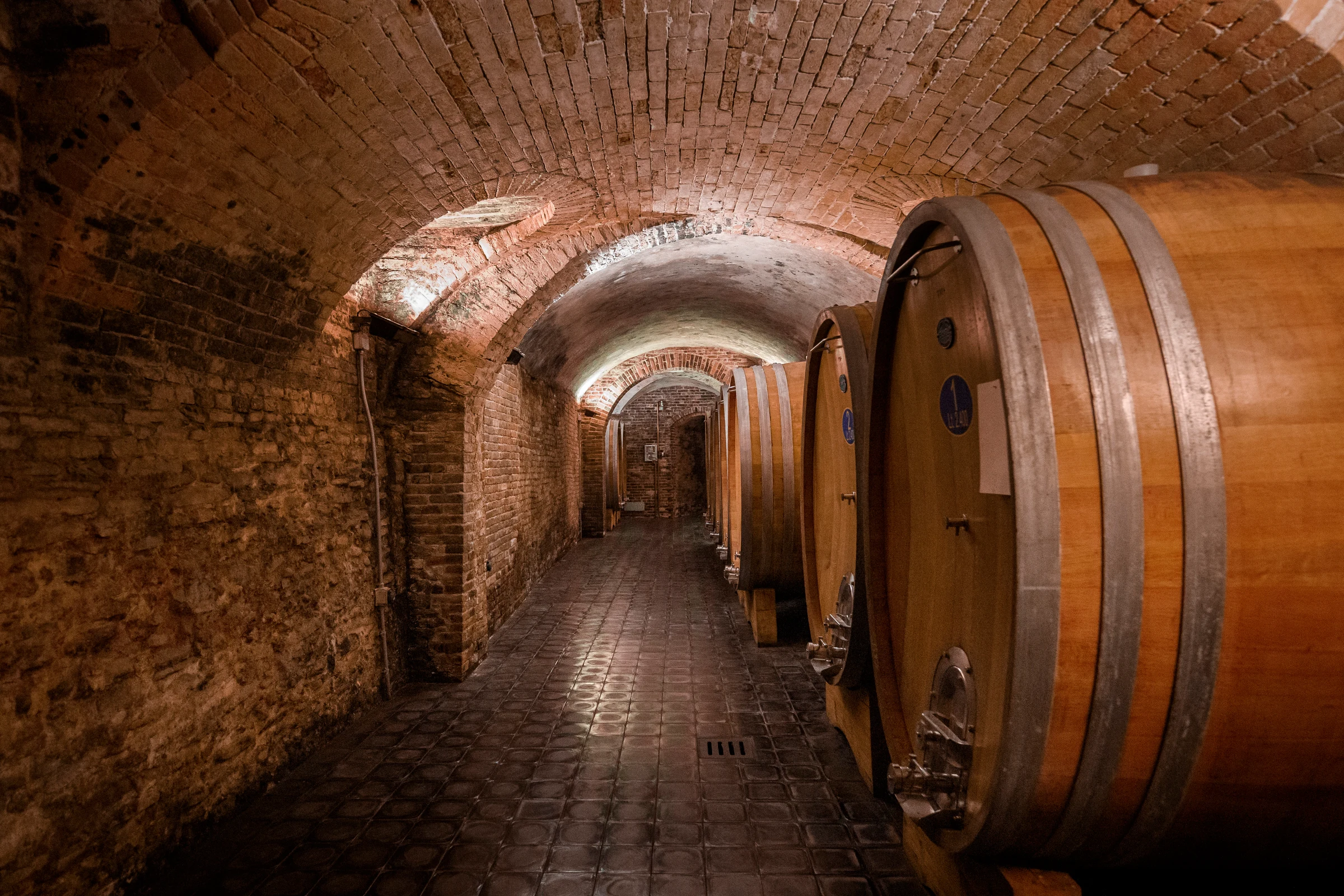
Technique matters here because Baga asks for a firm hand. Luís Pato introduced destemming and small French oak barrels to soften the grape’s tannic edge without sanding away its shape. For some wines, the pomace goes through an old basket press after fermentation, then the wine moves into old oak toneis for 18 months. That patience is different from decoration. The large casks let the grape settle into texture while leaving the line of Bairrada intact. The sparkling program also stays in the local register, including a Maria Gomes sparkling white built from 95% Maria Gomes with a small share of other varieties.
The cellar and the quiet estate
The place sits on Rua da Quinta Nova, in a rural fold of Bairrada, with vineyards around the winery, barrel rooms inside, and a tasting room shaped for explanation rather than spectacle. The cellar uses natural air conditioning to hold its temperature steady, a practical answer from a family that has learned to let the building do part of the work. The room is quiet enough for the mechanics to register: glass on table, barrel staves, the slower language of a guided tasting.
Visitors encounter the estate through vineyard and cellar walks, then seated tastings that move across red, white, rosé, sparkling and dessert wines. The wine library gives the house another register, not nostalgia, but a way to read the family’s decisions over time. In the glass, Baga from Vinha Barrosa carries both tannin and lift.
Questions
Frequently asked
Who makes the wine at Adega Luís Pato?
Luís Pato is the winemaker at Adega Luís Pato in Amoreira da Gândara. The family estate has made wine since at least the 18th century, and his father, João Pato, bottled wine from his own vineyards in 1970.
What is the estate known for?
The house is closely associated with Baga and other Bairrada varieties, including Sercialinho. Luís Pato’s first wine was a monovarietal Baga made in 1980, and the cellar works with Portuguese varieties rather than international ones.
What kind of visit does the winery offer?
Visitors can do vineyard and cellar walks followed by seated tastings. The tasting room is shaped for explanation rather than spectacle, and the estate also has a wine library.
When is Adega Luís Pato open, and should a booking be made?
The winery is open Monday to Friday from 9 AM to 12:30 PM and from 2 PM to 6 PM, and it is closed on Saturday and Sunday. Reservations are recommended.
The field
How it compares
| Place | Notes | Awards |
|---|---|---|
| Adega Luís Pato | Amoreira da Gândara, $$ | · |
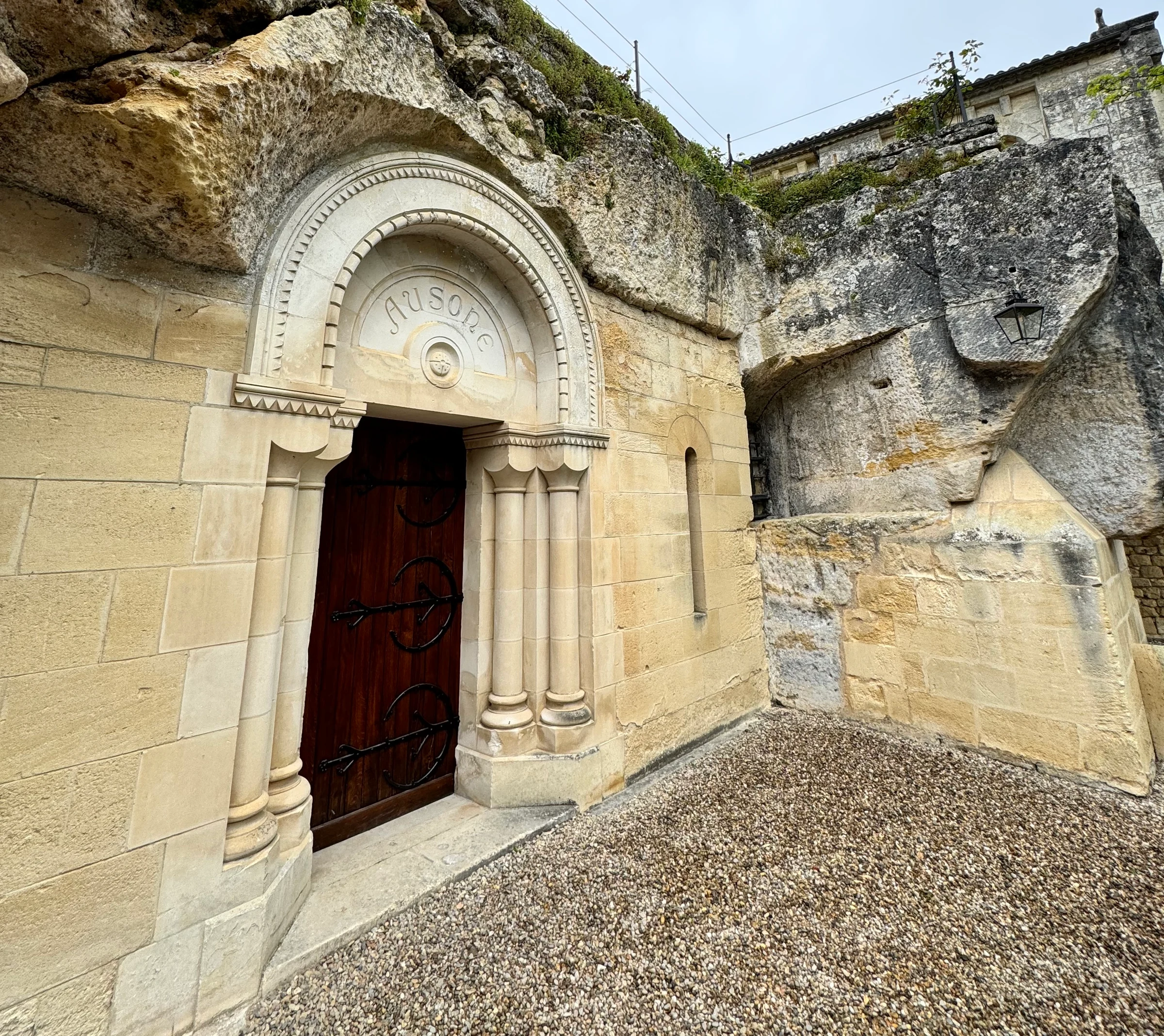
| Chateau Ausone | Saint-Émilion | · |
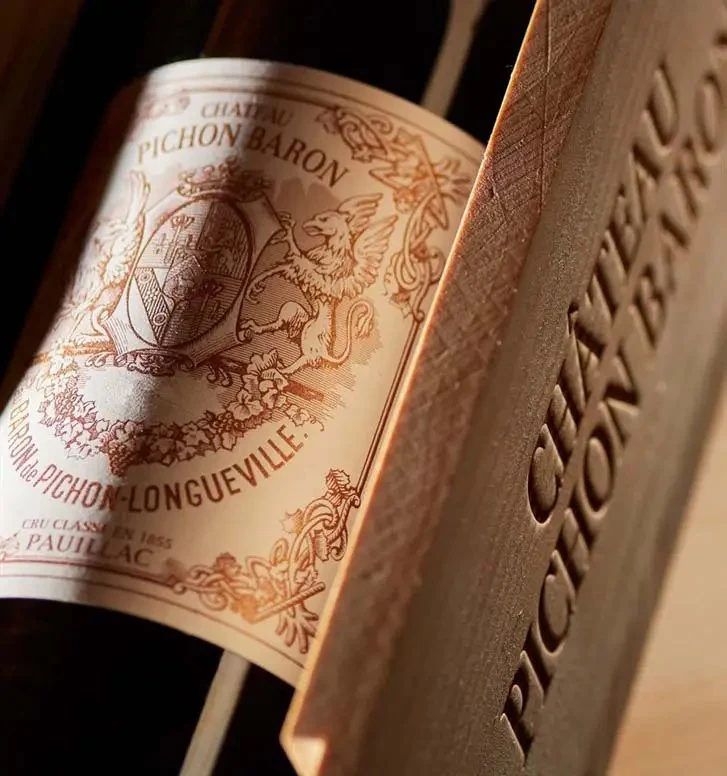
| Château Pichon Longueville Baron | Pauillac | World's 50 Best |
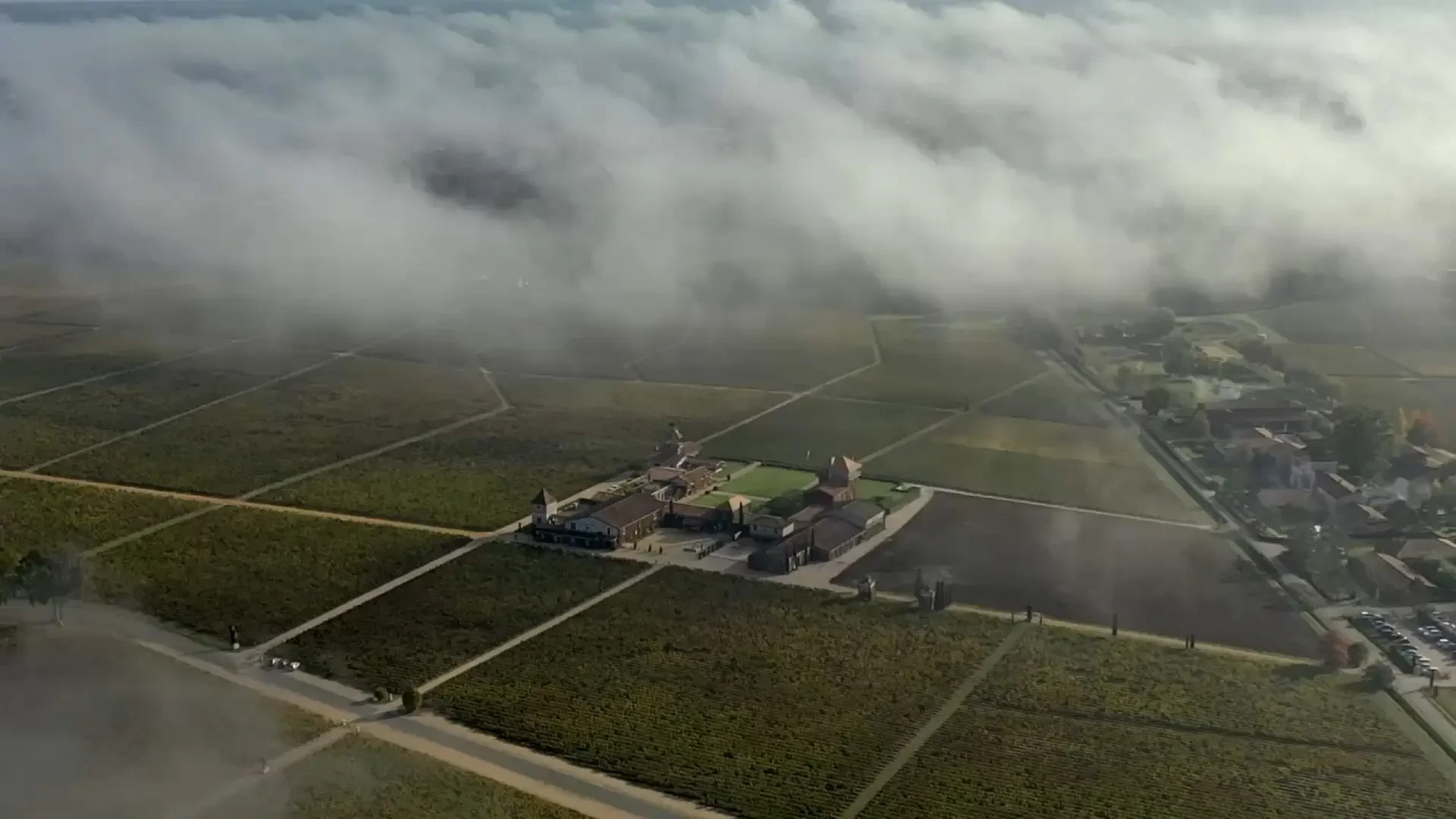
| Château Smith Haut Lafitte | Martillac | World's 50 Best |
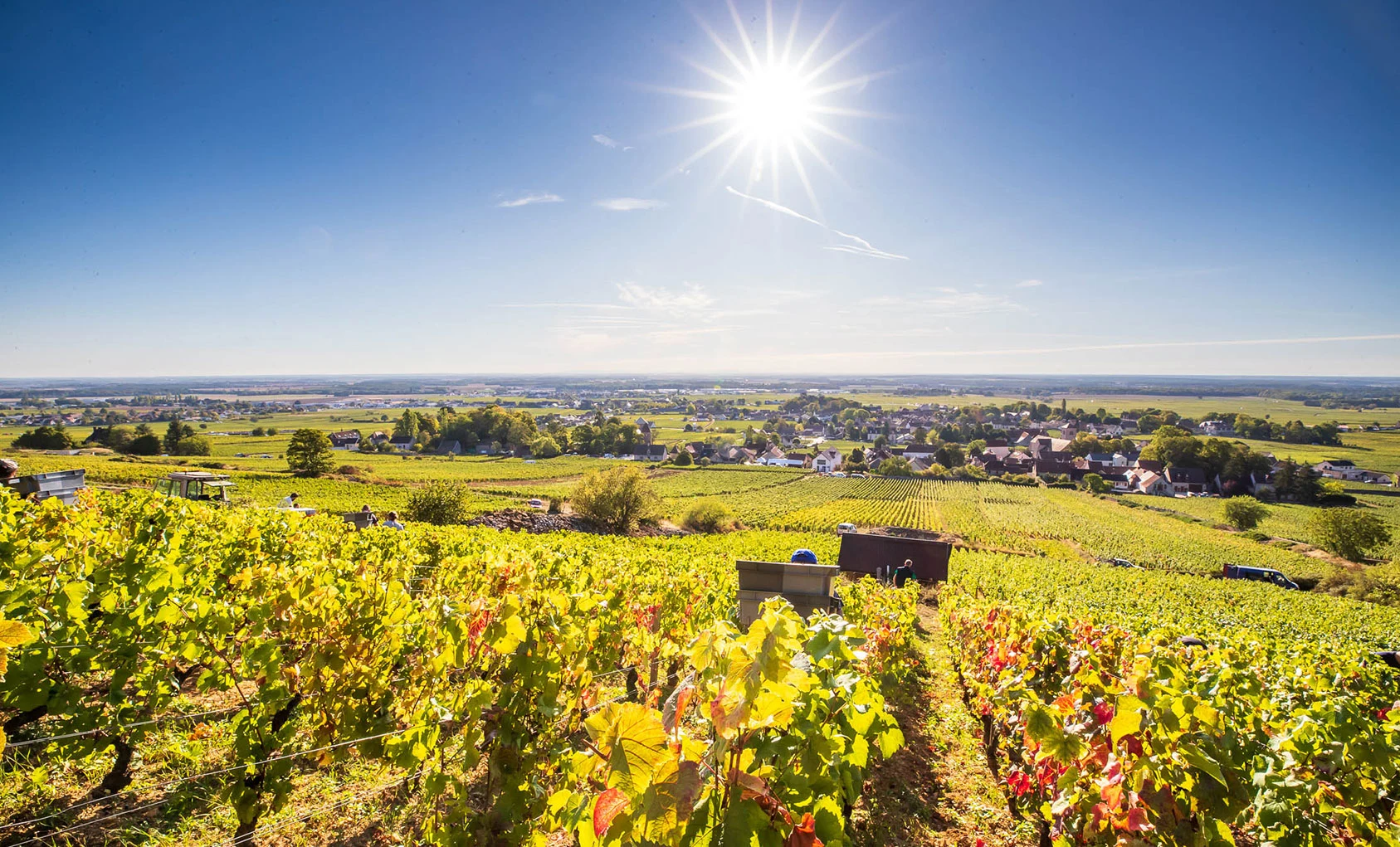
| Domaine Bruno Clair | Marsannay-la-Côte | · |
| Gaja | Barbaresco | World's 50 Best |
| Viña VIK | San Vicente De Tagua Tagua | World's 50 Best |