- Falstaff Winery - 3 Stars · 2026
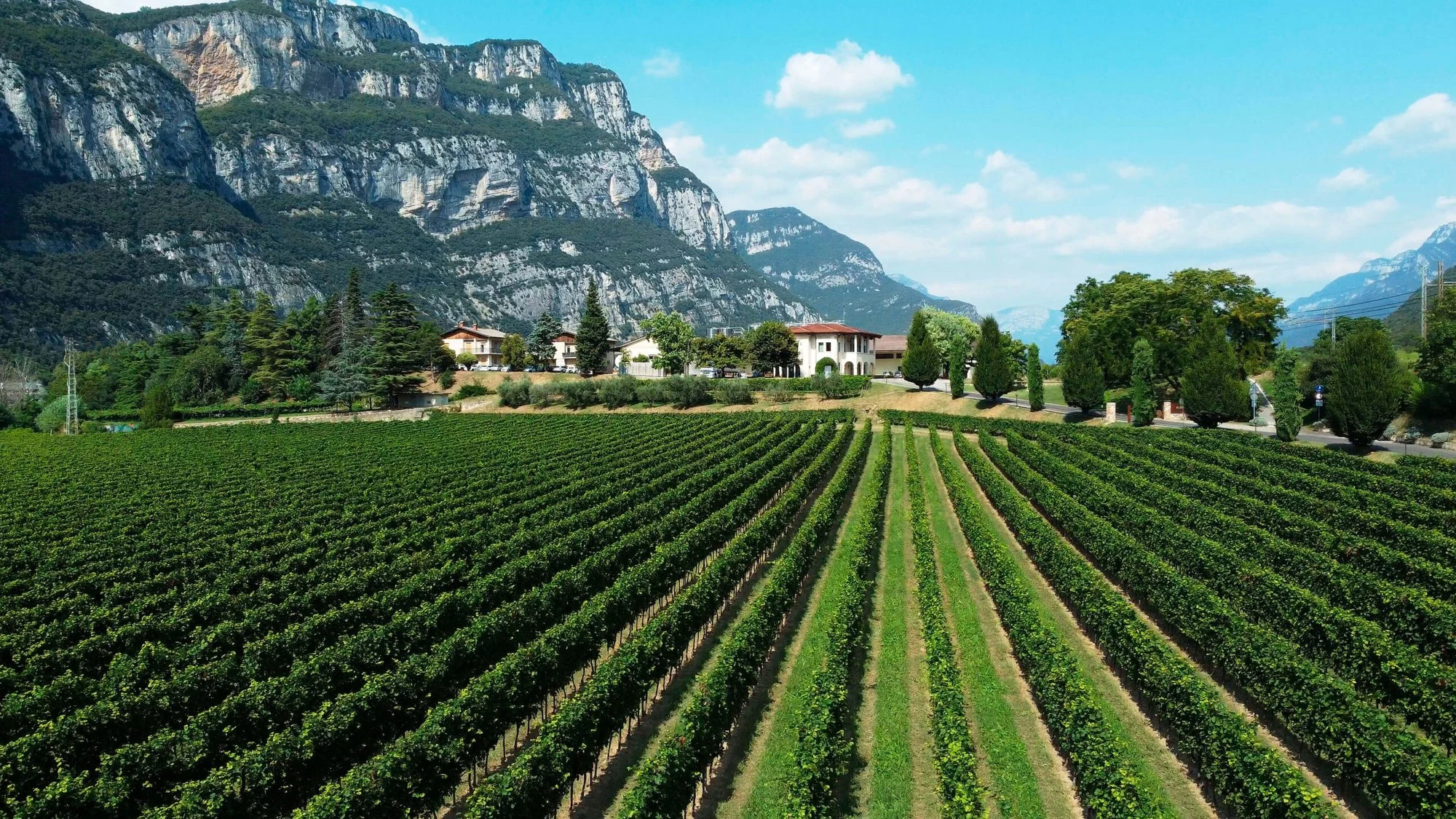
Approaching wine country around Chizzola Di Ala, the appeal of Albino Armani 1607 is best understood through heritage, landscape, and a calm estate atmosphere. The picture is of a historic, territory-focused winery experience with an emphasis on sustainability and estate-driven production, framed in a relaxed and immersive way rather than as a high-gloss destination. That distinction matters: the draw is not an exaggerated sense of performance, but the quieter pleasure of being in a place where the estate, its surroundings, and its history form the main narrative. Visitors looking for a composed wine-country stop will likely find the tone here especially easy to read.
The wider area rewards travellers who treat wine as part of a regional itinerary, not a standalone appointment. For broader context, consider other dining, hotel, bar, winery, and experience options in Chizzola Di Ala. In that kind of trip, Albino Armani 1607 works as an anchor for understanding the local wine-country mood: scenic, measured, and connected to the territory rather than detached from it.
Heritage, sustainability, and a territory-led winery setting
The strongest grounded argument here is the combination of history and place. Albino Armani 1607 presents itself through a heritage-minded winery atmosphere, with the experience shaped around estate production and a clear sense of territory. The mood is classic, scenic, rustic, and sophisticated, which makes it especially appealing for visitors who want a calm wine-country stop rather than a loud or highly staged venue. The setting is best approached as part of the experience itself: the sense of landscape is not incidental, and the heritage element is not just a backdrop. Together, they create a winery visit that feels rooted, patient, and tied to its environment.
What is confirmed is the estate-driven focus, the sustainability emphasis, and the relaxed, immersive character of the tasting experience in Chizzola Di Ala. Those are the useful points to hold onto when deciding whether the visit fits a particular itinerary. It is not being presented here as a venue defined by a long list of external accolades or elaborate extras; the confirmed appeal is more restrained and more place-specific. The experience is strongest for travellers who value context: where the wine is made, how the estate presents itself, and how the surrounding territory shapes the visit.
Sustainability is part of the positioning. Rather than treating it as a decorative phrase, the winery’s appeal is best described as land-conscious and heritage-led: a place where production, setting, and history are meant to be understood together. In practical editorial terms, that makes the visit feel less like a generic tasting stop and more like a way into the character of Chizzola Di Ala’s wine country. The sustainability emphasis supports the wider estate story, reinforcing the idea that the winery experience is connected to the land and not separated from it.
A relaxed winery experience for visitors who want context
Albino Armani 1607 is suited to travellers looking for a scenic, historic winery atmosphere in Chizzola Di Ala. The experience is framed as immersive and relaxed, with an emphasis on the estate and its territory rather than on spectacle. The listed price is $35 per person. That price detail helps set expectations, but the more important framing is qualitative: this is for visitors who want to slow down, pay attention to the setting, and understand the estate-led character of the stop rather than simply move through another item on a checklist.
The editorial read is direct: choose Albino Armani 1607 for a classic and rustic winery setting where heritage, sustainability, and estate-driven production are the central themes. The appeal is not built on awards, named dishes, or a detailed public menu here; it rests on the confirmed atmosphere and the sense of place. That gives the venue a clear identity. It is not trying to be everything at once, and the available information points consistently toward a calm, scenic, territory-focused experience. For travellers who prefer substance over flash, that clarity is part of the attraction.
For travellers mapping a wider route, other wineries and dining options in and around Chizzola Di Ala can provide additional context, but Albino Armani 1607 remains the natural comparison point for this specific heritage-focused winery experience. It can be understood as one piece of a broader regional picture, especially for those who enjoy comparing how different stops express place, landscape, and hospitality. Within that frame, its strengths are easy to identify: heritage, sustainability, estate production, and a relaxed atmosphere.
The value is clearest for visitors who want a composed, territory-led stop in Chizzola Di Ala. Come expecting a relaxed winery atmosphere, a historic frame, and a sustainable estate focus, with pricing listed at $35 per person. The best fit is a traveller who is comfortable with a quieter, more contextual kind of wine-country visit, where the pleasure comes from the relationship between the estate and its landscape as much as from the tasting itself.
Questions
Frequently asked
Who works at Albino Armani 1607?
Made By profiles Albino Armani (Winemaker) at Albino Armani 1607.
How expensive is Albino Armani 1607?
Albino Armani 1607 is listed at a price level of $$.
The field
How it compares
| Place | Notes | Awards |
|---|---|---|
| Albino Armani 1607 | Chizzola di Ala, $$ | · |
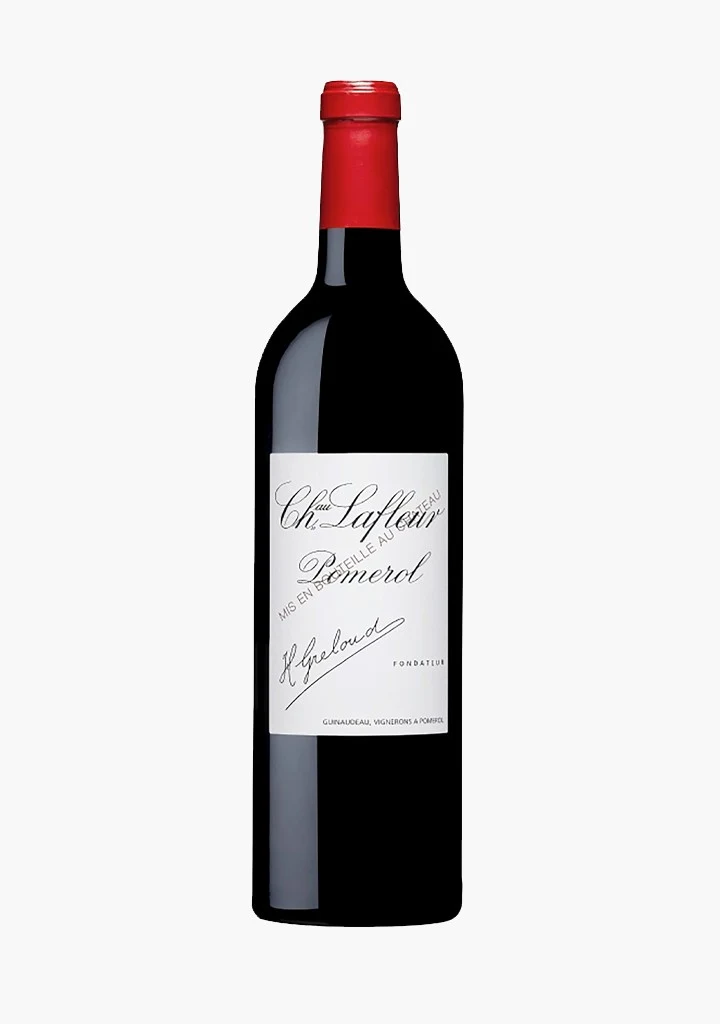
| Château Lafleur | Pomerol | · |
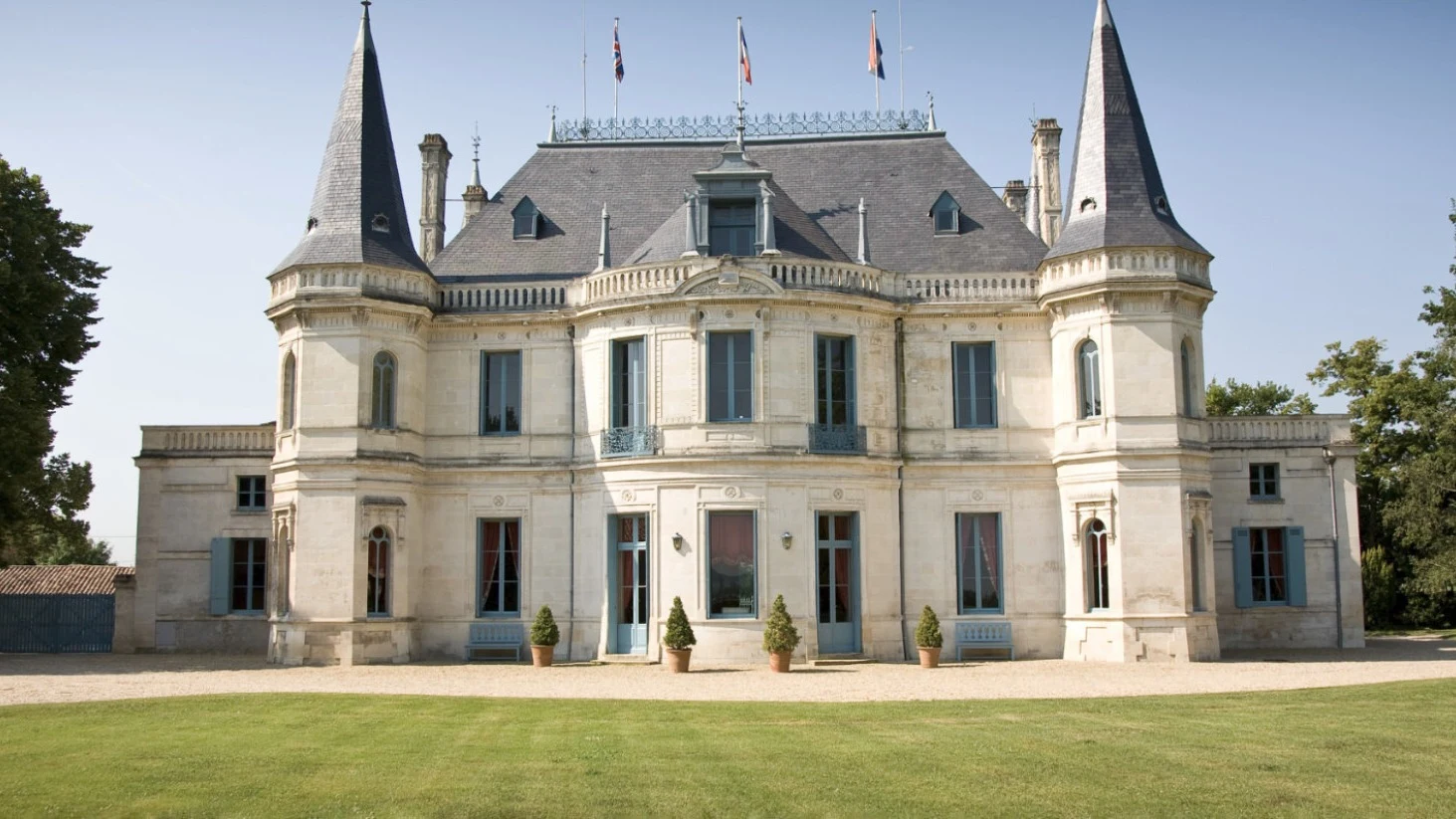
| Château Palmer | Margaux | · |
| Domaine Comte Georges de Vogüé | Chambolle-Musigny | · |
| Domaine Roulot | Meursault | · |
| Herdade do Esporão | Reguengos de Monsaraz | World's 50 Best |
| Quinta do Noval | Pinhão | World's 50 Best |