Allium Eatery
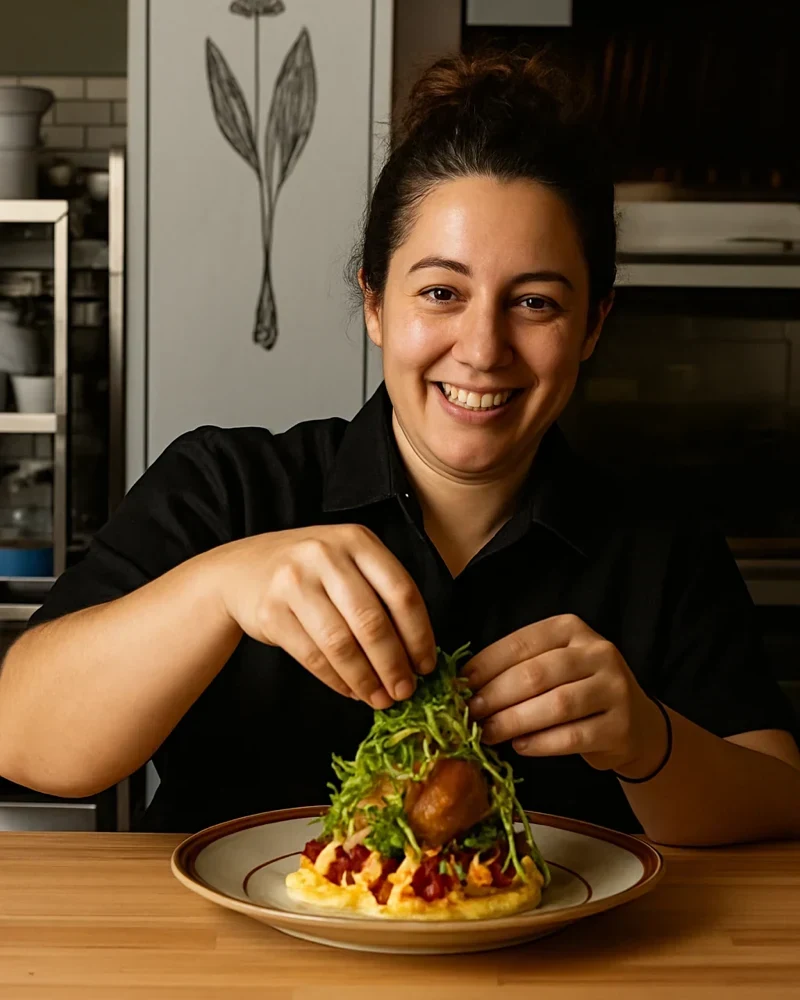
In Residence
Michelle Greenfield
Chef
- 01CuisineModern American with French Undertones
- 02CityWestport, United States
- 03RecognitionJames Beard Award
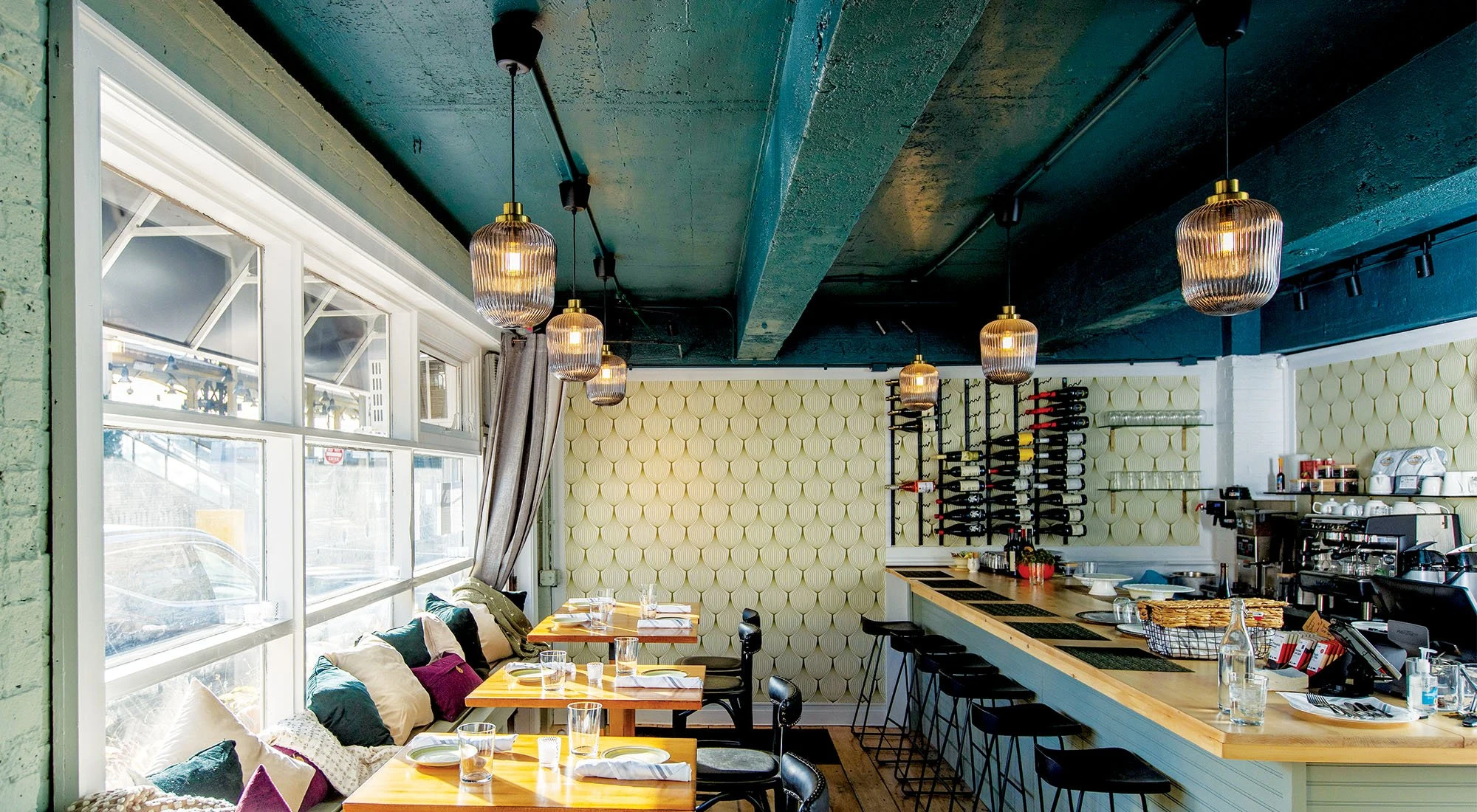
Railroad Place, and What the Name Signals
Westport, Connecticut sits in that particular zone of the northeastern seaboard where serious dining ambitions have historically been overshadowed by proximity to New York City. Restaurants here occupy an interesting competitive position: they must be compelling enough to hold a local crowd that could just as easily drive down to Le Bernardin in New York City or catch a train to something with a Michelin star, yet they also benefit from a clientele with genuine sophistication and above-average spending power.
Allium Eatery sits at 54 Railroad Place, an address that already tells you something. Railroad Place is not the town's showcase stretch. It is the kind of spot that suggests a deliberate, low-profile approach, the opposite of destination-address positioning. The name compounds that signal. Allium is the genus that contains garlic, onions, leeks, shallots, and chives: the foundational aromatics of virtually every serious kitchen on earth. Naming a restaurant after that genus is a statement of culinary philosophy before a single dish arrives. It says: we start here, at the ingredient, and we build outward.
The Sunday email
Read about the people behind restaurants like Allium Eatery in the Sunday email.
Every Sunday we send a lead story and up to four more about the chefs, winemakers, sommeliers and hoteliers behind the restaurants, bars, wineries and hotels we cover.
Recent stories

Free. One email a week, and you can unsubscribe from any issue.
Ingredient-Forward Cooking in a New England Context
Where a previous generation of ambitious restaurants led with technique and presentation, a more recent cohort leads with provenance. This shift is visible at the national level at places like Blue Hill at Stone Barns in Tarrytown, where the farm-to-table relationship is the entire editorial premise of the menu, or at Single Thread Farm in Healdsburg, where the agricultural operation and the restaurant exist as a single integrated system. Those are destination-scale operations with national profiles and corresponding price points.
In smaller markets like Westport, the same philosophy appears at a more accessible register. The question for a restaurant like Allium is how that ingredient commitment translates at the neighborhood level, where the sourcing story must be credible but the format remains approachable. The allium genus, as a naming device, sidesteps the farm-name-dropping that can make sourcing-forward restaurants feel performative. It points instead to the foundational: the aromatic, the elemental, the thing that every cook in every serious kitchen reaches for first.
Westport's dining scene offers a range of reference points for understanding where Allium sits. An Port Mór represents the classic cuisine end of the local spectrum, operating at a €€ price point with a traditional format. Back Eddy, Savoir Fare, and The Bay House each occupy different corners of the local dining map. Allium's Railroad Place location and its botanical identity place it in a distinct register from all of them: more specific in its culinary orientation, quieter in its address, more focused in what it asks you to pay attention to.
How Sourcing Philosophy Shapes a Menu
Restaurants that organize themselves around ingredient sourcing tend to operate differently at a structural level than those organized around a flagship technique or a chef's signature style. The menu follows the season and the supply, which means it shifts in ways that a more fixed format does not. This creates a different kind of dining proposition: guests are implicitly agreeing to eat what is available and at its peak, rather than what they may have seen on a previous visit or read about in advance.
That model has proven durable at the high end of the American dining market. Smyth in Chicago builds its tasting format around hyper-local sourcing and seasonal constraint. Lazy Bear in San Francisco uses a communal format tied to seasonal California produce. Providence in Los Angeles applies similar logic specifically to sustainable seafood. Further afield, Atelier Moessmer Norbert Niederkofler in Brunico has built an internationally recognized program around strict regional sourcing in the South Tyrol. Each of these operates at a different price tier and with a different level of critical recognition, but they share the underlying premise: the ingredient is the argument, and the kitchen's job is not to override it but to clarify it.
At Allium's scale and address, that argument takes a more everyday form. The Railroad Place location, the botanical name, the absence of the kind of marketing apparatus that surrounds the more prominent names on this list: all of it suggests a restaurant that is making its case through the plate rather than through positioning. In Connecticut's Fairfield County, where disposable income is high and dining literacy is genuine, that kind of restraint can be its own signal.
Placing Allium in a Broader National Frame
The farm-to-table generation that peaked in the 2010s has been followed by something more rigorous: a cohort of restaurants that treat sourcing not as a marketing point but as a structural constraint. Addison in San Diego, Frasca Food & Wine in Boulder, and Atomix in New York City each demonstrate how rigorous sourcing commitments can coexist with high levels of critical recognition. The Inn at Little Washington has built a decades-long reputation in part on its garden-to-table relationship. Emeril's in New Orleans helped establish the vocabulary of regional sourcing in American fine dining at an earlier moment. The French Laundry in Napa has maintained its garden program as a central element of its identity across decades.
Allium does not compete in that tier. But the underlying logic it borrows from that tradition, that sourcing is a form of argument and that the allium genus is where serious cooking begins, places it in a lineage that matters.
Questions
Frequently asked
What recognition does Allium Eatery hold?
Allium Eatery holds a James Beard award.
Who works at Allium Eatery?
Made By profiles Michelle Greenfield (Chef) at Allium Eatery.
How expensive is Allium Eatery?
Allium Eatery is listed at a price level of $$$.
Where is Allium Eatery and what does it serve?
Allium Eatery is in Saugatuck, Westport, serving Modern American with French Undertones.
The field
How it compares
| Place | Awards | Cuisine | Notes |
|---|---|---|---|
| Allium Eatery | James Beard | Modern American with French Undertones | Saugatuck, $$$ |
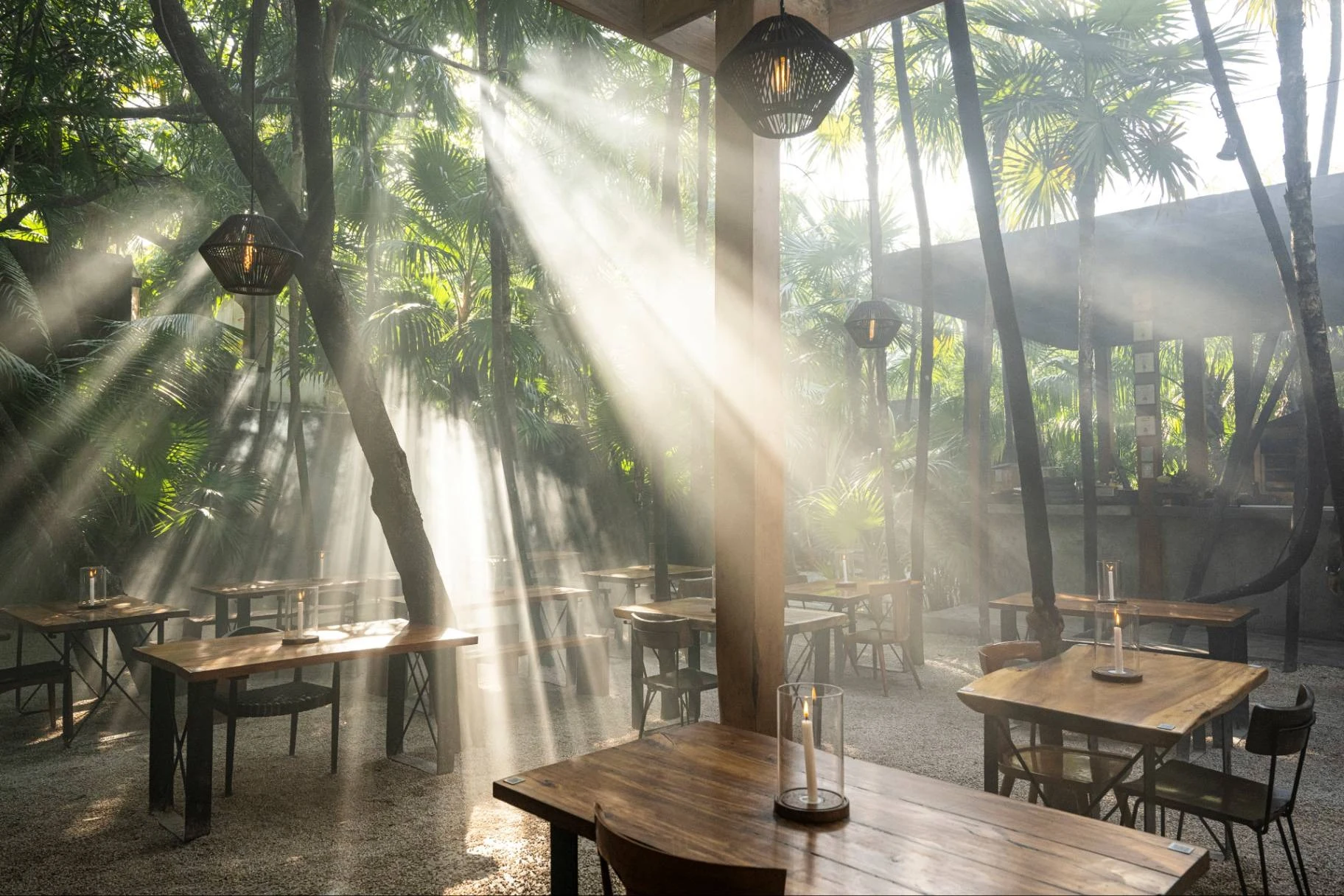
| Arca | 50 Best | Modern Yucatan Fire-Cooked Small Plates | Tulum |
| Coque | Michelin 2 Stars | Modern Spanish Fine Dining | Madrid |
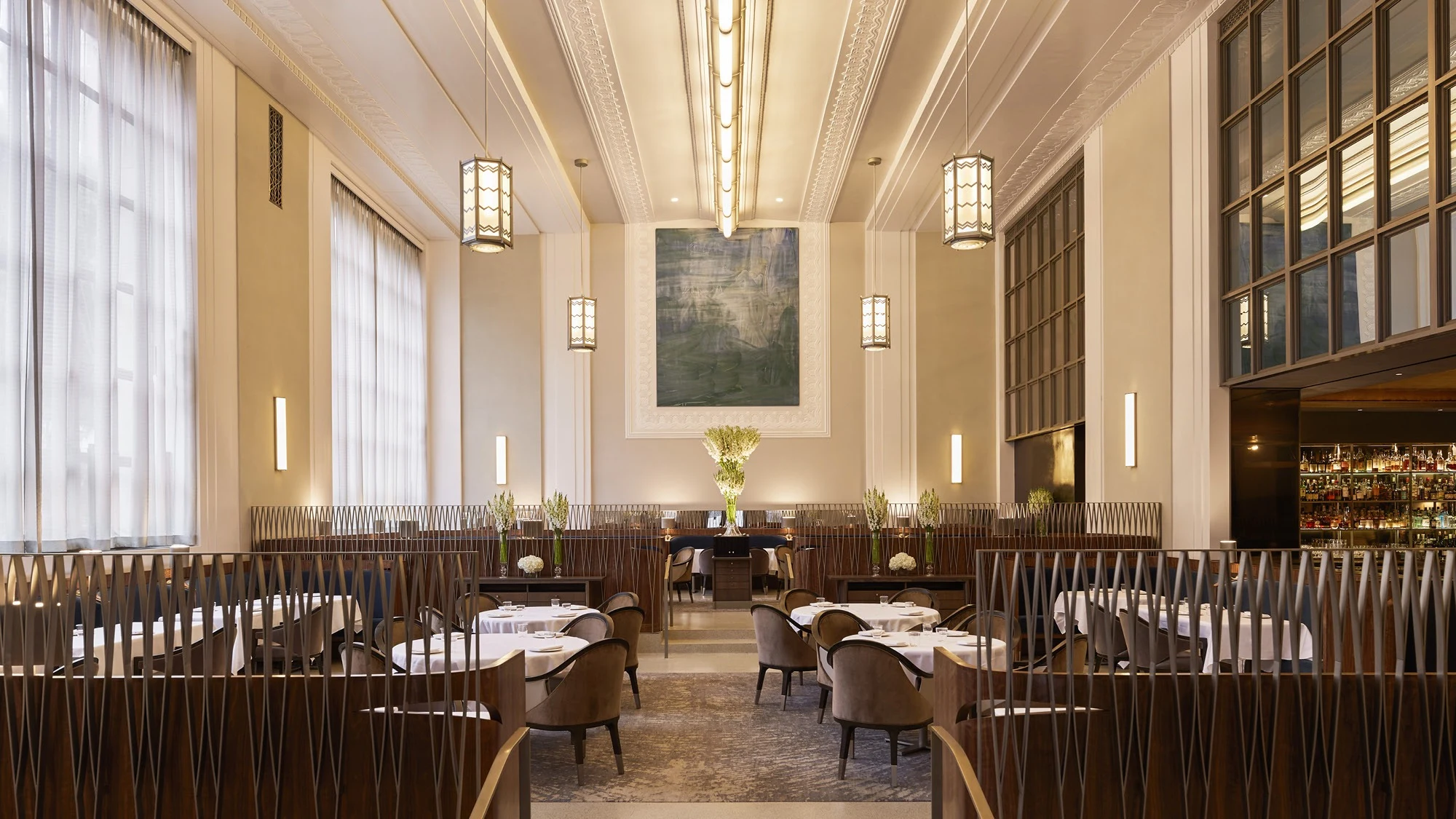
| Eleven Madison Park | Michelin 3 Stars, 50 Best | Contemporary Plant-Based Fine Dining | New York City |
| Elkano | Michelin 1 Star, 50 Best | Basque Grilled Fish | Getaria |
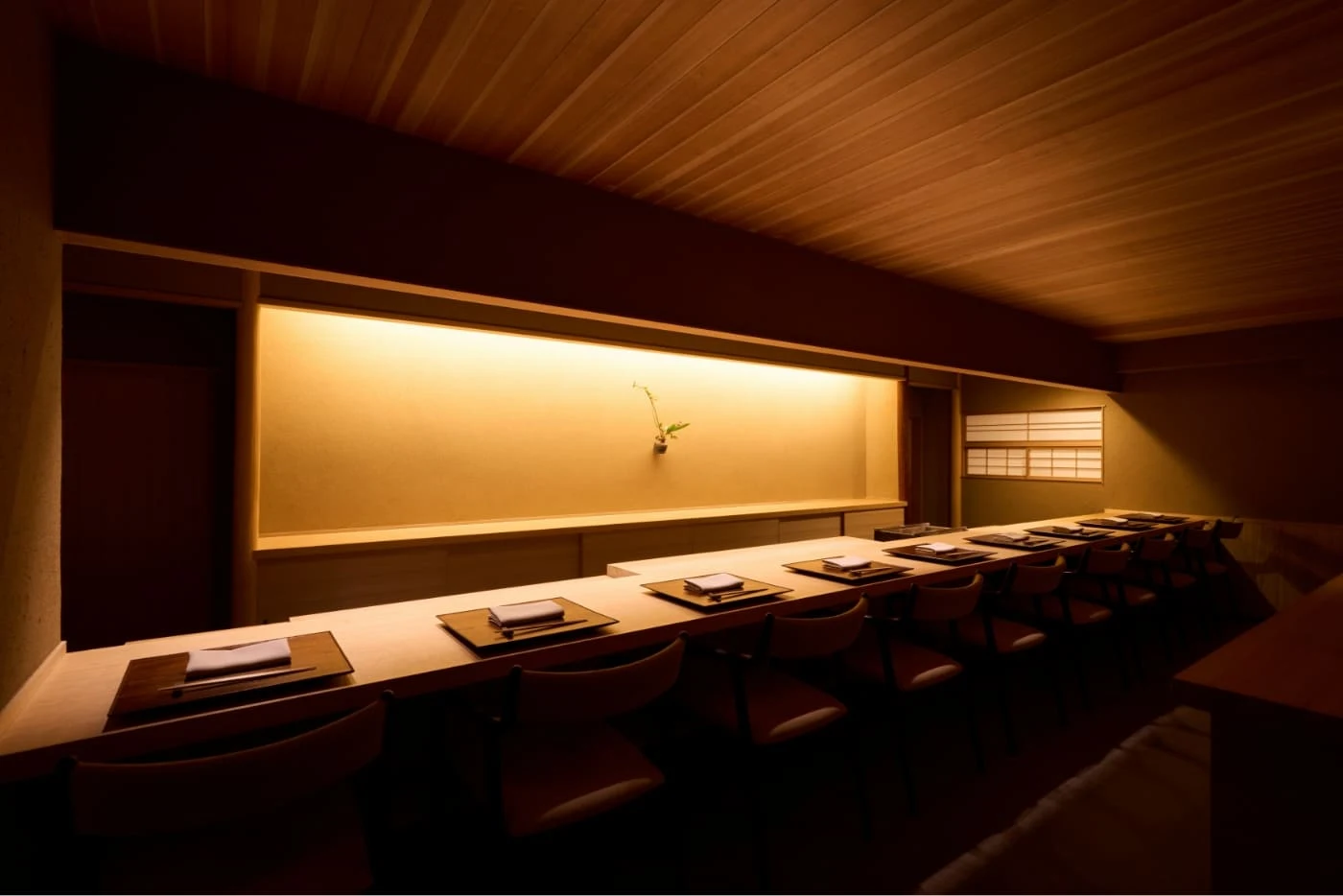
| Myojaku | Michelin 3 Stars, 50 Best | Modern Minimalist Kaiseki | Tokyo |
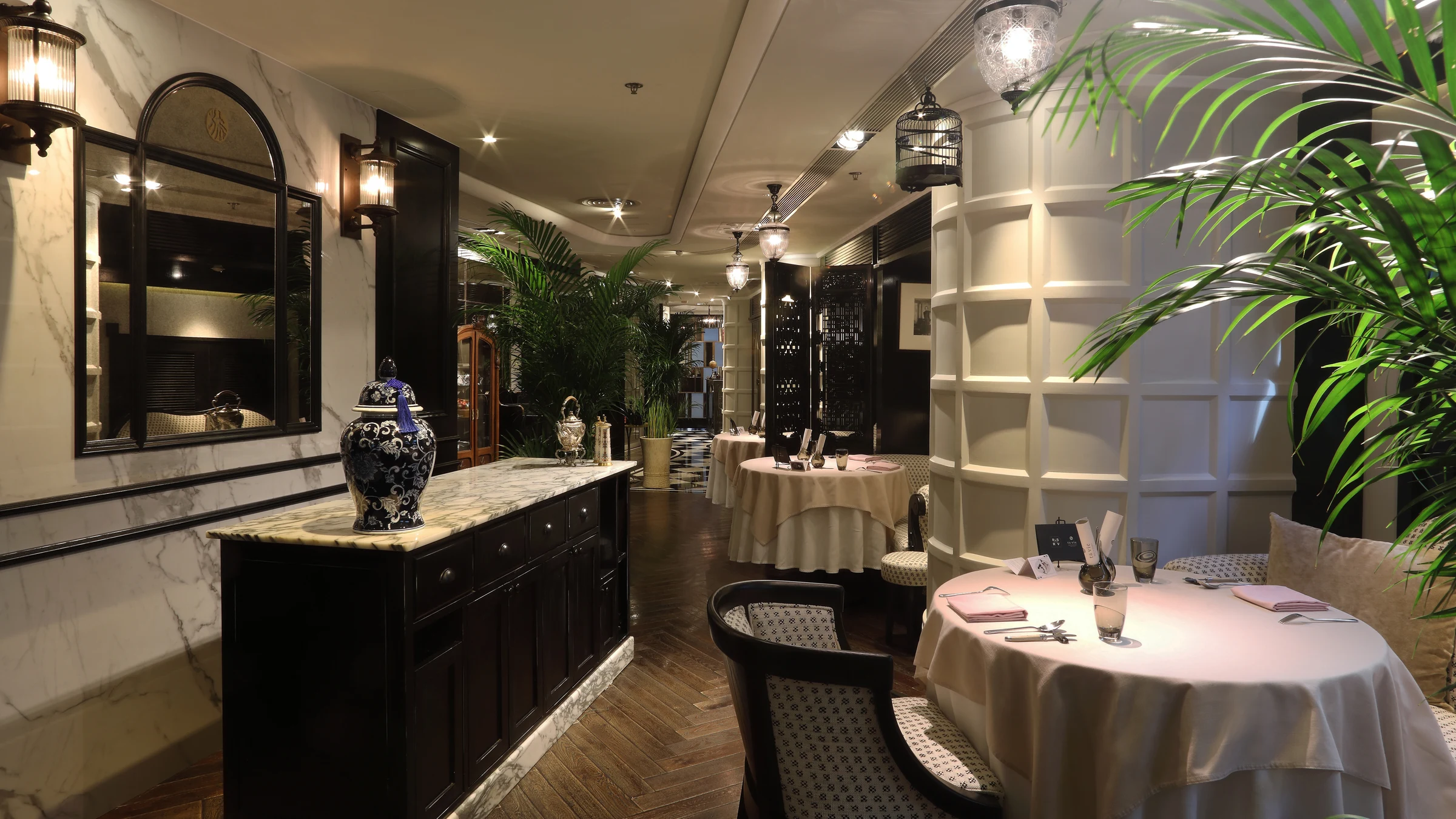
| Ta Vie | Michelin 3 Stars, 50 Best | Modern French-Japanese Fine Dining | Hong Kong |
Similar places
Modern Yucatan Fire-Cooked Small Plates
Arca
Tulum, Mexico
50 Best
Modern Spanish Fine Dining
Coque
Madrid, Spain
★★
Contemporary Plant-Based Fine Dining
Eleven Madison Park
New York City, United States
★★★ · 50 Best
Basque Grilled Fish
Elkano
Getaria, Spain
★ · 50 Best
Modern Minimalist Kaiseki
Myojaku
Tokyo, Japan
★★★ · 50 Best
Modern French-Japanese Fine Dining
Ta Vie
Hong Kong, Hong Kong
★★★ · 50 Best


The Sunday email
Read about the people behind restaurants like Allium Eatery in the Sunday email.
Every Sunday we send a lead story and up to four more about the chefs, winemakers, sommeliers and hoteliers behind the restaurants, bars, wineries and hotels we cover.
Recent stories
Free. One email a week, and you can unsubscribe from any issue.