The Inn at Little Washington
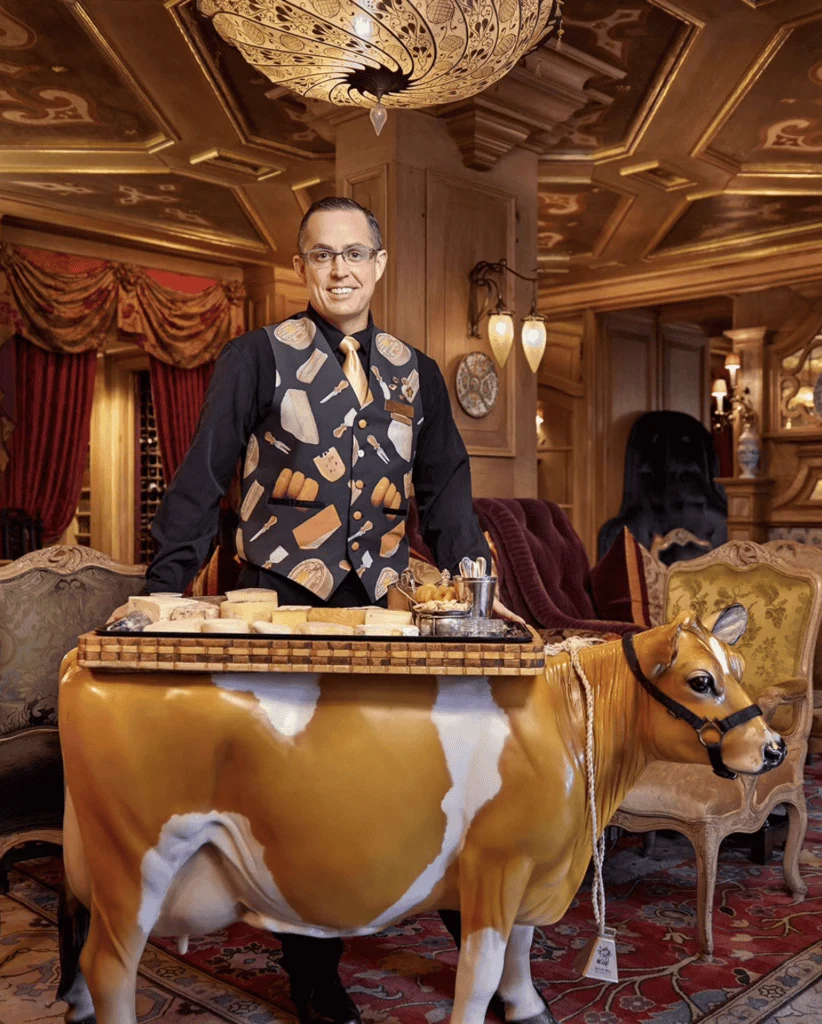
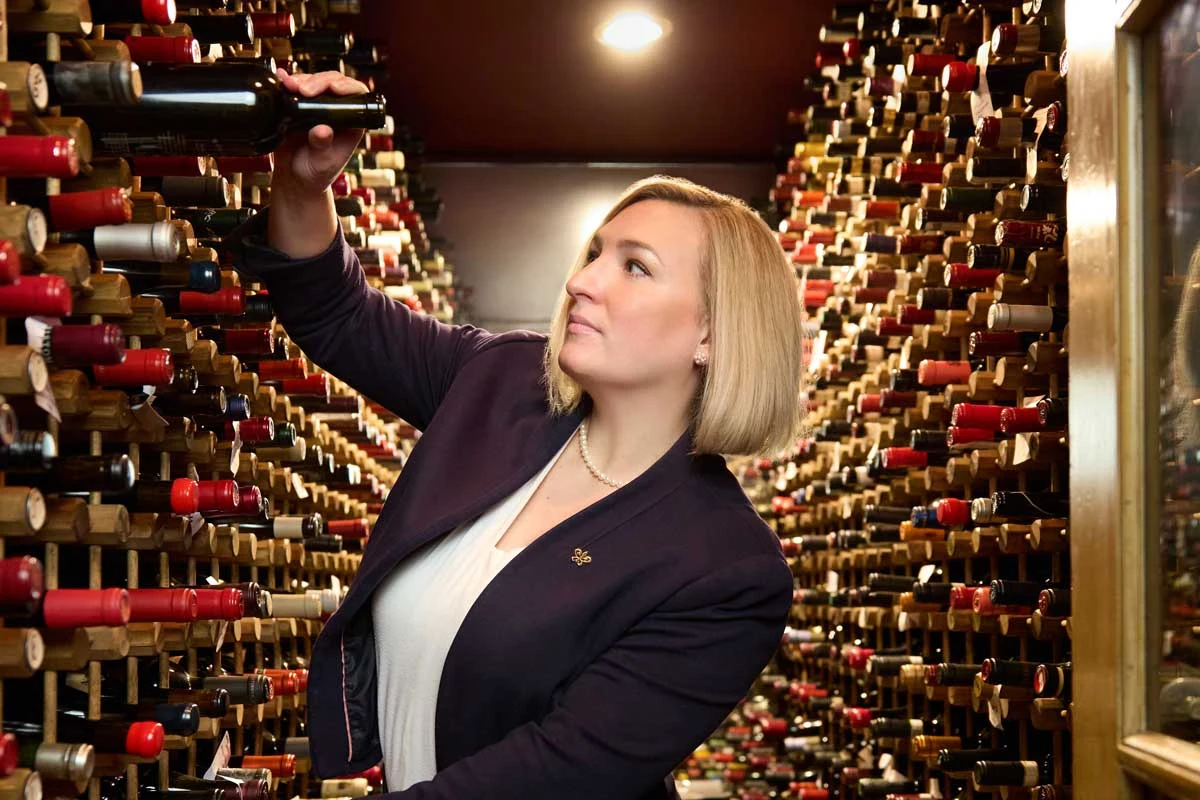
In Residence
Cameron Smith
Sommelier
- 01CuisineContemporary American Fine Dining with French Influence
- 02CityWashington, United States
- 03RecognitionThree Michelin Stars
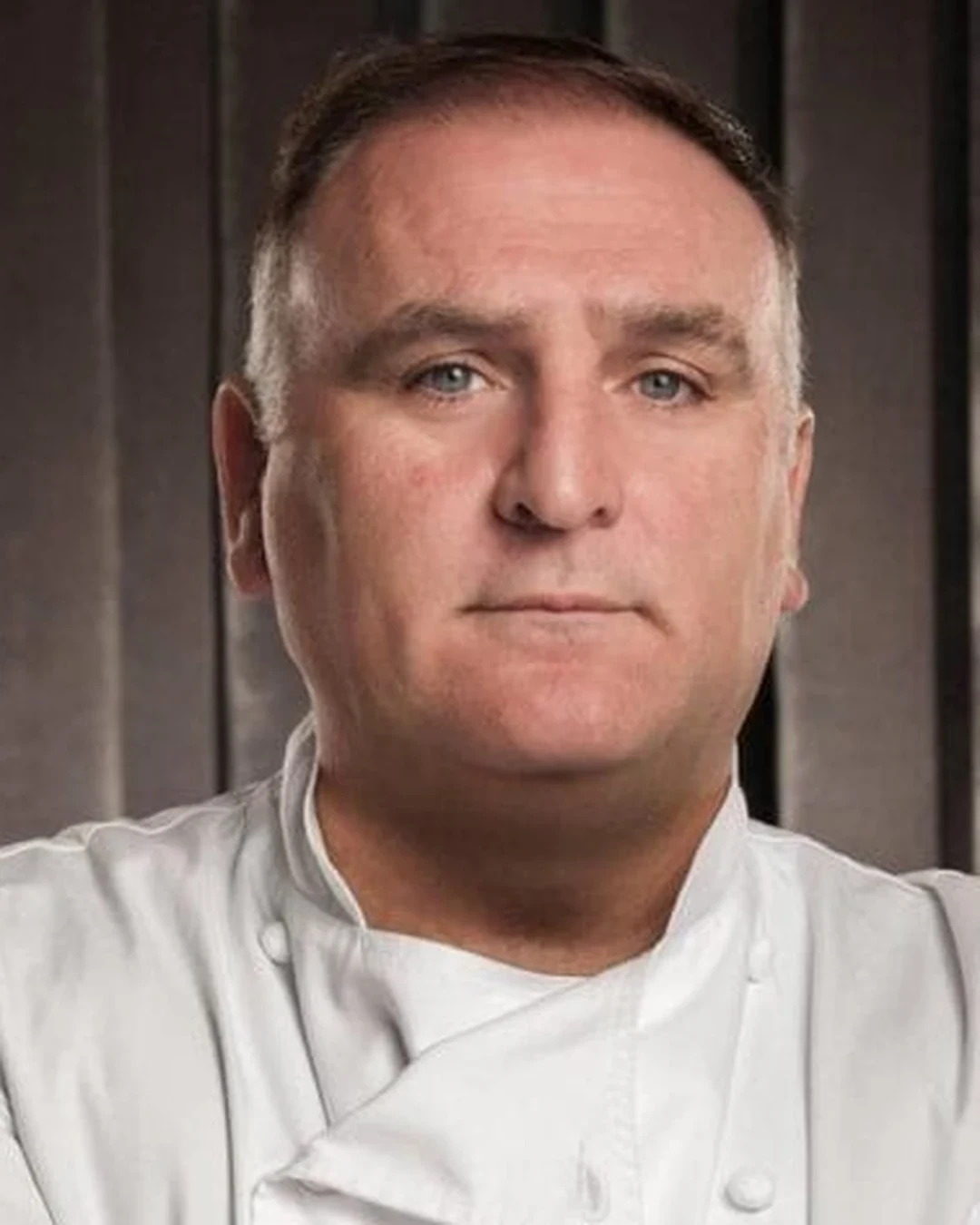
From the people index
Recommended by
One trusted voice points here.
- 3 Michelin Stars · Michelin Guide
- Wine Spectator · Tier 3
- La Liste Top Restaurants: 95pts · 2026
- Forbes 5-Star · 2026
- Opinionated About Dining Top Restaurants in North America Ranked #62 · 2026
- Wine Spectator Grand Award · 2026
- Relais Chateaux Award · 2026
- Star Wine List · 2026
- Les Grandes Tables du Monde Member · 2026
- AAA 5 Diamond · 2025
- Michelin 2 Stars · 2025
- Relais Chateaux Award · 2025
- Wine Spectator Grand Award · 2025
- Pearl Recommended Restaurant · 2025
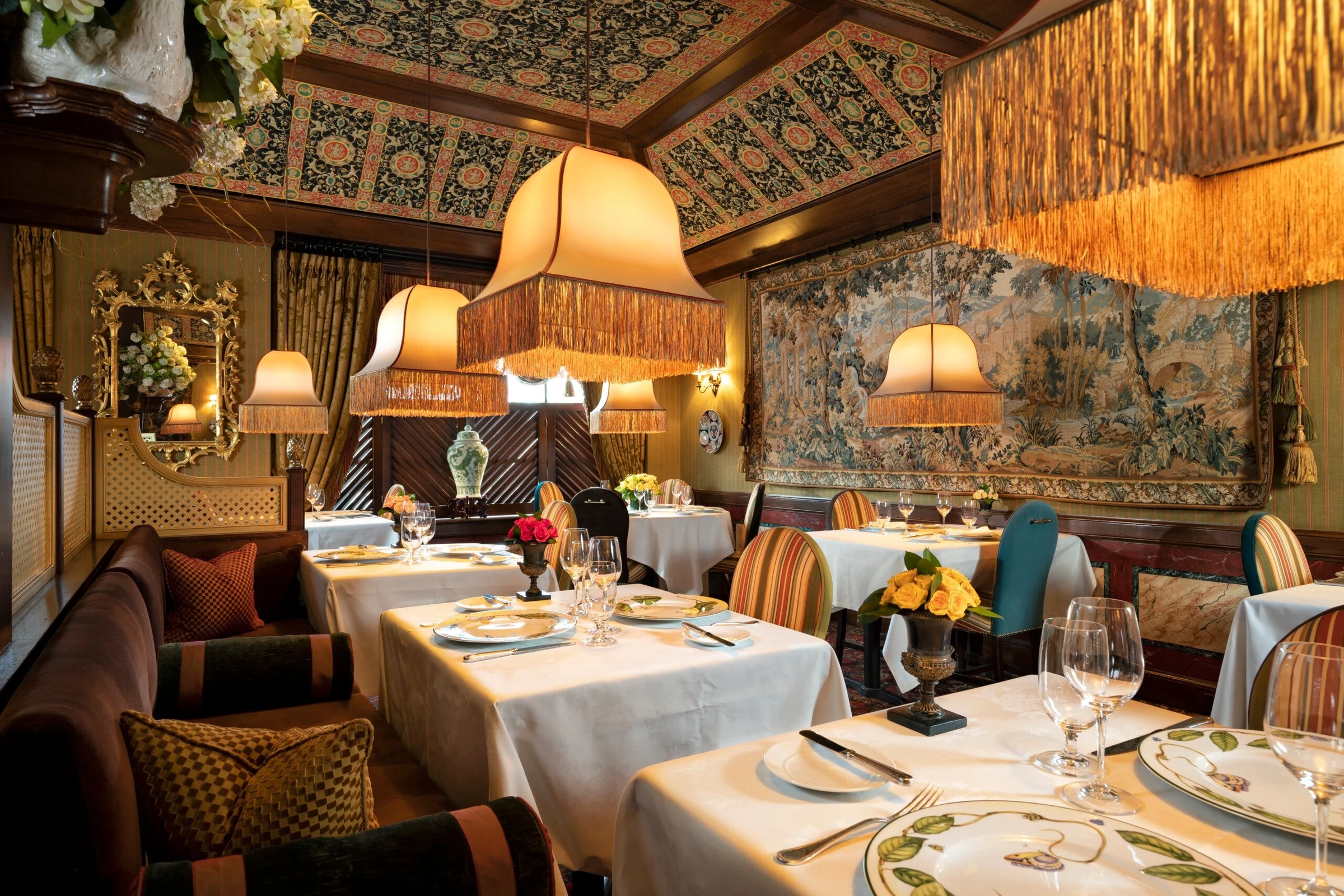
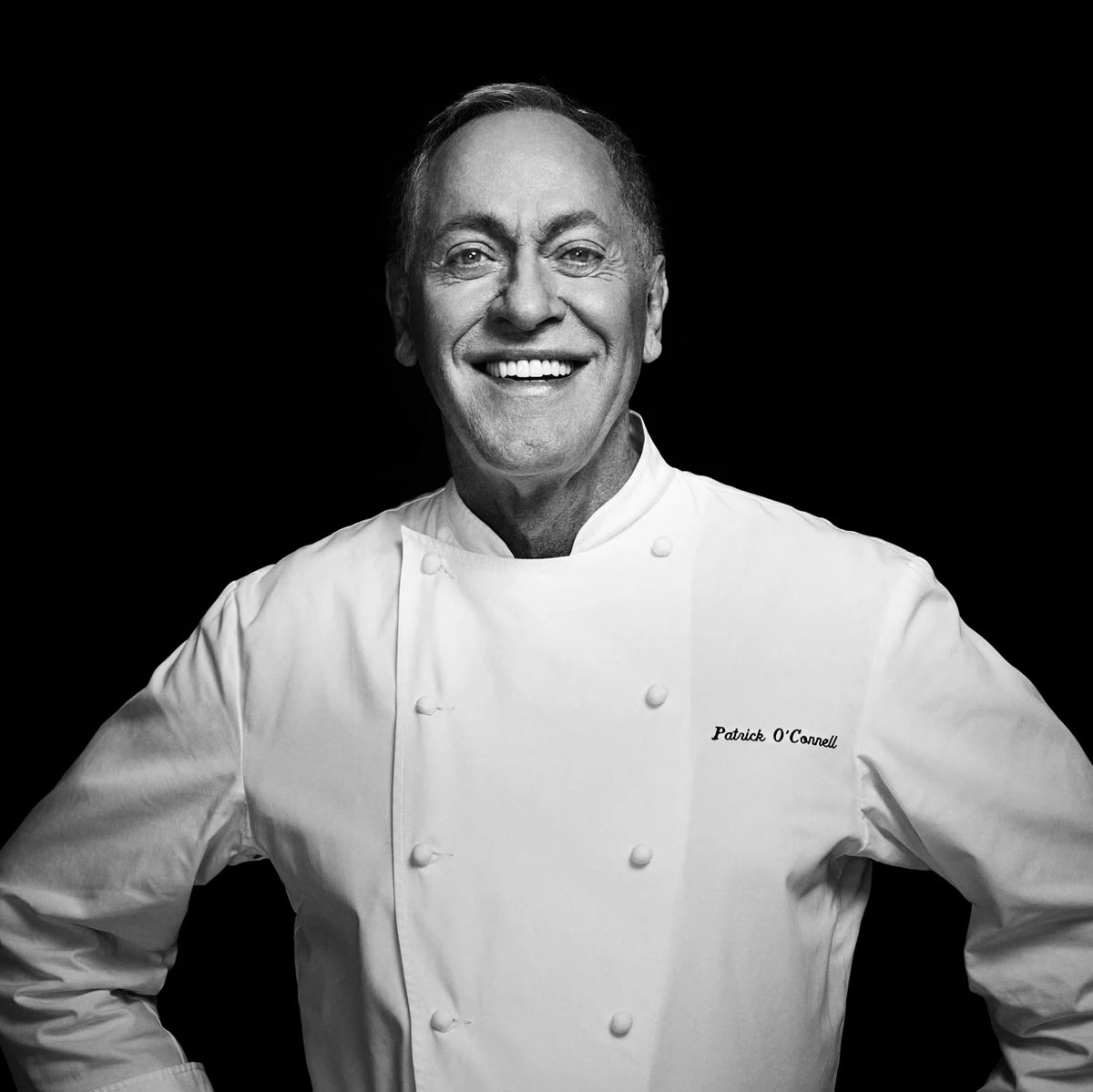
The Inn at Little Washington is a formal New American restaurant in Washington led by chef-owner Patrick O’Connell. The verified picture is precise rather than sprawling: garden-fresh produce, daring flavor combinations, reinterpreted classics, and the property’s bespoke bread and cheese trolleys define the restaurant’s public identity.
For diners comparing it with other formal meals, the useful frame is not an invented checklist of scores, prices, or formats, but the clearly established combination of New American cooking, formality, and O’Connell’s culinary point of view.1
The Sunday letter
Find new places through the people who run them.
Our Sunday email brings you the chefs, winemakers and hoteliers behind our newest stories. See a sample before you subscribe.
See a sample of the Sunday emailOne email a week. Unsubscribe from any issue.
“Always one to think outside the box, O’Connell just introduced an extravagant “water menu” that gives diners”
Eater, 2024
Garden produce, formal ceremony, and New American cooking
New American cooking can become vague when it absorbs too many influences at once. At The Inn at Little Washington, the verified through-line is more focused: garden-fresh produce, reinterpreted classics, and bold flavor combinations shaped by Patrick O’Connell’s eclectic repertoire.
The bread and cheese trolleys are also central to the restaurant’s identity. They connect dining-room ceremony with the ingredient-led character of the cooking, making formality part of the experience rather than a separate layer placed on top of it.
“Patrick O'Connell earned three Michelin stars for his extravagant French tasting menu sprinkled with whimsical touches like Faira”
Food & Wine, 2024
Because the confirmed information is limited, it is best not to overstate specifics about menu structure, service length, beverage depth, ratings, or awards. What can be said confidently is that The Inn at Little Washington sits in a formal New American lane, with O’Connell’s authorship and the restaurant’s distinctive trolley details at the center.4
Within New American dining, The Shack, Friday Saturday Sunday, Vernick Food and Drink, Savú, and Fork offer useful points of comparison for how regional cooking, polish, and contemporary American restaurant identity can vary. The Inn at Little Washington’s verified distinction is its formal Washington setting, Patrick O’Connell’s leadership, and the combination of produce-driven cooking with bespoke trolley service.
A formal restaurant defined by ceremony
The Inn at Little Washington is best understood through its confirmed formality and dining-room detail. Its formal dress code and bread and cheese trolleys point toward a meal where the setting and culinary identity are closely connected.2
That sense of ceremony is grounded in verified details: the New American cuisine, O’Connell’s role as chef-owner, the garden-fresh produce, the reinterpreted classics, and the bespoke bread and cheese trolleys. Those facts are enough to describe a restaurant built around polish without adding unverified claims about awards, wine inventory, seating, prices, or menu format.
Readers using Washington as a dining base should separate confirmed information from assumption. The Inn at Little Washington is a formal New American restaurant in Washington; other dining in Washington may offer different levels of formality, different cuisines, or different service styles, but those comparisons should be made from current primary information rather than inferred from reputation.
Who should plan the meal
This suits diners who want a formal New American experience shaped by Patrick O’Connell’s culinary style: garden produce, daring flavor combinations, reinterpreted classics, and a distinctive dining-room sensibility. Guests looking for a different level of formality should confirm current details directly before planning.
The broader New American conversation includes restaurants that express place and polish in different ways. Fork, Friday Saturday Sunday, Vernick Food and Drink, Savú, and The Shack can be read as separate examples of how contemporary American cooking balances regional identity, refinement, and personality.
The editorial case for The Inn at Little Washington rests on the verified essentials: Patrick O’Connell’s leadership, New American cuisine, formal dress, garden-fresh produce, bold combinations, reinterpreted classics, and the distinctive bread and cheese trolleys.
Questions
Frequently asked
What recognition does The Inn at Little Washington hold?
The Inn at Little Washington holds 3 Michelin stars.
Who works at The Inn at Little Washington?
Made By profiles Cameron Smith (Certified Water Sommelier), Christian Capo (Head Baker) and Christine Barr (Director of Wine) at The Inn at Little Washington.
How expensive is The Inn at Little Washington?
The Inn at Little Washington is listed at a price level of $$$$.
Where is The Inn at Little Washington and what does it serve?
The Inn at Little Washington is in Washington, Washington, serving Contemporary American Fine Dining with French Influence.
The field
How it compares
| Place | Awards | Cuisine | Notes |
|---|---|---|---|
| The Inn at Little Washington | Michelin 3 Stars | Contemporary American Fine Dining with French Influence | Washington, $$$$ |
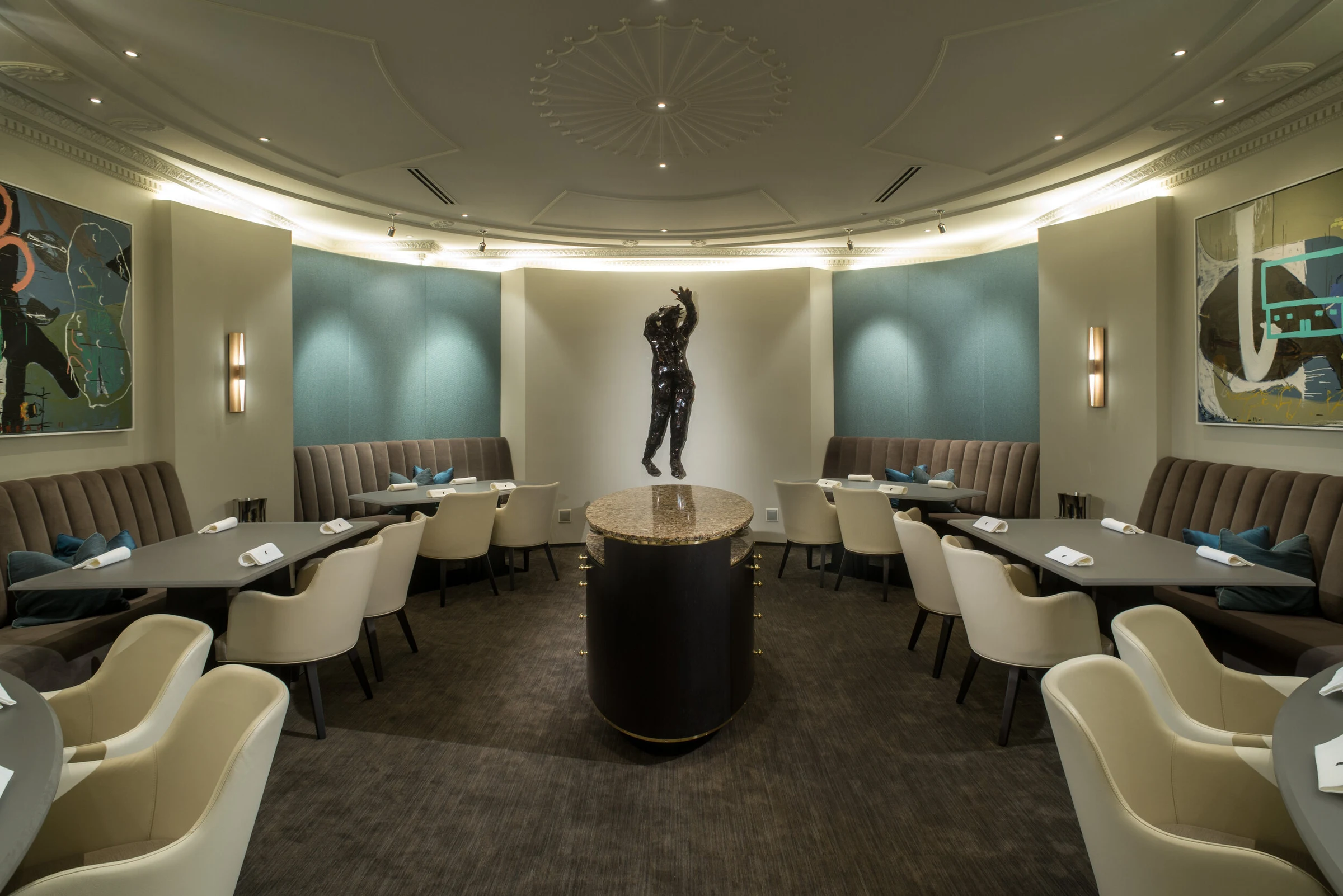
| Alinea | Michelin 3 Stars, World's 50 Best | Avant-Garde Molecular Gastronomy | Chicago |
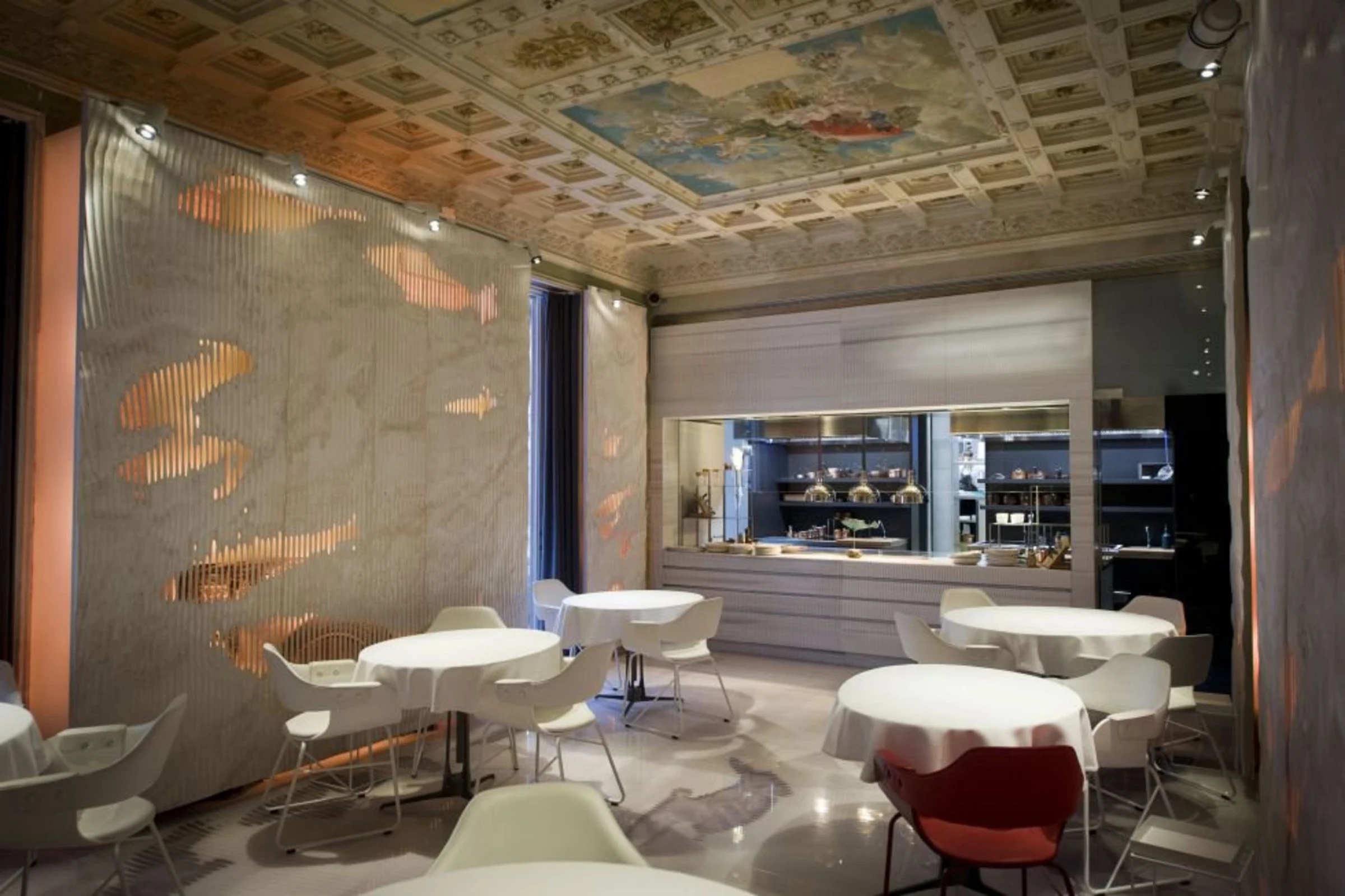
| Alkimia | Michelin 1 Star | Modern Catalan Fine Dining | Barcelona |
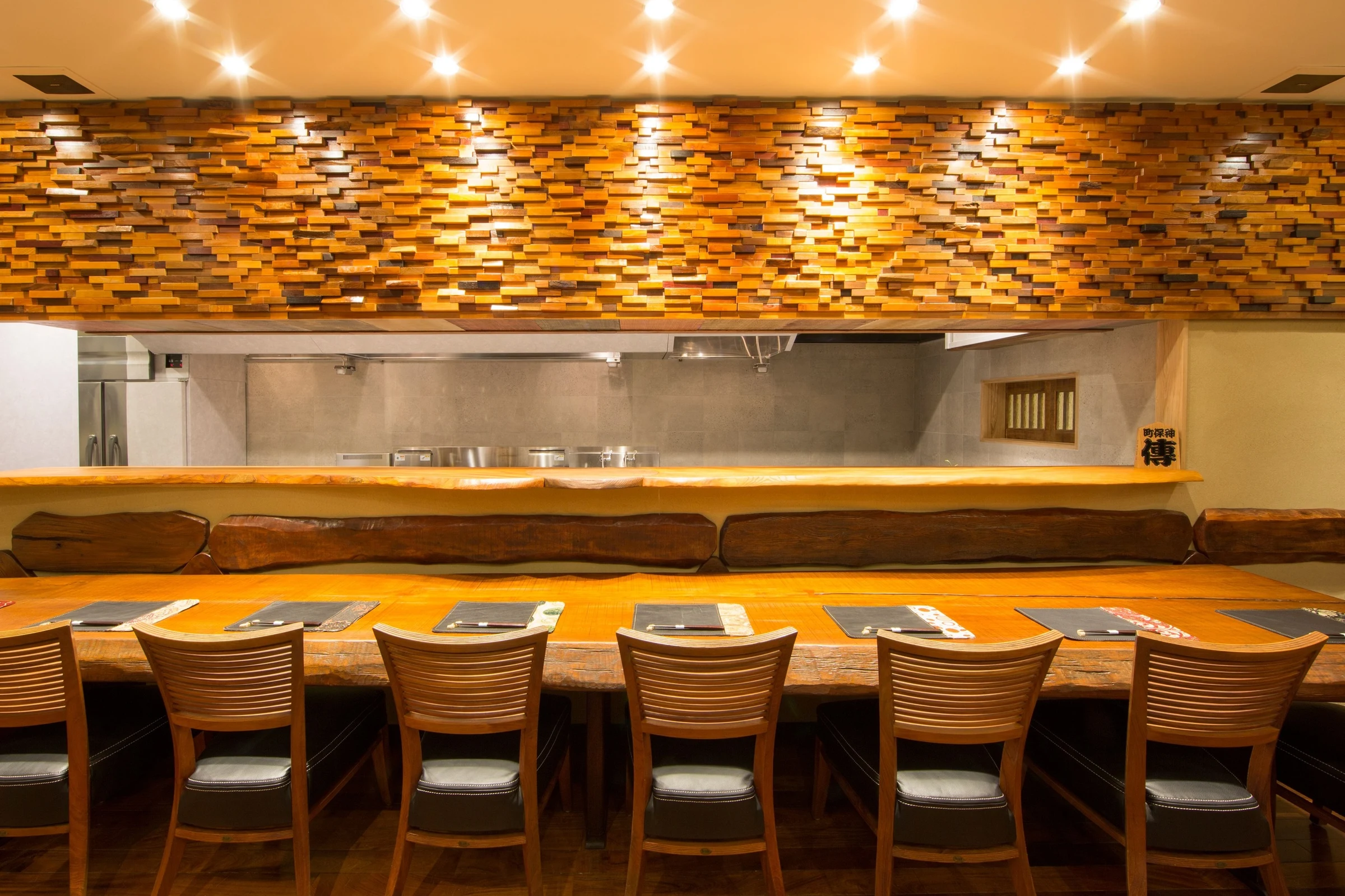
| Den | Michelin 2 Stars, World's 50 Best | Modern Japanese Kaiseki | Tokyo |
| Frantzén | Michelin 3 Stars, World's 50 Best | Modern Nordic Fusion with Japanese Influences | Stockholm |
| Jaan by Kirk Westaway | Michelin 2 Stars, World's 50 Best | Modern British Fine Dining | Singapore |
| Kato | Michelin 2 Stars, World's 50 Best | Modern Taiwanese Fine Dining | Los Angeles |
In residence
Similar places
Avant-Garde Molecular Gastronomy
Alinea
Chicago, United States
★★★ · 50 Best
Modern Catalan Fine Dining
Alkimia
Barcelona, Spain
★
Modern Japanese Kaiseki
Den
Tokyo, Japan
★★ · 50 Best
Modern Nordic Fusion with Japanese Influences
Frantzén
Stockholm, Sweden
★★★ · 50 Best
Modern British Fine Dining
Jaan by Kirk Westaway
Singapore, Singapore
★★ · 50 Best
Modern Taiwanese Fine Dining
Kato
Los Angeles, United States
★★ · 50 Best
The Sunday letter
Get the next Made By story in your inbox.
We send one email every Sunday morning with the places and people we covered that week.
See a sample of the Sunday emailOne email a week. Unsubscribe from any issue.