Alpage
In Residence
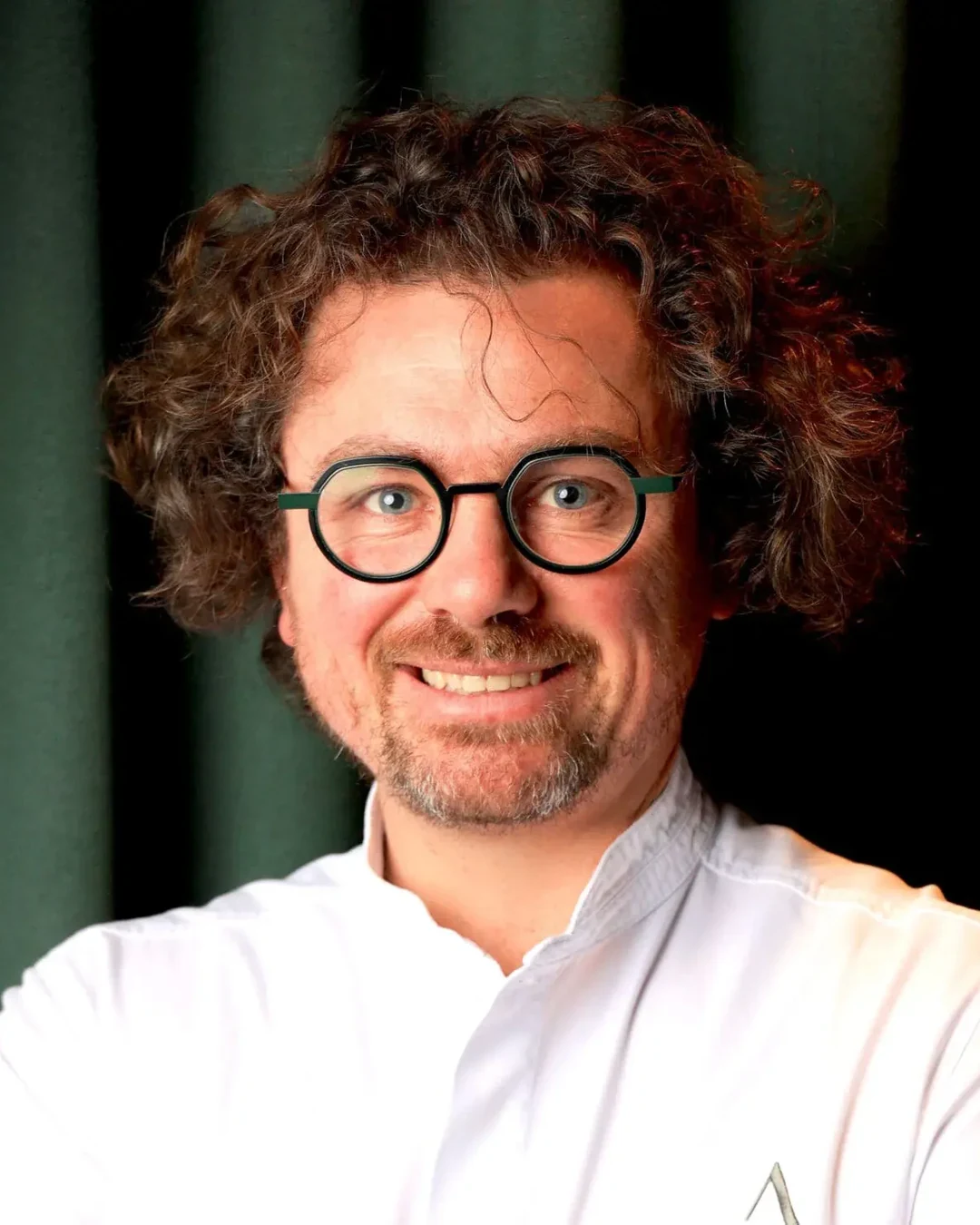
Jean-Rémi Caillon
Chef
- 01CuisineModern French with Savoyard and Japanese influences
- 02CityCourchevel, France
- 03RecognitionOne Michelin Star
- 1 Michelin Star · Michelin Guide
- Michelin 1 Star · 2026
- Michelin 1 Star · 2025
- Michelin 1 Star · 2024
The Room Before the Menu
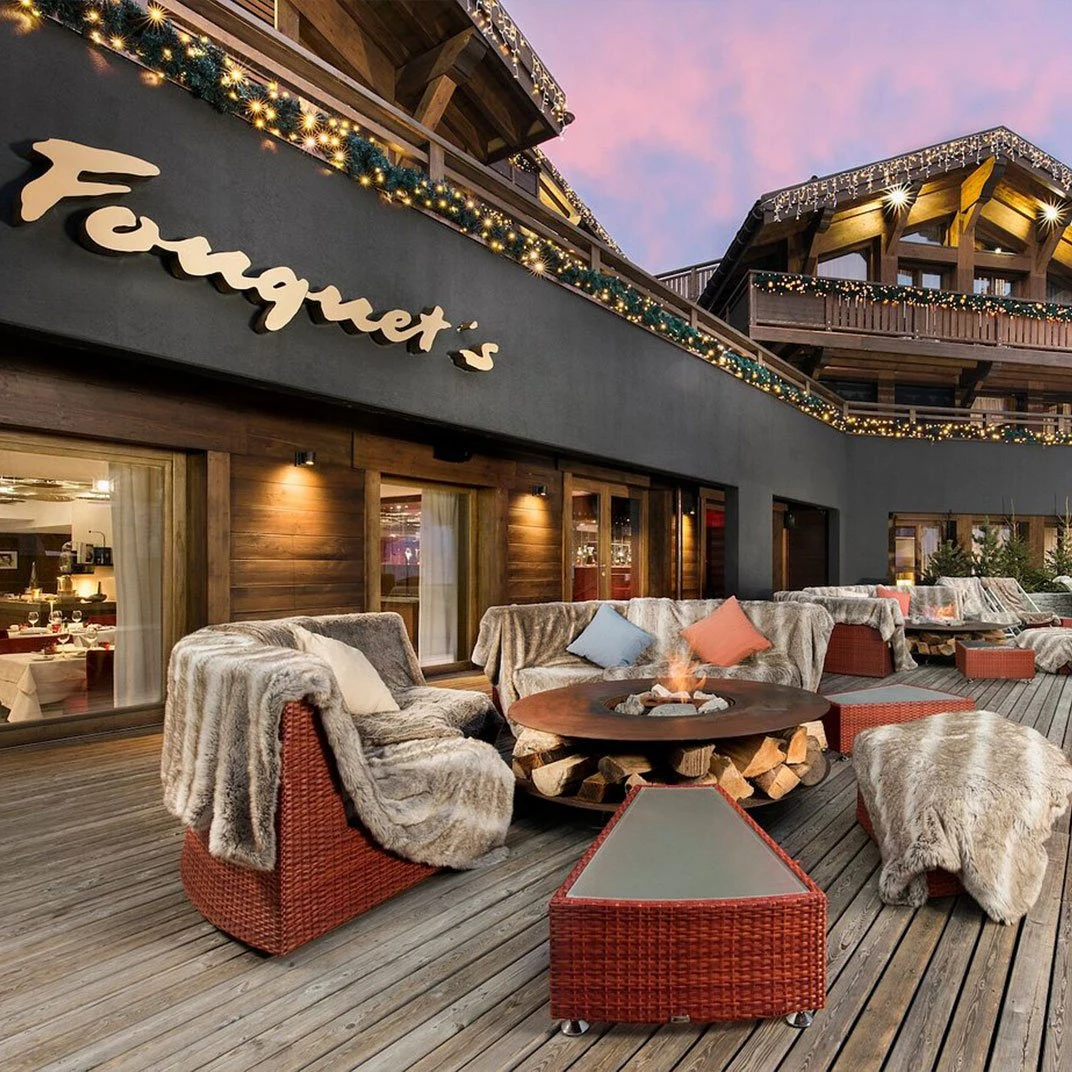
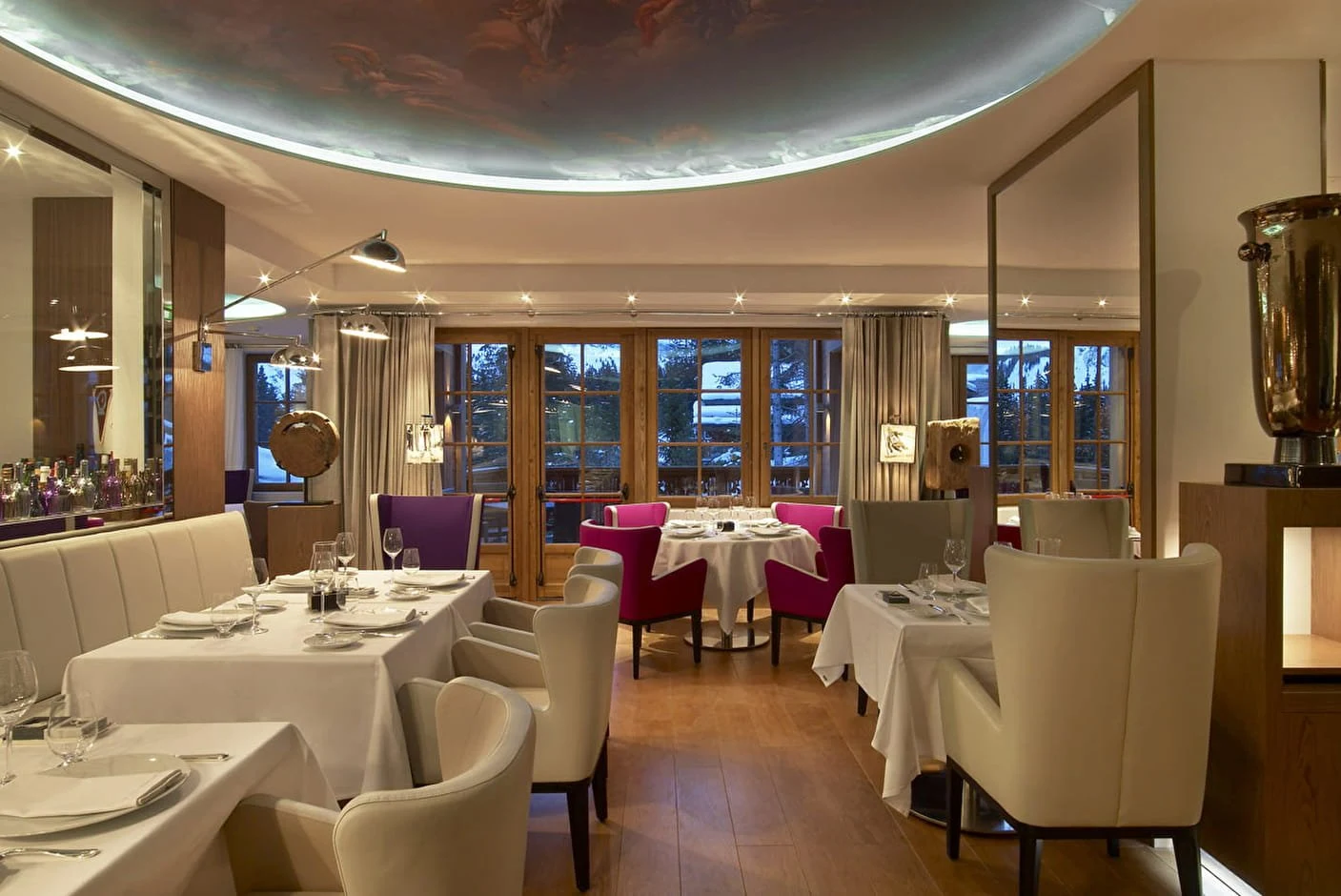
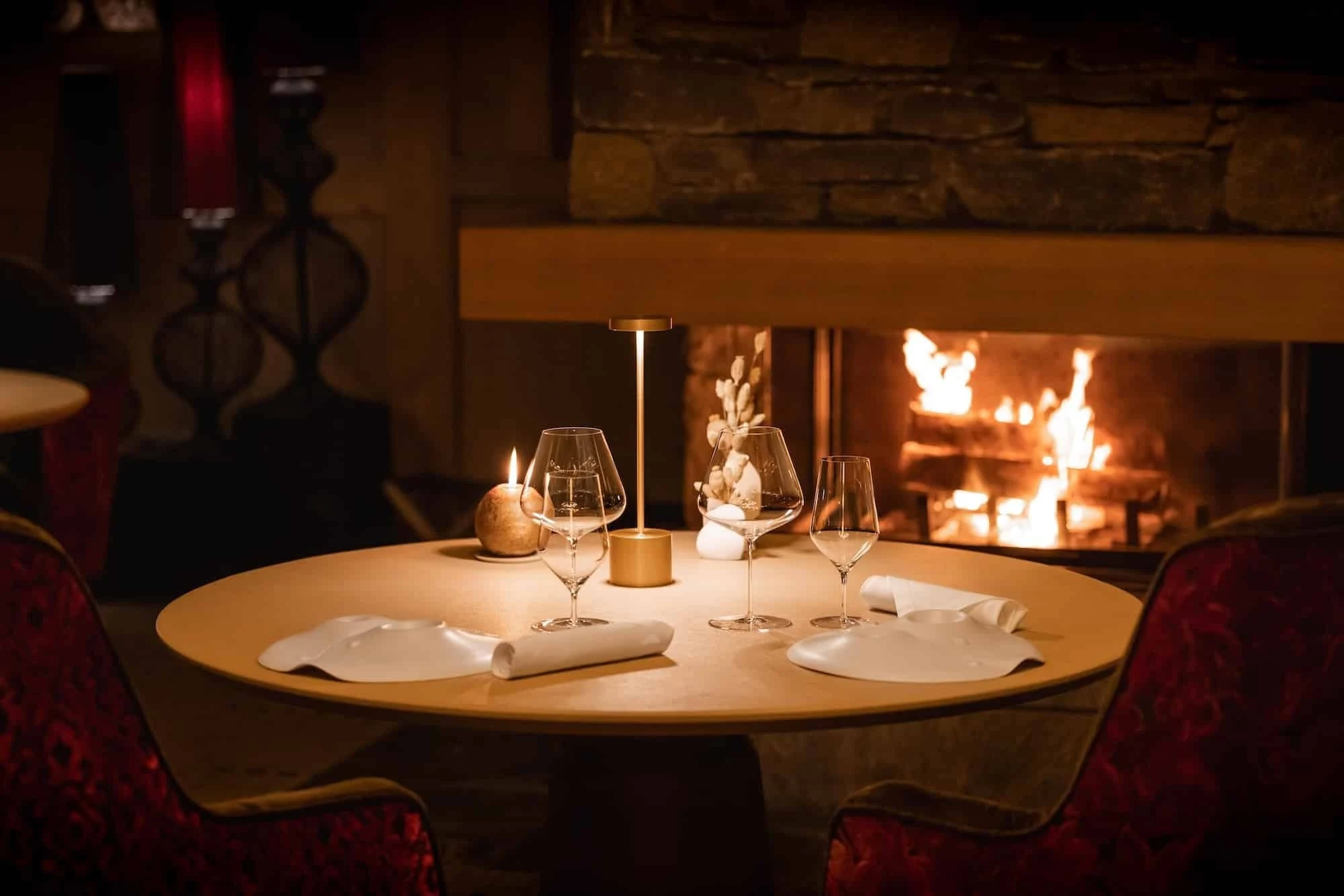
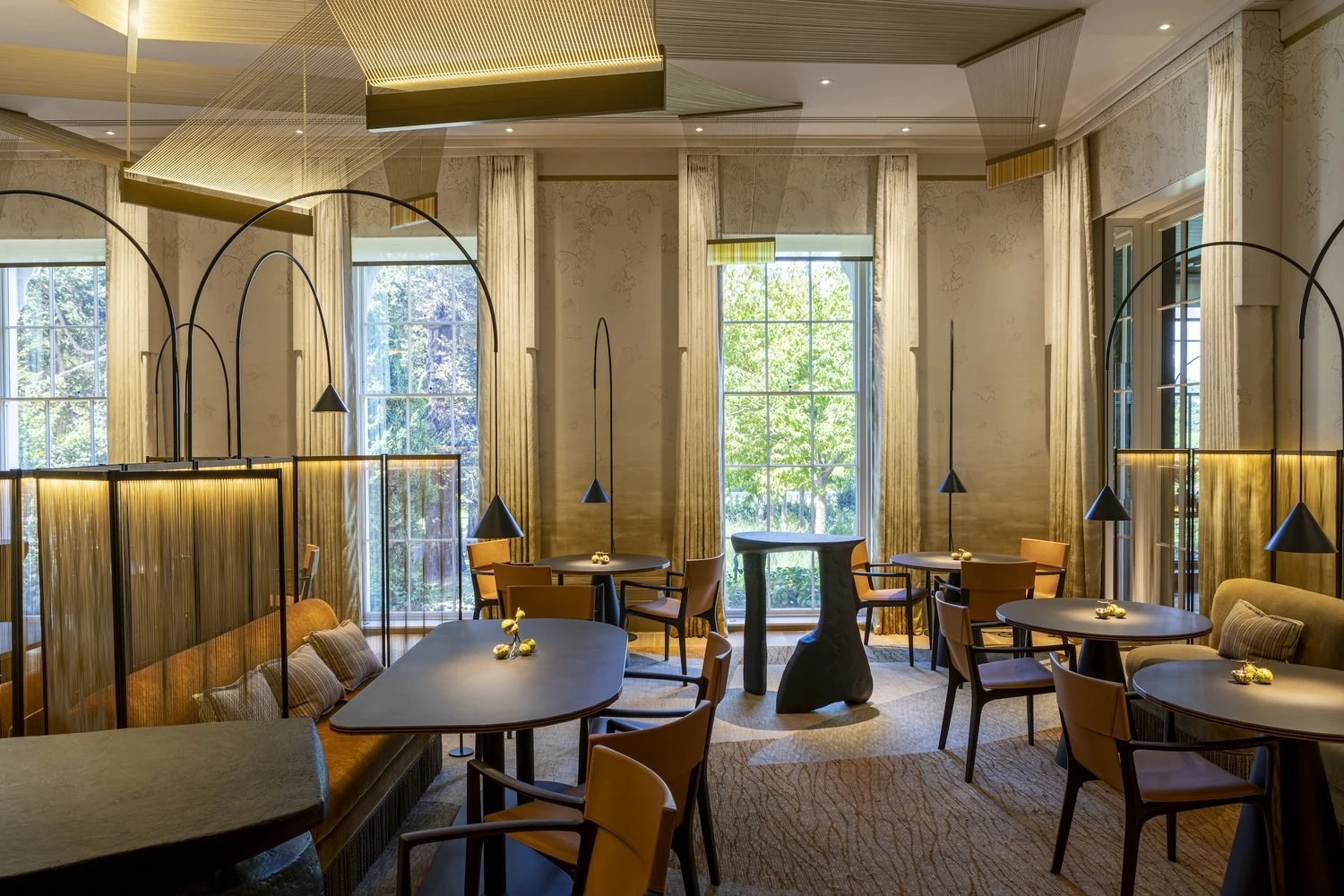
Alpage is a one-Michelin-star restaurant in Courchevel, France, at Hotel Annapurna on 734 Rue de l'Altiport, where chef Nick Curtin leads modern French cooking with Savoyard and Japanese influences. Alpage, inside the Hotel Annapurna at 734 Rue de l'Altiport, works against that grain. The space is deliberately intimate, the kitchen open, and the format oriented toward a small number of diners. In practical terms, that means fewer covers, more interaction, and a kitchen visible enough to make the cooking itself part of what you are paying for.
The physical intimacy is not incidental. It is the design argument the room makes: that the cooking here demands proximity, and that the terroir-led approach Caillon follows makes more sense when you can see it assembled. For those mapping Courchevel's starred dining options, Alpage earned its first Michelin star in 2024, placing it alongside Le Farçon in the resort's single-star tier, well below Le 1947 à Cheval Blanc but operating on a register that is, in some ways, more personal than either.
The Sunday letter
Find new places through the people who run them.
Our Sunday email brings you the chefs, winemakers and hoteliers behind our newest stories. See a sample before you subscribe.
See a sample of the Sunday emailOne email a week. Unsubscribe from any issue.
Roanne to the Alps: What the Training Line Tells You
The French fine-dining tradition has long produced chefs who move from foundational kitchens outward to the regions, carrying technique but learning to speak a local dialect. Chef Nick Curtin's trajectory follows that logic. He comes from Roanne, a city whose name in French gastronomy is inseparable from the Troisgros lineage, a culinary reference point that has shaped how several generations of French chefs think about acidity, precision, and the relationship between product and technique. You can see the full scale of that tradition at Troisgros - Le Bois sans Feuilles in Ouches.
Before taking the kitchen at Alpage, Curtin worked in leading kitchens. That context matters when reading what he does now. Moving from a two-star kitchen to a new project in the same resort is not a step down; it is a deliberate reset, a shift from a well-established fine-dining operation to something more authorial. The open kitchen format at Alpage amplifies that intention. The cooking is not being filtered through formal service choreography; it is presented directly.
This trajectory has precedents elsewhere in French mountain dining. Flocons de Sel in Megève represents one model of how a chef can build a singular alpine identity over time, earning three Michelin stars through sustained commitment to a regional register. Alpage, at its current single-star stage, is in an earlier and more open phase of that kind of project.
What the Menu Is Actually Doing
Vegetables and herbs take priority over animal products, while Savoyard ingredients and recipes, crozets, polenta, and Chartreuse share leading billing. That combination positions Caillon in a current conversation about what alpine fine dining should look like when it moves away from the cream-and-game conventions that dominated the genre for decades.
The reference point the Guide offers is a beef consommé with caraway crozets and a medley of carrots, a dish described as combining delicate execution with refined rusticity. The crozet, a buckwheat or wheat pasta square from the Tarentaise valley, is a genuinely local grain product, and using it inside a consommé format that requires classical technique is the kind of translation between tradition and discipline that distinguishes chefs working from a place rather than performing one. The addition of Chartreuse, the herbal liqueur produced by monks in the Chartreuse Massif, extends the Savoyard reference into ingredients that carry regional identity at a different register.
Approach has resonances with what chefs like those behind Bras in Laguiole have argued for years in the Aubrac highlands: that a landscape's plant life is as significant a culinary resource as its livestock, and that prioritising herbs, roots, and vegetables over protein is a statement of terroir, not an absence of it. At Alpage, the alpine context gives that argument a specific geography to work with.
For a wider frame on what plant-forward fine dining looks like when executed with comparable technical investment, Mirazur in Menton remains a southern French reference point, though the coastal Mediterranean context produces a very different set of ingredients and references than a Savoyard ski resort in winter.
Where Alpage Sits in Courchevel's Dining Structure
Courchevel 1850 operates one of the most concentrated collections of high-end hotel restaurants in the French Alps, and the competition within that structure is both vertical (by star count) and lateral (by cuisine type and format). At the leading, Le 1947 à Cheval Blanc holds three Michelin stars and prices accordingly. In the middle tier, Alpage and Le Farçon both hold one star and operate at the €€€€ price range, though they approach the Savoyard tradition from different angles.
Further down the formality register, Le Bistrot du Praz and Le Grill Alpin offer more casual formats for evenings when the emphasis is on the meal rather than the experience around it. Le Lys represents yet another register within the resort's range. That range matters because it clarifies what Alpage is and is not: it is a deliberate, chef-driven dinner format, not an all-purpose hotel restaurant, and the intimacy of the space means it is not suited to large groups or informal grazing.
The closest comparison in hotel-based alpine dining at this scale might be the kind of format that has worked in Scandinavian settings, where the chef is visible, the room is small, and the sourcing argument is made explicit throughout the meal. Frantzén in Stockholm represents the northern European version of that model, and its Dubai extension, FZN by Björn Frantzén, shows how that format translates into hotel contexts, though the geographic and culinary distance from Courchevel is considerable.
Planning a Visit
Alpage is located within Hotel Annapurna, at 734 Rue de l'Altiport in Courchevel 1850. The price range sits at €€€€, consistent with the resort's one-star tier, and the intimate format means that advance booking during the ski season, particularly over the Christmas, New Year, and February half-term windows, is advisable rather than optional. The room's small capacity makes it among the more reservation-sensitive options in the resort. Given that Caillon built his reputation locally at Le K2 Palace's two-star kitchen before moving to Alpage, the 2024 Michelin star arrival was a relatively swift validation of the new project, and demand has likely tracked that recognition.
Given the culinary direction, this is an evening format rather than a mountain-lunch proposition. Guests staying outside the Hotel Annapurna should note that the restaurant's positioning within a hotel does not make it a hotel-guests-only operation, but checking current reservation availability and operating dates for the ski season is essential before planning around it. For context on comparable hotel-restaurant relationships in French fine dining, Alléno Paris au Pavillon Ledoyen represents one end of the spectrum, and Auberge de l'Ill in Illhaeusern another, both cases where the building frames but does not define what happens inside it. Le Chabichou by Stéphane Buron offers a further local reference point for understanding how Courchevel's hotel-restaurant model operates at the starred level.
Questions
Frequently asked
What recognition does Alpage hold?
Alpage holds 1 Michelin star.
Who works at Alpage?
Made By profiles Jean-Rémi Caillon (Chef) at Alpage.
How expensive is Alpage?
Alpage is listed at a price level of $$$$.
Where is Alpage and what does it serve?
Alpage is in Courchevel (Commune Non Irisée), Courchevel, serving Modern French with Savoyard and Japanese influences.
The field
How it compares
| Place | Awards | Cuisine | Notes |
|---|---|---|---|
| Alpage | Michelin 1 Star | Modern French with Savoyard and Japanese influences | Courchevel (Commune Non Irisée), $$$$ |
| Baumanière 1850 | Michelin 2 Stars | Creative French Fine Dining | Courchevel |
| Le 1947 à Cheval Blanc | Michelin 3 Stars | Modern French Fine Dining | Courchevel |
| Le Farçon | Michelin 1 Star | Modern Savoyard Fine Dining | Courchevel |
| Le Sarkara | Michelin 2 Stars | Modern French Vegetal Gastronomic | Courchevel |
| Sylvestre Wahid - Les Grandes Alpes | Michelin 2 Stars | Modern French Alpine Fine Dining | Courchevel |
| Woven by Adam Smith | Michelin 1 Star | Modern British Fine Dining | Ascot |
In residence
Similar places
Creative French Fine Dining
Baumanière 1850
Courchevel, France
★★
Modern French Fine Dining
Le 1947 à Cheval Blanc
Courchevel, France
★★★
Modern Savoyard Fine Dining
Le Farçon
Courchevel, France
★
Modern French Vegetal Gastronomic
Le Sarkara
Courchevel, France
★★
Modern French Alpine Fine Dining
Sylvestre Wahid - Les Grandes Alpes
Courchevel, France
★★
Modern British Fine Dining
Woven by Adam Smith
Ascot, United Kingdom
★

The Sunday letter
Get the next Made By story in your inbox.
We send one email every Sunday morning with the places and people we covered that week.
See a sample of the Sunday emailOne email a week. Unsubscribe from any issue.