Sangiovese on blue clay soils
- Falstaff Winery - 2 Stars · 2026
Blue clay before the cellar
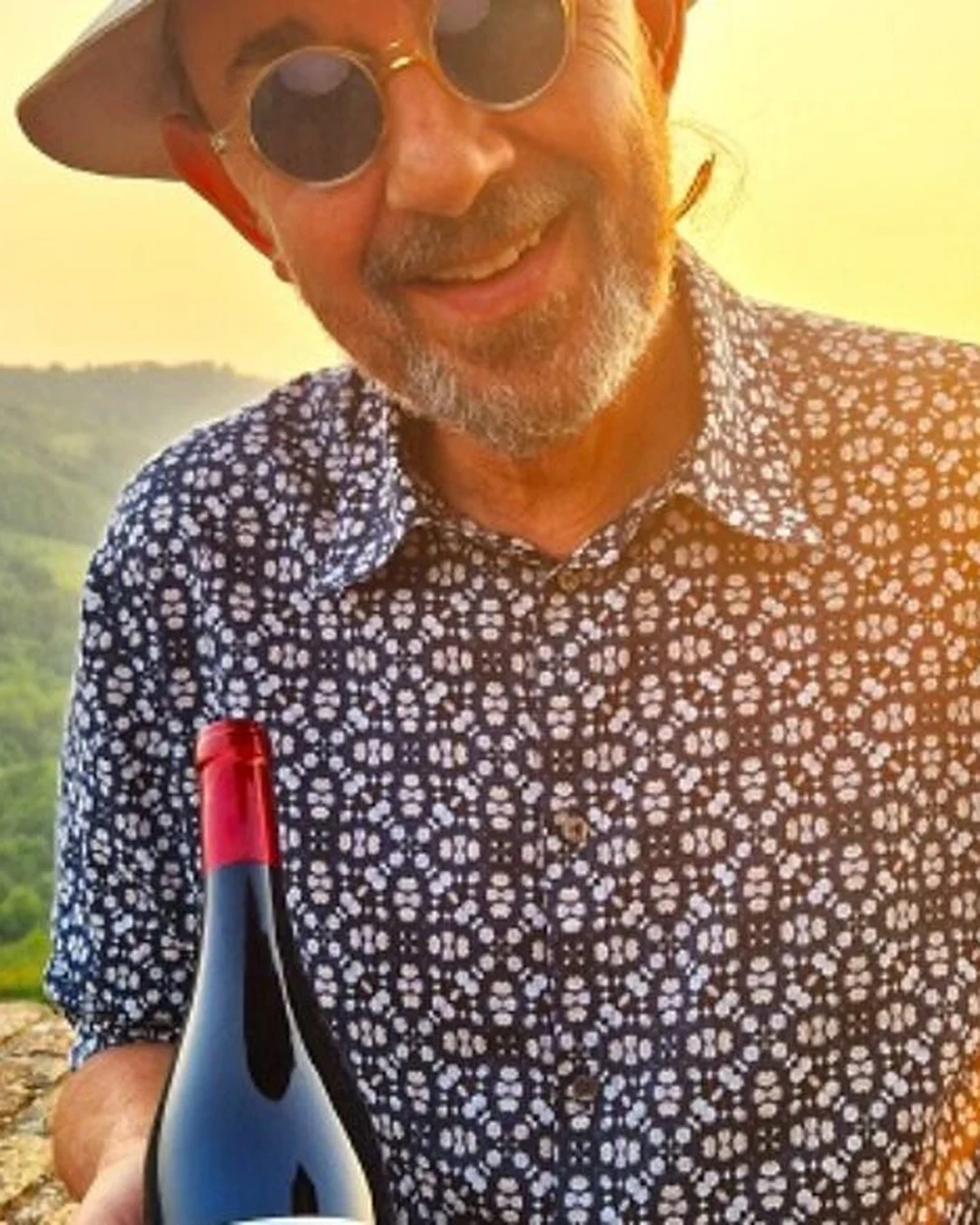
Blue clay sets the pace before the cellar does. Marco Vianello, co-owner and winemaker at Amaracmand in Roncofreddo, works from Sorrivoli’s hills with Sangiovese as the main grammar. He founded the estate in 2013 after a winter that he still uses to explain the beginning: in 2012, at Villagrande di Montecopiolo, more than four metres of snow left him isolated for a week. The purchase that followed brought a shuttered winery back into use, and gave his work a fixed piece of Romagna to answer to.
Vianello speaks about wine through imperfection rather than polish. His stated affection is for blends of native grape varieties, because they make a wine less repeatable and more itself. At Amaracmand, that conviction sits inside a small family-run organic estate rather than a volume cellar. The role is not separated from ownership; he carries the place as founder, co-owner, and winemaker, with the practical pressure that each decision in the vineyard and cellar returns to the same name on the bottle.
Native grapes, low sulphur, slow correction
The program is built around organic farming, natural fermentation, indigenous yeasts, and minimal intervention. Amaracmand works on the blue clay and tuff soils of Sorrivoli di Roncofreddo, at about 265 metres, close enough to the Adriatic coast for sea influence to matter and high enough for ripening to keep some restraint. Sangiovese anchors the estate’s still red wines, with DOC Romagna and IGT Rubicone as the principal frame. The cellar also produces sparkling wine.
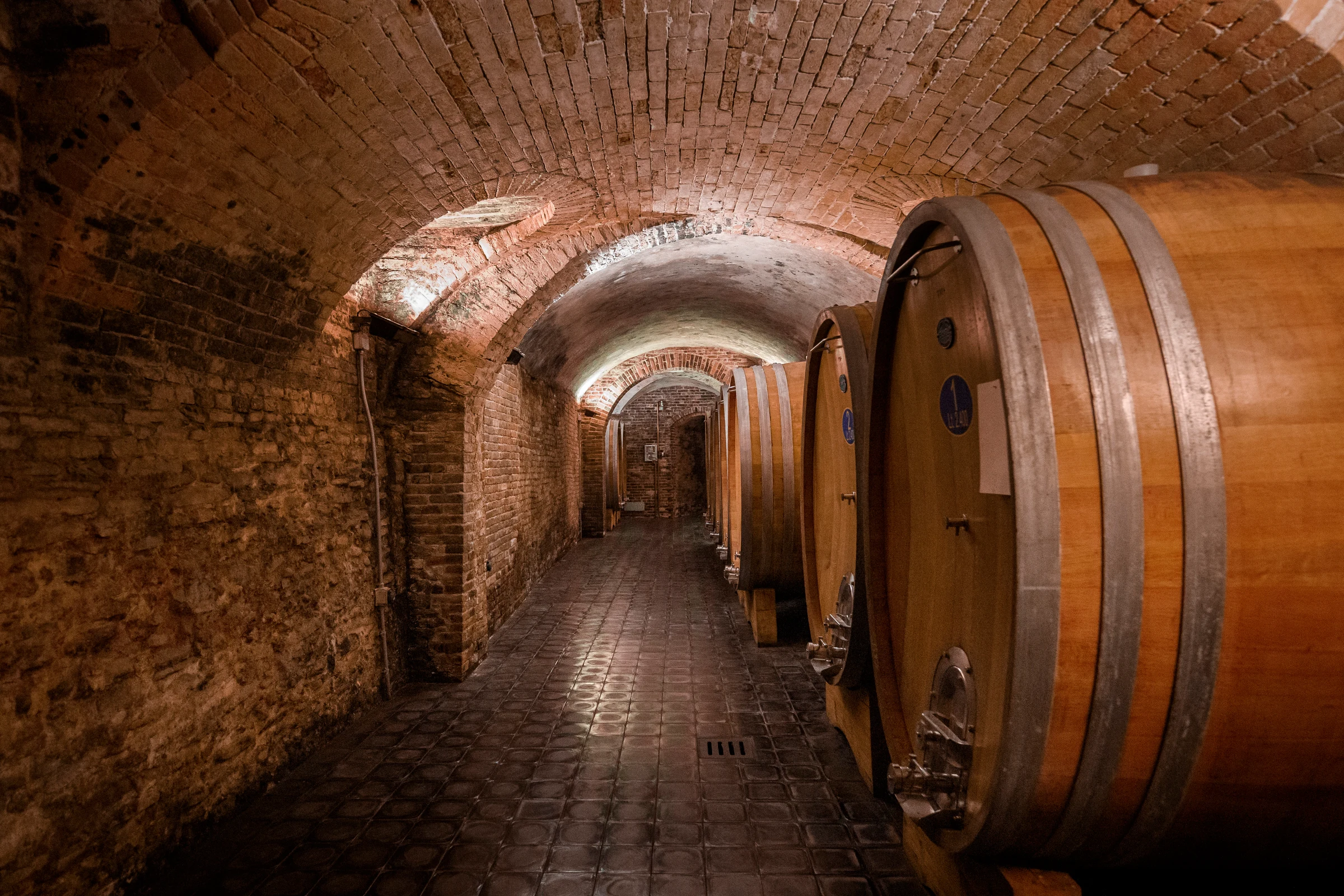
The house is small by design, under 50,000 bottles a year, and the stated emphasis is not scale but low-sulphite wines tied to territory. Fermentation relies on the native microflora rather than commercial yeast. Red wines may rest in stainless steel or neutral oak, a choice that keeps the fruit and soil closer to the front of the glass than the vessel. For sparkling wines, secondary fermentation takes place in bottle. The method is not presented as austerity for its own sake; it is the long way because Vianello wants the wine’s uneven edges to remain legible.
The hill, the tasting room, the quiet
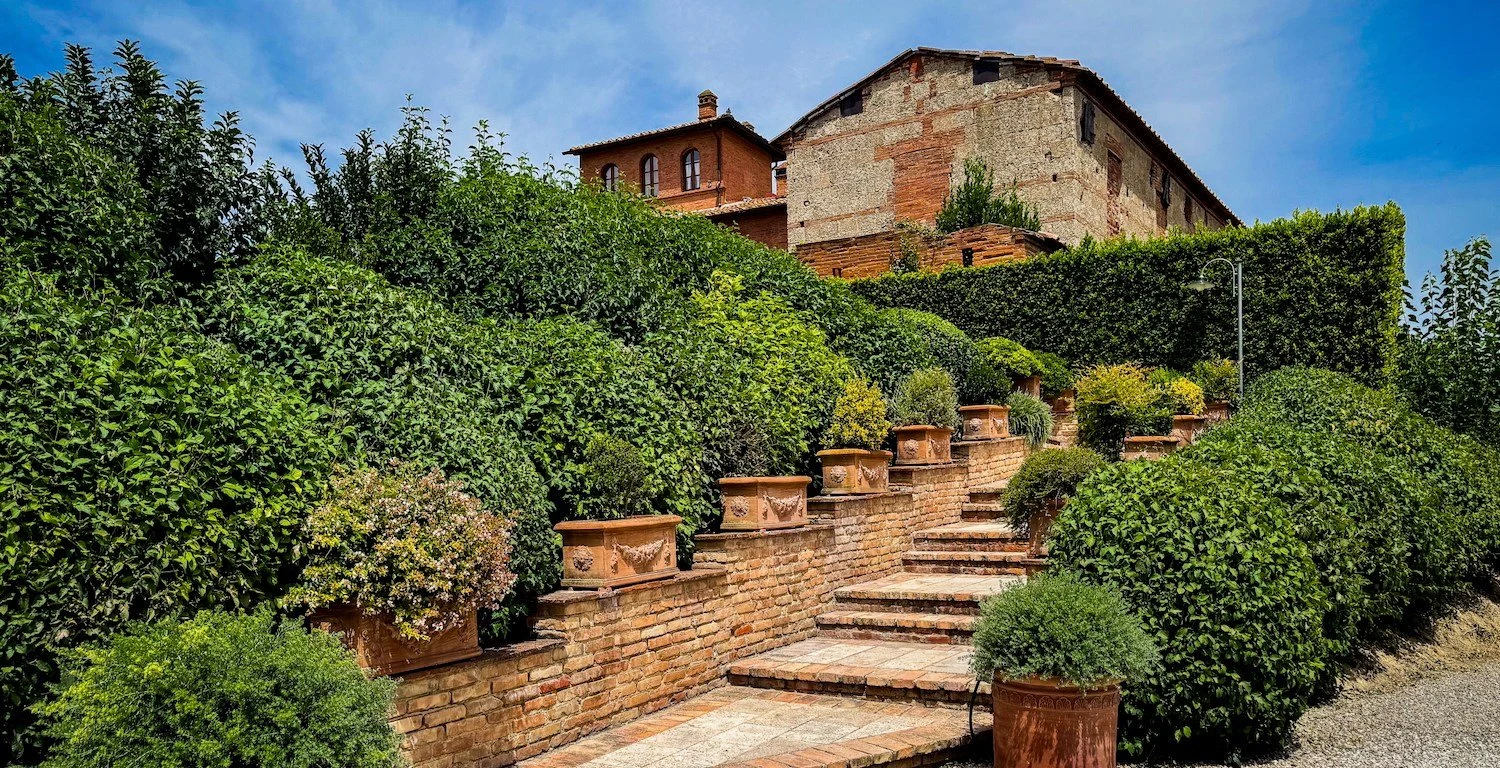
The estate is not an urban tasting room with a vineyard attached. It sits in the forested countryside of Sorrivoli, within Roncofreddo, where the approach to the cellar passes through a working agricultural landscape. The room holds the mood of a family estate: quiet, rustic, and close to the land that gives it its vocabulary. The tasting glass points back outside, toward blue clay, tuff, and rows of Sangiovese rather than toward decoration.
That quiet matters to the way the wines are read. Amaracmand’s portfolio includes Imperfetto, Perimea, and Madame Titì, names that make sense beside Vianello’s own sentence about style: imperfection creates it. The next movement here does not need announcing; it is already in the discipline of each native blend and each bottle of Imperfetto.
Questions
Frequently asked
Who is behind Amaracmand?
Marco Vianello is the co-owner and winemaker at Amaracmand, and he founded the estate in 2013.
What kind of wine does Amaracmand make?
The estate works mainly with Sangiovese, alongside blends of native grape varieties, and also produces sparkling wine.
How is the wine made here?
Amaracmand uses organic farming, natural fermentation, indigenous yeasts, and minimal intervention, with red wines resting in stainless steel or neutral oak and sparkling wines undergoing secondary fermentation in bottle.
What should visitors know before going?
Amaracmand is appointment only, and there is an on-site parking lot.
The field
How it compares
| Place | Notes | Awards |
|---|---|---|
| Amaracmand | Sorrivoli, $$ | · |
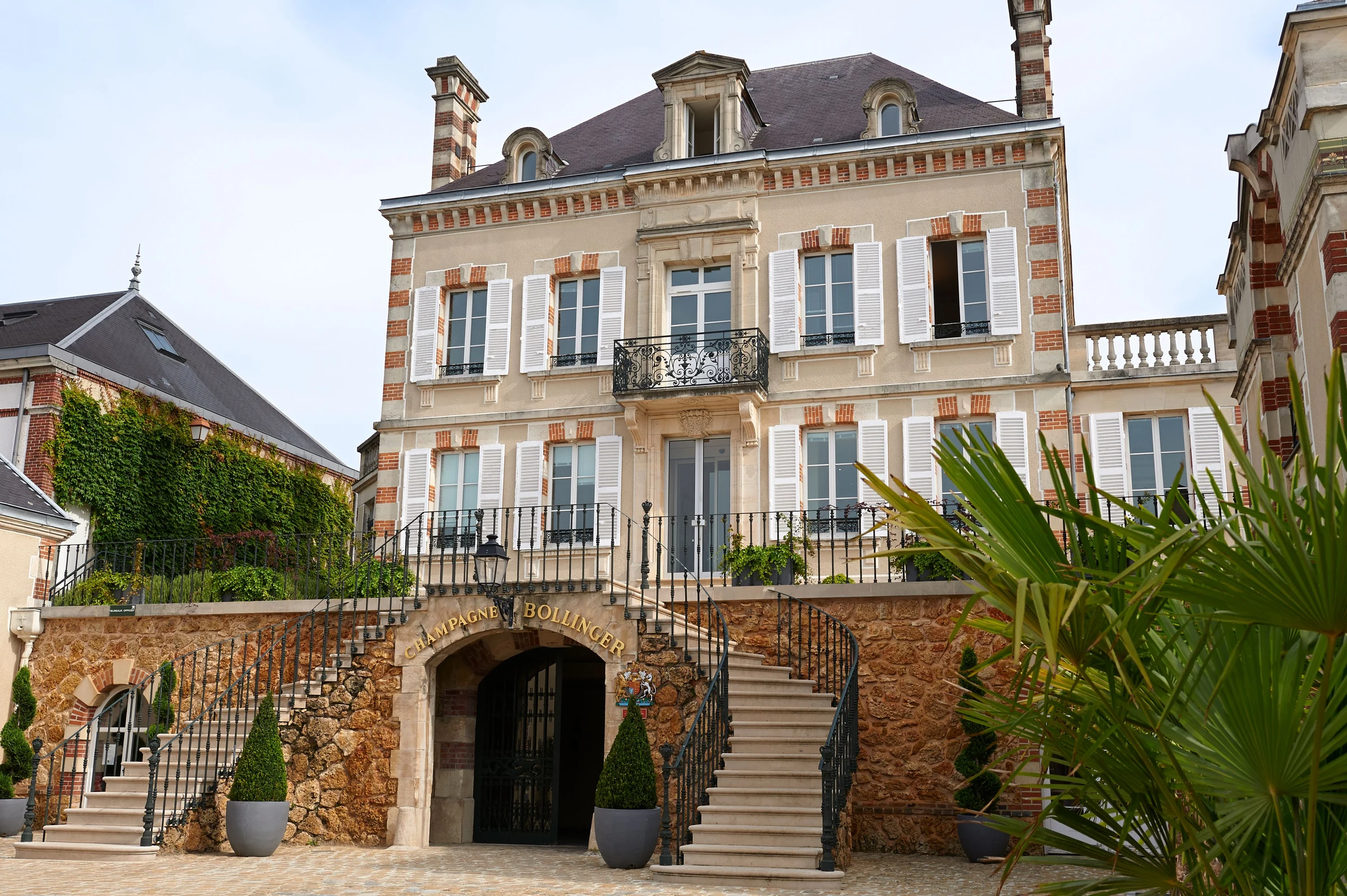
| Bollinger | Aÿ | World's 50 Best |
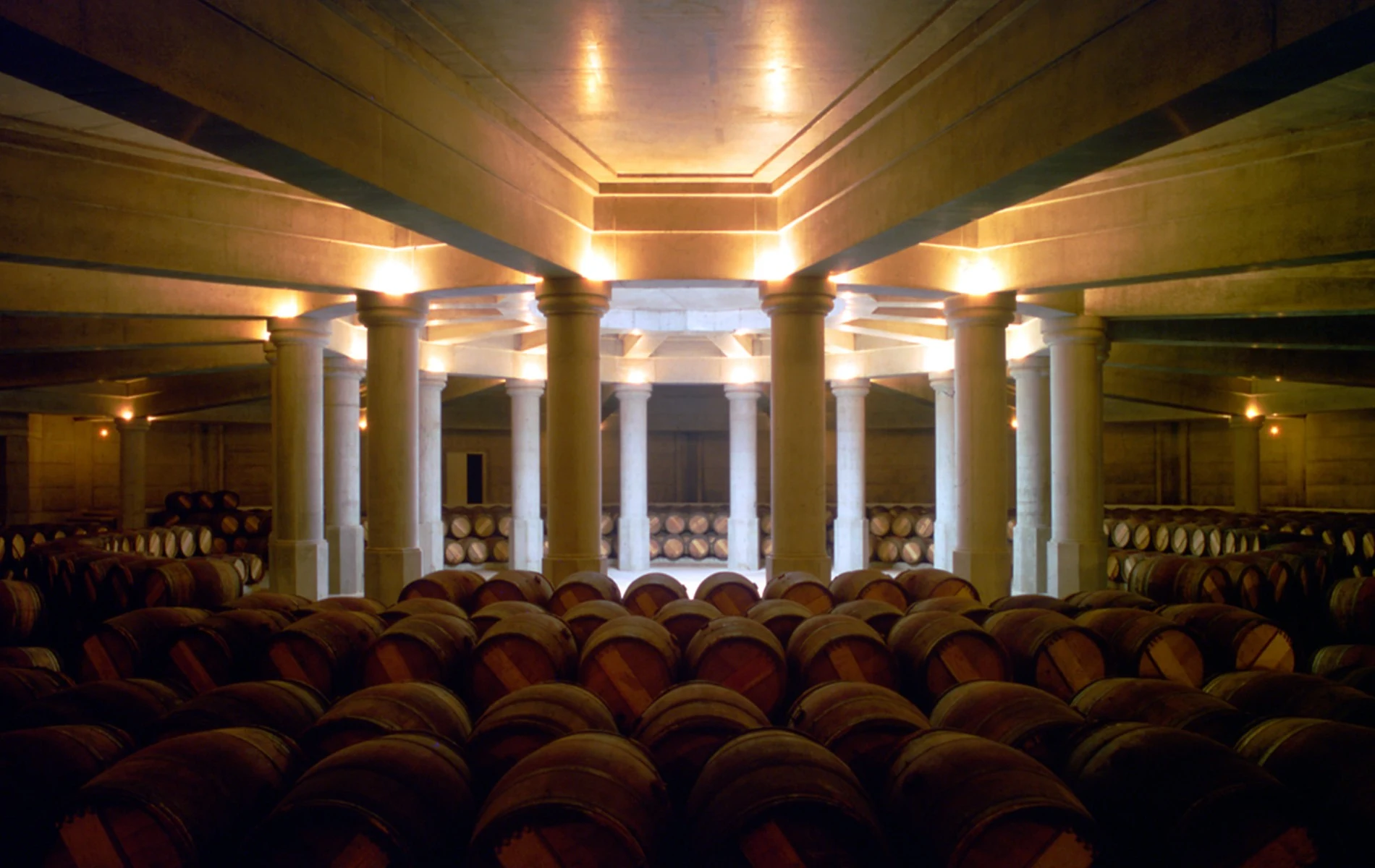
| Chateau Lafite Rothschild | Pauillac | · |
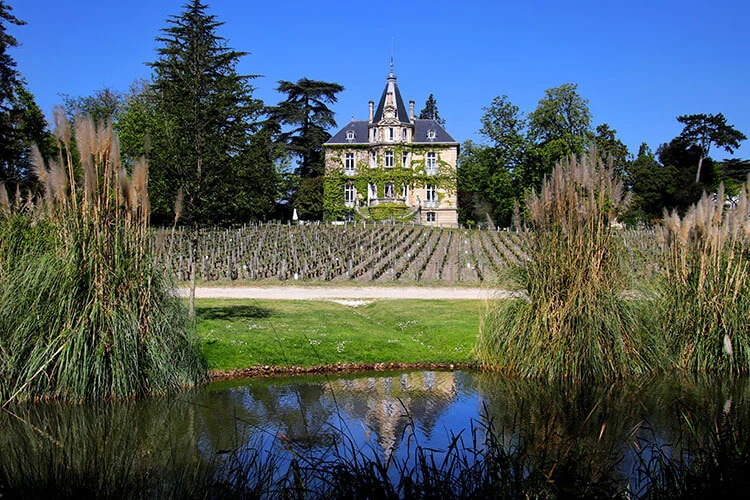
| Château Les Carmes Haut-Brion | Bordeaux | · |
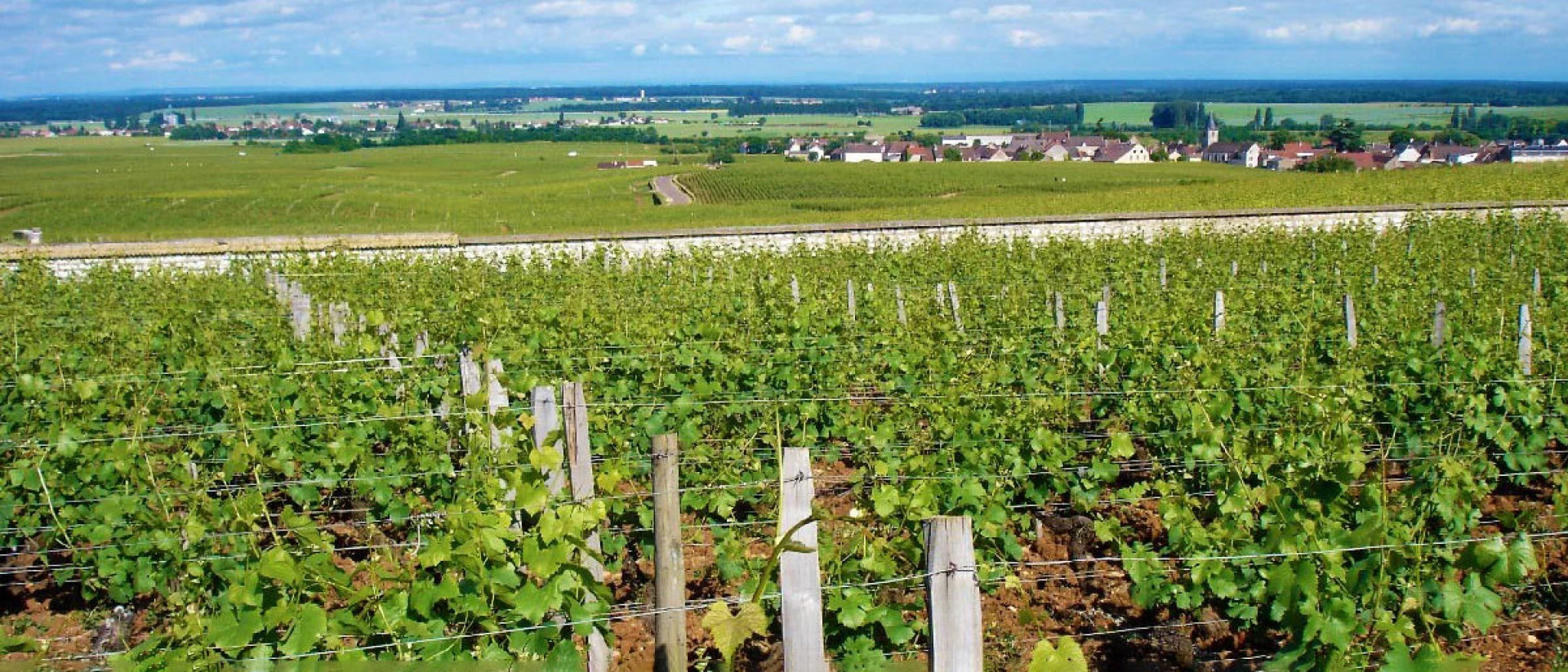
| Domaine Méo-Camuzet | Vosne-Romanée | · |
| Gaja | Barbaresco | World's 50 Best |
| Schloss Johannisberg | Geisenheim-Johannisberg | World's 50 Best |