- Falstaff Winery - Listed · 2026
Aneto Wines in Penajoia is best understood as a small, family-run Douro winery rather than a grand visitor complex. The picture is simple and grounded: a functional cellar, a cozy tasting space, and an intimate atmosphere built around conversation, the winemaking process, and views over the surrounding vineyards and the Douro river. It is the kind of place whose appeal depends less on scale and more on proximity: proximity to the people explaining the wine, to the working setting where it is made, and to the landscape that frames the visit.
What can be said with confidence is that Aneto Wines offers a personal, low-key winery visit in Penajoia, with a moderate price positioning listed as $$. That makes it best approached with clear expectations: not as a broad hospitality complex, and not as a destination padded out with unrelated experiences, but as a focused Douro stop where the tasting and the explanation of the winemaking process sit at the center.
A small Douro winery visit in Penajoia
The appeal here is not scale or spectacle. Aneto Wines is described as a small, family-run Douro winery with a simple cellar and a cozy tasting area. That makes it a fit for visitors who want a quieter introduction to the winemaking process and a more direct sense of the surrounding vineyard landscape. The simplicity is important, because it helps define the rhythm of the visit: more conversational than theatrical, more grounded than glossy, and more about understanding the winery’s work than moving through a large visitor itinerary.
The setting is part of the experience. The visit is associated with views over vineyards and the Douro river, which gives the tasting context without needing to turn the winery into a large-format attraction. For travelers who prefer a personal explanation over a polished production, that intimate scale is the main reason to consider it. The surrounding landscape does not need to be oversold; it gives the visit its frame, reminding guests that the cellar and tasting space are connected to the vineyards and river around them.
Treat Aneto Wines as a modest, personal Douro winery stop in Penajoia rather than as a venue defined by technical specifics. Its strength, based on the available description, is the combination of working-cellar practicality and a welcoming tasting area, not an exhaustive list of facilities or claims. Visitors looking for clarity should think of it as a compact introduction to a Douro producer, where the experience comes from the setting, the conversation, and the small-scale feel.
A low-key alternative to grander wine tourism
Within Penajoia, Aneto Wines works well as a focused winery visit: compact, personal, and centered on explaining how the wine is made. Other dining or hospitality options in Penajoia can be considered separately, but the winery itself should not be presented as a restaurant-first destination unless confirmed directly by the venue. Keeping that distinction matters, because the reliable description points to a cellar and tasting experience rather than a broader dining proposition.
The comparison that matters most is between Aneto Wines and larger, more formal wine-tourism experiences. Aneto Wines is described as intimate and functional, with a family-run character and a cozy tasting space. That is enough to frame the visit honestly without adding unsupported claims about awards, production scale, specific bottles, or associated venues. In practical terms, this means the winery is most compelling for people who value directness: a smaller room, a simpler cellar context, and a visit shaped by explanation rather than spectacle.
For planning, assume a moderate $$ price category and check the winery’s official channels for current visiting arrangements. Because the experience is presented as personal and low-key, confirming details before going is especially sensible: the value of this kind of winery visit depends on arriving when the venue is prepared to receive guests and share the tasting in the right way. The core expectation should remain modest and focused, with the main reward being access to a small Douro winery atmosphere in Penajoia.
Who should put this on a Douro itinerary
Aneto Wines makes the most sense for travelers who prefer a personal cellar conversation to a large, staged tasting circuit. The draw is the combination of family-run scale, a simple working-cellar feel, a cozy tasting space, and views across vineyards and the Douro river. Those elements point to a visitor experience that is slower and more intimate, where the setting and the explanation carry as much weight as the tasting itself.
It is also a useful choice for visitors who want their Douro stop to feel practical and explanatory. The atmosphere is described as intimate and focused on sharing the winemaking process, so the value lies less in luxury cues and more in the chance to understand the place through a smaller producer’s lens. For an itinerary that already includes broader Douro scenery or more formal wine tourism, Aneto Wines can provide a quieter counterpoint: a modest, grounded winery visit in Penajoia that keeps the emphasis on the cellar, the tasting space, and the landscape immediately around it.
Questions
Frequently asked
Who works at Aneto Wines?
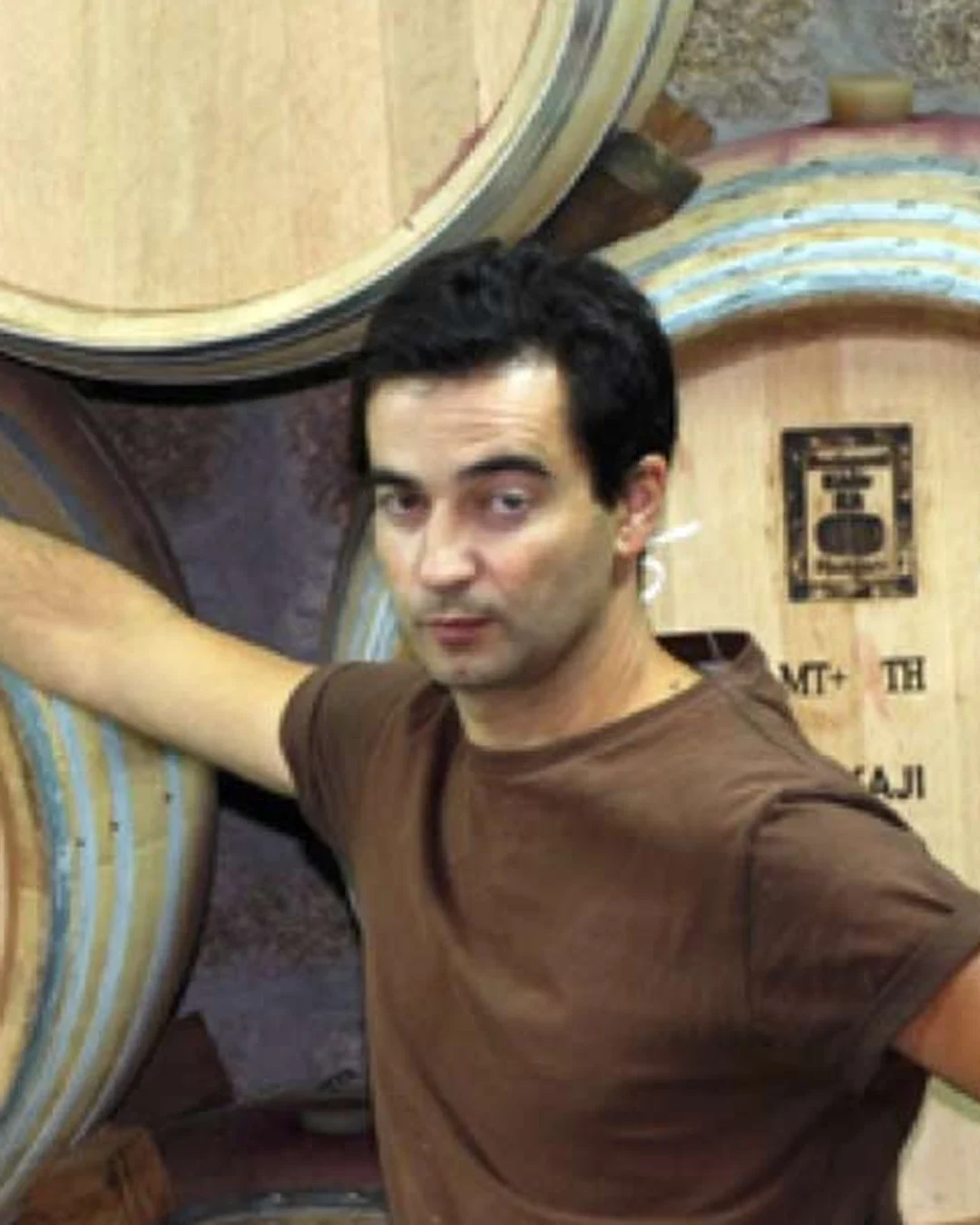
Made By profiles Francisco Montenegro (Winemaker) at Aneto Wines.
How expensive is Aneto Wines?
Aneto Wines is listed at a price level of $$.
The field
How it compares
| Place | Notes | Awards |
|---|---|---|
| Aneto Wines | Penajóia, $$ | · |
| Chateau Lafite Rothschild | Pauillac | · |
| Château Pontet-Canet | Pauillac | · |
| Domaine Hubert Lignier | Morey-Saint-Denis | · |
| Edmond Vatan | Vatan | · |
| Sequeirinha | Penajoia | · |
| Taittinger | Reims | World's 50 Best |