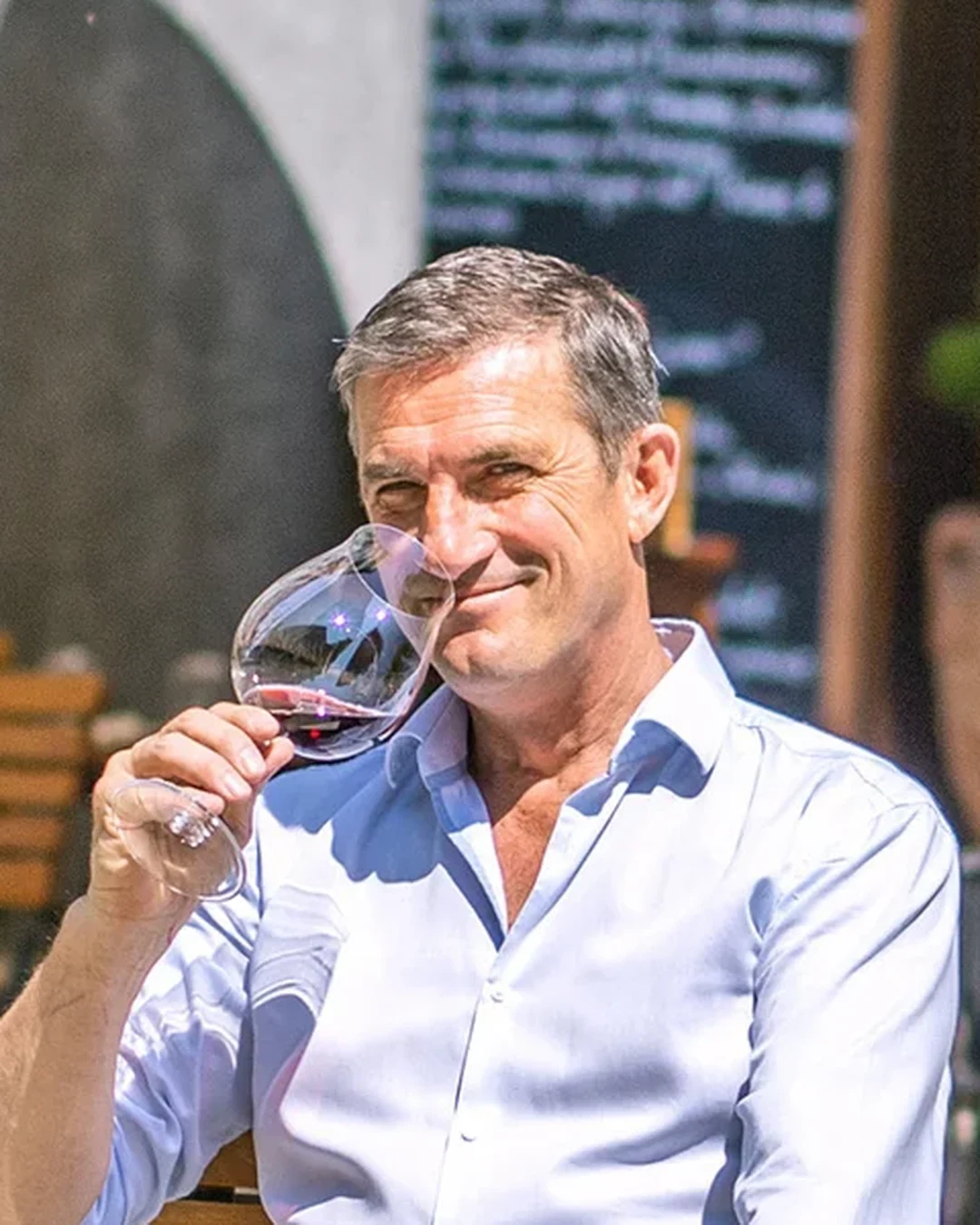
Antonio Bragato works as a négociant, making Friulian whites for Antonio Bragato in Berlin with partner vineyards there.
The choice comes before the cellar work: Antonio Bragato, winemaker at Antonio Bragato in Berlin, builds the wine from partner vineyards in the Colli Orientali del Friuli rather than from land he owns. The project began in 2004, after a career formed in rooms where timing matters: a wine bar in Jesolo, concierge work in Italy, hotel direction, then Il Calice in Berlin, which he founded in 1990. That service lineage shows in the way the label reads the market without letting the market set the method. Bragato works as a modern négociant, using selection, relationships, and cellar decisions as his tools. The central partnership is with Gianni Maccari at Ronco della Rocca, an agronomist and oenologist, and a former cellar master for Livio Felluga. Maccari’s work in the vines gives Bragato a precise point of contact with Friuli’s hills; Bragato’s role is to hold the style in focus. The result is not estate romance. It is a discipline of chosen fruit, close collaboration, and a palate trained by years at the table.
The program stays close to white wine and to the Colli Orientali del Friuli DOC, with Sauvignon Blanc, Chardonnay, Friulano, and Pinot Bianco at the center. The partner vineyards cover about 12 hectares, and the cultivation is close to nature, with sustainable practice as the working principle rather than a certification claim. The cellar choices are specific to each wine. Sereno Bianco brings together Pinot Bianco, Sauvignon, Friulano, and Chardonnay, with the 2022 blend given as 80% Pinot Bianco, 10% Sauvignon, 5% Friulano, and 5% Chardonnay, then matured for 7 months in stainless steel on fine yeast. Aromenstrauß Sauvignon Blanc stays with one grape and rests for 9 months in stainless steel on fine yeast. Rio delle Rose Chardonnay comes from vines over 80 years old and takes a different path: 14 months in barrique, 20% new, followed by 7 months on fine yeast. Bragato uses Diam closures across the wines, a quiet technical decision that suits the focus on longevity, freshness, minerality, and controlled development.
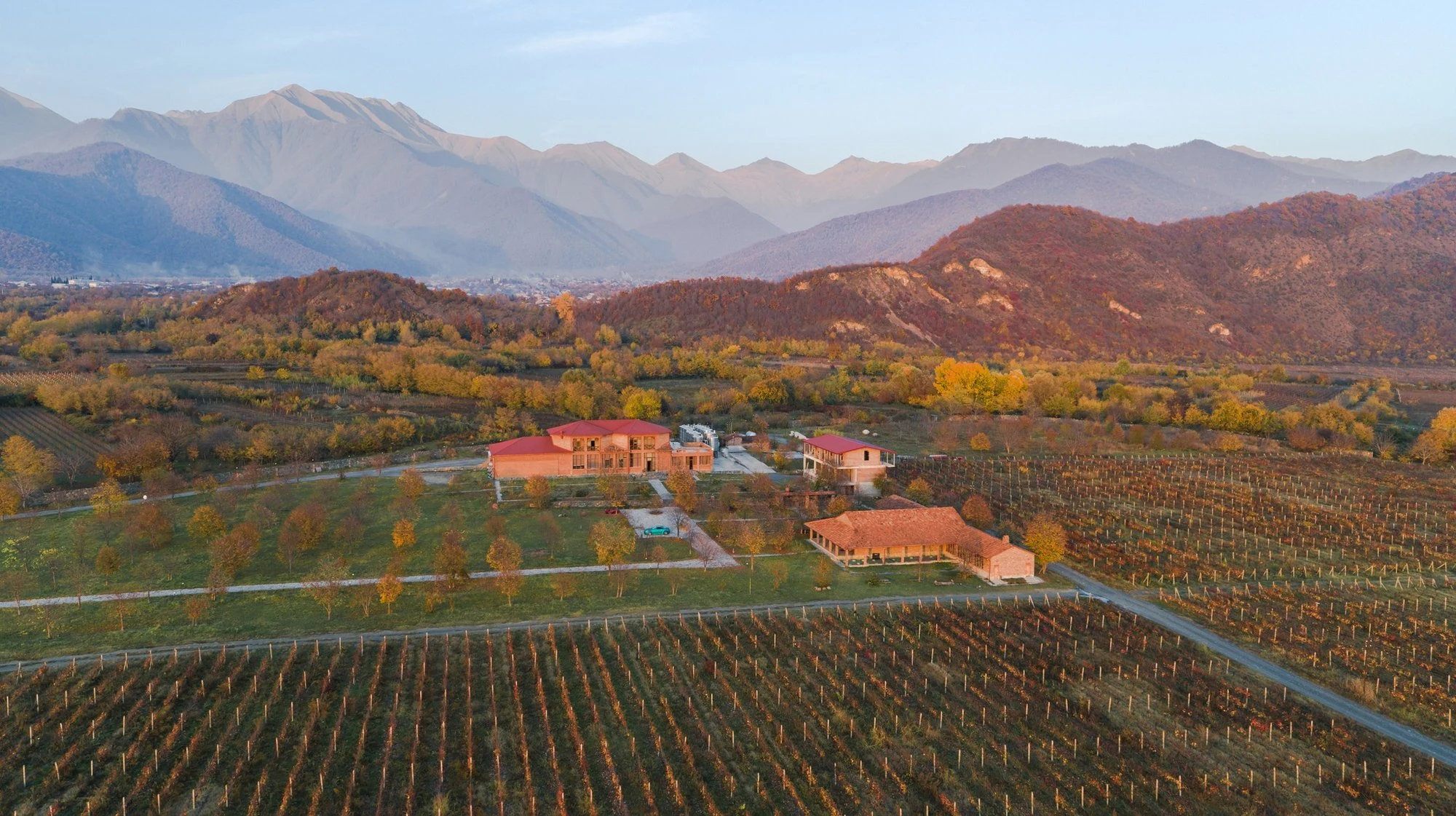
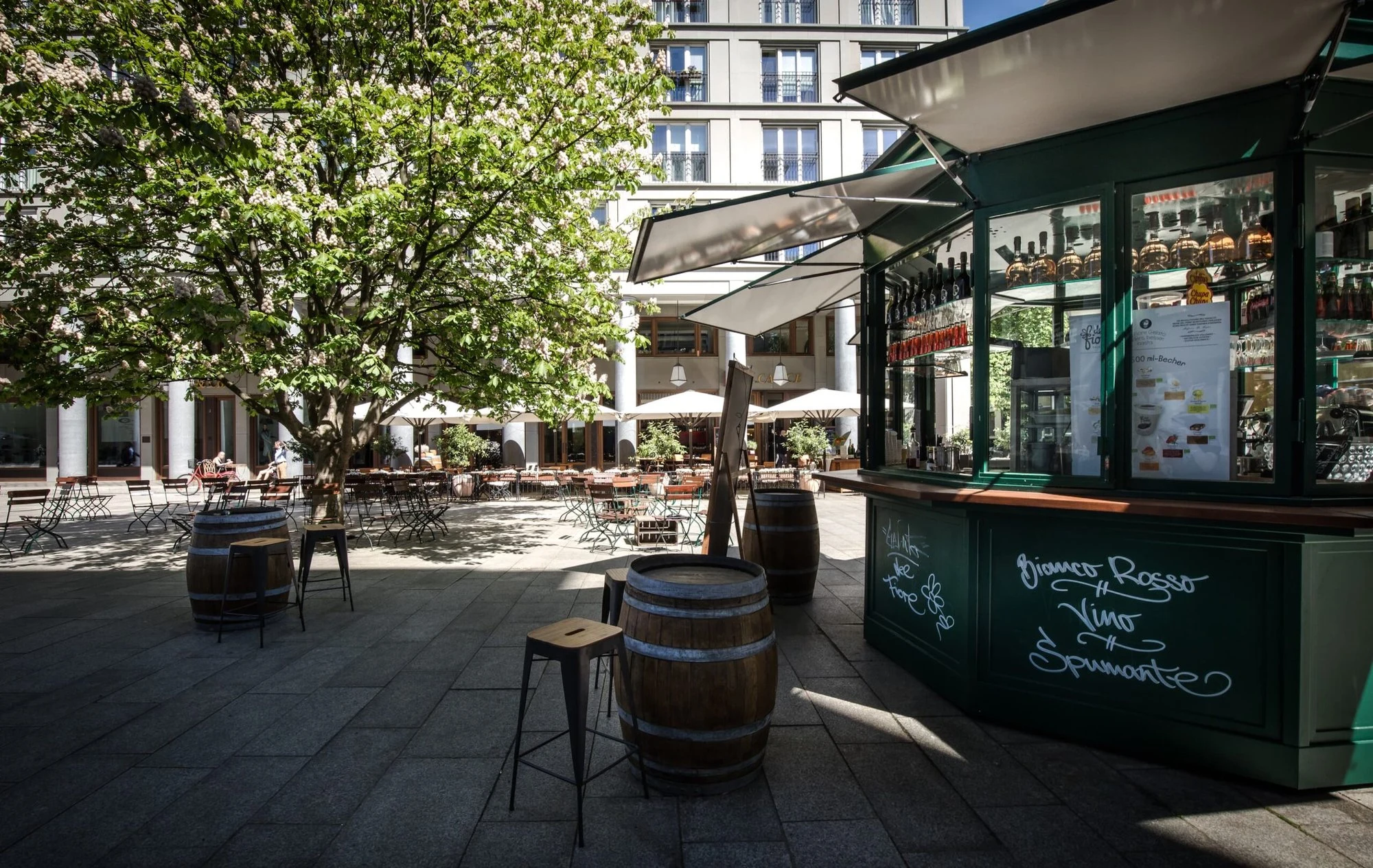
This is a winery project with its feet in two places. The fruit belongs to Friuli, to Ronco della Rocca and the hills around the Colli Orientali, but much of the hospitality intelligence comes from Berlin, where Bragato’s Il Calice has long functioned as a restaurant, wine bar, and listening post. The place has the quiet register of a maker who learned through service: the bottle reaches the table only after the vineyard, the blend, the élevage, and the guest have all been considered. There is no large estate theatre here, no procession through owned rows. The texture is more exacting than that: a Berlin counter, Friulian fruit, and a négociant’s insistence that selection is also a craft.
Bragato has said that wine interests him as a cultural product in motion, with each vintage showing different facets. That thought suits a label built on collaboration rather than possession. Very many winemaker families have worked with him for 30 years, and that span gives the project its steadiness: repeated judgment, repeated tasting, repeated trust. If the next movement is not announced as spectacle, it is still visible in the method, in the next stainless steel rest for Aromenstrauß Sauvignon Blanc.
Berlin, Friuli, Friuli-Venezia Giulia, Deutschland