Chelti Winery
- 01CityBerlin, Germany
- Falstaff Winery - Listed · 2026
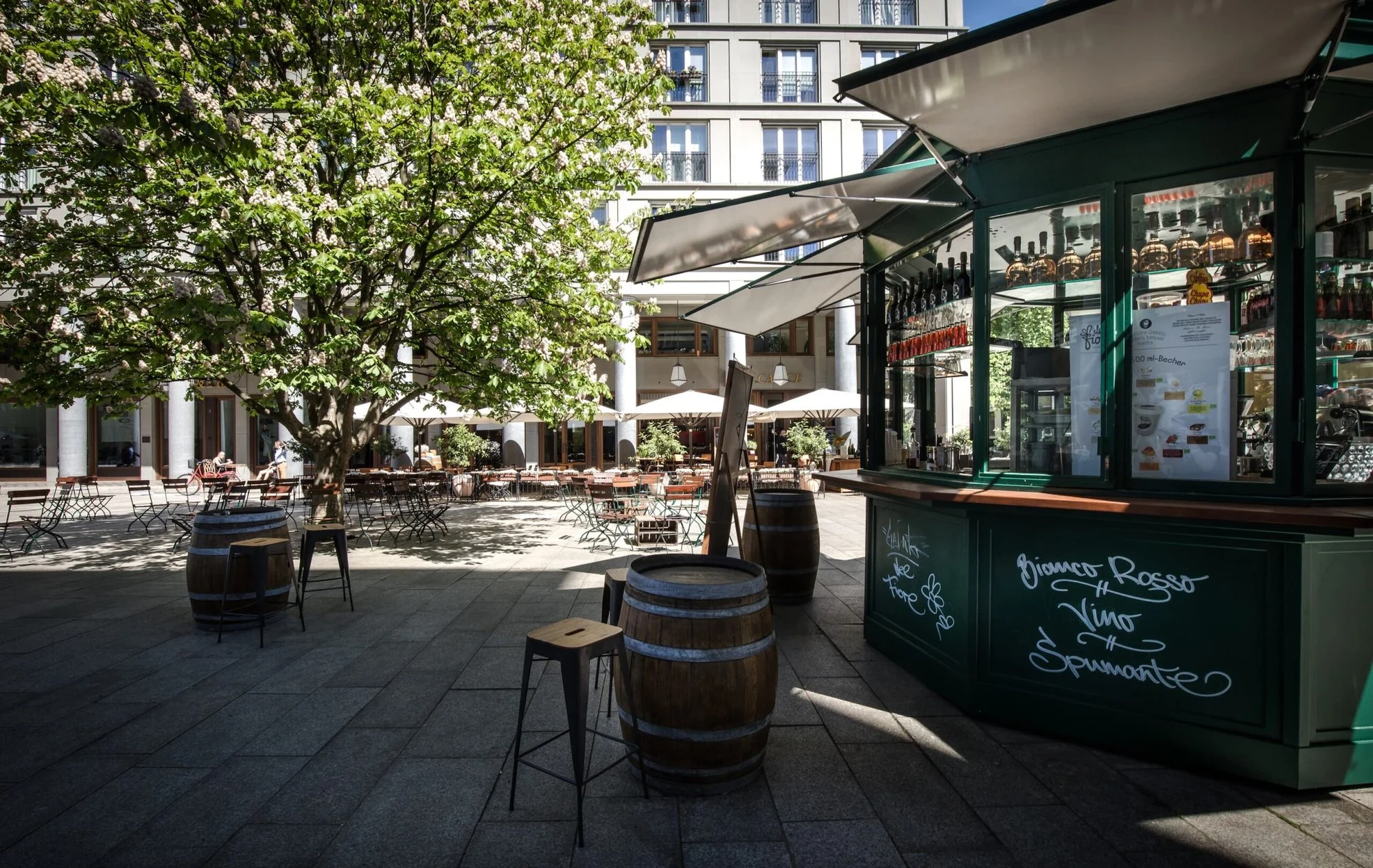
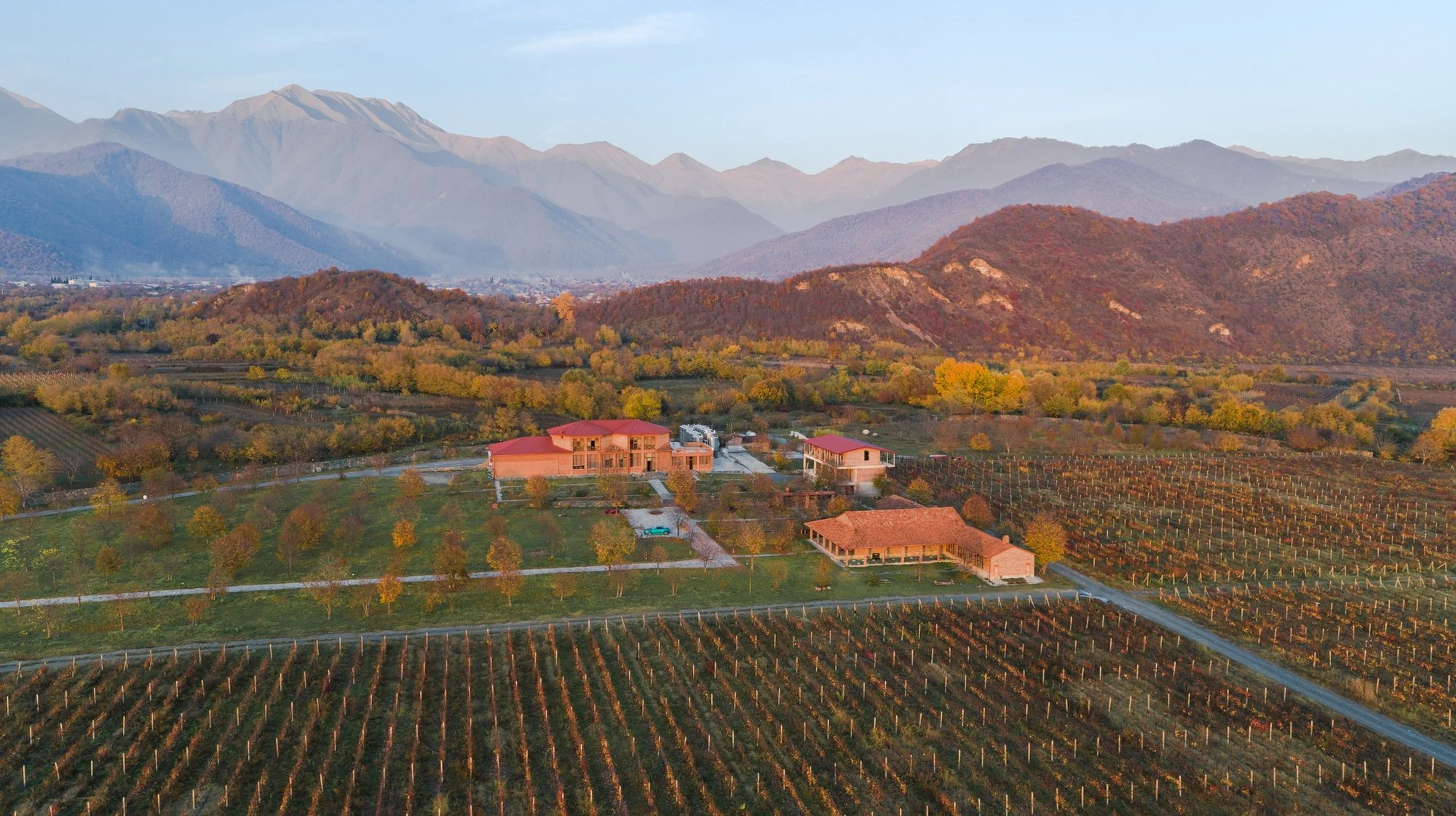
Berlin’s wine culture has room for focused, small-format encounters with producers from beyond Germany. At Chelti Winery, the emphasis is on a compact, conversational introduction to Georgian wine rather than a large visitor-center experience. The Berlin presence functions as a winery shop and tasting point for a family-run Georgian estate, with attention on premium estate wines, traditional Kakheti qvevri methods and modern cellar technology. That makes the setting less about spectacle and more about clarity: a place where the basic coordinates of the producer can be understood at close range, with the wines doing most of the explaining. For drinkers who may know Georgia primarily through the idea of ancient clay-vessel winemaking, Chelti Winery offers a more precise frame, connecting that tradition to a specific estate identity and to a contemporary way of presenting wine in Berlin.
Kakheti in the glass, not as folklore
Georgian wine is often introduced through its traditional clay-vessel methods, but Chelti Winery is best understood as a family-run Georgian producer with a Berlin setting designed for education. The story here is focused rather than sprawling: premium estate wines, Kakheti qvevri tradition and a modern approach to production are the core reference points. That narrower focus matters, because it keeps the experience from becoming a generalized overview of Georgian wine culture. Instead, the emphasis stays on how one estate chooses to express its origins, how it uses the inherited language of Kakheti winemaking, and how that language can be made legible to a Berlin audience.
Qvevri remains central to the identity presented in Berlin. The format gives guests a way to understand why traditional Georgian winemaking matters without turning the experience into a large-scale tourist stop. The shop-and-tasting model keeps the focus on learning, conversation and the wines themselves. In that kind of room, the clay-vessel tradition can be discussed as a working method rather than as a decorative story. It can be placed beside the estate’s modern cellar technology, not as a contradiction, but as part of the producer’s own balance between continuity and precision. The point is not to romanticize Kakheti from a distance; it is to show how the tradition functions in the glass and how it fits into the winery’s broader self-presentation.
It is better read as a Berlin access point for a Georgian winery that wants its estate wines and qvevri tradition explained clearly in an intimate setting. The intimacy is important because these are not wines that need to be flattened into quick talking points. They benefit from a slower explanation of place, method and producer intent. Chelti Winery’s Berlin presence gives that explanation a practical home, making the estate’s Georgian context approachable without diluting it into folklore.
Berlin's Georgian wine lesson is intimate by design
The value of the Berlin format is educational density. A small, intimate tasting environment suits these wines because the main work is translation: explaining the role of Kakheti qvevri methods, how tradition and modern technology can coexist, and why a family-run Georgian winery might feel distinct from more familiar European wine references. In a larger or more anonymous setting, those distinctions can easily become background information. Here, they are the structure of the experience. The guest is not simply sampling an imported bottle; they are being given a concise route into the producer’s way of thinking, with enough space for questions and comparison.
There is also a useful tension in the project. The wines come from a Georgian estate, but the audience is Berlin: a city receptive to specialist shops, small-format tastings and import-led wine culture. Chelti Winery sits neatly inside that crossover. It is not presented as a large visitor center; it is a Berlin shop and tasting presence for a Georgian winery with a focused educational purpose. That distinction helps define expectations. The appeal is not breadth for its own sake, but concentration: a family-run producer, its premium estate wines, the Kakheti qvevri tradition, and the contemporary production context that supports it. For Berlin drinkers, that can be a useful kind of encounter, especially because the wines arrive with a clear framework rather than only a label and a region name.
Drinkers mapping the wider city can place it within Berlin’s broader wine and dining scene, while keeping the focus on Chelti Winery for a Georgian estate-wine tasting experience in the city. It belongs to the side of Berlin wine culture that values specificity: a defined producer, a clear point of origin and a tasting environment built for explanation. Its strength is the way it narrows the subject without making it smaller. Georgian wine remains broad and complex, but Chelti Winery’s Berlin format offers one direct, estate-led path into it, anchored by Kakheti qvevri tradition, modern cellar work and the close conversational scale of a specialist shop and tasting point.
Questions
Frequently asked
How expensive is Chelti Winery?
Chelti Winery is listed at a price level of $$.
The field
How it compares
| Place | Notes | Awards |
|---|---|---|
| Chelti Winery | $$ | · |
| Antonio Bragato | Berlin | · |
| Avaa Verjus | Berlin | · |
| Britzer Wein | Berlin | · |
| Château Latour | Pauillac | · |
| Tiko Estate | Berlin | · |
| Viña VIK | San Vicente De Tagua Tagua | World's 50 Best |