Ao Yun
- 01CityAdong Village, China
- Falstaff Winery - Listed · 2026
Ao Yun in Adong Village is best understood through its setting: a remote, high-altitude Himalayan estate surrounded by steep mountain vineyards and traditional farming villages. The atmosphere is serene, almost mystical, with a strong sense of distance from busy commercial visitor infrastructure. Rather than reading like a conventional venue defined by a fixed public-facing format, it comes across first as a place shaped by altitude, landscape, and quiet rural context.
Because the public details are limited, this guide does not assert a specific service format, visiting schedule, menu, wine list, production figure, ownership history, vintage history, or tasting program. What can be stated with confidence is the premium positioning, the Adong Village location, and the distinctive mountain-estate character. That distinction matters: the responsible way to describe Ao Yun is to emphasize what is clearly supported, while avoiding assumptions about how a visit might operate on any particular day.
Himalayan estate character in Adong Village
Ao Yun’s strongest identity is scenic and site-led. It is described as iconic, elegant, rustic, and hidden, with steep vineyards and traditional farming villages shaping the mood around the estate. Those words point to a character that is not simply polished or rural, but a combination of both: refined in positioning, yet grounded in a dramatic mountain setting and the everyday texture of village surroundings.
That makes it different from a busy urban venue or a polished commercial visitor center. The appeal is not based on a dense cluster of nearby restaurants, shops, bars, or visitor attractions. Instead, the estate’s personality comes from the way the vineyards, mountains, and village landscape create a sense of separation. The environment feels central, not incidental, and the setting does much of the storytelling.
The experience, as far as information supports, should be framed around landscape and atmosphere rather than unconfirmed operational details. Travelers should understand Ao Yun as a remote estate environment in Adong Village, not as part of a dense dining or nightlife district. This means expectations should be shaped by the known qualities of the place: remoteness, altitude, scenery, rustic elegance, and a calm estate mood.
The listed price level is $$$$, placing Ao Yun in a premium bracket. Within the limited available information, that price signal reinforces the estate’s upscale positioning, but it should not be stretched into claims about particular inclusions, service rituals, or visitor experiences.
A setting shaped by remoteness, not commercial bustle
Ao Yun’s appeal rests on the contrast between high-altitude Himalayan scenery and the quiet texture of traditional farming villages. The surrounding vineyards and mountain setting give the place a calm, rarefied quality. This is the kind of profile where the sense of arrival, distance, and landscape can matter as much as any formal venue category.
Remoteness is not just a logistical detail here; it is part of the identity described by the available information. Ao Yun is presented as hidden and scenic, and those qualities suggest a venue whose character depends on being away from heavy commercial circulation. The lack of bustle supports the serene mood, allowing the estate to be understood through space, elevation, and the visual rhythm of steep vineyards rather than through urban convenience.
For wider planning in Adong Village, treat Ao Yun as a distinctive estate and consider other local options generically rather than assuming a specific connected program at the venue. Since no specific public schedule, menu, tasting structure, or service format should be inferred, visitors should separate the confirmed identity of the place from any practical details that would need direct confirmation.
The premium price level is part of the profile, but the more meaningful point is atmospheric: Ao Yun is a hidden, scenic, rustic-elegant estate where the landscape is central to the sense of place. The setting gives the venue its strongest editorial shape, making it less about commercial bustle and more about a mountain-estate presence in Adong Village.
Why this estate matters in Adong Village
Ao Yun stands out because its profile is unusually focused on place. The available facts point to a remote Himalayan estate, steep mountain vineyards, traditional farming villages, and a serene mood rather than a conventional commercial visitor center. In that sense, its importance in Adong Village is tied to how clearly it expresses its surroundings.
Comparisons should stay close to what is known. In Adong Village, other venues can be considered generically for planning, but Ao Yun’s own appeal is tied to its high-altitude estate setting. It should not be evaluated as though it were a standard restaurant, nightlife venue, or urban tasting room unless such details are confirmed directly. The safer and more accurate reading is as a premium estate whose public identity is built around landscape, remoteness, and atmosphere.
The verdict is simple: Ao Yun is a premium, scenic estate in Adong Village with an iconic, elegant, rustic, and hidden atmosphere. Plan around the setting, and confirm any specific services directly before relying on them. For readers and travelers, the key is to appreciate the clarity of what is known while respecting the limits of what has not been publicly established.
Questions
Frequently asked
How expensive is Ao Yun?
Ao Yun is listed at a price level of $$$$.
The field
How it compares
| Place | Notes | Awards |
|---|---|---|
| Ao Yun | Adong Village, Deqin County, Yunnan, $$$$ | · |
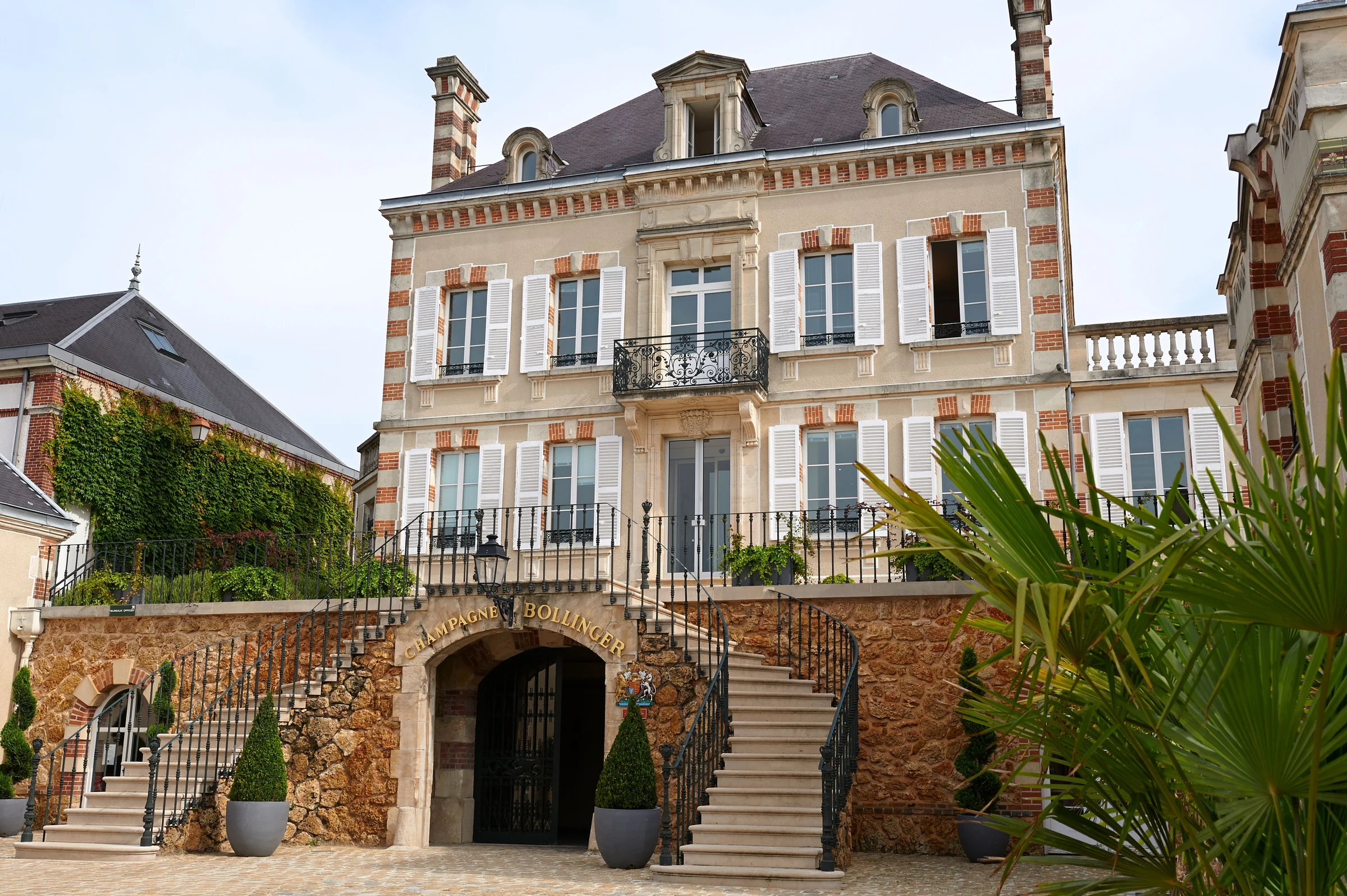
| Bollinger | Aÿ | World's 50 Best |
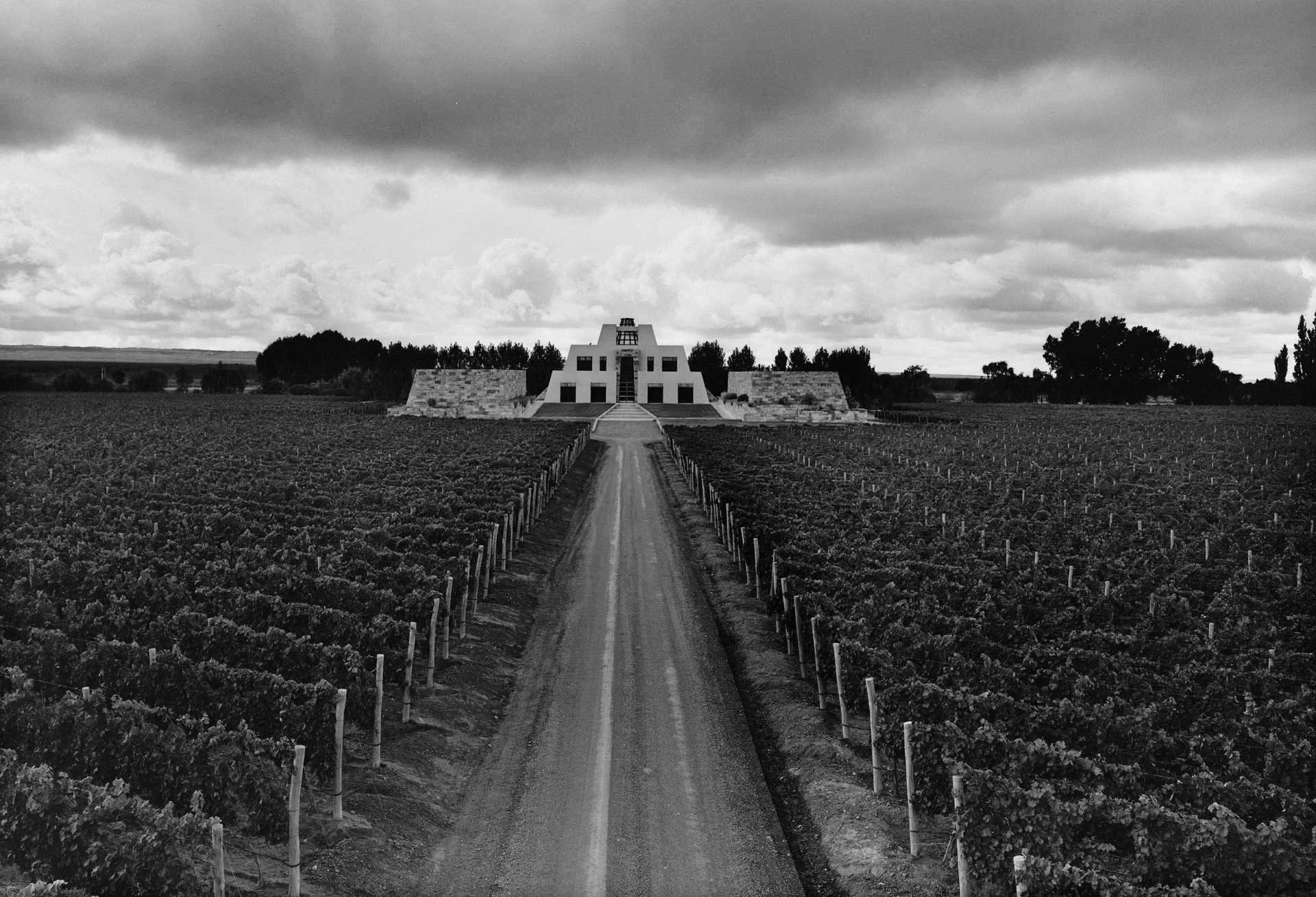
| Catena Zapata | Agrelo | World's 50 Best |
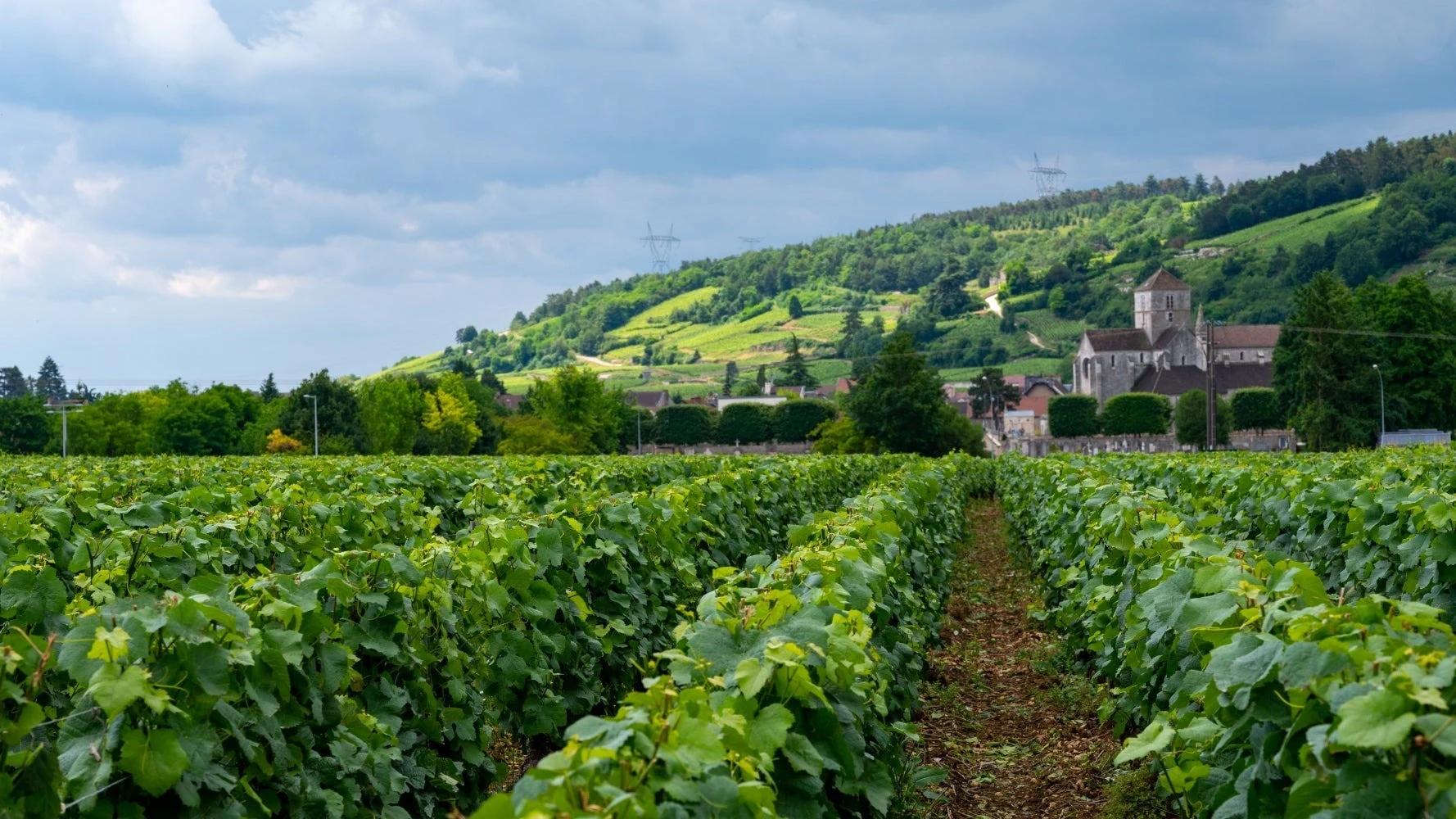
| Domaine Comte Georges de Vogüé | Chambolle-Musigny | · |
| Domaine Leroy | Vosne-Romanée | · |
| Ruinart | Reims | World's 50 Best |
| Vega Sicilia | Valbuena de Duero | · |