Araki
- 01CuisineSeasonal Japanese Tempura and Kaiseki
- 02CityNara, Japan
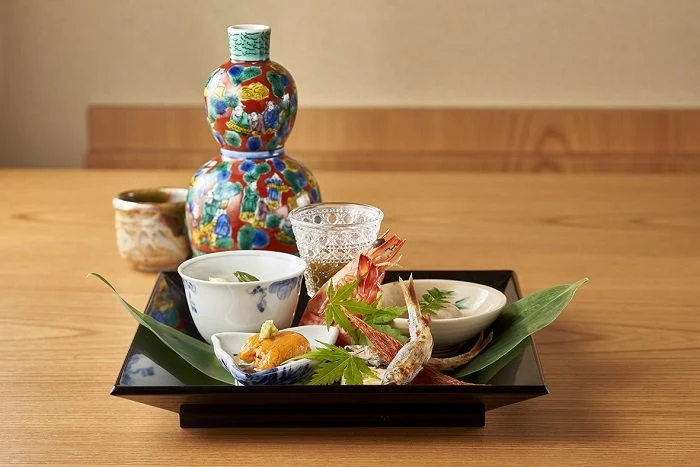
Market fish, tempura, dashi chazuke
- Tabelog Bronze #23: 4.2pts · 2026
- Michelin Plate · 2026
- Michelin Plate · 2025
- Tabelog 100 #20: 4.1pts · 2025
- Tabelog Bronze · 2025
- Michelin Plate · 2024
- Opinionated About Dining Top Restaurants in Asia Ranked #24 · 2023
Market work before the oil heats
Araki was established in 2010 in Gakuenkita, a three-minute walk from Gakuenmae Station, and its method begins long before service with market selection at four in the morning. The house reads the character for food as something that improves people, and that plain idea becomes concrete through fish, local vegetables and eggs chosen for the day rather than ordered to a standing list. A kitchen that buys daily has to cook to what it found, which removes the safety of a fixed menu and puts the judgment back on the cook.
The house is particular about regional seafood, including hamo from Awaji and longtooth grouper from Wakayama. Those ingredients do not need a loud frame. They need clean handling, heat held in check, and a sequence that lets the season stay legible from the first course to the last.
Tempura and kaiseki, two different tests
Tempura gives the kitchen one kind of test: batter, oil, moisture and timing have to meet at the same instant, and there is no second attempt once a piece has been lifted. Kaiseki gives it another, where progression and proportion do the work across a course rather than in a single gesture. Running both from one bench is a demanding pairing, because one asks for speed and the other for patience.
The closing gesture is specific: Kyoto-style dashi chazuke with chirimen sansho on rice, a warm finish built on broth, grain and the lift of peppered small fish. It is a modest ending by design, and it tells the guest what the meal was about. The beverage programme stays close to that structure, with sake, shochu and wine selected around seasonal ingredients rather than assembled for spectacle.
A quiet room around the pass
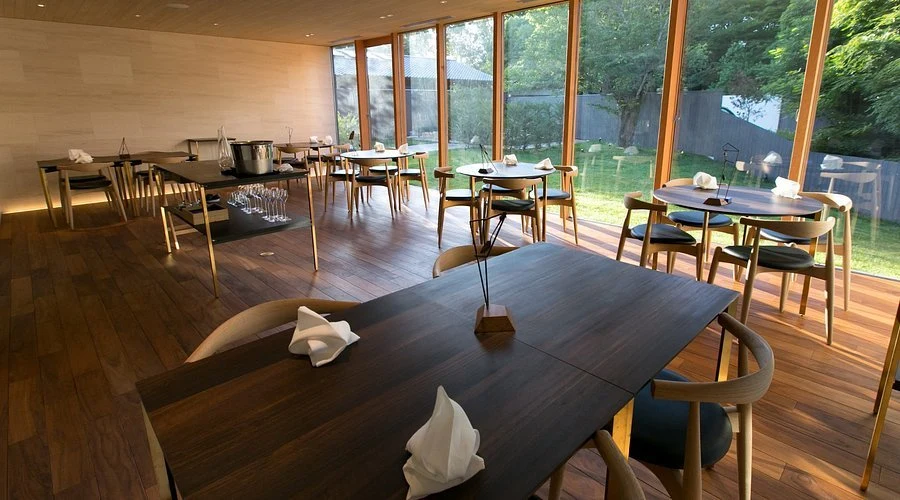
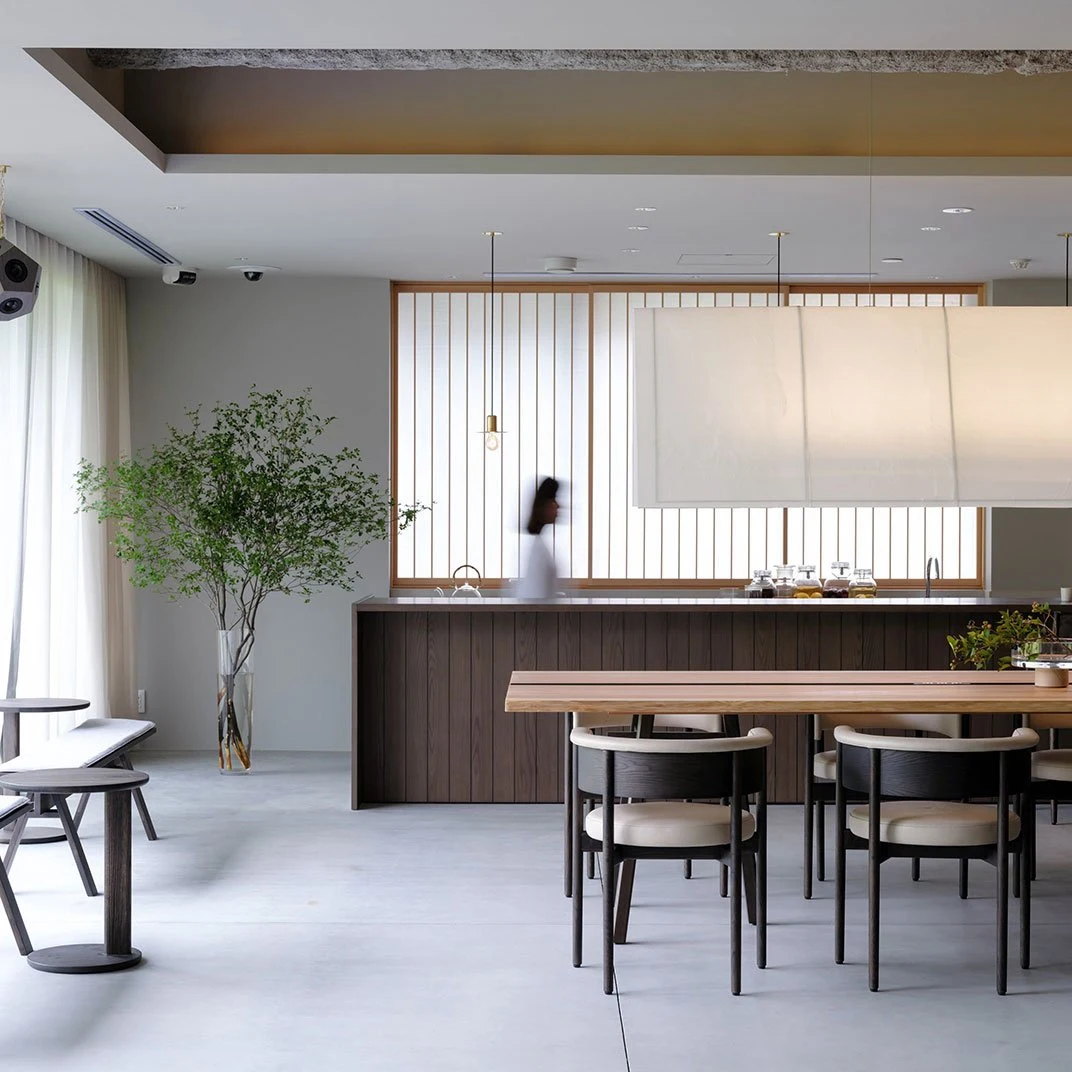
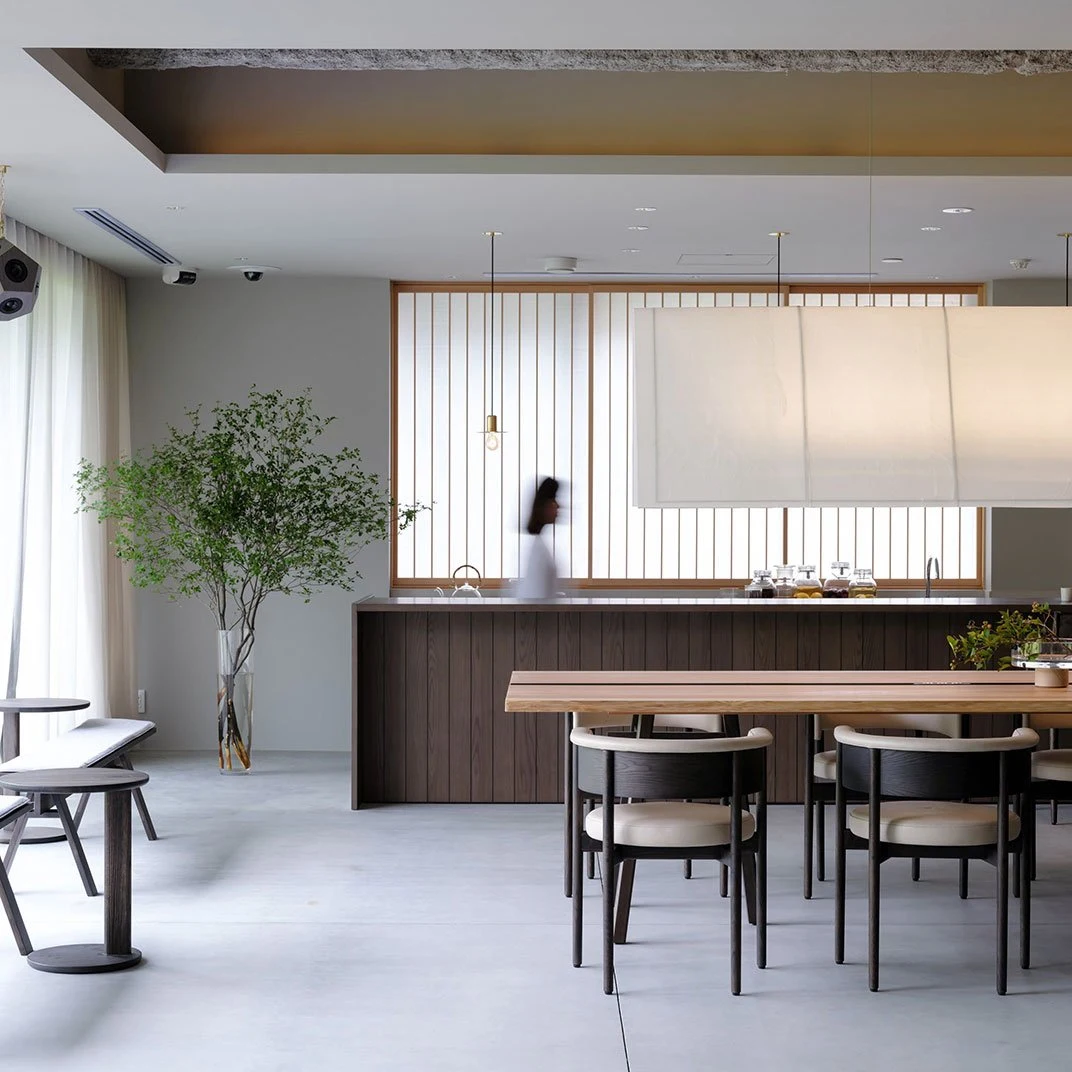
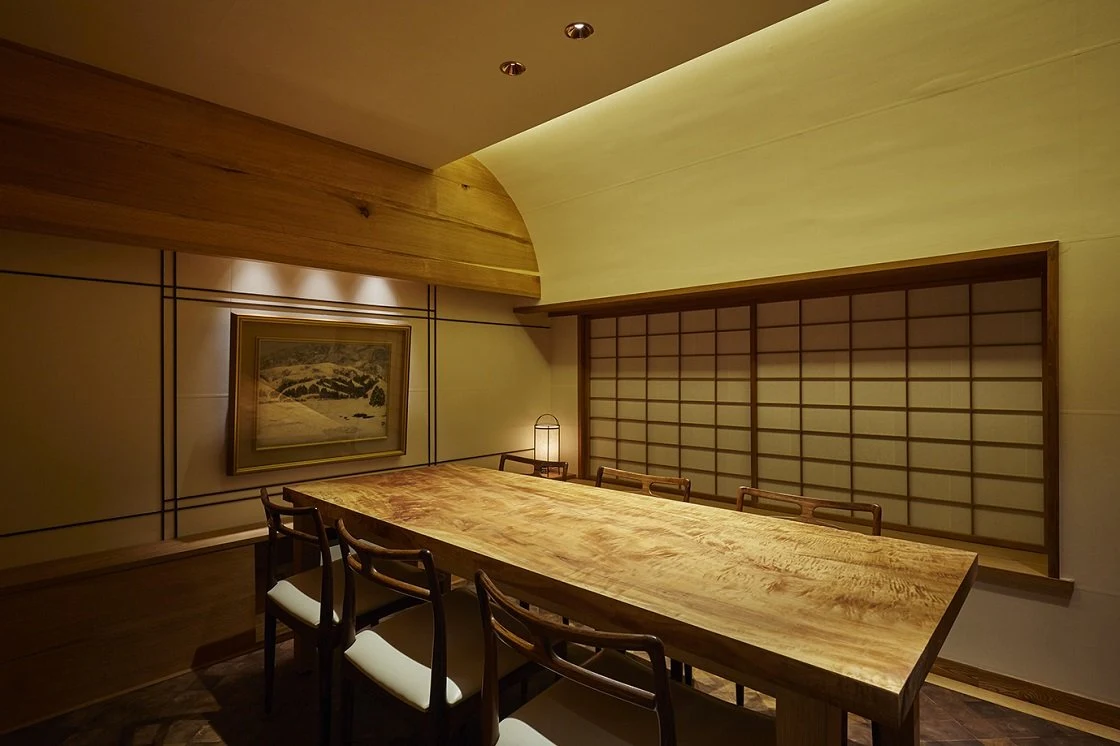
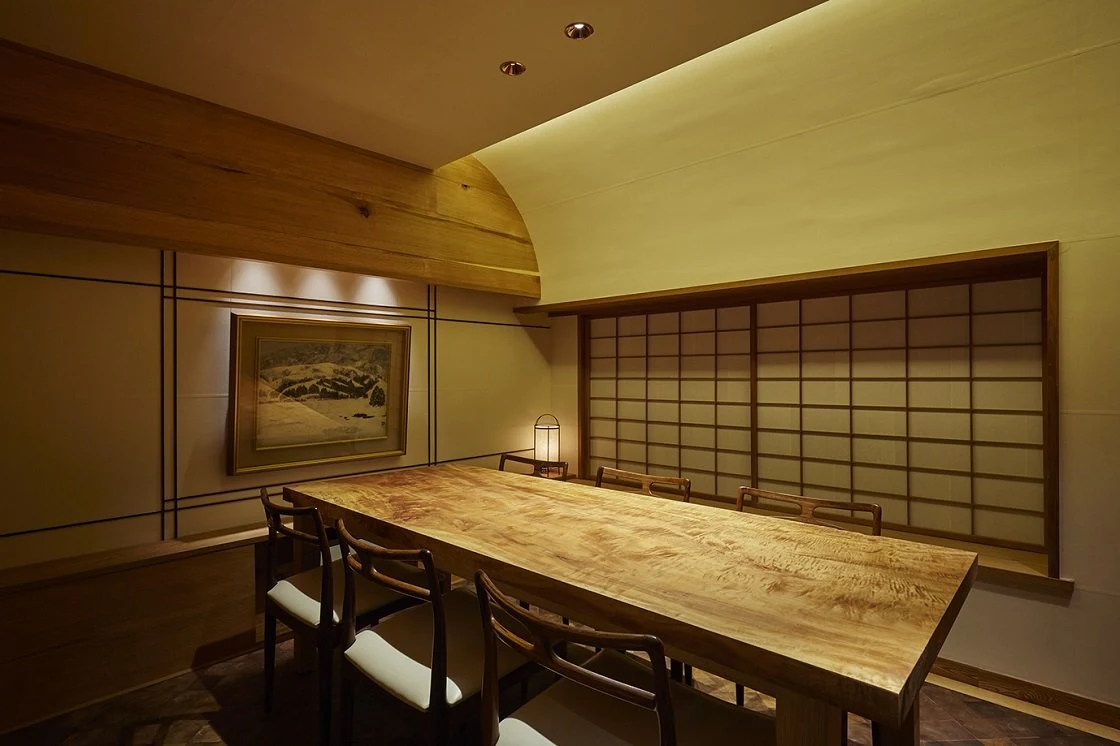
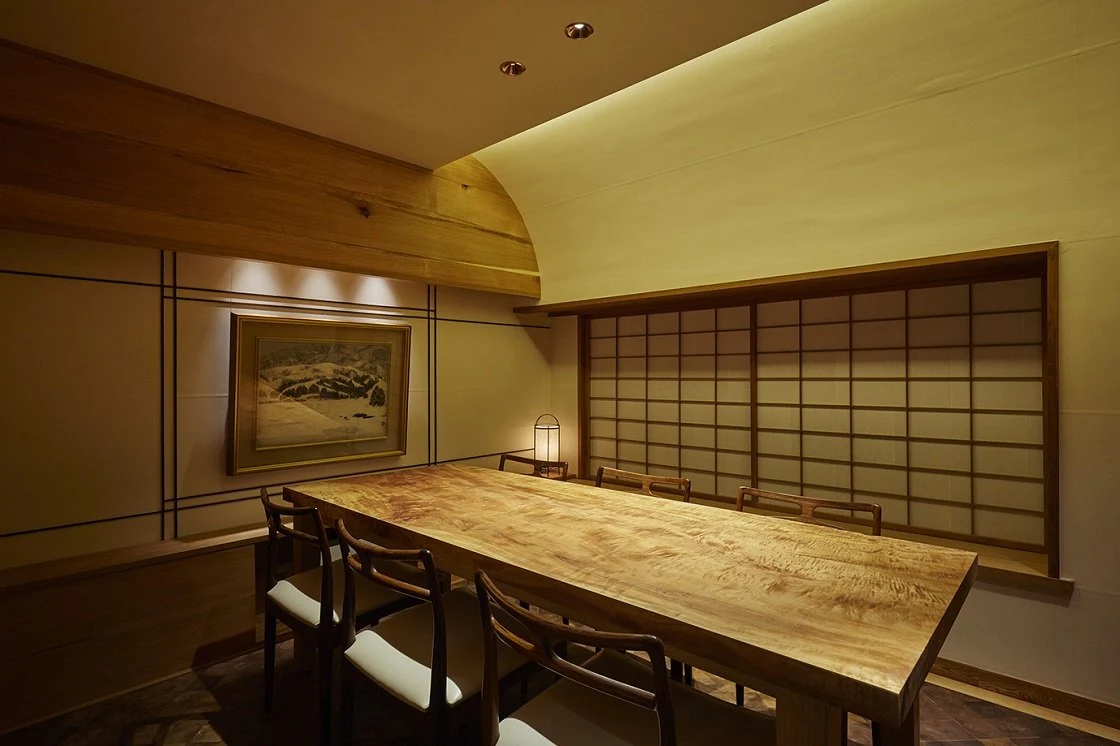
The room is calm and traditional, formal in service, and small enough for the counter to matter. Counter dining changes the relationship between cook and guest, because the hand is not hidden and the pass becomes part of the meal rather than a threshold behind it. A tempura course announces itself by sound before it reaches the plate, then by the interval between the fryer and the table.
The atmosphere is traditional without needing to declare itself. Tableware carries part of the visual rhythm, and the cooking stays light enough for shape, broth and texture to register. The plates are light and precise, and the pieces they arrive on are chosen with the same care, which is what a quiet room at this scale is for.
A local staple, then a wider reputation
Araki earned Michelin Bib Gourmand recognition in 2017 for value-driven seasonal cooking. In 2022 it topped rankings for popular udon restaurants in Nara Prefecture, which says something useful about the house: it is a genuine local staple as much as a destination, accessible enough for a quiet lunch and exact enough for an occasion.
The house also works outward from the kitchen, with collaborations bringing in produce from local farmers, traditional crafts from artisans, and educational programmes with local schools. Seasonal gatherings held at the restaurant extend the same idea. What holds all of it together is the four o'clock market run in Gakuenkita, and the meal still ends with a bowl of dashi chazuke.
Questions
Frequently asked
What kind of restaurant is Araki?
Araki is a seasonal Japanese restaurant in Nara’s Gakuenkita neighbourhood, serving tempura and kaiseki. The kitchen works from daily market selection rather than a fixed list, so the menu follows what was chosen that morning.
What is Araki known for?
The house is known for tempura, kaiseki course meals, and a closing bowl of Kyoto-style dashi chazuke with chirimen sansho on rice. It also places emphasis on regional seafood, including hamo from Awaji and longtooth grouper from Wakayama.
Has Araki received any recognition?
Araki received Michelin Bib Gourmand recognition in 2017 for value-driven seasonal cooking. It was also ranked first for popular udon restaurants in Nara Prefecture in 2022.
What should a visit there be like?
The room is calm and traditional, with formal service and a counter that is central to the experience. Reservations are recommended, the dress code is smart casual, and the restaurant has on-site parking.
The field
How it compares
| Place | Cuisine | Notes | Awards |
|---|---|---|---|
| Araki | Seasonal Japanese Tempura and Kaiseki | Nara, $$$ | · |
| akordu | Modern Spanish with Nara Influences | Nara | Michelin 2 Stars |
| Koikiryori Aji Manso | Kappo | Nara | Michelin 1 Star |
| LA TRACE | Modern French with Nara Seasonal Ingredients | Nara | Michelin 1 Star |
| Oryori Hanagaki | Two Michelin-Star Kaiseki | Nara | Michelin 2 Stars |
| Tsukumo | Modern Kaiseki | Nara | Michelin 2 Stars |
| Wa Yamamura | Traditional Kaiseki | Nara | Michelin 1 Star |