Arnaldo Rivera
- 01CityCastiglione Falletto, Italy
- Falstaff Winery - Listed · 2026
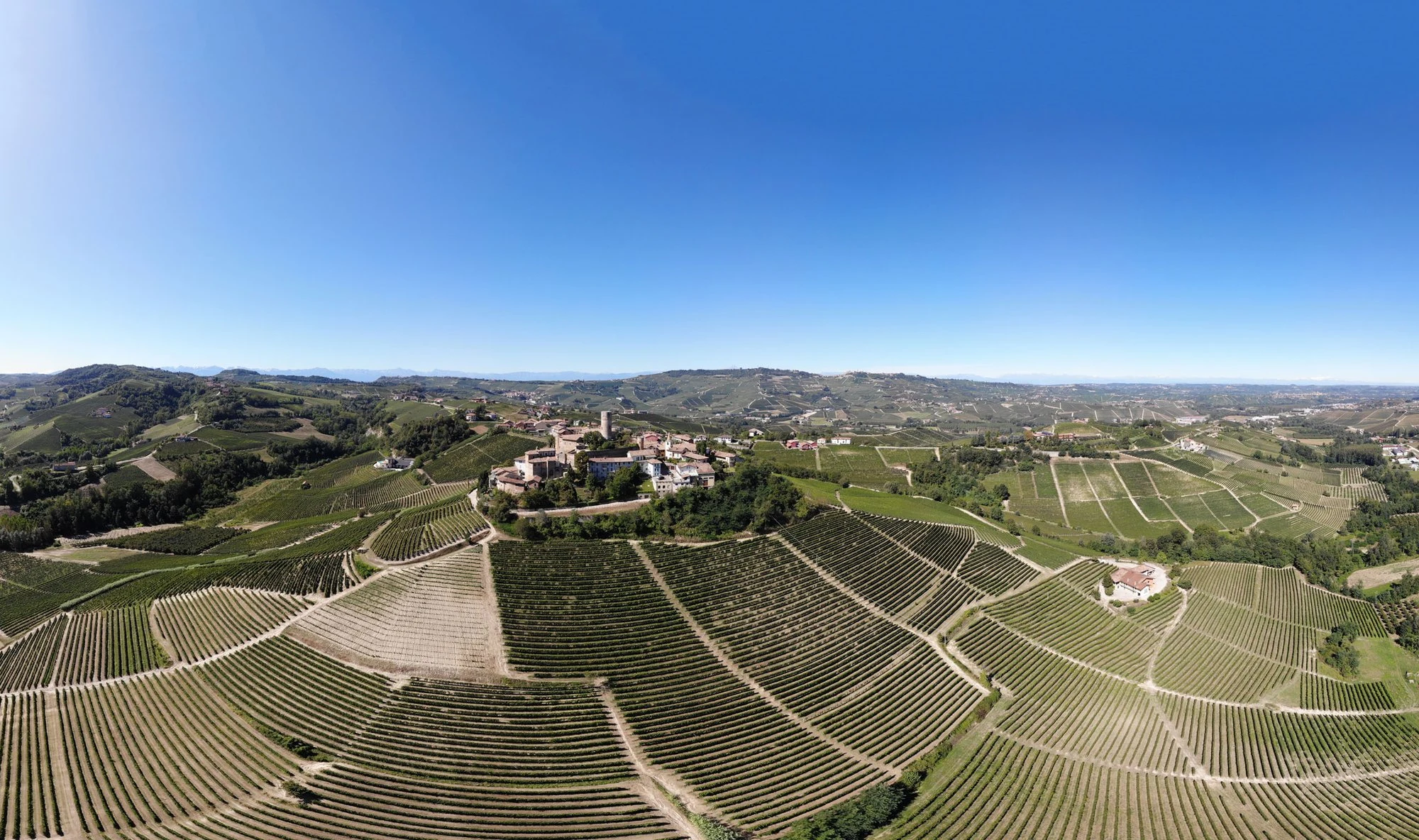
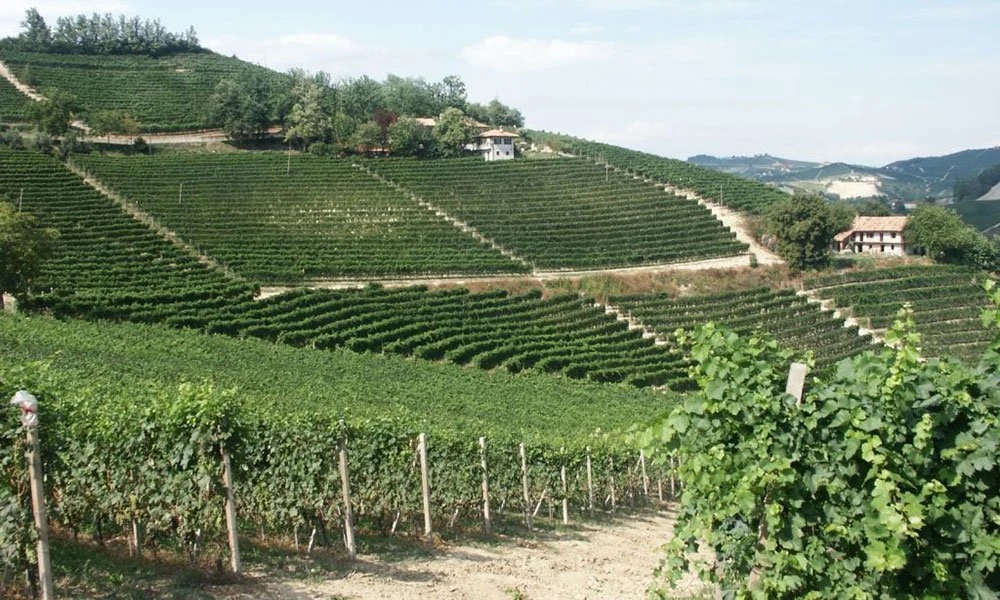
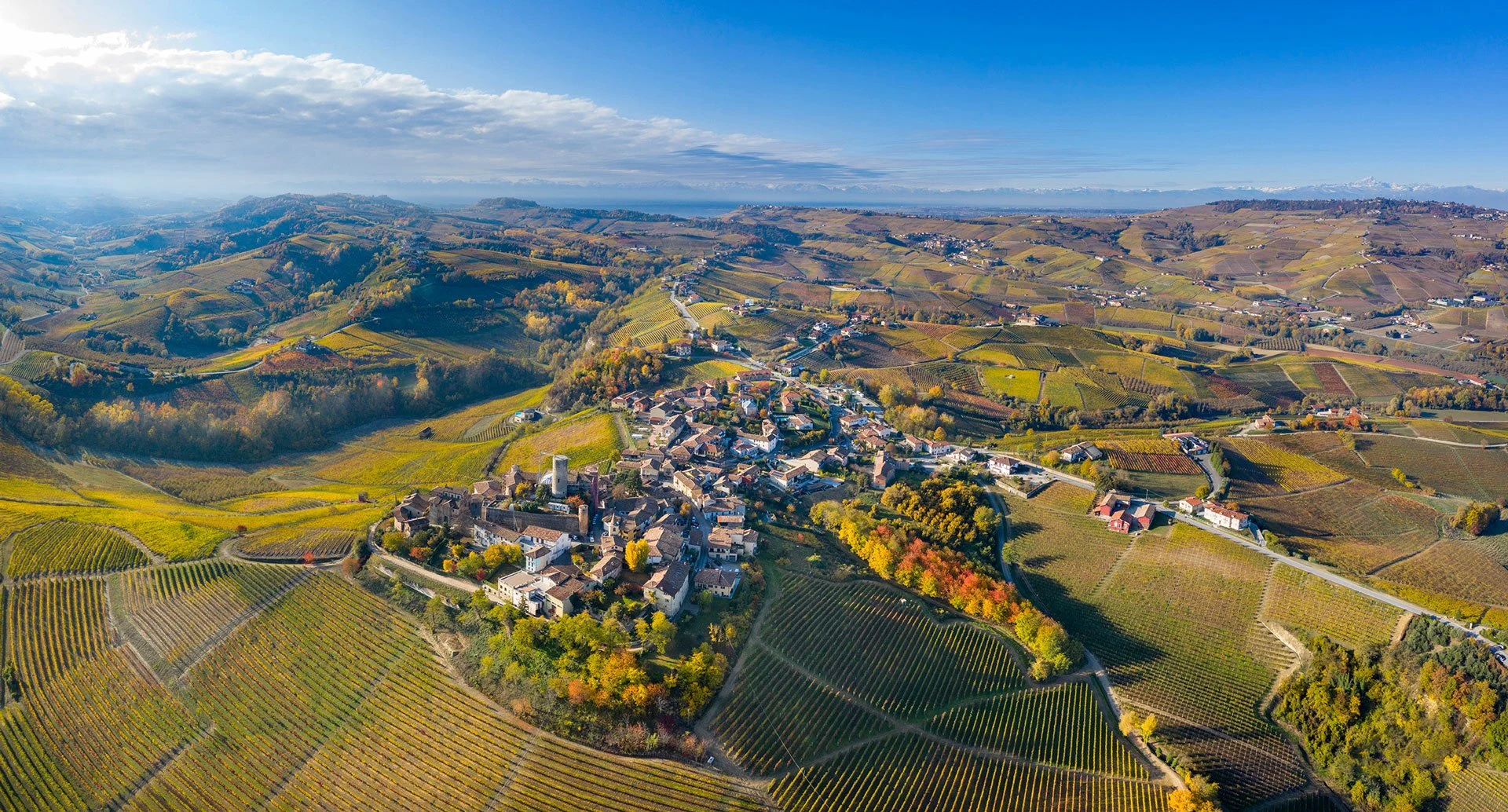
Castiglione Falletto gives Barolo a classic Langhe hillside setting: agricultural rhythm, scenic slopes, and a landscape where place matters. Arnaldo Rivera belongs to that context as a producer-branded Barolo project rooted in the historic cooperative Terre del Barolo. The emphasis is on terroir expression and craftsmanship rather than tourism amenities, so the venue reads first as part of the region’s wine culture and only second as a stop on an itinerary.
That cooperative identity is central to how the venue should be understood. Instead of presenting Barolo only through a small-estate or luxury-hospitality lens, Arnaldo Rivera frames the region through a collective tradition connected to growers and place. The result is best approached as a serious Langhe wine address, not as a leisure-first destination built around added amenities. Its value lies in that quieter framing: Barolo considered through shared agricultural roots, hillside context, and the work behind a producer label.
A cooperative reading of Barolo
Barolo is closely tied to differences in site, slope, exposure, and village character. Arnaldo Rivera’s identity sits within that conversation: a Castiglione Falletto Barolo project connected to Terre del Barolo and focused on terroir expression. The useful way to read it is as a producer label that foregrounds craft, place, and the cooperative background behind the wines. That perspective keeps attention on the landscape and on the relationship between growers, territory, and a recognizable Barolo identity.
Because the confirmed information is limited, this guide does not assert specific vineyard names, production methods, scores, visitor formats, or tasting arrangements. What can be stated confidently is the overall positioning: Arnaldo Rivera is a classic, scenic Langhe wine venue in Castiglione Falletto, with an atmosphere shaped more by Barolo’s agricultural and cooperative culture than by polished tourism infrastructure. The restraint is intentional, because the most reliable description is the one anchored in confirmed identity and setting.
For travelers, that distinction matters. The appeal is not a list of luxury extras; it is the chance to place a Barolo producer within the historic cooperative tradition of the area. Visitors planning around it should treat the experience as wine-led and place-led, with expectations centered on craftsmanship and terroir rather than broad hospitality programming. In that sense, it rewards a slower, more contextual way of visiting the Langhe.
Barolo, place, and the Langhe context
The confirmed identity of Arnaldo Rivera is tied to Barolo, so the key context is the Langhe’s relationship with hillside viticulture and a strong sense of place. Specific claims about individual bottles, vintages, grape varieties beyond the Barolo frame, critic ratings, awards, or detailed cellar practices are not included here unless separately verified. What remains is still meaningful: a producer identity shaped by a village setting and by the broader cultural weight of Barolo.
That makes the editorial value of Arnaldo Rivera direct: it gives a cooperative-rooted way to think about Barolo. The project is best described through its connection to Terre del Barolo, its Castiglione Falletto setting, and its focus on terroir expression. It suits readers who want to understand the region through place, growers, and craft rather than through spectacle. The emphasis is less on performance and more on orientation: where the wines come from, how the project is positioned, and what kind of Langhe story it tells.
The tone is classic and scenic rather than showy. In practical terms, this means the venue should be approached as part of a serious wine day in Castiglione Falletto, especially for visitors who are interested in how a historic cooperative context can shape a Barolo producer’s identity. It is a useful counterpoint to more amenity-driven expectations, because it keeps the focus on the essentials of region, place, and craft.
How to place it within a Castiglione Falletto wine day
Use Arnaldo Rivera as a cooperative-rooted Barolo stop in Castiglione Falletto. The picture is focused: a producer-branded project connected to Terre del Barolo, set in a classic Langhe hillside environment, and oriented around terroir expression and craftsmanship rather than tourism amenities. It belongs in an itinerary where the main interest is understanding Barolo through its local structures and its sense of place.
For a broader Castiglione Falletto itinerary, pair that perspective with other unnamed local dining or wine options according to your schedule. Arnaldo Rivera works well in a plan that leaves room for the landscape itself: hillsides, the Barolo setting, and the slower rhythm of a place-focused day. The surrounding context is part of the experience, not just a backdrop to it.
Readers mapping wine travel beyond this venue should keep the comparison simple: Arnaldo Rivera is most useful as an example of how a Castiglione Falletto Barolo project can express a cooperative tradition while remaining grounded in the classic Langhe setting. Read it through that lens, and its role becomes clear: serious, contextual, and firmly tied to place.
Questions
Frequently asked
How expensive is Arnaldo Rivera?
Arnaldo Rivera is listed at a price level of $$$.
The field
How it compares
| Place | Notes |
|---|---|
| Arnaldo Rivera | Langhe, $$$ |
| Azienda Agricola Rocche Viberti | Castiglione Falletto |
| Brovia | Castiglione Falletto |
| Cavallotto | Castiglione Falletto |
| Paolo Scavino | Castiglione Falletto |
| Terre del Barolo | Castiglione Falletto |
| Vietti | Castiglione Falletto |