ARREA!

In Residence
Edorta Lamo
Chef
- 01CuisineModern Basque Spanish Fine Dining
- 02CitySanta Cruz de Campezo, Spain
- 03RecognitionOne Michelin Star
- 1 Michelin Star · Michelin Guide
- Michelin 1 Star · 2026
- Opinionated About Dining Top Restaurants in Europe Recommended · 2026
- Guía Repsol 2 Soles · 2026
- Michelin 1 Star · 2025
- Opinionated About Dining Top Restaurants in Europe Ranked #210 · 2025
- Opinionated About Dining Top Restaurants in Europe Ranked #241 · 2024
- Michelin 1 Star · 2024
- Opinionated About Dining Top New Restaurants in Europe Highly Recommended · 2023
A Village Address, a Mountain Larder
The road into Santa Cruz de Campezo offers little warning of what waits ahead. This is Álava's interior, the Montaña Alavesa, a stretch of the Basque Country that sits east of Vitoria-Gasteiz and well outside the gravitational pull of San Sebastián's dining scene. Villages here are small, the terrain is creased and forested, and the food culture has historically been one of necessity rather than spectacle. That context is what makes ARREA! worth the detour, and worth understanding before you arrive.
Spain's premium restaurant tier has largely consolidated around urban anchors: San Sebastián, Madrid, Barcelona, Girona. Restaurants such as Arzak in San Sebastián, Azurmendi in Larrabetzu, and Mugaritz in Errenteria operate with international booking pipelines and the logistical infrastructure that comes with Michelin recognition and global press attention. ARREA! operates differently. At €€€€ pricing, it occupies the same tier as those benchmark names, but its competitive set is defined by place rather than profile, anchored in the specific ecology and food traditions of one relatively obscure Alavese valley, not in a broader conversation about Spanish haute cuisine.
The Architecture of the Meal
Few restaurants at this price point divide their service so deliberately across multiple distinct formats, and the three-space structure at ARREA! reflects a specific attitude toward how Basque rural hospitality has historically worked. The Taberna functions as the entry point, a waiting and drinks area that establishes the register of the experience before guests have touched a plate. It reads less like a conventional pre-dinner holding zone and more like a deliberate spatial argument: that the meal begins with place, not with food.
The Kuadra offers a separate, more accessible proposition. Here, the Mendialdea menu presents five market-driven dishes alongside the traditional putxero stew, a Basque slow-cooked preparation with roots in rural subsistence cooking. This format operates closer to the tradition of the small-plates menú del día, compressed into a tighter, more intentional set of dishes. It is the format that makes the most direct argument for ARREA!'s editorial angle on the food culture of this region.
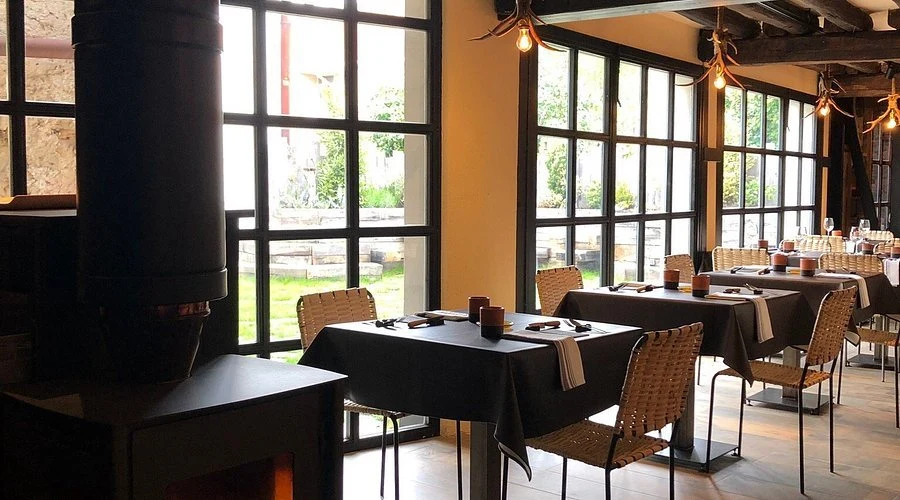
The main dining room, with its plainly rustic character, is given over entirely to the gastronomic menu. There is nothing theatrical about the room, and that restraint is itself a positioning decision. At the point in Spanish dining when restaurants like DiverXO in Madrid and Cocina Hermanos Torres in Barcelona lean into immersive staging, a deliberately unshowy dining room in a mountain village becomes its own form of statement.
The Pass System and the Small-Plates Logic
Gastronomic menu at ARREA! opens with a fixed sequence called the ongietorri lunch, a Basque welcome spread of pâtés, hams, preserves, rennet, and tiny fried birds, each element explained individually as it arrives. This is not a bread course with anonymous butter. It is a mapped introduction to the stored and preserved food traditions of the Montaña Alavesa, the techniques that kept communities fed through winter, reframed with contemporary craft but not abstracted from their origins.
What follows is structured around passes, a format that borrows the logic of small-plates dining without the informality or the interchangeability typically associated with it. Guests select a minimum of three passes, each built around a specific ingredient or protein: partridge, trout, orchard produce, pigeon, deer, wild boar. The constraint forces a degree of intentionality that distinguishes the format from the kind of tapas-style ordering where selections are made casually and sequences are improvised. Here, the choice carries consequence, and the kitchen's approach to each ingredient, often exploring multiple preparations within a single pass, gives the format genuine depth.
Lichen also appears as an ingredient, sourced from the mountain terrain that surrounds the village. Its presence on the menu at this level of ambition signals something about how Edorta Lamo reads the landscape around him: as a larder, but also as a cultural archive. In broader European fine dining, foraged ingredients have become shorthand for a certain kind of Scandinavian-influenced naturalism. At ARREA!, the foraged element is specifically local in character, tethered to this valley rather than to a movement.
Where ARREA! Sits in the European Restaurant Conversation
Opinionated About Dining placed ARREA! at #241 in its Leading Restaurants in Europe list for 2024, moving it to #210 for 2025. The publication had already flagged the restaurant in 2023, when it appeared on the Highly Recommended list for Leading New Restaurants in Europe. That trajectory over three years maps a consistent upward movement through a competitive field.
Among Spanish restaurants ranked at the €€€€ tier, ARREA! occupies a less-traveled bracket. Restaurants such as El Celler de Can Roca in Girona, Quique Dacosta in Dénia, Martin Berasategui in Lasarte-Oria, Atrio in Cáceres, Aponiente in El Puerto de Santa María, and Ricard Camarena in València draw from established critical and tourist circuits. ARREA! draws from a different source, guests who make the specific decision to drive into the Montaña Alavesa with a reservation in hand, a visit that requires deliberate planning rather than opportunistic booking while already in a city. That selectivity shapes the character of the room.
Planning a Visit
Santa Cruz de Campezo sits in eastern Álava, roughly equidistant between Vitoria-Gasteiz to the west and Logroño to the south. The restaurant is on Subida al Frontón, 46, at the upper edge of the village. Given the €€€€ pricing and the specific format of the gastronomic menu, this is a visit that rewards advance planning: confirm availability, understand the pass minimum of three before you arrive, and allow enough time to work through the ongietorri sequence without rushing. The Kuadra's Mendialdea menu offers an alternative entry point for those who want to experience the kitchen's approach at a different pace or budget within the same visit. Google reviews stand at 4.6 across more than 1,030 responses.
Questions
Frequently asked
What recognition does ARREA! hold?
ARREA! holds 1 Michelin star.
Who works at ARREA!?
Made By profiles Edorta Lamo (Chef) at ARREA!.
How expensive is ARREA!?
ARREA! is listed at a price level of $$$.
Where is ARREA! and what does it serve?
ARREA! is in Santa Cruz de Campezo, Santa Cruz de Campezo, serving Modern Basque Spanish Fine Dining.
The field
How it compares
| Place | Awards | Cuisine | Notes |
|---|---|---|---|
| ARREA! | Michelin 1 Star | Modern Basque Spanish Fine Dining | Santa Cruz de Campezo, $$$ |
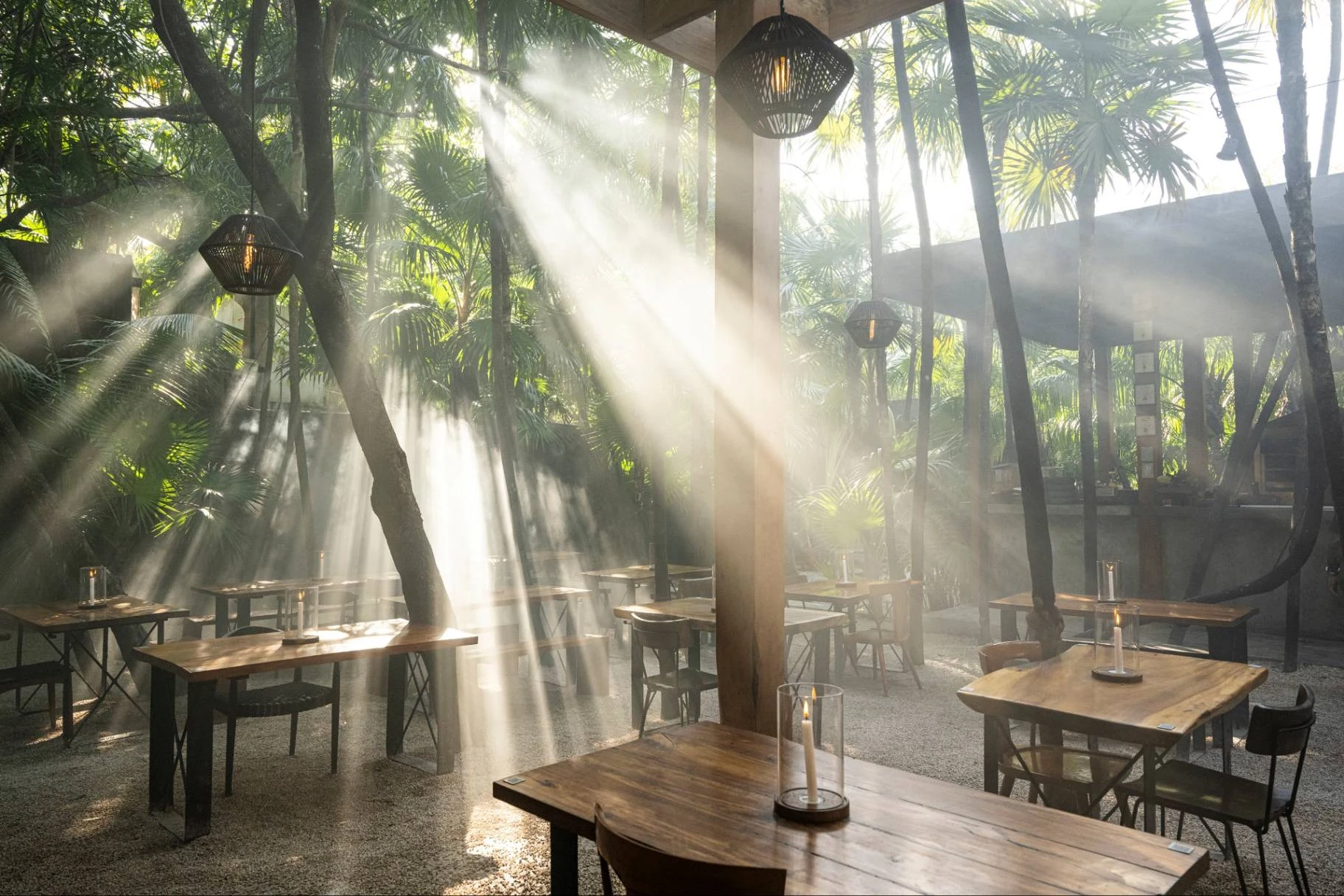
| Arca | World's 50 Best | Modern Yucatan Fire-Cooked Small Plates | Tulum |
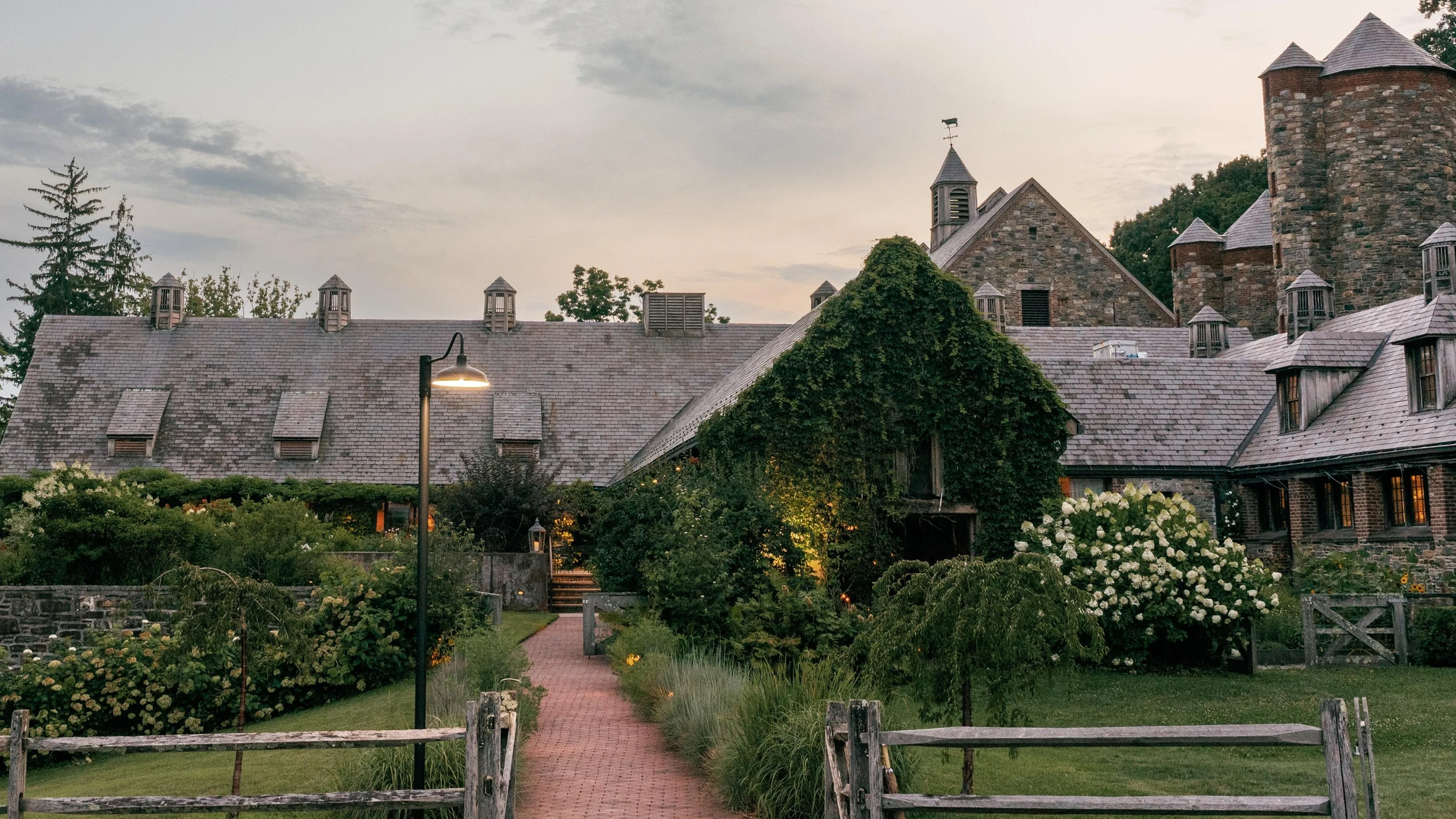
| Blue Hill at Stone Barns | Michelin 2 Stars, World's 50 Best | Farm-to-Table Fine Dining | Tarrytown |
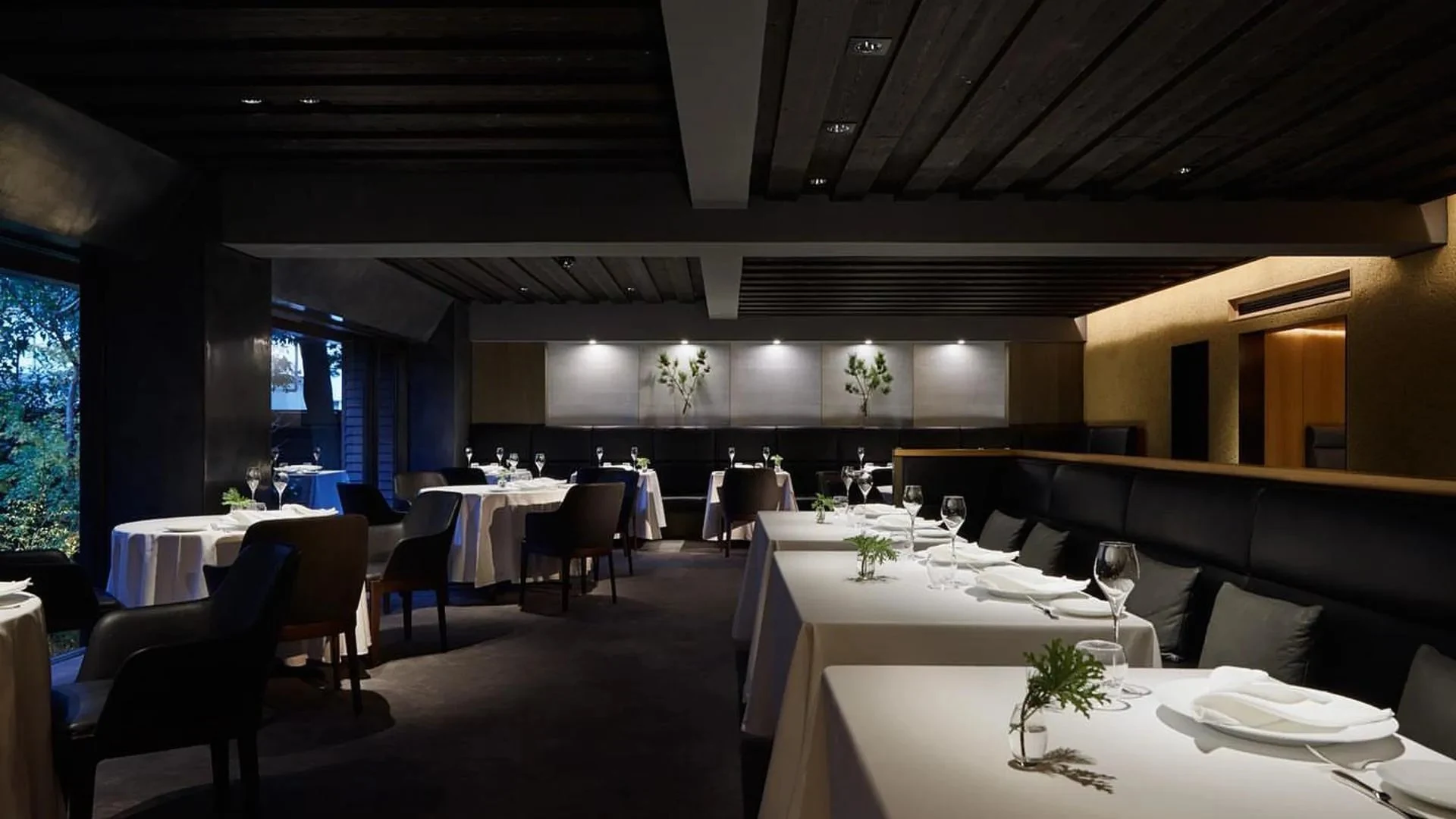
| L'Effervescence | Michelin 3 Stars, World's 50 Best | Modern French with Japanese Influences | Tokyo |
| Lasarte | Michelin 3 Stars | Modern Basque-Mediterranean Fine Dining | Barcelona |
| Sühring | Michelin 3 Stars, World's 50 Best | Modern German Fine Dining | Bangkok |
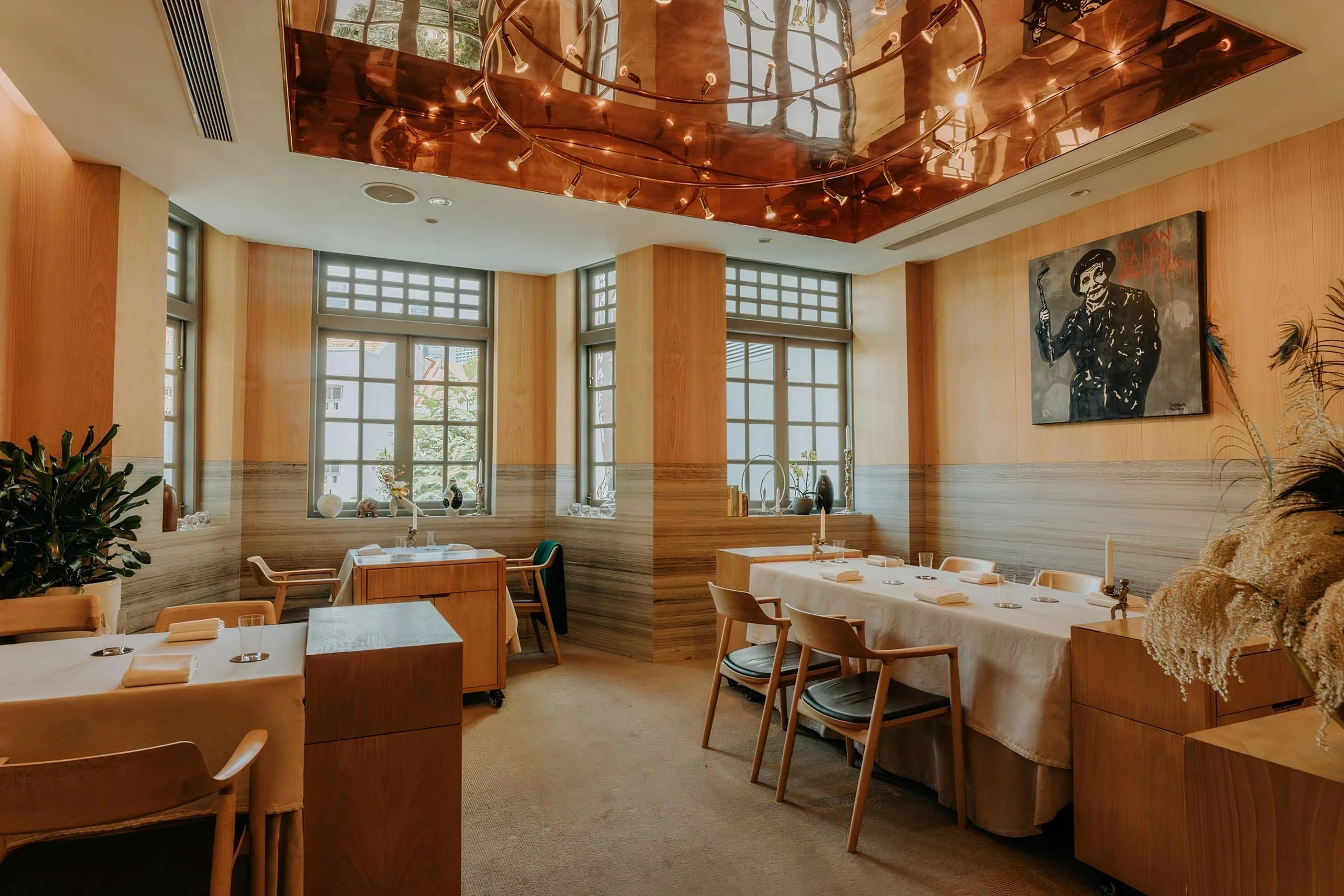
| Zén | Michelin 3 Stars, World's 50 Best | Neo-Nordic with Japanese Influences | Singapore |
In residence
Similar places
Modern Yucatan Fire-Cooked Small Plates
Arca
Tulum, Mexico
50 Best
Farm-to-Table Fine Dining
Blue Hill at Stone Barns
Tarrytown, United States
★★ · 50 Best
Modern French with Japanese Influences
L'Effervescence
Tokyo, Japan
★★★ · 50 Best
Modern Basque-Mediterranean Fine Dining
Lasarte
Barcelona, Spain
★★★
Modern German Fine Dining
Sühring
Bangkok, Thailand
★★★ · 50 Best
Neo-Nordic with Japanese Influences
Zén
Singapore, Singapore
★★★ · 50 Best