Arva
In Residence
Daisuke Takubo
Chef
- 01CuisineModern Italian with Japanese Influences
- 02CityTokyo, Japan
- Michelin Plate · 2026
- Michelin Plate · 2025
- Opinionated About Dining Top Restaurants in Japan Recommended · 2023
Above Otemachi: Italian Dining Reshaped by Japanese Soil
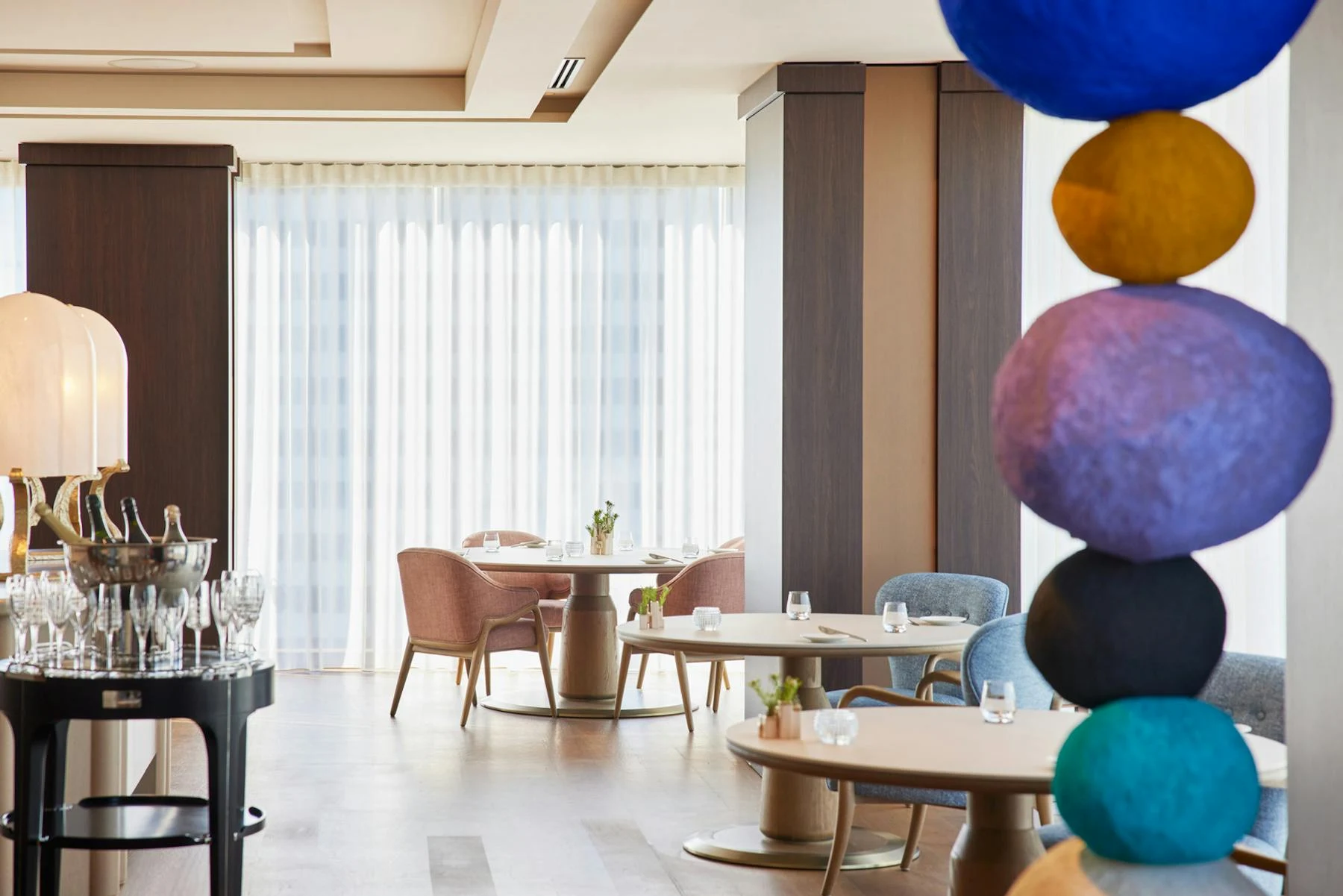
Arva is a restaurant in Tokyo's Otemachi district, inside The Otemachi Tower. Thirty-three floors above Otemachi's grid of towers and financial institutions, the city's density resolves into something quieter. Arva occupies that elevation inside The Otemachi Tower, and the dining room's panoramic position is not incidental to the food served there. The spaciousness overhead mirrors a kitchen philosophy built on restraint and seasonal clarity: Italian cooking, yes, but rooted in what Japanese farmers grow rather than what Italian importers ship.
Tokyo's Italian restaurant scene has matured considerably over the past two decades. What began as faithful replication has, in many kitchens, evolved into something more complicated and more interesting. Chef Masakazu Hiraki's work at Arva sits inside this broader shift. His training in Italy, specifically in the Veneto region, gave him a technical framework, but the ingredients driving his menu come from Japanese agricultural relationships built over years. That cross-pollination between Italian structure and Japanese sourcing defines where Arva positions itself now.
The Cross-Pollination at the Heart of the Menu
The name itself is telling. Arva derives from a word meaning 'harvest', and the menu's logic follows accordingly. Vegetables and fruit carry the chromatic weight of the plates, their colours signalling freshness and seasonality rather than decoration. This is not the heavy, butter-rich direction of much northern Italian cooking, nor is it the kind of Italian-Japanese fusion that resolves into novelty. It operates closer to a translation exercise: Veneto technique applied to produce that the Italian original never encountered.
Among Tokyo's Italian addresses, this approach has become a recognisable strand. Aroma Fresca has long pursued a similar dialogue between Italian craft and Japanese ingredient culture, while Principio represents a more recent entry into that conversation. AlCeppo takes a different position, leaning harder into Roman and central Italian traditions. Arva's particular emphasis on the agricultural relationship, framed explicitly through the chef's engagement with Japanese farming knowledge, places it in a niche of its own within that peer group. For the broader Italian scene, Gucci Osteria da Massimo Bottura Tokyo and PRISMA occupy different tiers and orientations, but together they map the range of what Italian cooking in Tokyo has become.
How Arva Has Evolved Within Its Category
The EA-GN-20 angle is useful here because Arva's current direction reflects a trajectory, not a static identity. Arva is a solid choice for diners seeking modern Italian with Japanese influences, led by chef Masakazu Hiraki. A Michelin Plate is a quality endorsement, not a consolation. It places Arva in a tier of restaurants where the cooking is taken seriously but the experience is not built around ceremony and performance in the way that three-cover Michelin houses are.
That distinction matters for the reader choosing between options. Tokyo's top-end Italian category, when stacked against the comparison set across all cuisines, looks relatively accessible. Den, at ¥¥¥ with two Michelin stars, demonstrates that the ¥¥¥ price tier can accommodate significant culinary ambition in Tokyo. Arva operates at about $150 per person, positioning itself as a serious restaurant without the higher commitment that venues like Crony or L'Effervescence require. The evolution here is partly a story about how the ¥¥¥ Italian category in Tokyo has acquired genuine credibility over time, and Arva's sustained Michelin recognition is evidence of that.
The Setting as Context, Not Amenity
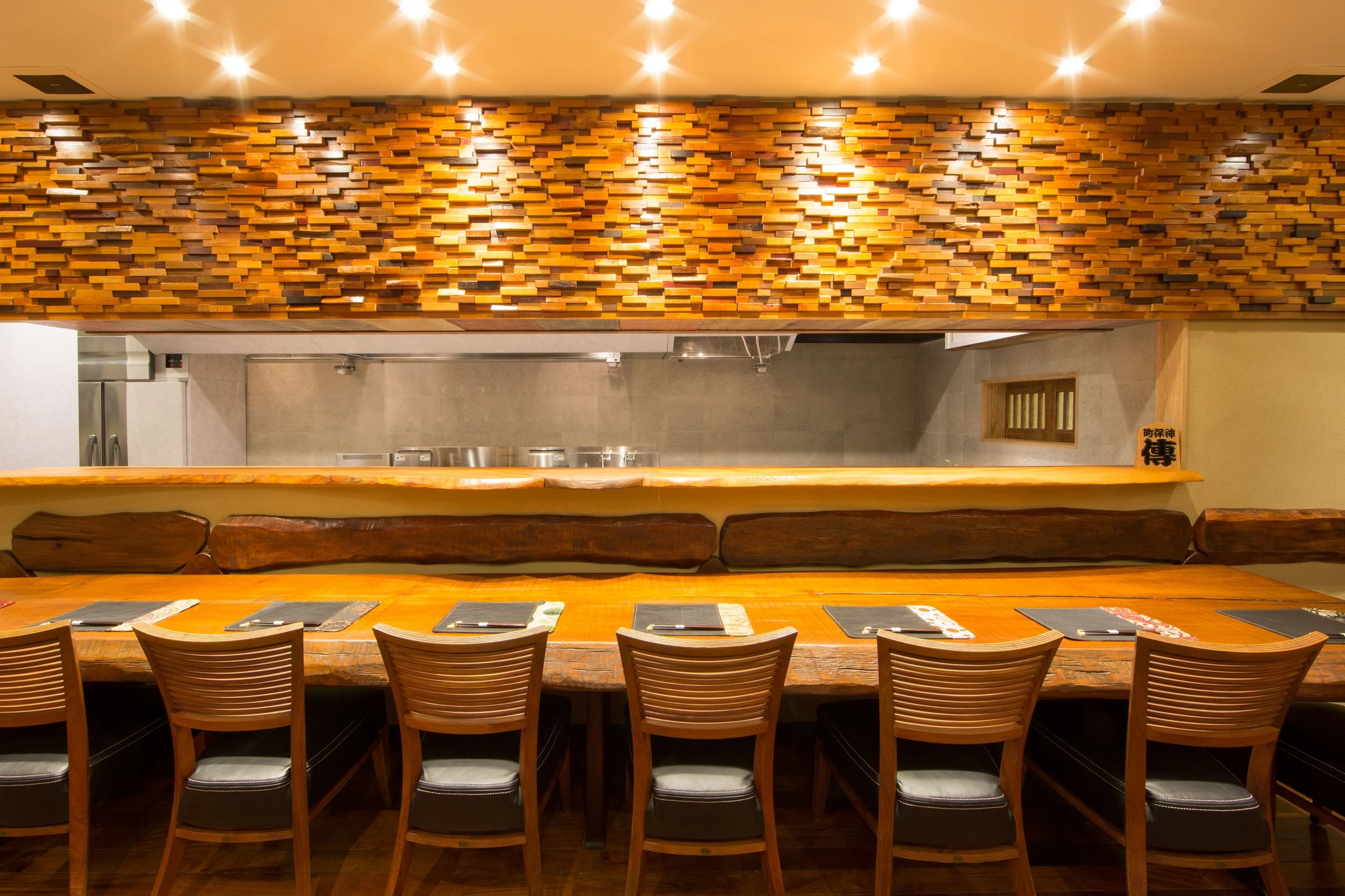
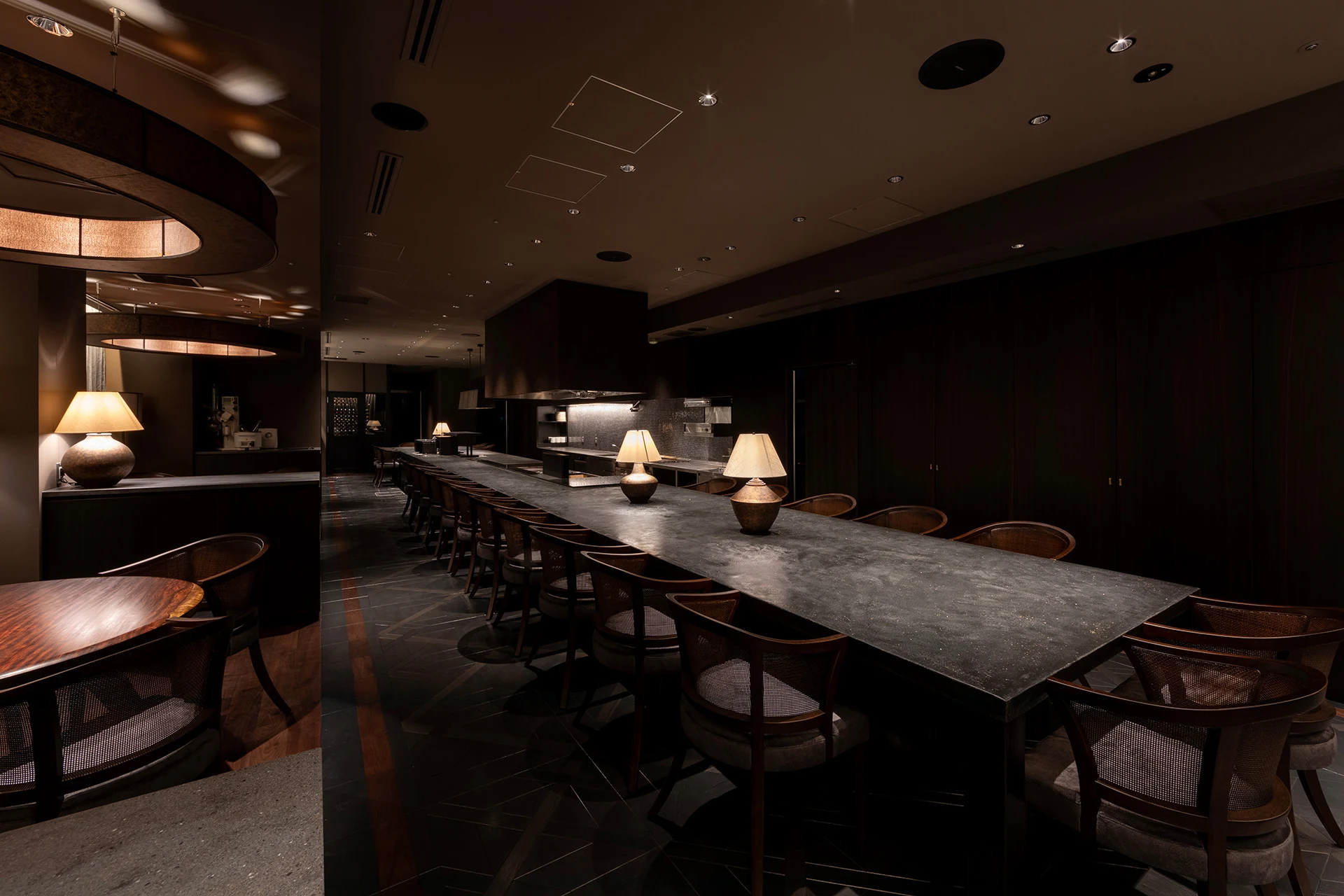
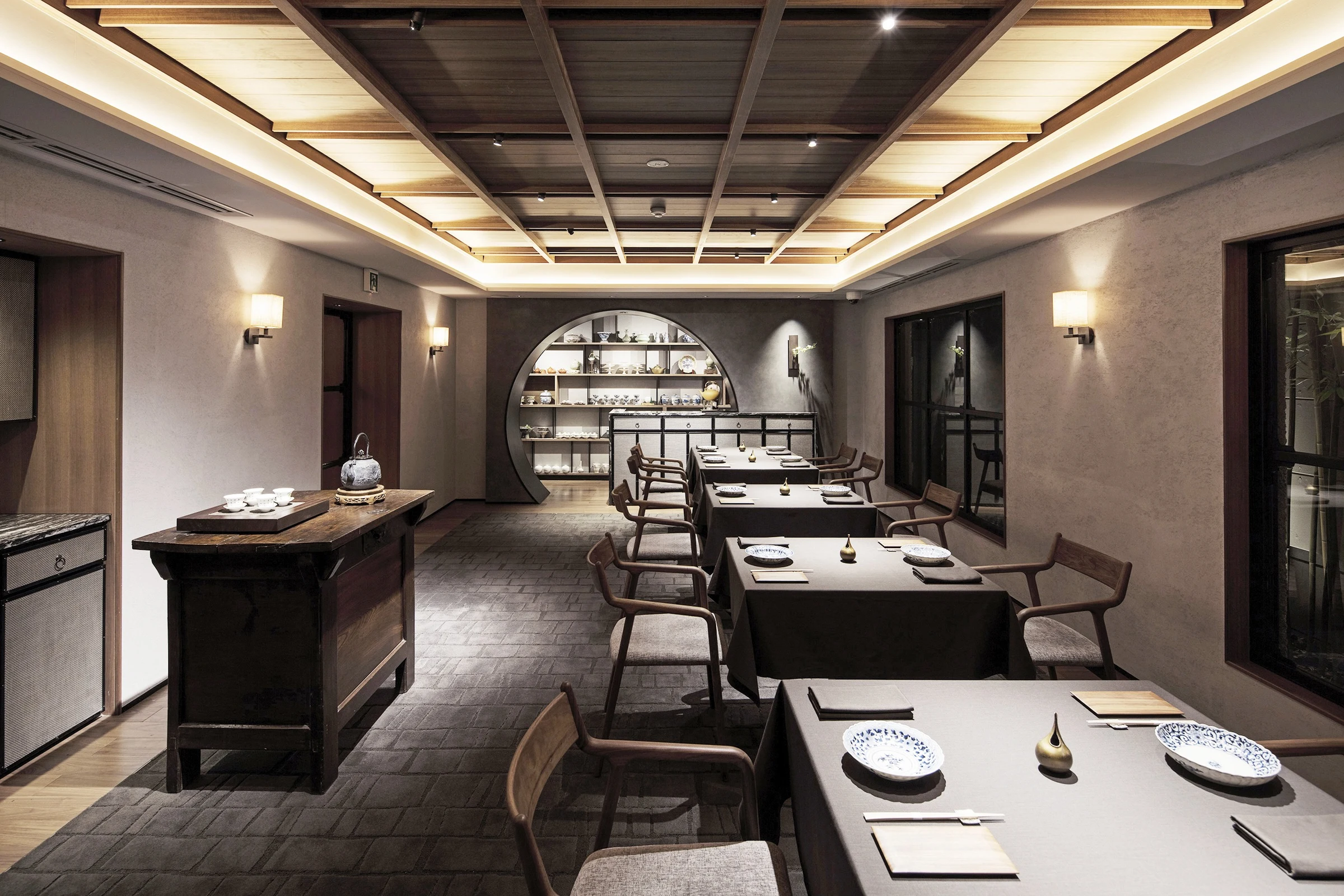
High-altitude dining in Tokyo tends toward one of two approaches. Some restaurants treat the view as the primary product, with food that serves as backdrop to the spectacle. Others use the physical remove from street level as a frame for a particular kind of focused attention. Arva belongs to the second category. The panorama from the 33rd floor of The Otemachi Tower is substantial, but it functions as atmosphere rather than attraction. The daylight that moves across the dining room changes how the food's colours read, which is relevant when vegetables and fruit are doing the primary visual and conceptual work on the plate.
Otemachi itself is a business district, dense with corporate headquarters and financial offices, which shapes the clientele in ways worth knowing before you book. Lunch services here attract a professional crowd with time constraints; dinner shifts the register toward longer meals and more deliberate dining. Both formats occur in upscale tower restaurants across Tokyo, but the character differs noticeably between them.
Planning Your Visit
Arva is located at The Otemachi Tower, 1 Chome-5-6 Ōtemachi, Chiyoda City, at ¥¥¥ pricing that sits comfortably within the upper-mid bracket for Tokyo dining. Otemachi station is directly accessible beneath the building, served by multiple Tokyo Metro lines, which makes access direct from most central Tokyo locations. Google review data places Arva at 4.4 out of 5, a figure that reflects consistent satisfaction rather than polarised opinion.
Given the restaurant's position in a major corporate tower and its Michelin Plate recognition, securing a reservation before visiting is sensible. The dining room's refined setting and the kitchen's seasonal sourcing philosophy make timing around Japan's produce seasons relevant: spring and autumn, when Japanese agriculture is at its most varied, tend to generate the most compelling menus in ingredient-led restaurants of this type.
Italian Cooking Grounded in Japan, Across the Country
The Japanese-Italian synthesis at Arva is not unique to Tokyo. cenci in Kyoto pursues a comparable dialogue between Italian structure and Kyoto ingredient culture, and represents the Kansai version of this approach. For a sharper contrast, 8 1/2 Otto e Mezzo Bombana in Hong Kong shows how the same Italian fine-dining tradition operates in a different Asian context, with different sourcing logic and a different competitive environment.
Beyond Italian, Tokyo's broader fine-dining scene offers useful comparators for understanding where Arva sits. HAJIME in Osaka, Gion Sasaki in Kyoto, akordu in Nara, Goh in Fukuoka, 1000 in Yokohama, and 6 in Okinawa each map a different point on Japan's fine-dining spectrum, from kaiseki-adjacent formats to Western-influenced tasting menus with strong local ingredient commitments. Arva's position within that larger picture is clear: it is a Tokyo restaurant doing something specifically Italian, with the Japanese agricultural relationship as the differentiating argument.
Questions
Frequently asked
Who works at Arva?
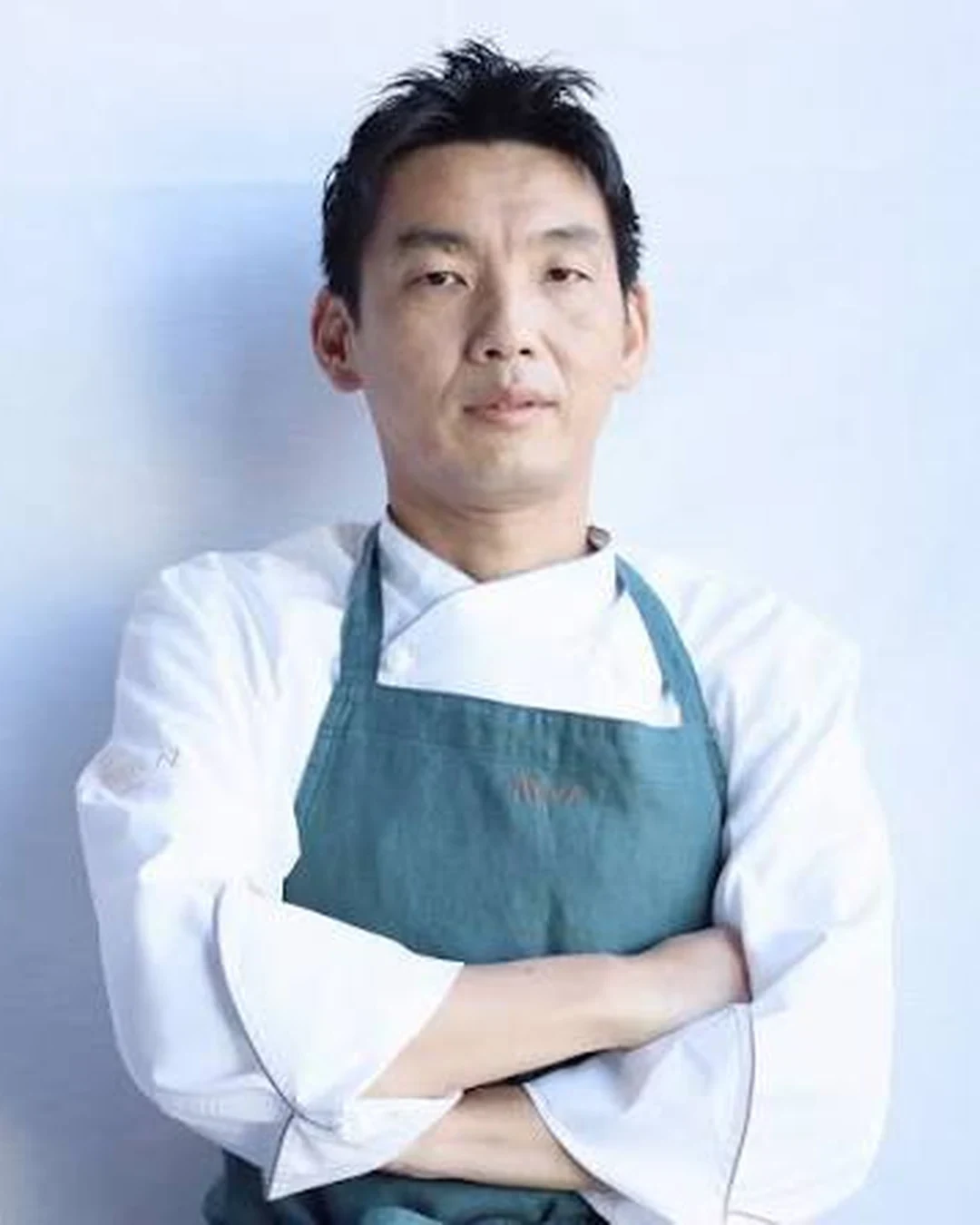
Made By profiles Daisuke Takubo (Chef) and Masakazu Hiraki (Chef) at Arva.
How expensive is Arva?
Arva is listed at a price level of $$$$.
Where is Arva and what does it serve?
Arva is in Chiyoda, Tokyo, serving Modern Italian with Japanese Influences.
The field
How it compares
| Place | Cuisine | Notes | Awards |
|---|---|---|---|
| Arva | Modern Italian with Japanese Influences | Chiyoda, $$$$ | · |
| Den | Modern Japanese Kaiseki | Tokyo | Michelin 2 Stars, World's 50 Best |
| Florilège | Modern French-Japanese Plant-Based Fine Dining | Tokyo | Michelin 2 Stars, World's 50 Best |
| Narisawa | Modern Japanese Satoyama Fine Dining | Tokyo | Michelin 2 Stars, World's 50 Best |
| Quintessence | Modern French Fine Dining | Tokyo | Michelin 3 Stars |
| Sazenka | Modern Chinese Fine Dining | Tokyo | Michelin 3 Stars, World's 50 Best |
| Sézanne | Modern French Fine Dining | Tokyo | Michelin 3 Stars, World's 50 Best |
In residence

Similar places
Modern Japanese Kaiseki
Den
Tokyo, Japan
★★ · 50 Best
Modern French-Japanese Plant-Based Fine Dining
Florilège
Tokyo, Japan
★★ · 50 Best
Modern Japanese Satoyama Fine Dining
Narisawa
Tokyo, Japan
★★ · 50 Best
Modern French Fine Dining
Quintessence
Tokyo, Japan
★★★
Modern Chinese Fine Dining
Sazenka
Tokyo, Japan
★★★ · 50 Best
Modern French Fine Dining
Sézanne
Tokyo, Japan
★★★ · 50 Best