Made ByWinery
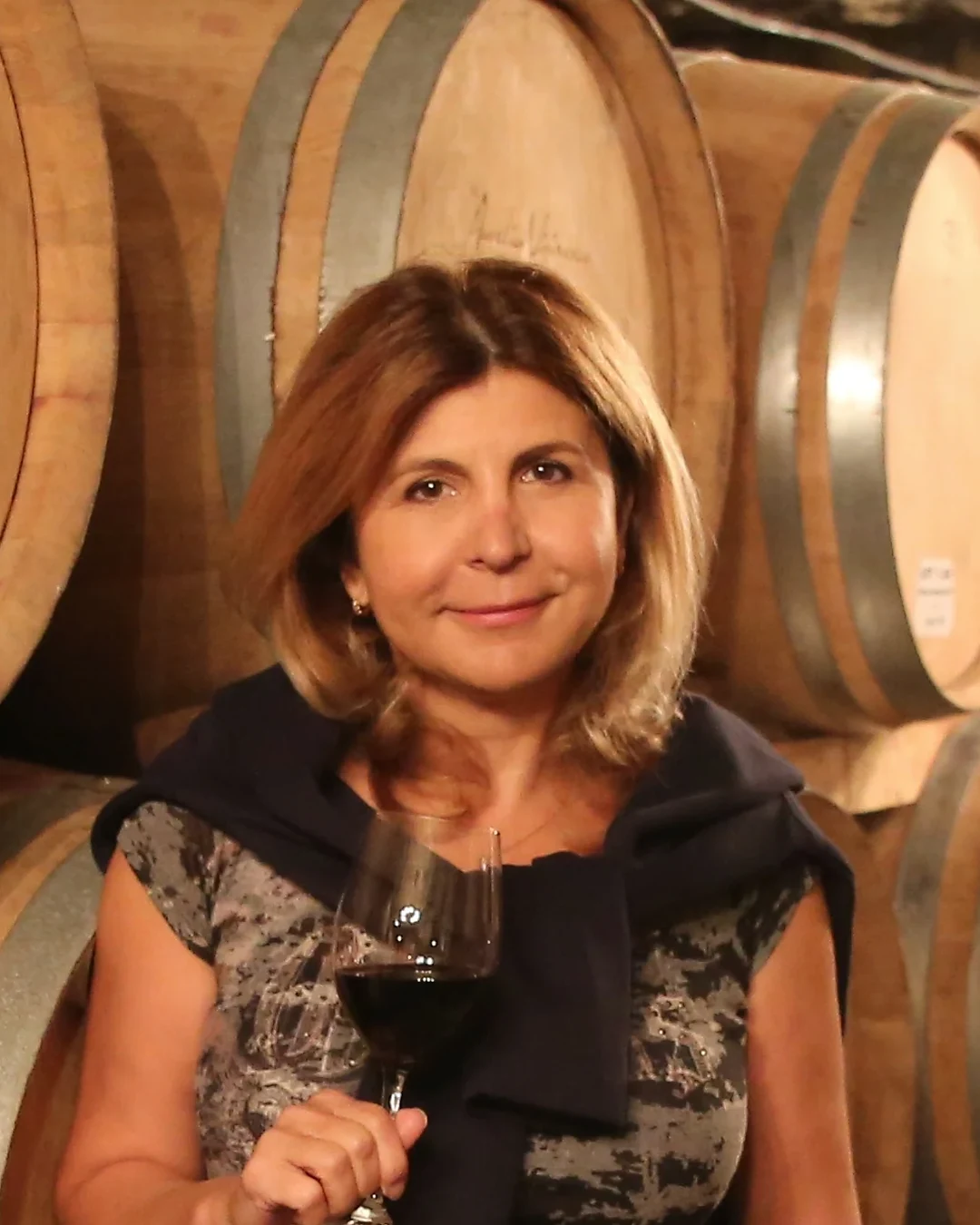
Aurelia Vișinescu, winemaker at Aurelia Vişinescu in Buzau, works Dealu Mare fruit through oak, steel, and Fetească Neagră.
At a glance
- Price
- $$
- Neighborhood
- Săhăteni
Since 2003 at Săhăteni
Since 2003, the decisions have gathered at the sorting table and in the cellar. Aurelia Vișinescu works as winemaker at Aurelia Vișinescu in Buzau, with the Dealu Mare hills setting the terms of the work. Horticulture University gave her the technical ground; VINEXPORT in Romania gave her repetition from 1993, before internships in Cape Town in 1997 and Australia in 1999 widened the frame. She returned to Romania with a maker's habit of comparison, then settled it into one estate.
The winery was established in 2003 with Steve Cacenco, and the former farm at Săhăteni was restored in 2006 into the production house now known through Domeniile Săhăteni. Vișinescu's role here is not only cellar work. She is winemaker and co-founder, the person tying grape selection, fermentation, oak, and house style into a single discipline. Her own line is plain about that ambition: “I think that a glass of wine can reflect more than a drink, therefore I try to catch into my wines the whole story, starting with the place, the variety character and the hands and mind of people involved.” At this address, that means Romanian varieties beside international ones, and Fetească Neagră treated as a serious red wine, not a local aside.
Fetească Neagră in oak and steel
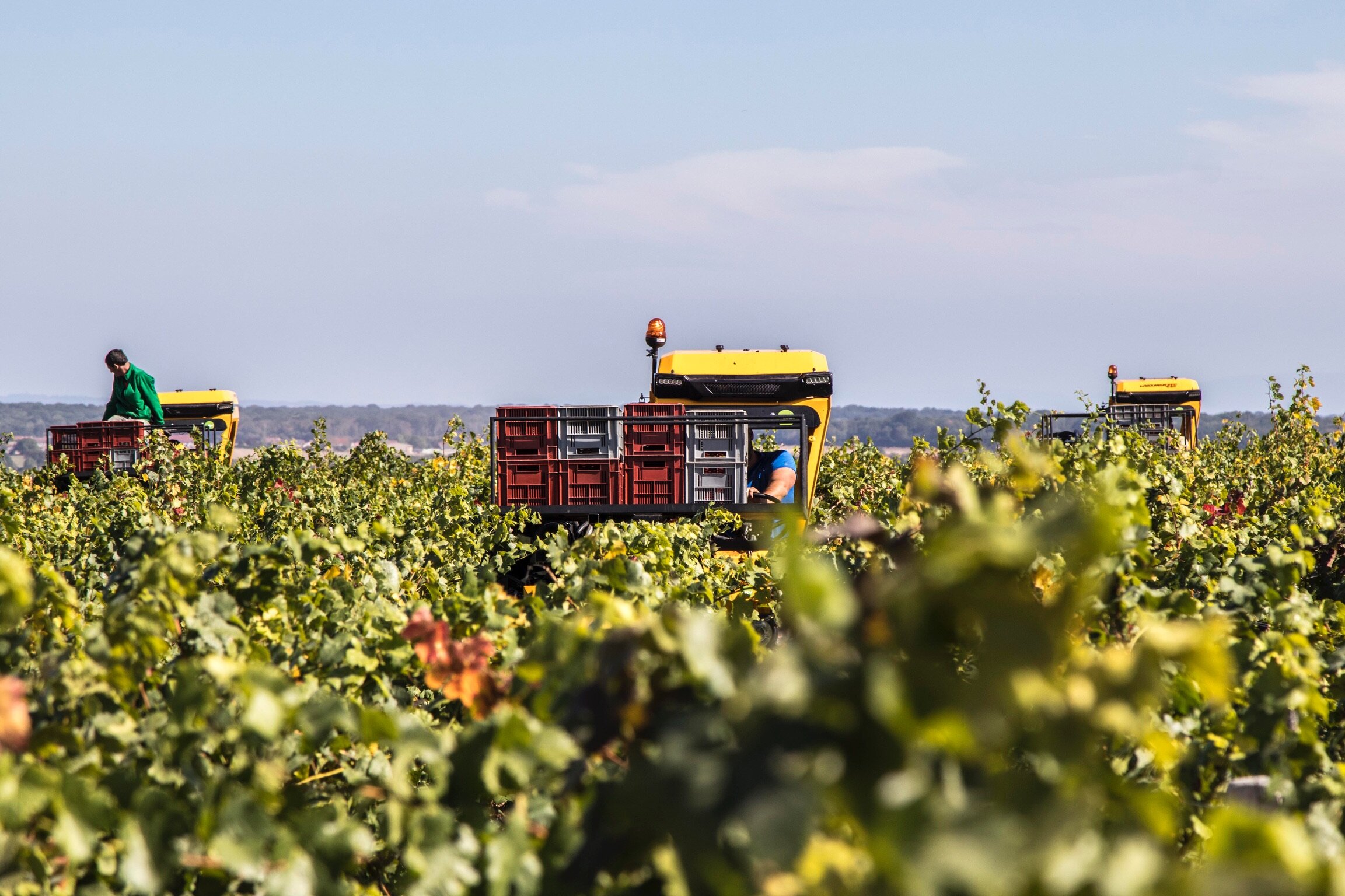
The estate works from 82 hectares of vineyards in Dealu Mare DOC, with Fetească Neagră, Fetească Albă, Pinot Noir, Cabernet Sauvignon, and Merlot among the planted varieties. The winery has crushing facilities capable of processing 1,000 tons per season, two separate production lines, and controlled fermentation for both white and red wines. That scale could flatten a place. Here, the stated method stays tied to selection, sustainable farming, and the character of the hill.
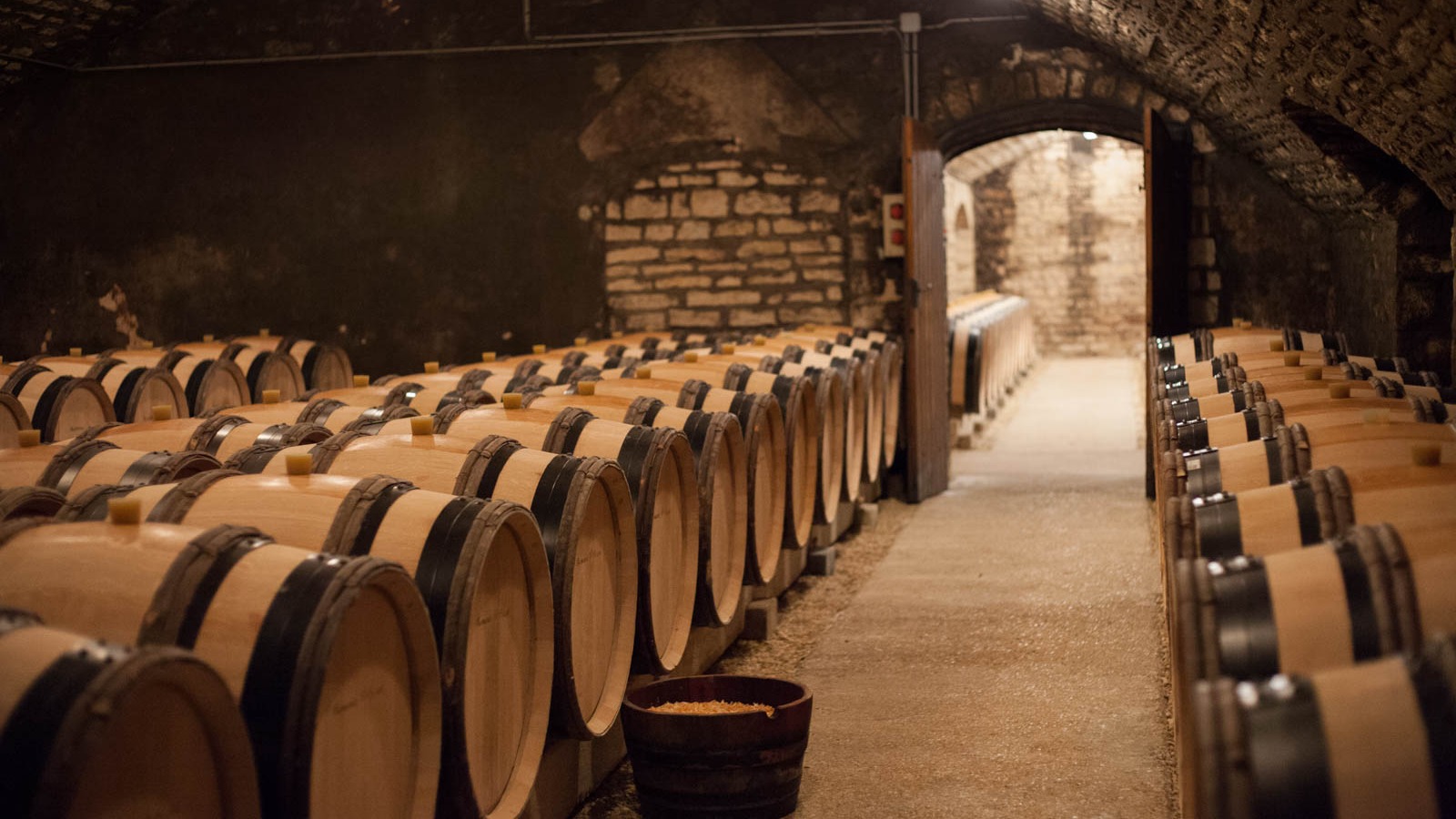
The clearest bench-side reading is in Anima Grand Reserve. The blend is 39% Fetească Neagră, 25% Cabernet Sauvignon, 18% Syrah, and 18% Merlot, drawn in exceptional years from the Fintesti–Naeni area of Dealu Mare. It ages for 12 to 18 months in 225-liter French oak barrels, with medium, medium-plus, and heavy toast doing different work on fruit, tannin, and spice. Another register comes through o. J. Anima 3 Fete Negre, where Romanian oak brings herbal and leafy notes around Fetească Neagră. The cellar moves between local wood, French barrels, white and red fermentations, and a house style that keeps variety character in view.
The restored farm and the tasting room
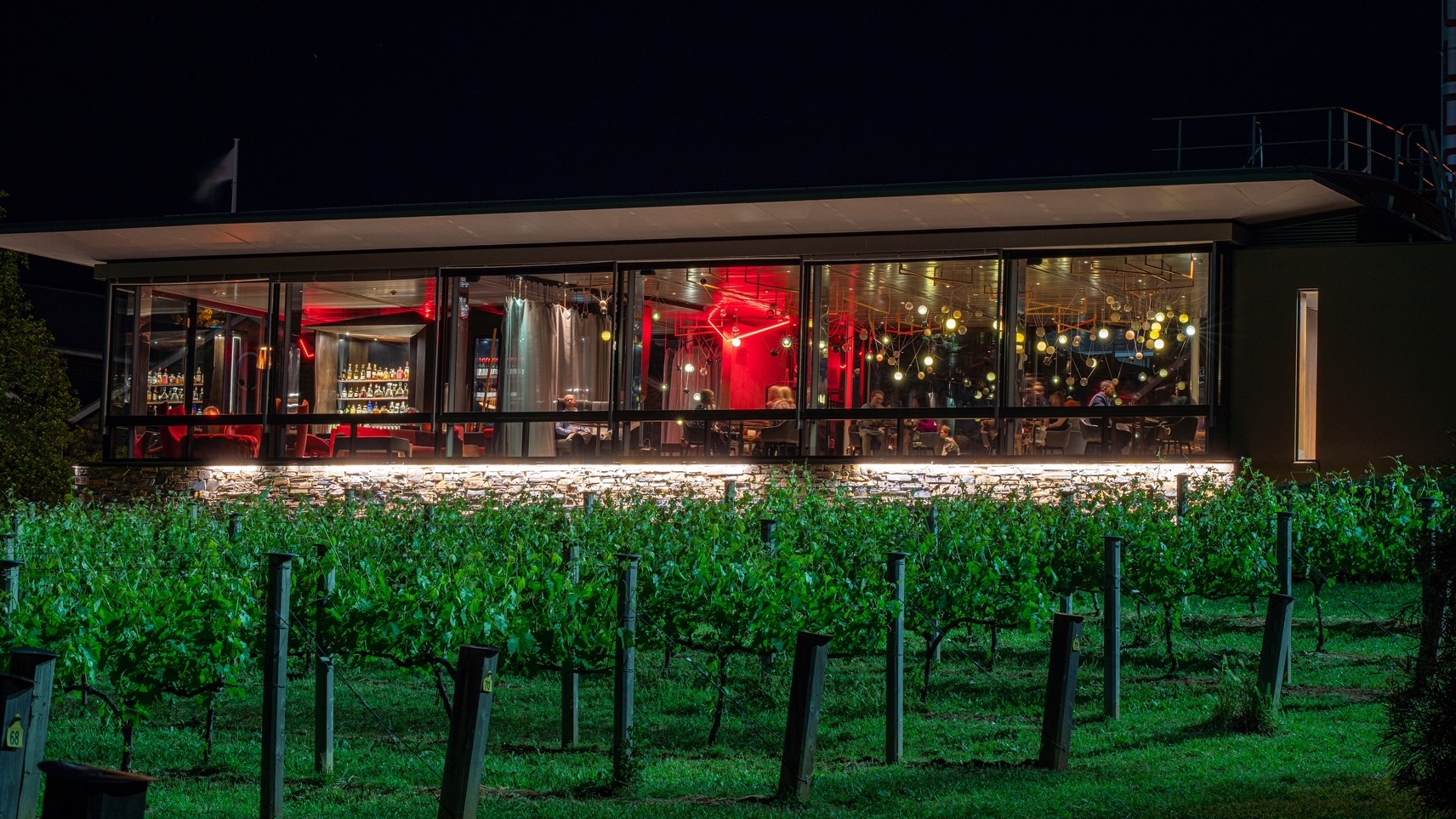
The place still reads as a restored farm before it reads as a production facility. The cellar and tasting room sit among the vineyards near the Carpathian Mountains, with the quiet of a working estate rather than the gloss of a showroom. The room is modern but warm: clean enough for precision, close enough to the vineyard that the line between tasting and source never disappears.
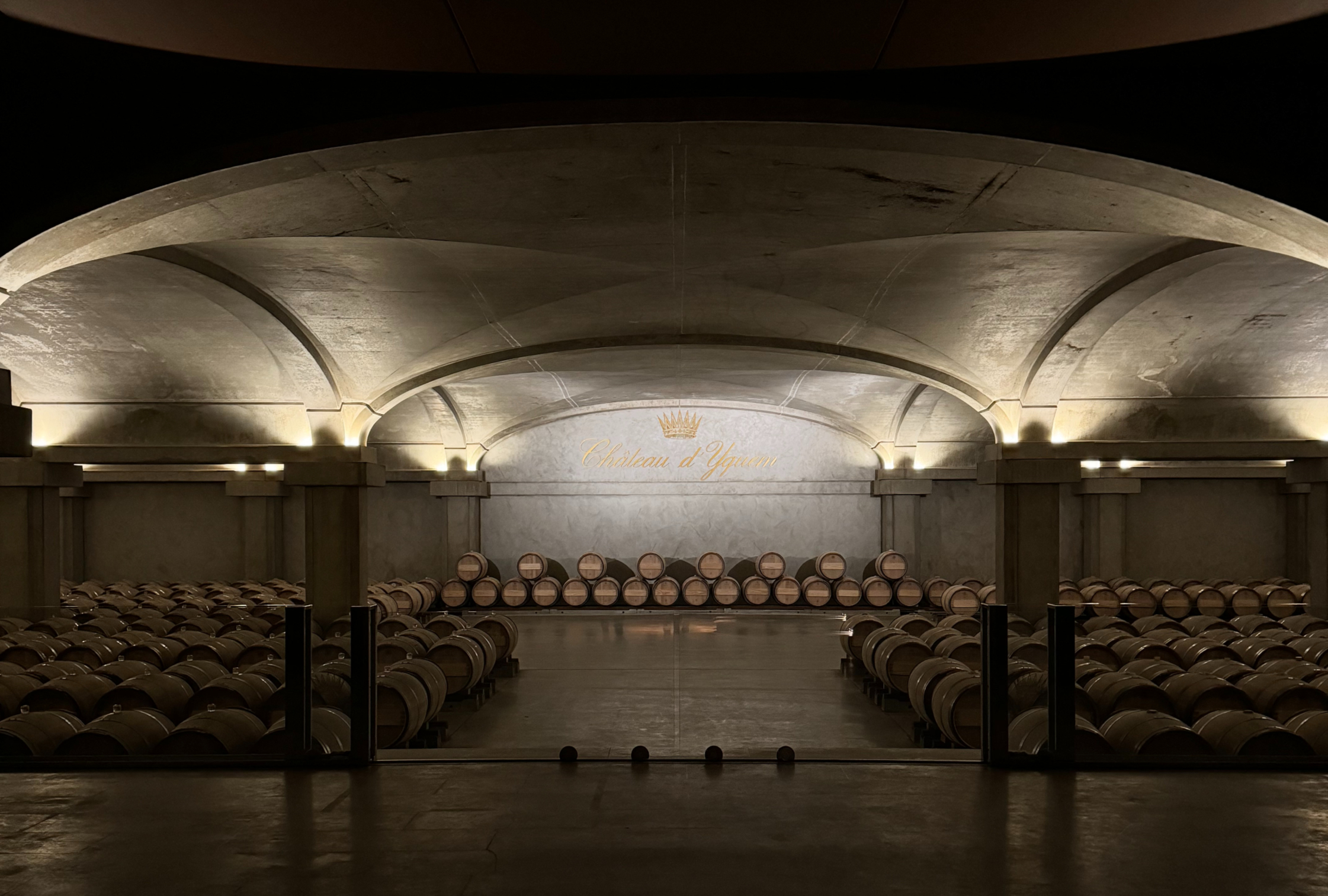
In the cellar, tanks and barrels carry the practical rhythm of the estate. In the tasting room, Fetească Neagră can sit beside Cabernet Sauvignon or Merlot without being treated as explanation. The point is comparison by glass and by place. The farm buildings give the wines a frame: Săhăteni, Dealu Mare, restored in 2006, still organized around the cellar.
A Romanian grape held in the foreground
The estate's importance rests on a specific choice: to put Romanian varieties, especially Fetească Neagră, into a premium cellar language without sanding away their origin. Vișinescu is credited here with vinifying Fetească Neagră as a dry wine aged in oak barrels, a decision that changed how the grape could be read in export markets and at home.
If there is a next movement to stay with, it is not a slogan but the ongoing test of that choice across vintages, barrels, and blends. The evidence remains in the glass, especially Anima Grand Reserve and o. J. Anima 3 Fete Negre.
Know before you go
- Dress code
- casual
- Reservations
- recommended
- Parking
- on_site_lot
- Payment
- cash, credit_card
- Outdoor seating
- Yes
- Groups
- Welcomed
Address
Buzău, Dealu Mare, Romania
Săhăteni